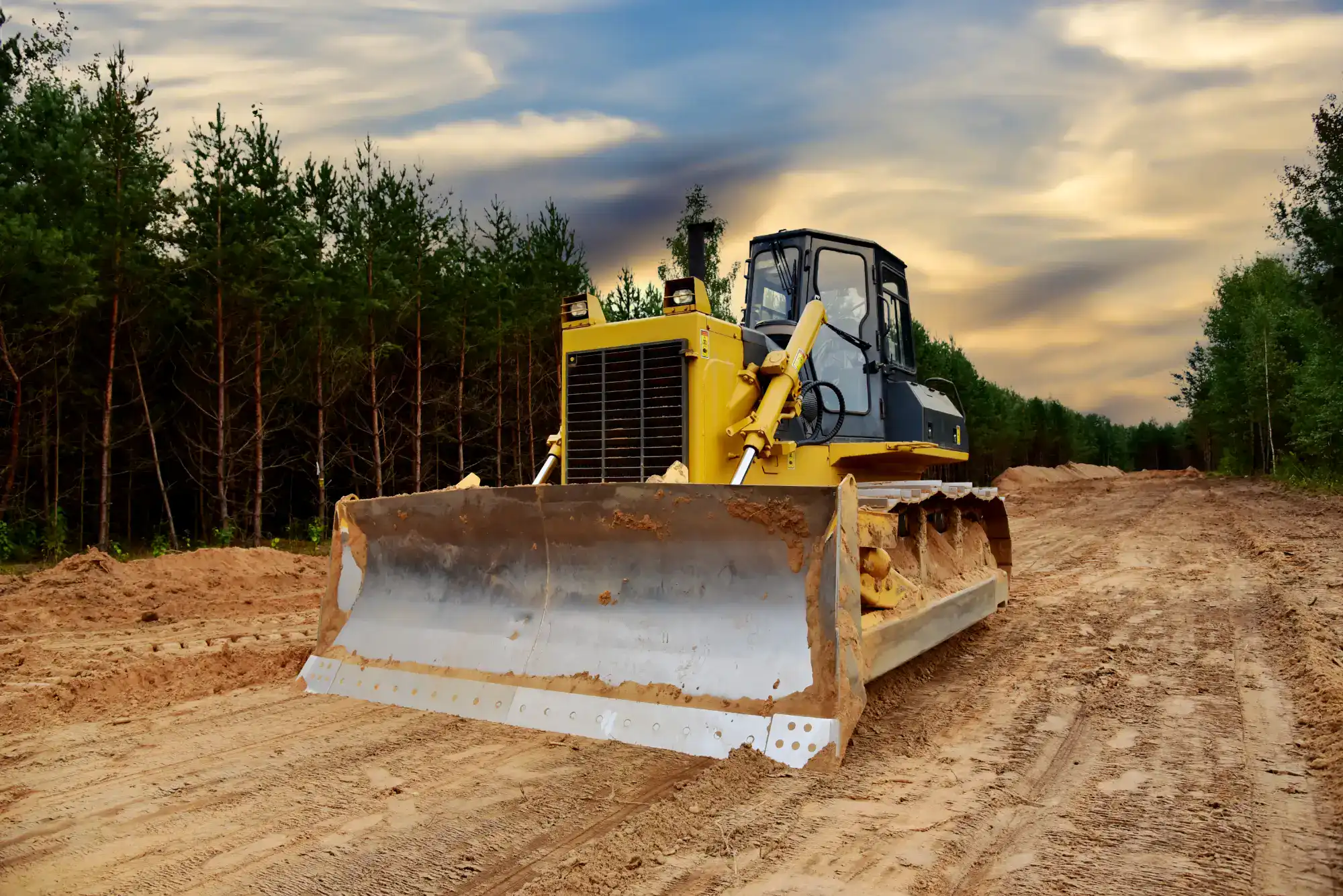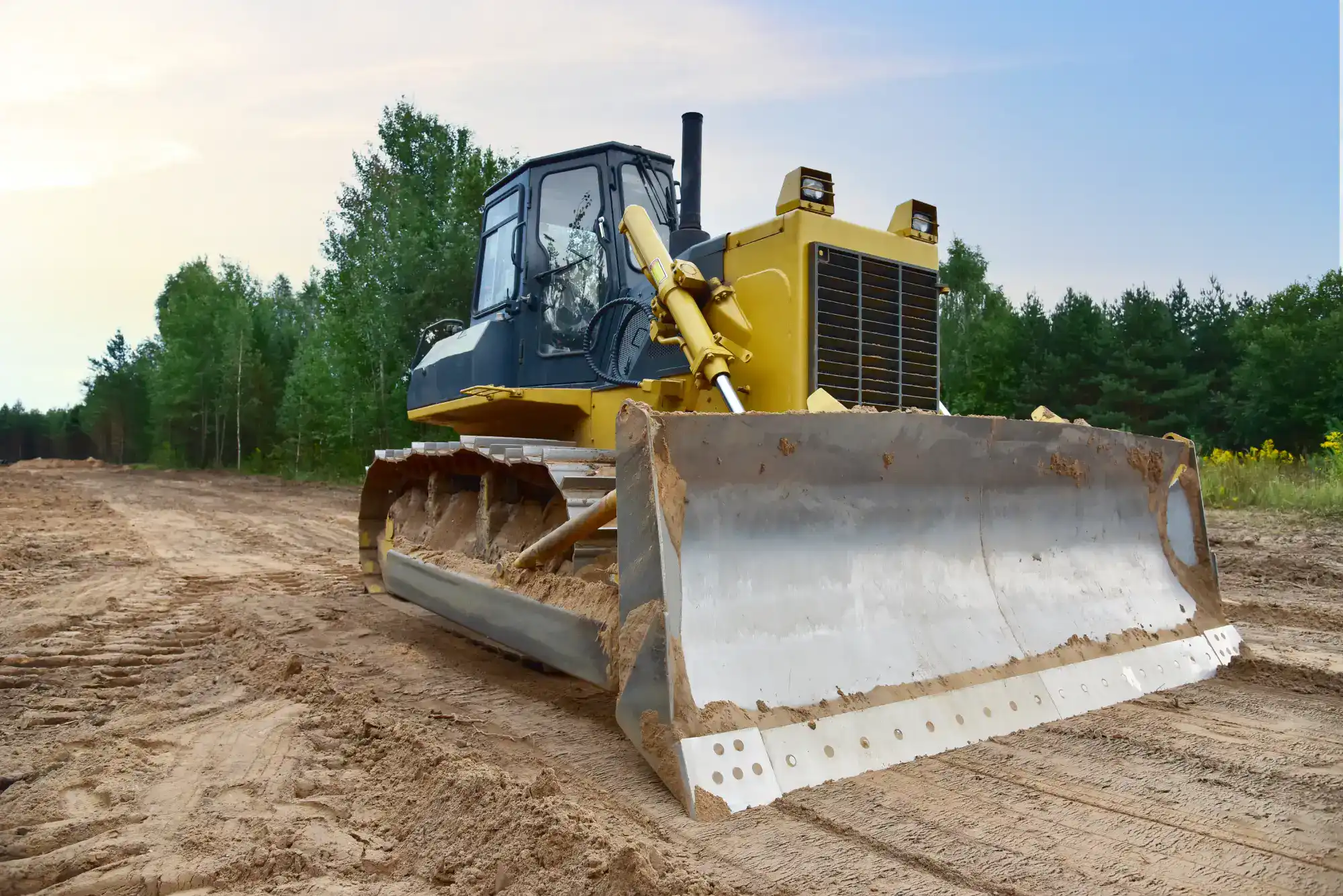
From foundation digs to hydrovac work, here's what professional excavating actually looks like in Warren County — and how to find a contractor worth trusting.
Share:
Summary:
Most excavation problems don’t start underground. They start with the wrong contractor. Someone who gave you a low number, sent an unsupervised crew, and left you with a half-finished job and a drainage problem that won’t show up until the first hard rain.
If you’re planning a new home build, a septic upgrade, or any kind of serious excavating in Warren County, you already know that finding a contractor you can actually trust is harder than it should be. This page is here to help — covering what professional excavating looks like, what to watch for, and why the right crew makes all the difference between a project that goes smoothly and one that doesn’t.
Warren County isn’t a forgiving place to dig. Depending on where your property sits — whether you’re in the valleys around Queensbury and Glens Falls or up on a hillside lot in Thurman or Bolton Landing — you’re dealing with completely different ground. Clay-heavy soils in the lower elevations hold water and shift with frost. Higher elevations bring rocky ledge that stops inexperienced operators cold. Neither is impossible to work with. Both require someone who’s actually done it before.
We’ve been working this tri-county region since 1997, starting as a logging operation before transitioning to full-time excavation. That background matters more than it might sound — reading land, understanding how water moves across a site, knowing what’s underneath before you dig. It’s the kind of knowledge you accumulate over decades, not something you pick up from a manual.
If you’re building a new home in Warren County, excavation is where the entire project either gets set up for success or quietly set up to fail. Most people don’t think about it that way — they’re focused on floor plans and finishes — but what happens in the ground before a single wall goes up determines how that house performs for decades.
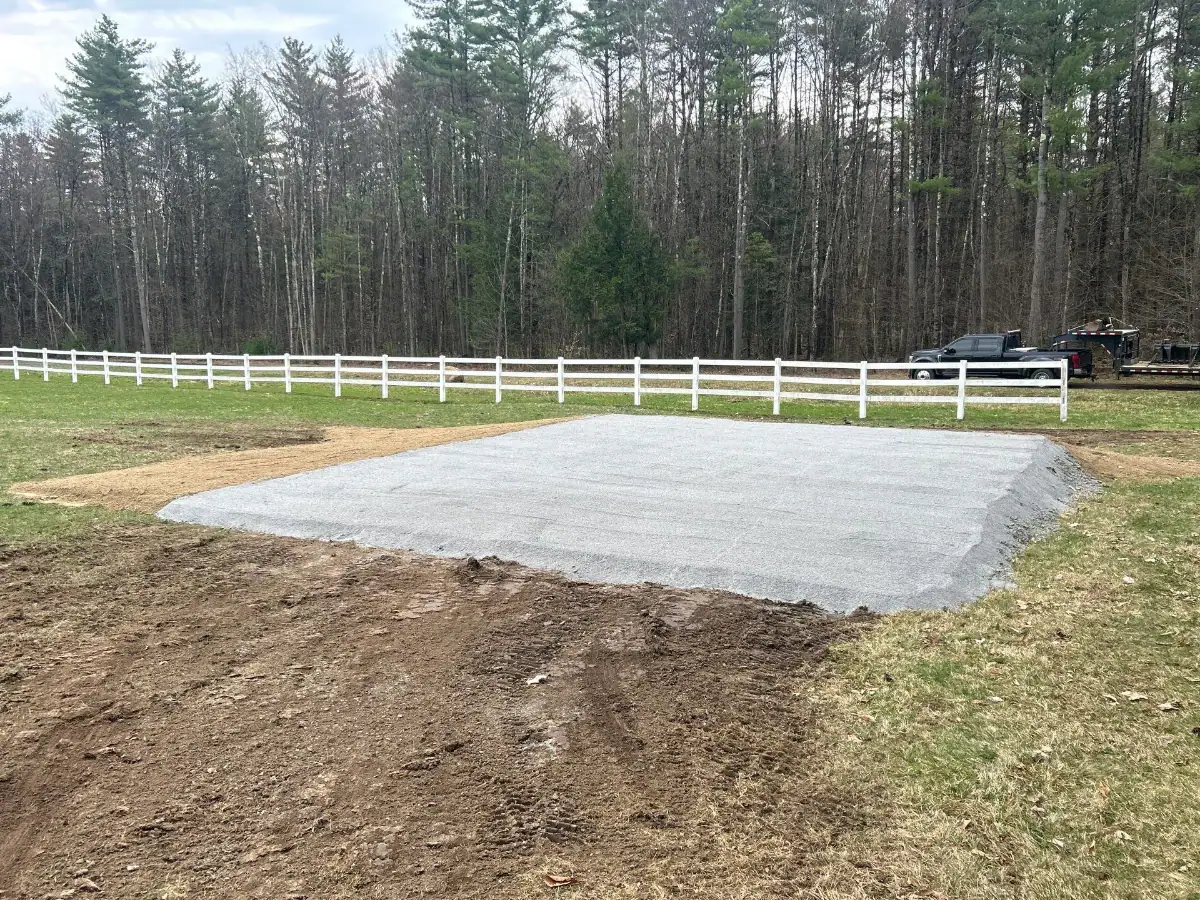
Site prep for new home construction typically involves clearing the land, rough grading to establish drainage flow, foundation excavation, utility trenching, and final grading once framing begins. Done right, it’s a sequenced process where each phase sets up the next. Done wrong — or done by someone who’s rushing to the next job — you end up with a foundation that settles unevenly, a yard that floods every spring, or a septic system that fails inspection.
Our ideal clients are homeowners in their 30s who are building their first real home and aren’t interested in cutting corners. They want someone who shows up, communicates, and takes the work seriously. That’s who we built this business for. Josh is on-site on almost every job — not because we have to be, but because that’s the only way to guarantee the work is done right. No anonymous crew, no guessing about what happened while you were at work.
For new construction in Queensbury, Warrensburg, Lake Luzerne, or anywhere else in Warren County, we handle the full scope: clearing, grading, foundation digging, trenching, and septic installation. One contractor, one point of contact, no coordination headaches.
The excavation contractor market is full of operators who own a machine and a truck. That’s not the same as a contractor who knows what they’re doing and will be accountable when something goes wrong. Before you sign anything, there are a few questions worth asking every contractor you talk to.
First: will the owner be on the job? This sounds basic, but the answer tells you a lot. Large operations routinely send crews without any direct oversight. When the owner is present, quality is personal — it’s their name on the truck and their reputation on the line. Second: are you licensed and insured? General liability coverage is non-negotiable. If a contractor damages your existing septic, hits a utility line, or causes drainage issues on a neighboring property, you need to know they’re covered. Third: how do you handle permits? In Warren County, foundation excavation, septic installation, and significant grading work typically require permits from the county building department. If a contractor waves this off, that’s a red flag.
Also worth asking: do you have experience with Warren County’s soil conditions? That’s not a trick question — it’s a practical one. Clay behavior in the valley floors, rocky ledge in the higher elevations, seasonal water table changes driven by Adirondack snowmelt — these are real variables that affect how a job is planned and executed. A contractor who’s never worked this terrain will figure it out on your dime.
One more thing: get it in writing. A detailed, written estimate that outlines scope, timeline, and potential extras isn’t just professional — it protects you. Any contractor who resists putting it on paper is telling you something.
Want live answers?
Connect with a Emerson Excavating and Trucking expert for fast, friendly support.
Hydrovac work isn’t limited to utility exposure and potholing — it’s also the right tool for precision excavation in tight spaces, around existing structures, and in situations where mechanical equipment would cause collateral damage that costs more to fix than the job itself.
For residential projects in Warren County, common hydrovac applications include exposing water and sewer connections for repair or inspection, daylighting utilities before foundation work begins, and working in established yards where preserving landscaping and hardscaping matters. For commercial projects, hydrovac is increasingly standard practice for any digging near active utilities or in areas with dense underground infrastructure.
The case for vacuum excavation comes down to risk. Backhoes alone are responsible for nearly half of all utility damage incidents nationally. When you’re working near gas lines, fiber optic cable, or water mains, the margin for error with mechanical equipment is essentially zero — and the consequences of a strike range from expensive to catastrophic.
Vacuum excavation removes that risk by replacing the bucket with water pressure and suction. The process is slower, but the tradeoff is a clean, precise excavation with no collateral damage. For utility companies, municipalities, and contractors working in dense utility corridors, it’s become the expected standard. For residential homeowners in Warren County dealing with aging infrastructure or tight urban lots in Glens Falls and Queensbury, it’s increasingly the right call.
We offer hydrovac services as part of our broader excavation capabilities — not as a standalone specialty, but as the right tool for specific situations. When you call us for a project that involves utility proximity, we’ll tell you upfront whether vacuum excavation is the appropriate method and what that means for your timeline and budget. No upsell, no vague recommendations — just a straight answer about what the job actually requires.
Vacuum excavation contractors aren’t replacing traditional excavation — they’re filling a specific, important gap. Understanding which method fits which situation is part of what separates a knowledgeable contractor from someone who just runs one type of equipment.
Traditional mechanical excavation — using a tracked excavator or backhoe — is the right tool for the majority of earthwork: foundation digs, site prep, septic installation, bulk grading. It’s efficient, cost-effective, and well-suited to open sites where utilities have been confirmed and marked. The productivity advantage is significant; for large-scale earthwork, there’s no substitute.
Hydrovac becomes the right call when precision matters more than speed. Exposing a gas line for repair, potholing before a foundation dig, uncovering a sewer connection in a tight urban lot, or working around existing landscaping and structures where mechanical equipment would cause collateral damage — these are hydrovac situations. The equipment is more specialized, the process is more deliberate, and the result is a clean, controlled excavation that doesn’t create new problems while solving the original one.
For most residential projects in Warren County, you’ll need both at some point — mechanical excavation for the bulk of the work and hydrovac for the sensitive phases. A contractor who only offers one or the other is asking you to coordinate the difference yourself. We handle both, which means the transition between methods happens on our schedule, not yours.
The short version: find someone who knows this county, shows up personally, and tells you exactly what you’re paying before work begins. That combination is rarer than it should be, but it’s what separates a smooth project from a stressful one.
Warren County’s terrain — the clay, the ledge, the seasonal water, the APA overlay in certain areas — rewards local experience and punishes contractors who are figuring it out as they go. Whether you’re breaking ground on a new home in Queensbury, digging out a basement in Warrensburg, or running a sewer line on an aging property in Glens Falls, the right contractor makes a measurable difference in how the job goes.
We started this business in 1997 and have been doing full-time excavation work since 2020. Josh is on almost every job. Our son is our partner. We’re not trying to be the biggest operation in the region — we’re trying to be the contractor you call back. If you have a project coming up and want a straight conversation about what it involves and what it’ll cost, reach out to Emerson Excavating and Trucking. We’d rather earn your trust on the first job than chase you down for the next one.
—
Frequently Asked Questions
**What should I look for in swimming pool excavation contractors?** Look for a contractor who walks your specific site before quoting — not one who gives you a number over the phone based on pool dimensions alone. In Warren County, soil conditions vary dramatically across the region. Rocky ledge on higher-elevation lots in Thurman or Horicon can require specialized equipment or blasting permits. Clay soils in the valley areas around Glens Falls and Queensbury need careful drainage planning around the pool shell. Ask whether they’ve excavated pool sites in your specific area of Warren County, how they handle unexpected rock, and what their process is for managing water movement during and after excavation. A contractor with real Warren County experience will have specific answers, not generic ones.
**How do I choose hydro excavation companies near me?** Start by confirming they actually own and operate hydrovac equipment — not all contractors who list it as a service have it in-house. Ask about their experience with utility exposure and potholing specifically, and whether they follow current OSHA standards for excavation work. In Warren County, where older utility infrastructure in Glens Falls, Queensbury, and other established areas doesn’t always match recorded locations, hydrovac experience with aging systems matters. A good hydro excavation company will tell you upfront whether your project actually requires hydrovac or whether traditional excavation is the right call — and they won’t push you toward the more expensive method if the situation doesn’t warrant it.
**Can you excavate in winter in Warren County, NY?** It depends on the scope and the timing. Frost depth in Warren County can reach four feet or more in hard winters, which makes certain types of excavation — particularly foundation work and septic installation — difficult or impossible without specialized equipment. Lighter work can sometimes continue into early winter before the ground freezes hard. The honest answer is that the compressed May-through-October window is when most excavation work happens here, and booking your contractor early — especially for new construction — is the best way to protect your timeline.
**Do I need a permit to excavate on my property in Warren County?** For most significant excavation work — foundation digs, septic installations, substantial grading — yes, permits are required through Warren County’s building department. If your property falls within the Adirondack Park boundary, certain projects may also require Adirondack Park Agency review, particularly those near water or in areas with environmental sensitivity. We handle permit coordination as part of our process, so you’re not navigating that on your own.
Article details:
Share:
Continue learning: