
Lawn Care Saratoga County NY

Thick, Green Grass That Lasts All Year

Your lawn needs more than weekend mowing to survive New York winters and stay weed-free. Professional fertilizer treatments and pest control protect the root system while regular mowing and edging keep your Saratoga County property looking sharp week after week.

Why Homeowners Choose Us

Owner On Every Job

Josh personally oversees treatments and mowing schedules to ensure fertilizer applications are timed correctly and your lawn gets real attention, not rushed service.

Nearly 30 Years Local

We’ve served Saratoga, Warren, and Washington Counties since 1997, which means we know exactly how clay-heavy soil and harsh winters affect your grass.

Family Business Not Franchise

Your lawn care is handled by our family team, not subcontractors or rotating crews who don’t know your property or care about repeat business.

Professional Lawn Care Saratoga Warren Washington

Lawn Care That Works With Capital Region Seasons

Most homeowners in Saratoga County don’t have time to figure out when to fertilize, which pesticide stops grubs, or how often mowing should happen. You’re managing work, family, and a packed schedule. Your lawn is dealing with clay soil, spring flooding, summer heat, and winters that kill weak grass. We handle the mowing, edging, fertilizer applications, and pesticide treatments on a schedule built for New York’s climate. Your lawn stays thick and green without you spending weekends trying to fix problems you didn’t know were coming. This isn’t about upselling services. It’s about protecting your property investment and giving you weekends back.

Lawn Maintenance Warren County Washington County

What Your Lawn Actually Gets

These aren't marketing promises. These are the measurable results you'll see when fertilizer, pest control, and mowing are done correctly and on time.

Your grass grows thick enough to choke out crabgrass and dandelions instead of leaving bare spots where weeds take over.
You get weekends back because mowing, edging, and seasonal treatments happen without you scheduling, buying equipment, or doing the work.
Fertilizer goes down when soil temperatures are right so your lawn can actually absorb nutrients instead of wasting applications.
Grubs and pests get stopped before they destroy root systems and leave you with dead brown patches in late summer.
Your property looks professionally maintained every week with consistent mowing height and clean edging along walkways and beds.
Fall treatments build root strength so your lawn survives Saratoga County winters and greens up faster in spring.
A bold white number "1" is centered on a solid black circular background, ideal for representing top-rated NY excavating contractors Saratoga County.

Share project details

Call us or get a free online quote to help us identify your project needs.

A bold white number 2 is centered inside a solid black circle on a plain background, reminiscent of the strong branding often used by leading excavating contractors in Saratoga County, NY.

We'll follow up

If you requested an online quote, you can expect a callback within 24-48 hours of your request.

A bold white number 3 centered inside a solid black circle on a plain background, perfect for representing top excavating contractors Saratoga County, NY.

The floor is yours

Connect with an expert and share all project specifics.

A bold white number 4 centered on a solid black circular background, representing top-rated excavating contractors in Saratoga County, NY.

Plan your project

Like what you hear? We'll provide next steps and expert guidance.
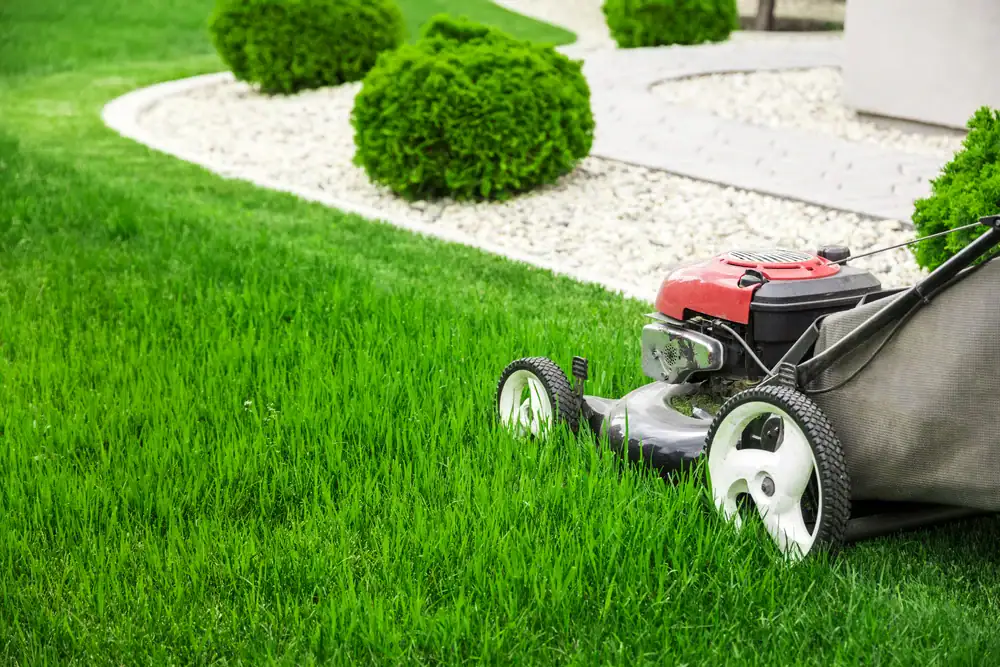
Fertilizer Pesticide Application Saratoga NY

Mowing Handles the Surface, Treatments Protect the Roots
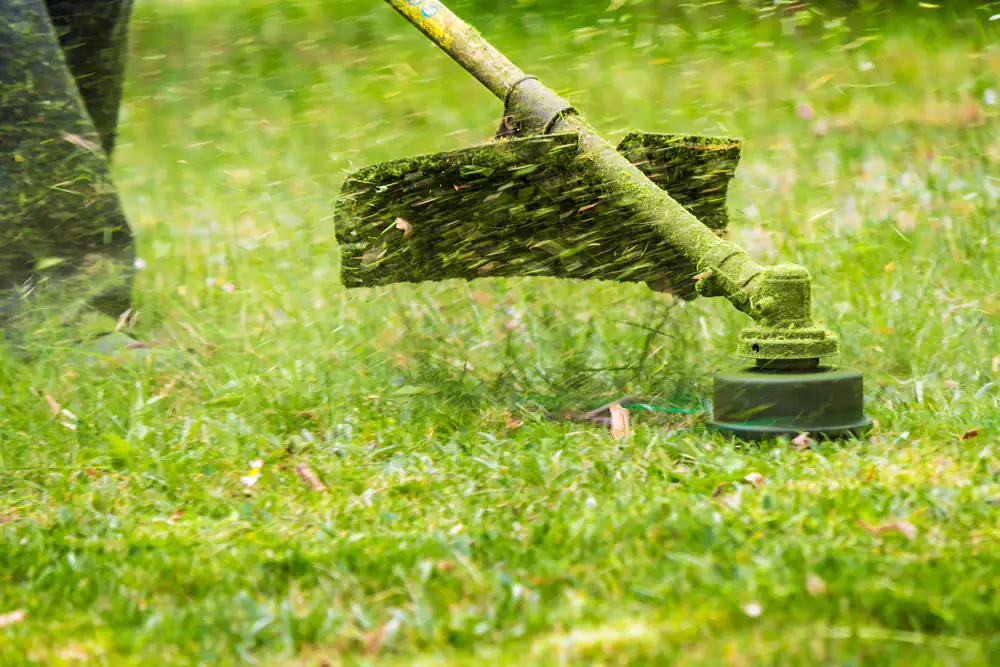
Here’s what most homeowners don’t understand until it’s too late: mowing and edging make your lawn look maintained, but fertilizer and pesticide treatments are what keep it alive underneath. Mowing at three inches encourages thick growth. Edging creates clean lines. But if the root system is weak, starved of nutrients, or being eaten by grubs, all that surface work is temporary. You’ll see thin patches by July, brown spots by August, and weeds everywhere by September no matter how often you mow. Fertilizer feeds roots so grass grows dense enough to crowd out weeds naturally. Pesticide treatments stop grubs, chinch bugs, and fungal disease before they kill grass from below. When both are applied on the correct seasonal schedule for cool-season grasses in upstate New York, your lawn doesn’t just look better for two weeks. It stays healthier through the entire growing season and survives winter dormancy. That’s the difference between cosmetic lawn maintenance and actual year-round lawn health.

Year-Round Lawn Treatment Schedule NY

How Seasonal Lawn Care Actually Works Here

Lawns in Saratoga, Warren, and Washington Counties go through four distinct seasons. What works in April will burn your grass in July. What your lawn needs in spring can damage it in late summer. Spring lawn care focuses on waking grass up after winter. Pre-emergent herbicides go down in early April before soil hits 55 degrees to stop crabgrass seeds from germinating. First fertilizer application happens late April when grass starts actively growing. Early mowing begins but stays high to protect new growth. Summer is about protection and maintenance. Mowing height increases to shade roots from heat stress. Spot weed control targets dandelions and clover. Grub prevention treatments go down in June before larvae hatch and start feeding on roots. Fall is the most critical season for cool-season grasses. September and October are when your lawn builds the root system that survives winter. Core aeration relieves soil compaction. Overseeding fills thin areas. Fall fertilization provides nutrients for root growth and spring green-up. Winter prep in November protects everything. Grass goes dormant but roots stay alive under snow. A final mowing at proper height prevents snow mold. Each season has specific work that can’t be skipped. Miss spring pre-emergent and you fight crabgrass all summer. Skip fall fertilization and your lawn struggles next spring.

Lawn Mowing Edging Services Saratoga

How We Handle Your Lawn Maintenance

01

Property Assessment First

We check your lawn’s current condition, soil type, sun exposure, drainage issues, and weed pressure so treatments are based on what’s actually happening.

02

Custom Treatment Schedule

We build a year-round plan with mowing frequency, fertilizer timing, and pest control applications matched to Capital Region weather patterns and your grass type.

03

Consistent Service Delivery

We show up on schedule, apply treatments at the right soil temperature, and maintain your lawn without you managing calendars or buying equipment.

Frequently Asked Questions

Explore our FAQ section to quickly find helpful information about our services, pricing, scheduling, and more.

How often should my lawn be mowed during the growing season in Saratoga County?
Most lawns in Saratoga, Warren, and Washington Counties need mowing once a week from late April through September when grass is actively growing. In early spring and late fall, you can usually extend that to every 10-14 days as growth slows. The rule is never cut more than one-third of the grass height at once. Cutting too much stresses grass, weakens roots, and creates openings for weeds to germinate. We adjust mowing frequency based on actual growth, not a fixed calendar, so your lawn gets cut when it needs it. During heat stress in July and August, we sometimes reduce frequency to avoid damaging stressed grass. Mowing height also matters – we keep it at three inches during summer to shade roots and prevent moisture loss.
Fertilizer feeds your grass by adding nitrogen, phosphorus, and potassium that Saratoga County’s clay soil often lacks. It makes grass grow thick, green, and dense enough to crowd out weeds. Pesticide treatments protect your lawn from grubs, chinch bugs, and fungal diseases that attack roots and kill grass from underneath. Think of fertilizer as nutrition and pesticides as preventive medicine. Fertilizer makes grass grow better. Pesticides stop pests and disease from destroying what you’ve grown. Most lawns here need four to six fertilizer applications per year timed with seasonal growth patterns. Pesticide treatments depend on pest pressure – at minimum, one grub prevention application in June and spot treatments for active infestations. We don’t automatically spray pesticides on every visit. We apply them when soil conditions, temperature, and pest lifecycle timing make treatments effective.
For cool-season grasses like Kentucky bluegrass and tall fescue that grow in Saratoga, Warren, and Washington Counties, the best fertilization times are early spring and fall. Your first application should go down late April or early May when soil temperature reaches 55 degrees and grass starts growing actively. You can check soil temp with an inexpensive thermometer or watch for consistent green-up. Fall fertilization in September and October is actually more important than spring because that’s when cool-season grasses build root systems for winter. A final light application in November helps grass store nutrients for early spring growth. Summer fertilization should be minimal and use slow-release formulas because heat stress increases the risk of fertilizer burn. We avoid heavy nitrogen applications in July and August. The exact timing shifts each year based on weather patterns, which is why local knowledge matters. A fertilizer schedule that works in Albany might be two weeks off for Saratoga Springs.
The clearest sign of grubs is brown patches that appear in late summer or early fall and feel spongy when you walk on them. If you can grab the grass and it lifts up like carpet with no root resistance, grubs have been eating the roots underneath. You’ll also see increased bird and animal activity – crows, skunks, and raccoons tear up turf to get at grubs. To confirm, cut a square foot section of sod and peel it back. If you count more than five or six white C-shaped grubs in that space, you have an infestation that needs treatment. Chinch bugs cause similar browning but usually start in sunny areas and spread outward in irregular patterns. The challenge is that by the time you see damage, pests have been feeding for weeks. Preventive treatments applied in June before grubs hatch stop damage before it starts. We time applications based on soil temperature and Japanese beetle flight patterns, not calendar dates.
Mowing doesn’t prevent weeds – it just cuts them shorter temporarily. Weeds take over when your grass is thin, weak, or stressed because that gives weed seeds open soil and sunlight to germinate. The real problem is usually one of three things: you’re cutting grass too short, your soil is compacted and nutrient-depleted, or you missed the pre-emergent herbicide window in spring. Grass cut below three inches loses its ability to shade out weed seeds. Compacted clay soil prevents grass roots from growing deep, so turf stays thin with bare spots. And if you miss the narrow April window for pre-emergent applications, crabgrass germinates and spreads all summer. Pulling weeds or spraying them after they appear is reactive. The solution is building thick, healthy turf through correct mowing height, regular fertilization that feeds grass without feeding weeds, and pre-emergent treatments timed for when soil temperature triggers weed seed germination. Dense, well-fed grass naturally crowds out most weeds.
You can do it yourself if you have the time, equipment, and knowledge to do it correctly. But here’s what that actually requires: a quality mower with blades sharpened twice per season, a broadcast spreader that applies products evenly without streaking, the right fertilizers and pesticides for each season, and the experience to know when to apply each treatment based on soil temperature and weather. You also need to understand cool-season grass varieties, soil pH levels, and how to diagnose problems like fungal disease, grub damage, and nutrient deficiencies before they kill large sections of turf. Most homeowners we work with in Saratoga and Warren Counties tried DIY for several years and realized they were spending every Saturday on their lawn, buying products that didn’t work as advertised, and still getting results that didn’t match the effort or expense. Professional lawn care isn’t just convenience – it’s better outcomes with less stress because treatments are applied correctly, timed with seasonal growth patterns, and adjusted based on what’s actually happening with your specific property.

Cities we provide Lawn Mowing In