Choosing the right excavating contractor in Saratoga County means looking past the lowest bid. Equipment quality, insurance coverage, and understanding local soil conditions matter more than price alone.
Share:
Summary:
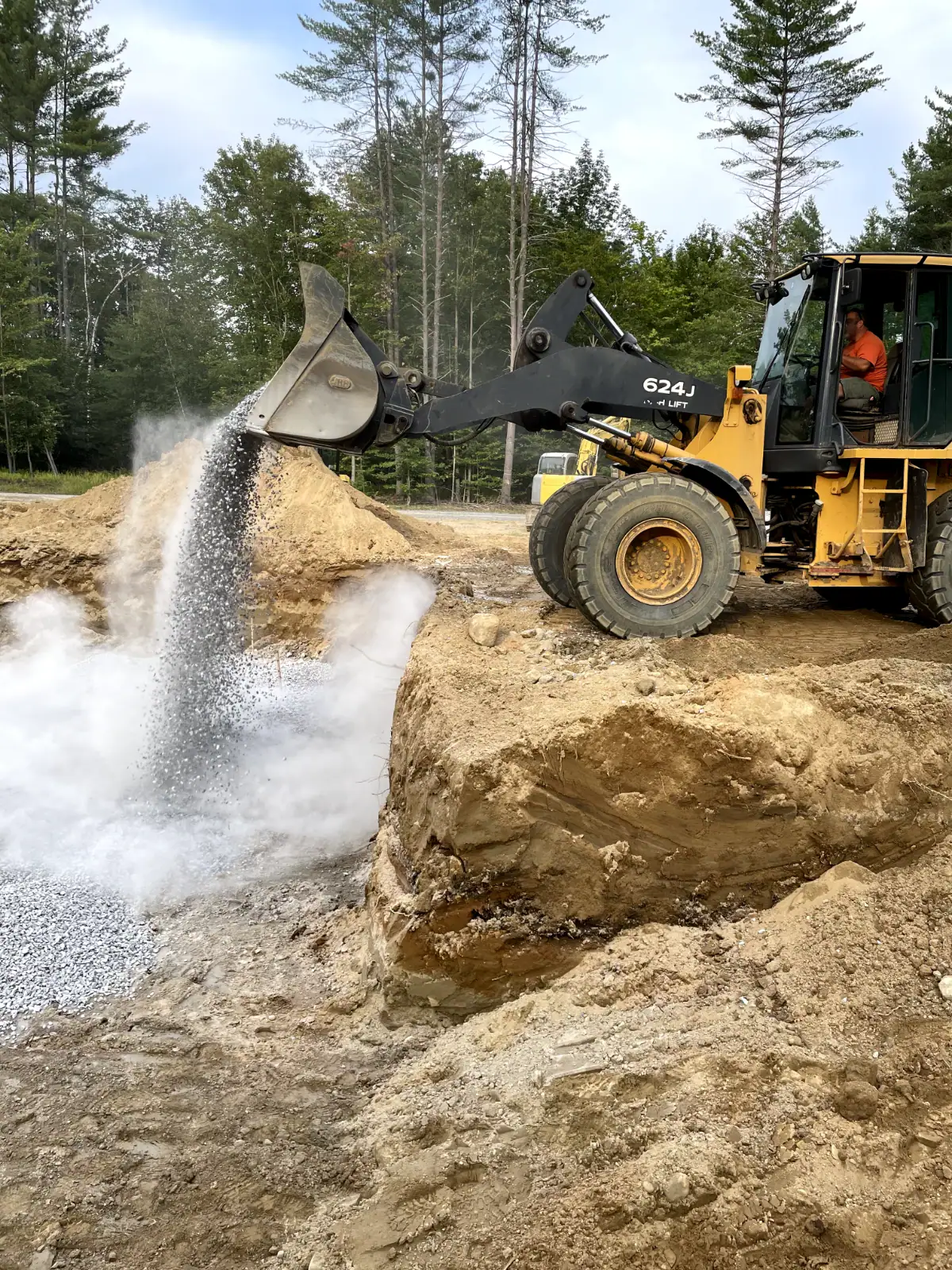
New York doesn’t require a state-level license for excavating contractors. Most excavation work in Saratoga County doesn’t fall under the same licensing requirements as electricians or plumbers. But that doesn’t mean you should skip the verification step entirely.
What you do need to confirm is insurance. General liability coverage protects you if equipment damages your property or a neighbor’s. Workers’ compensation covers injuries to crew members on your site. These aren’t optional nice-to-haves. Most excavation projects legally require them, and any reputable contractor will have both without you needing to ask.
Ask to see current certificates of insurance before work starts. Not copies from two years ago. Current ones. If a contractor hesitates or says they’ll send it later, that’s your cue to keep looking.
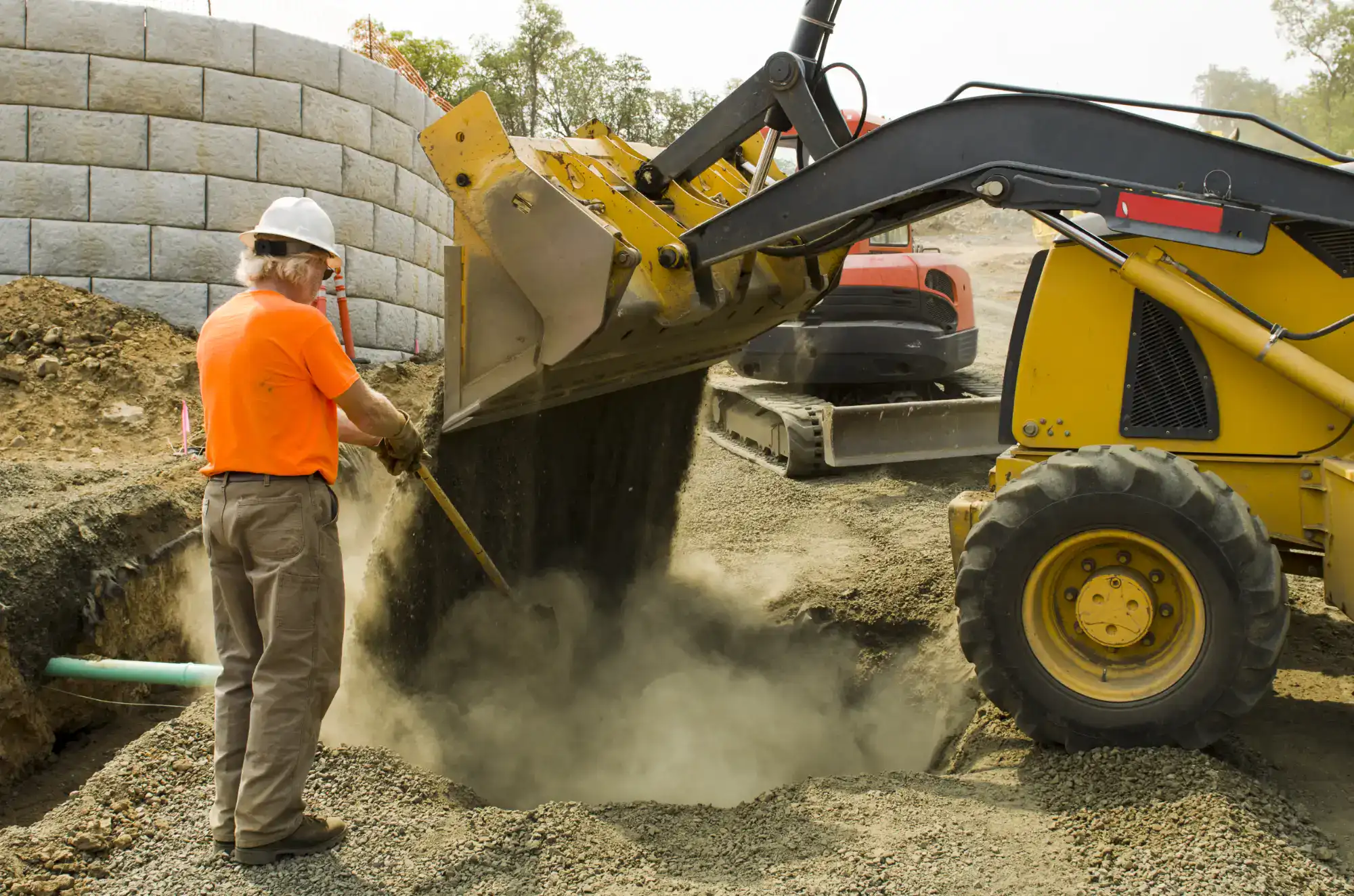
Excavation involves heavy machinery, underground utilities, and soil that doesn’t always behave the way you expect. A backhoe that clips a gas line or damages a neighbor’s foundation isn’t a hypothetical scenario. It happens.
Without proper insurance, you could end up liable for those damages. That’s not a position you want to be in when a single utility strike can cost thousands to repair, not to mention potential service disruptions to your neighborhood.
General liability insurance typically covers property damage and bodily injury to third parties. If the excavator accidentally damages an underground water line or if someone gets hurt on your property during the work, this coverage handles the costs. Workers’ compensation covers the excavation crew if someone gets injured while operating equipment or working in a trench.
Most contractors carry between one and two million dollars in liability coverage. That might sound like overkill until you consider what it costs to repair a severed utility line or address foundation damage to an adjacent property. Professional excavation companies understand these risks and insure accordingly.
Here’s what to verify: Ask for a certificate of insurance that lists both general liability and workers’ compensation coverage. Check the dates to confirm the policy is current. Make sure the coverage amounts are adequate for your project size. And if you’re working with a general contractor, confirm they’re listed as an additional insured on the excavation contractor’s policy.
Insurance protects everyone involved. It’s not about distrust. It’s about making sure that if something goes wrong during excavation, there’s a clear path to making it right without anyone facing financial ruin.
Bonds and permits function differently than insurance, but they’re part of the same protection framework. Some municipalities in Saratoga County require permits for excavation work, especially when you’re digging near public roads or installing septic systems.
A permit ensures the work meets local building codes and zoning requirements. Your excavating contractor should know which permits apply to your specific project and either handle the application process or guide you through it. If they seem unclear about permit requirements, that’s a red flag about their local experience.
Bonds come into play mainly on larger commercial projects or public works. A surety bond guarantees that the contractor will complete the work according to the contract terms. If they don’t, the bond provides financial recourse. For most residential excavation projects in Saratoga County, bonds aren’t required, but insurance absolutely is.
The key distinction: Insurance protects against accidents and damage. Bonds protect against non-completion or contract violations. Permits ensure compliance with local regulations. A professional excavating contractor understands all three and knows which apply to your project.
Don’t assume your general contractor or builder is handling permits if you’re hiring the excavation company directly. Clarify who’s responsible for what before anyone breaks ground. Excavation work that proceeds without proper permits can result in stop-work orders, fines, and requirements to redo work that’s already complete.
We’ve been working in Saratoga County for years and know the local requirements cold. We’ve worked with the town building departments, we understand the inspection process, and we factor permit timelines into our project schedules. That local knowledge saves you time and prevents compliance headaches.
If you’re unsure about what permits your project requires, call your local building department before hiring anyone. They can tell you exactly what’s needed. Then confirm that your excavating contractor’s bid includes permit costs and that they’re factoring in inspection timelines.
Want live answers?
Connect with a Emerson Excavating and Trucking expert for fast, friendly support.
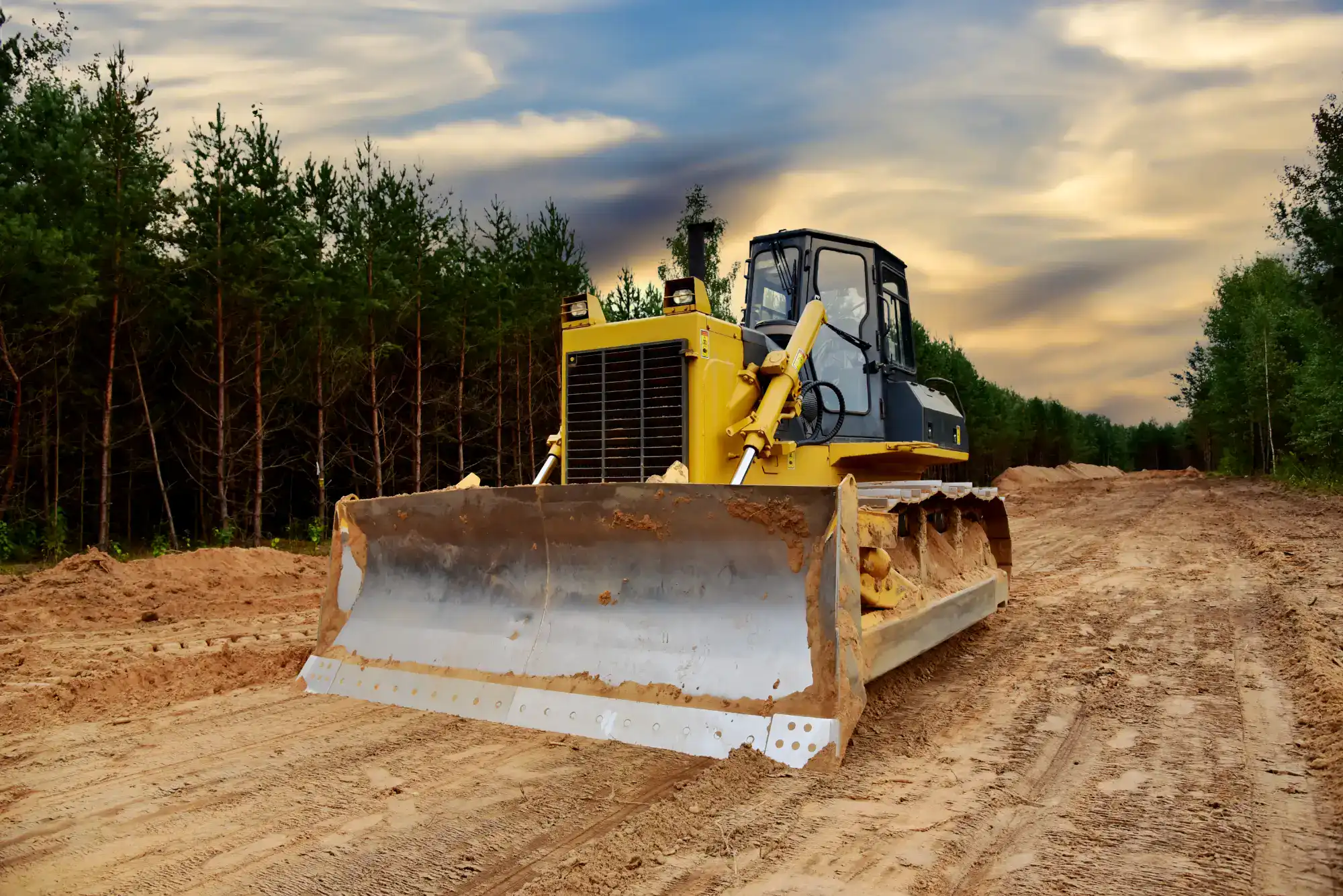
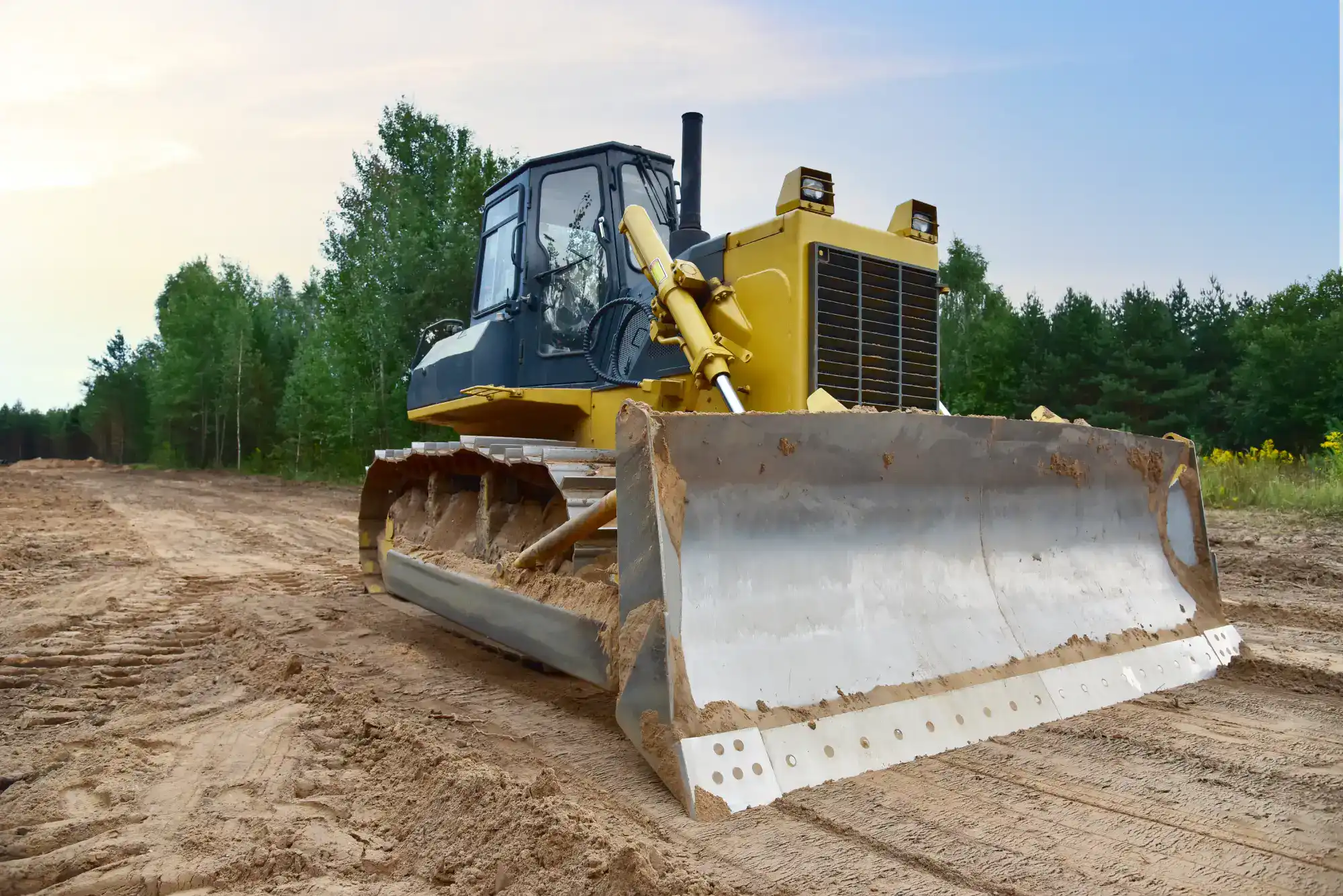
The equipment matters as much as the operator running it. An excavating contractor with well-maintained machinery finishes jobs faster and with fewer unexpected delays. Equipment that breaks down mid-project doesn’t just slow things down. It costs you money in extended timelines and potentially in rushed repairs that compromise quality.
Professional excavation companies maintain their equipment on a regular schedule. Hydraulic systems get serviced. Tracks and tires get replaced before they fail. Engines get the maintenance they need to run reliably. This isn’t glamorous work, but it’s the difference between a three-day foundation excavation and a week-long ordeal because the excavator broke down twice.
Ask about equipment age and maintenance practices. You don’t need a full service history, but you should get a sense that the contractor takes equipment care seriously.
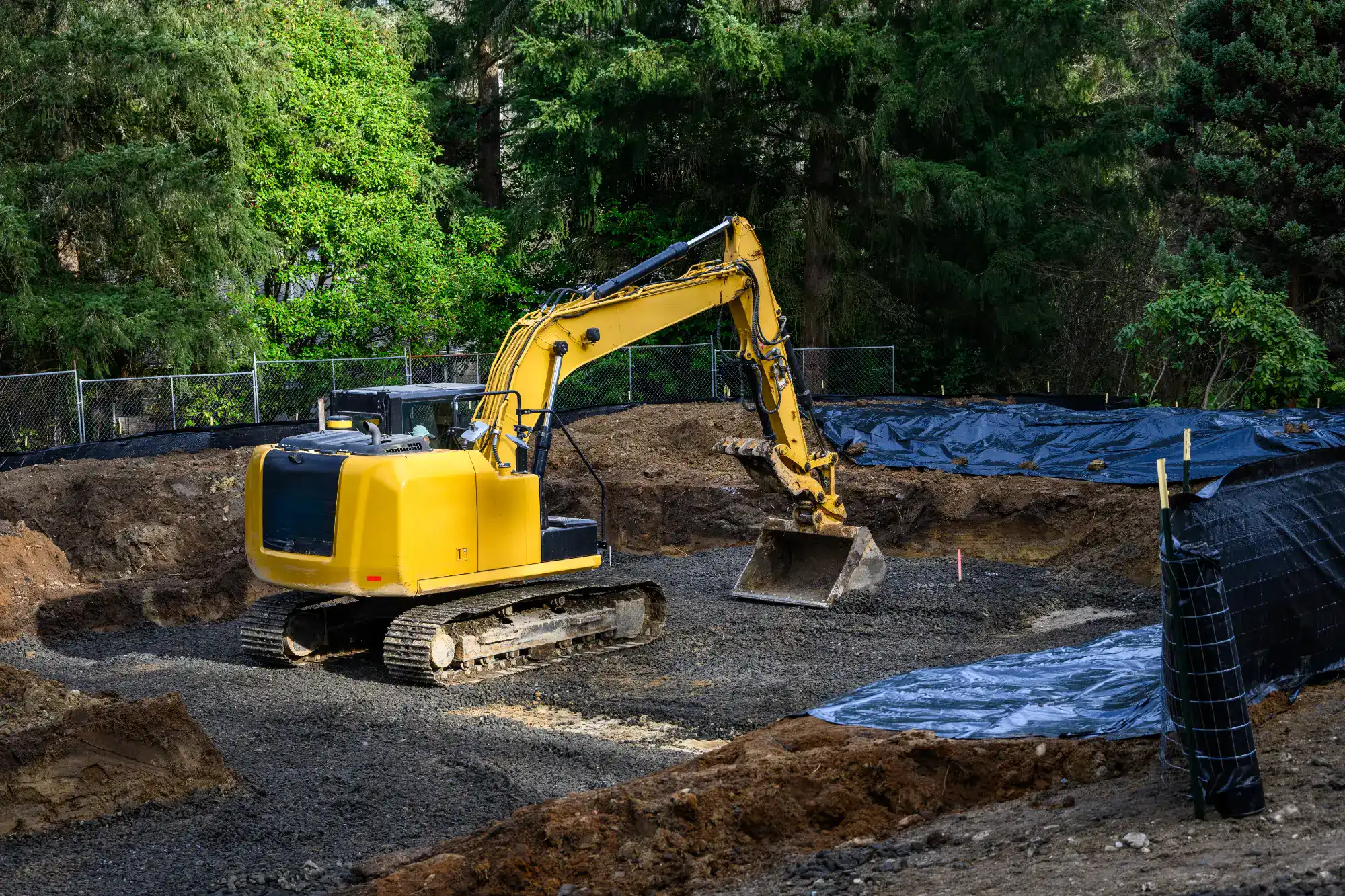
Not every excavation job requires the same equipment. A compact excavator works well for tight residential lots where a full-size machine can’t maneuver. A backhoe loader combines digging capability with a front loader, making it versatile for projects that involve both excavation and material moving.
Standard crawler excavators provide the power and reach needed for foundation excavation, septic installations, and site grading. They operate on tracks, which gives them stability on uneven terrain and prevents them from tearing up your property the way wheeled equipment might.
The right excavating contractor matches equipment to your specific site conditions. Rocky soil requires different capabilities than sandy or clay-heavy ground. Tight access areas need compact equipment. Large-scale site preparation benefits from full-size machinery that can move more material in less time.
Equipment selection also affects project costs. Bringing in machinery that’s too large for the job wastes fuel and potentially damages your property. Using equipment that’s too small extends the timeline and labor costs. Experience helps contractors make the right call.
Here’s what you should know about common excavation equipment: Excavators feature a boom, stick, and bucket that can dig deep and reach far. They rotate a full 360 degrees, which allows operators to work efficiently without constantly repositioning the machine. Backhoes combine a rear-mounted excavator arm with a front loader bucket. They’re more versatile for jobs that require both digging and material handling, though they can’t dig as deep as dedicated excavators.
Compact excavators, sometimes called mini excavators, work well in residential settings where space is limited. They can fit through standard gates and work in areas where larger equipment would cause damage or simply couldn’t access. Despite their smaller size, they provide impressive digging power for foundation work, utility trenching, and landscaping projects.
The operator’s experience matters as much as the equipment itself. Someone who’s been running excavators for years understands how different soil types behave, how to grade for proper drainage, and how to work around existing structures without causing damage. They can feel when they’re approaching a utility line or hitting unexpected rock. That kind of experience doesn’t come from a weekend training course.
Equipment failures cause delays. That’s not a maybe. It’s a certainty if the contractor isn’t maintaining their machinery properly. A hydraulic line that fails during your foundation excavation means work stops until repairs are complete. That could be hours or days, depending on parts availability and the severity of the problem.
Professional excavation companies keep backup equipment available or have relationships with rental companies that can provide replacements quickly. They also perform preventive maintenance that catches problems before they become failures. This approach costs them more upfront but saves everyone time and frustration during actual projects.
When you’re evaluating excavating contractors, ask about their equipment maintenance practices. You’re not looking for detailed service records, but you should hear confidence in their answers. Contractors who maintain equipment well talk about it easily because it’s part of how they operate.
Watch for red flags like equipment that looks neglected, contractors who can’t give you straight answers about their machinery, or bids that seem unusually low. Sometimes low bids reflect deferred maintenance that will catch up with you mid-project.
Your timeline matters. If you’re building a new home in one of Saratoga County’s growing communities like Clifton Park or Ballston Spa, excavation delays push back your foundation pour, which delays framing, which delays everything else. A contractor with reliable, well-maintained equipment keeps your project moving forward on schedule.
We understand that our equipment is our livelihood. We invest in maintenance because breakdowns cost us money and reputation. That investment protects your timeline as much as ours.
Consider asking about equipment age and replacement schedules. Contractors who regularly update their fleet demonstrate financial stability and commitment to quality work. Older equipment isn’t automatically a problem, but it should be exceptionally well-maintained if it’s going to perform reliably on your project.
Choosing an excavating contractor comes down to three things: proper protection through insurance, reliable equipment that won’t delay your project, and the local experience to handle Saratoga County soil and regulations without surprises.
You’re not looking for perfection. You’re looking for someone who shows up prepared, communicates clearly about timelines and costs, and has the track record to back up their promises. Someone who understands that your excavation work is the foundation for everything that follows.
The contractors who’ve been working in this area for years know the local soil conditions. They’ve worked with the building departments. They understand how to grade for drainage and how to prevent the water problems that show up months or years after construction. That knowledge matters more than a low bid from someone who’s never worked in Saratoga County before.
Take time to verify insurance, ask about equipment maintenance, and talk to past customers if possible. The right excavating contractor becomes a resource for your entire project, not just the excavation phase. When you find someone who does quality work and communicates honestly, you’ve found someone worth keeping in your contacts for future projects.
If you’re planning excavation work in Saratoga County and want to work with a team that’s been handling residential and commercial projects with the right equipment and local knowledge, reach out to Emerson Excavating and Trucking.
Article details:
Share:
Continue learning: