Basement dig out costs vary more than most homeowners expect. Here's what actually drives the price — and what to watch out for before signing anything.
Share:
Summary:
Most homeowners start with a number in their head. They’ve looked at a national cost guide, seen a range like $10,000–$30,000, and figured that’s roughly what they’re dealing with. Then they get into it — and the number changes.
It’s not always the contractor’s fault. Basement excavation is genuinely complex, and a lot of what drives the final cost is underground, literally invisible until the digging starts. But some of those surprises are predictable. And a contractor who knows Warren County should be able to flag them before work begins, not after.
Here’s what you actually need to know about basement dig out cost — and why our region has its own set of rules.
National pricing guides will tell you basement excavation runs $30–$75 per square foot, or $75–$150 per cubic yard. Those numbers aren’t wrong — they’re just incomplete. They’re built on average soil conditions in average locations, and Warren County is neither.
The Adirondack region sits on granite bedrock, glacial till, and clay-heavy valley soils. What that means practically is that the ground beneath your property might be soft loam in one corner and solid ledge rock three feet down in another. No one knows until we dig. That uncertainty is exactly why basement dig out cost in this area can swing dramatically from one property to the next — and why any contractor quoting a firm price over the phone should raise a flag.
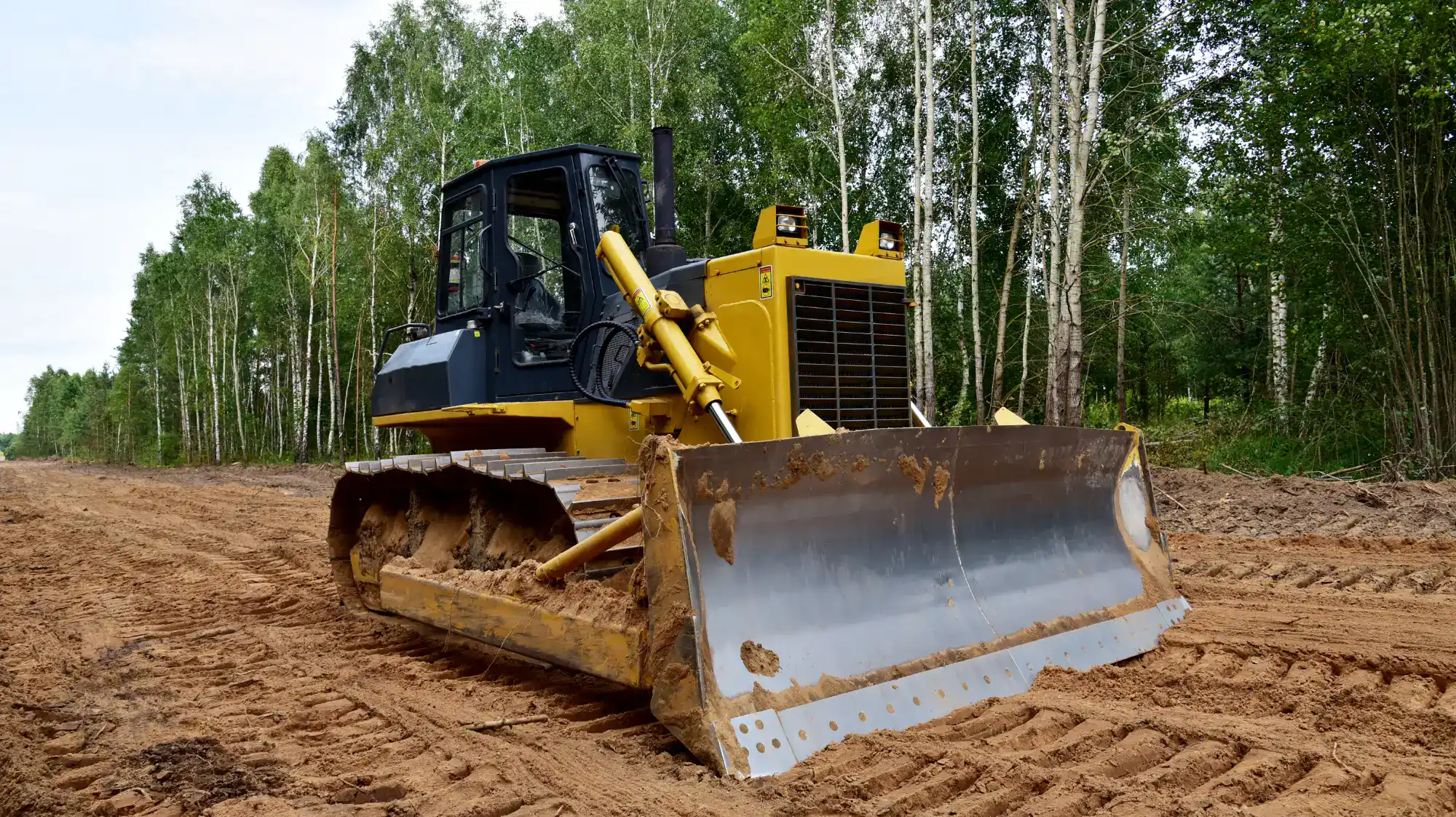
Rock is the biggest cost driver in basement excavation, and it’s more common in Warren County than most homeowners realize. In hillside communities like Thurman, Stony Creek, and Hague, granite bedrock can sit just a foot or two below the surface. When a machine hits ledge mid-project, work slows down significantly. Depending on the depth and extent of the rock, it may require a hydraulic breaker attachment or blasting — both of which add time and cost that no one can predict from a driveway conversation.
Clay soils are a different kind of problem. They’re common in the lower-elevation areas around Glens Falls and the Hudson River valley, and while they’re easier to excavate than rock, they hold water. That matters for drainage planning, waterproofing requirements, and long-term basement performance. We account for clay behavior during excavation to prevent water problems after the project is complete.
Glacial till — the mix of clay, silt, sand, gravel, and boulders left behind by glaciers — is present throughout Warren County and is genuinely unpredictable. A single large boulder buried in otherwise workable soil can add hours to a project. There’s no surface sign it’s there. This is why we build contingency into our estimates and explain it to you upfront, rather than calling mid-project with a change order.
Beyond soil type, site access plays a bigger role in cost than most people expect. If a full-size excavator can’t reach the dig site — because of a narrow driveway, mature trees, an existing structure, or a steep grade — we either bring in smaller, slower equipment or do more work by hand. Both options cost more. Properties in rural Warren County communities with long, winding driveways or tight lots near existing structures are particularly susceptible to access-related cost increases.
This is where a lot of homeowners get caught. The excavation quote looks reasonable. Then the invoices start coming in for things that weren’t mentioned — hauling, permits, waterproofing, landscaping repair — and the total climbs fast.
Hauling is one of the most commonly overlooked costs in basement excavation. A 1,000 square foot basement generates roughly 300 cubic yards of excavated soil. That soil has to go somewhere, and moving it off-site runs $400–$600 per truckload. Do the math on 10 to 15 truckloads and you’re looking at $4,000–$9,000 that may not be in the original quote if the contractor doesn’t handle their own hauling. We handle hauling in-house, so that cost is known from day one — not discovered after the hole is dug.
Building permits are another line item that surprises people. Most Warren County municipalities require permits for basement excavation, particularly when it involves structural changes to an existing home. Permit costs typically run $500–$2,000 depending on the scope and the municipality. Properties within the Adirondack Park — which covers a significant portion of northern and western Warren County — may also require Adirondack Park Agency review if the project is near a wetland or shoreline. That adds time to the process, sometimes weeks. We’ve worked in this region long enough to know which municipalities move fast and which don’t.
Waterproofing is often required after a dig-out, especially in areas with high water tables or clay soils. Budget $2,300–$7,600 for that phase, depending on the system. And don’t forget that heavy equipment compacts soil and can damage driveways, lawns, and plantings. Restoration costs are almost never included in an excavation quote unless you ask specifically.
The honest answer to “how much does a basement dig-out cost?” is: it depends on your site. But we can give you a realistic range after a site visit — not a phone number that changes once the work starts.
Want live answers?
Connect with a Emerson Excavating and Trucking expert for fast, friendly support.
The excavation industry has a real problem with lowball bids. A contractor quotes low to win the job, then adds change orders once the equipment is on-site and you’re committed. It happens often enough that most experienced homeowners know someone it’s happened to.
The way to avoid it isn’t to find the cheapest contractor — it’s to find one who quotes honestly from the start and explains what could change the price before work begins. That means a site visit, a written estimate, and a contractor who’s willing to tell you the hard things upfront rather than after the deposit clears.
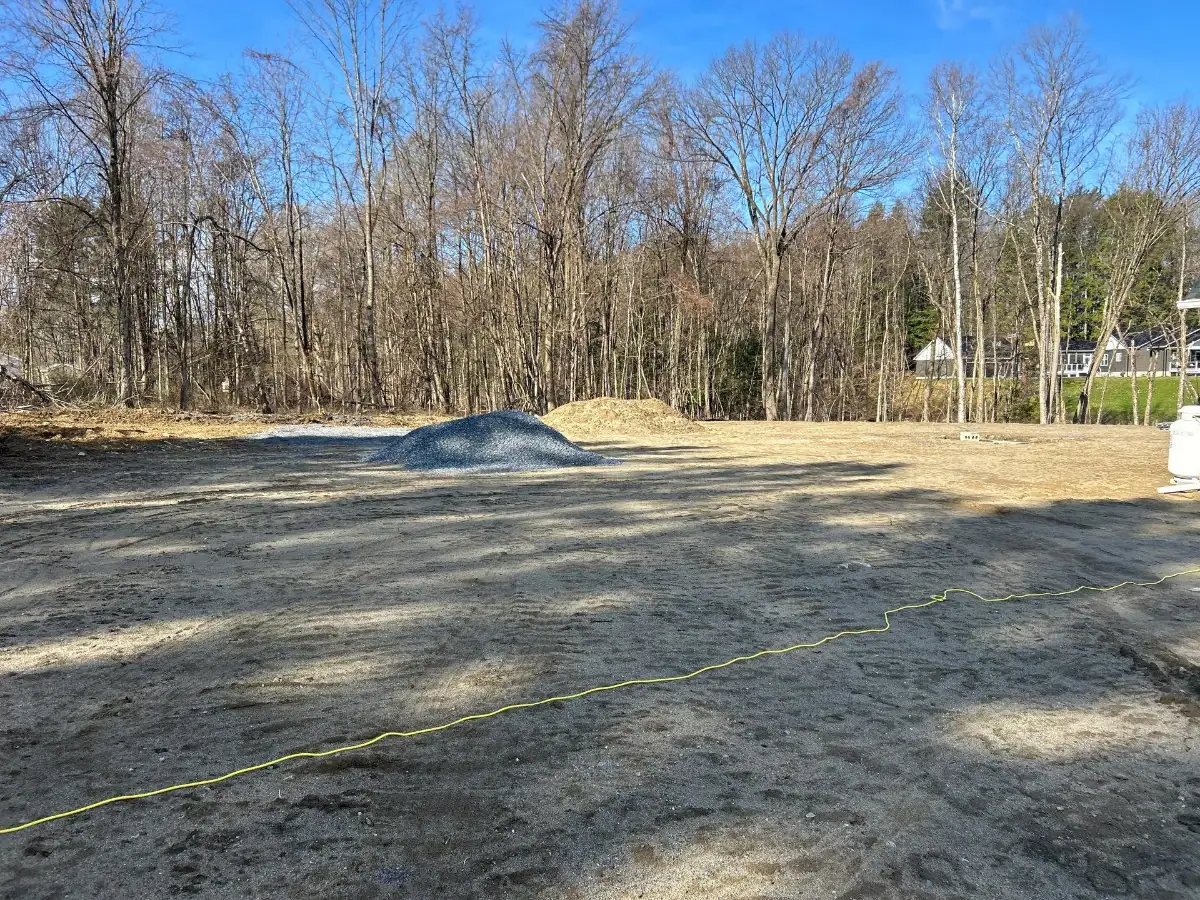
A solid estimate for basement excavation should be itemized and specific. It should tell you what’s included — excavation labor, equipment, debris truck hauling, permit coordination — and what isn’t. If hauling isn’t in the quote, ask why. If permits aren’t mentioned, ask who handles them. If the estimate doesn’t account for the possibility of rock or difficult soil, ask what happens if we hit it.
Before any excavation begins, we call 811 — New York’s Call Before You Dig service — and wait for utility marking. This is required by law and protects both our crew and your property. We won’t operate heavy equipment on your lot without it.
Full general liability insurance and workers’ compensation coverage are non-negotiable. Basement excavation involves structural changes to your property. If something goes wrong with an uninsured contractor, your homeowner’s insurance may not cover it. We carry both and can provide a certificate of insurance before work begins.
The difference between a contractor who does this well and one who doesn’t often comes down to one thing: whether the owner is actually involved. When the person who walked your site and gave you the estimate is the same person supervising the work, the outcome is almost always better. There’s no gap between what was promised and what gets executed. That’s how we operate on every job.
Timing matters more in upstate New York than it does in most parts of the country. The Adirondack region’s frost depth runs 36–48 inches in a typical winter, which means excavation is impractical — and sometimes impossible — from late November through March. The effective construction season runs from mid-April through October, and quality contractors fill their calendars quickly once it opens.
Spring is the most in-demand window. Homeowners who want a May or June start should be making calls in February or March, not April. Waiting until the ground thaws to start shopping means competing with everyone else who waited, and the contractors worth hiring are already booked out four to eight weeks.
Fall is underrated as a planning window. If you’re thinking about a basement dig-out for next season, fall is the right time to get a site visit, work through permitting, and get on a contractor’s schedule. For properties in Queensbury, Lake George, or the Route 9 corridor — where new home construction has been active — getting ahead of the spring rush can mean the difference between a May start and an August one.
Seasonal property owners around Lake George and Bolton Landing face an additional consideration: projects near the shoreline may require APA review, which takes time. Starting the permitting process in the fall for a spring project is not overly cautious — it’s practical. We know the APA process and have worked on lake properties throughout Warren County, so we can tell you what to expect and help you plan accordingly.
One more thing worth knowing: frozen ground in early spring can delay the start of excavation even after the calendar says it should be workable. We’ll tell you that honestly rather than pushing a start date that sets the project up for problems.
The bottom line on basement dig out cost is this: national averages are a starting point, not a budget. In Warren County, where the geology is variable, the winters are hard, and the permitting landscape shifts depending on where your property sits, the only number that matters is the one based on your actual site.
A site visit isn’t a sales call. It’s the only way to give you a number you can actually plan around — one that accounts for your soil, your access, your permit requirements, and what’s realistically underground. Any contractor who quotes a firm price without seeing the property is guessing, and you’ll find out what they missed once the work starts.
If you’re planning a basement excavation project in Warren County and want a straight answer from someone who’s worked this terrain, reach out to us. We’re on-site on almost every job, the estimate is honest, and the hauling is handled in-house — no surprises after the fact.
Article details:
Share:
Continue learning: