Basic mowing keeps your lawn tidy. Residential lawn service keeps it healthy. Here's why that difference matters more than most Warren County homeowners realize.
Share:
Summary:
Most people who hire a lawn care company think they’re getting lawn care. What they’re often getting is lawn mowing — which is a completely different thing. The grass gets cut, the crew leaves, and the lawn looks fine for a day or two. But the soil underneath? Still compacted. The weeds? Still spreading. The bare patches? Still growing. If you’ve been paying for regular mowing and wondering why your lawn still doesn’t look the way you want it to, this is probably why. Here’s what separates a real residential lawn service from a basic mowing schedule — and how to figure out which one your property actually needs.
Mowing is one task. Residential lawn service is a program. The difference matters because a healthy lawn isn’t just about surface appearance — it’s about what’s happening at the soil level, which no amount of weekly mowing addresses on its own.
A complete lawn care package typically includes mowing at the correct height for your grass type, edging along every hard surface, and blowing clippings off driveways and walkways after every visit. That’s the baseline. From there, a full-service program adds fertilization, pre-emergent and post-emergent weed control, core aeration, overseeding, and seasonal cleanup — the treatments that actually build turf health over time rather than just maintain surface appearance.
The math is worth understanding. Basic mowing might run $35–60 per visit, roughly 30 visits per year. That’s $1,050–$1,800 annually for a lawn that looks tidy but isn’t getting healthier. A full-service program costs more upfront, but it’s investing in the lawn itself — not just cutting it back every week.
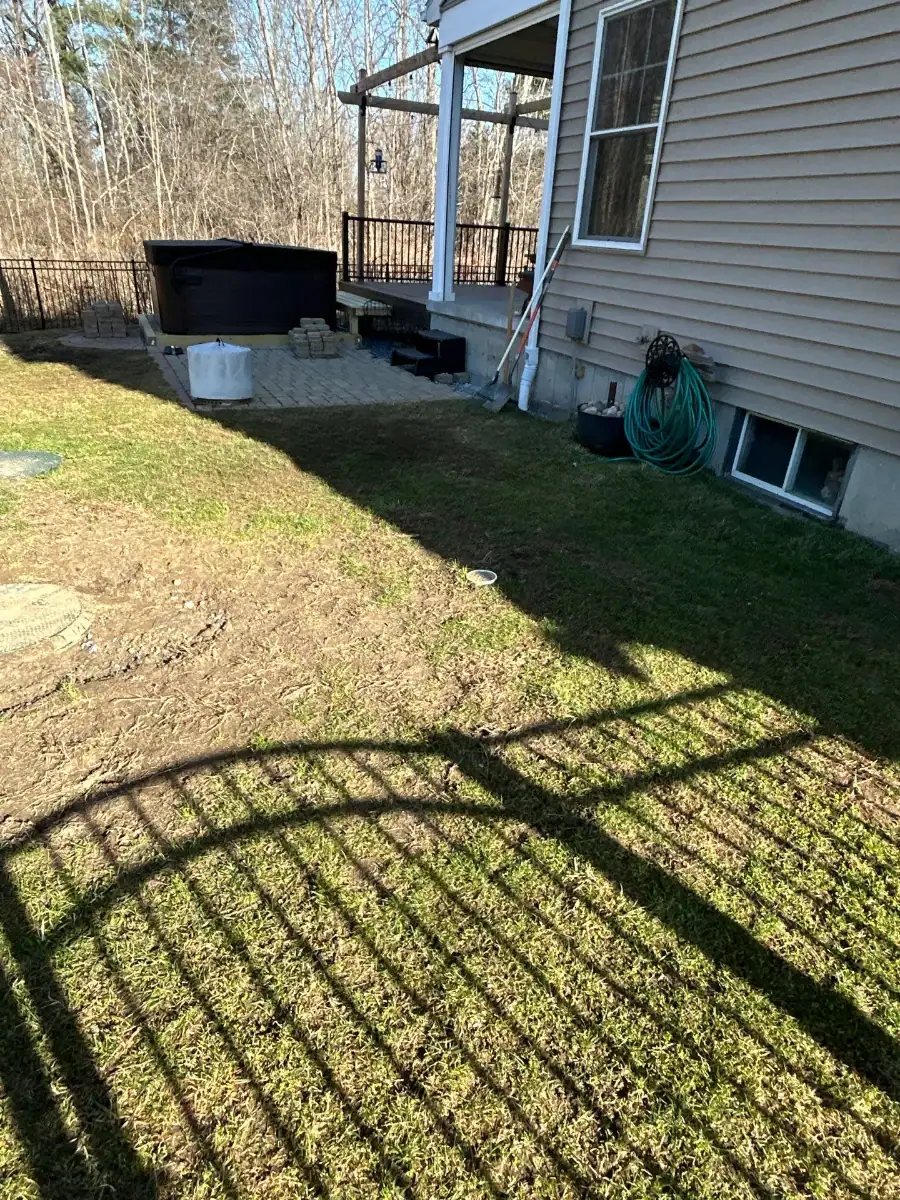
There’s a version of lawn care that most homeowners don’t realize they’re missing until they see a neighbor’s property and wonder what they’re doing differently. The answer is usually consistent, comprehensive maintenance — not just mowing on a schedule.
Edging is one of the first things that separates a professional residential lawn service from a mow-and-go crew. Clean edges along driveways, sidewalks, and garden bed borders make the entire property look intentional and well-kept. It’s one of those details that’s easy to skip when a crew is trying to move fast — and easy to notice when it’s missing.
Mulch installation and bed maintenance fall into the same category. These aren’t luxury add-ons. They’re part of complete property care that reduces weed pressure, retains soil moisture, and keeps landscaped areas looking sharp through the growing season. For Warren County properties with wooded borders, pine needle and leaf accumulation makes bed maintenance especially important — the cleanup load here is heavier than in most downstate markets.
Seasonal treatments round out the picture. In the Adirondack foothills, the timing of pre-emergent weed control, aeration, and overseeding is everything. Miss the fall aeration window — which in Warren County runs roughly late September through mid-October before the first hard frost — and you’re waiting a full year to try again. That’s not a small consequence when you’re trying to build a thick, healthy lawn.
The underlying principle is that residential landscape maintenance services are cumulative. Every treatment builds on the last one. A lawn that gets properly aerated and overseeded in fall, fertilized in spring, and kept on a consistent mowing schedule through the season looks dramatically different after two or three years than a lawn that only gets mowed. That gap doesn’t close on its own — it widens.
Warren County isn’t a forgiving climate for lawns. The Adirondack foothills put you in USDA Hardiness Zone 4b to 5a, which means a growing season of roughly 150 to 165 frost-free days — significantly shorter than what you’d get downstate. Your last spring frost can stretch into mid-May at higher elevations, and the first fall frost arrives as early as late September in parts of the county. That leaves a narrow window to get everything done.
The soil profile adds another layer of complexity. Much of Warren County sits on clay-heavy, rocky ground — the kind that compacts easily, especially after a long winter and a wet spring. Compacted soil is one of the main reasons lawns thin out and weeds move in. Grass roots can’t penetrate, water pools instead of draining, and the turf gradually weakens. Core aeration breaks that cycle by pulling plugs from the soil and allowing air, water, and nutrients to reach the root zone. It’s not optional in this market. It’s how you keep a lawn functional.
Properties in the Queensbury area, where new residential development has been active, often deal with an additional challenge: construction-compacted soil from the site prep phase. If your lawn was established after a new build, the ground beneath it may be severely compacted from equipment traffic — which means it needs more aggressive aeration and overseeding than an older established lawn would require.
For homeowners near Lake George or in more rural communities like Warrensburg and Bolton Landing, there’s also the matter of sloped terrain and wooded borders. Slopes complicate mowing and create drainage challenges that affect turf health. Wooded borders mean heavier spring and fall debris loads — leaves, pine needles, branches — that go well beyond what a standard mowing service handles. A green lawn service that actually works in Warren County has to account for these conditions, not just apply a generic program designed for a flat suburban lot in a milder climate.
We’ve been working land across Saratoga, Warren, and Washington Counties since 1997 — first in logging, then in excavation and site prep. That history means we understand what the ground here actually looks like, how it drains, and what it takes to establish and maintain healthy turf in this specific region. That’s not something you learn from a franchise manual.
Want live answers?
Connect with a Emerson Excavating and Trucking expert for fast, friendly support.
Not every property needs the same schedule. A full-time resident in Glens Falls with a half-acre lot has different needs than a vacation homeowner on Lake George who’s only there on weekends. What matters is finding a maintenance rhythm that keeps the lawn healthy without overservicing it — or leaving it unattended long enough for problems to compound.
Weekly mowing makes sense during peak growing season when rainfall is consistent and the grass is actively pushing. Bi-weekly service works well in drier stretches or for properties where growth slows mid-summer. The key is flexibility — a good lawn care maintenance schedule adjusts to the season and the property, not the other way around.
What never changes, regardless of mowing frequency, is the importance of the seasonal treatments. Spring cleanup, pre-emergent application, and the first fertilization set the tone for the entire growing season. Fall aeration, overseeding, and the final fertilization determine how the lawn comes back the following spring. Those windows are fixed by the calendar and the climate, not by convenience.

A realistic lawn care maintenance schedule for a Warren County property starts in late April or early May, depending on how the spring breaks. Green-up happens later here than in most of New York — some years, the ground is still frozen in spots well into late April, especially on north-facing slopes or properties at higher elevation. Rushing the first mow before the turf is ready does more harm than good.
Once the season gets going, mowing visits typically run from May through October, with frequency adjusted based on rainfall and growth rate. Most residential properties fall into a weekly or bi-weekly rhythm through June, July, and August. September is when the work that actually matters most happens: core aeration and overseeding should be timed to the cooler temperatures and increased moisture of early fall, giving new seed the best possible conditions to germinate before the first frost.
Leaf cleanup is a bigger deal here than in many other markets. Warren County properties — especially those with wooded borders or mature trees — can accumulate a significant layer of leaves and pine needles through October. Leaving that debris on the lawn through the winter smothers the turf and creates ideal conditions for disease and bare patches come spring. It’s one of the most common reasons lawns look rough in May, even if they were mowed consistently all summer.
For vacation property owners around Lake George, schedule consistency is even more critical. When you’re not there to notice that the grass is getting long or that a bed is overgrown, you’re relying entirely on your lawn care team to stay on top of it without being prompted. That requires a level of accountability that not every provider offers — and it’s one of the reasons we focus on building long-term relationships with our clients rather than just filling a schedule.
One of the most common complaints about lawn care companies — and it comes up constantly — is that you get a different crew every visit. Nobody knows the soft spot near the garden bed. Nobody remembers that the sprinkler head by the fence gets clipped if you’re not careful. You end up re-explaining the same things every few weeks, and the quality is inconsistent because the people doing the work have no continuity with your property.
That’s a structural problem with companies that prioritize volume over relationships. When a business is running dozens of crews across a wide territory, individual properties become line items on a route sheet. The work gets done, but nobody’s paying close attention.
We run things differently. Josh is on almost every job — not just available by phone, but physically present. That means there’s a real person accountable for the quality of what gets done on your property, and that person has been working land in this region since 1997. When something looks off, it gets addressed. When a lawn isn’t responding the way it should, there’s someone with the experience to recognize it and adjust.
The family business structure matters here in a way that’s easy to underestimate. When your name is on the truck and you live in the same community as your customers, the standard you hold yourself to is different. Josh’s son joined the business as a partner in 2022, which means this isn’t a company in transition — it’s a two-generation investment in doing this work well for the long term.
We’re not trying to win a single season’s mowing contract. The goal is to be your property’s lawn care team for years — to know your land, understand its quirks, and build something that actually looks better over time. That’s what a genuine green lawn service looks like in practice: not just showing up every week, but caring about what the lawn looks like in year three, not just year one.
The gap between basic mowing and complete residential lawn service is real, and it compounds every season. Mowing keeps things tidy. Full-service care builds a lawn that actually improves over time — through proper aeration, fertilization, weed control, and seasonal treatments timed to Warren County’s specific growing conditions.
If your lawn has been mowed consistently but still isn’t where you want it, the mowing isn’t the problem. It’s what’s not happening between visits.
Whether you’re a full-time homeowner in Queensbury, a seasonal property owner near Lake George, or someone who just finished a new build and wants to start the lawn off right — reach out to us directly. A quick conversation is usually all it takes to figure out where to start.
Article details:
Share:
Continue learning: