Choosing the wrong excavating contractor can cost you weeks and thousands of dollars. Here's how to get it right the first time in Saratoga, Warren, and Washington Counties.
Share:
Summary:
You’ve got a lot. Maybe a builder. Maybe a timeline that’s already tighter than you’d like. Now you need an excavating contractor, likely for the first time in your life, and you’re realizing fast that picking the wrong one could unravel everything downstream.
That isn’t an exaggeration. Site prep and excavation happen before the foundation, before the framing, and long before any visible work begins. If the grading is off, if drainage wasn’t planned correctly, or if the contractor disappears mid-job, every trade behind them pays for it. And so do you.
This guide will help you hire right the first time, specifically in Saratoga County, Warren County, and Washington County, where the terrain comes with its own set of rules.
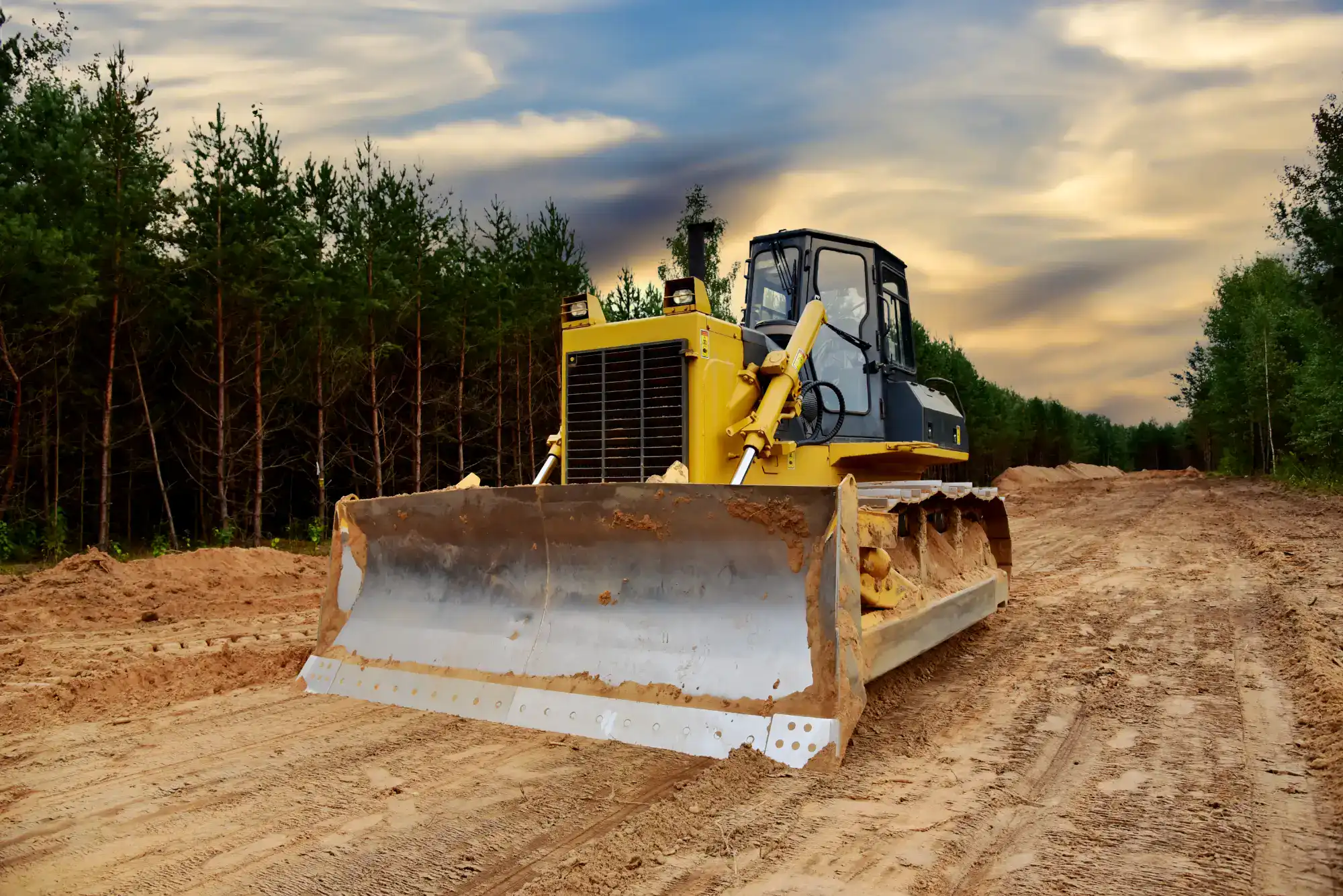
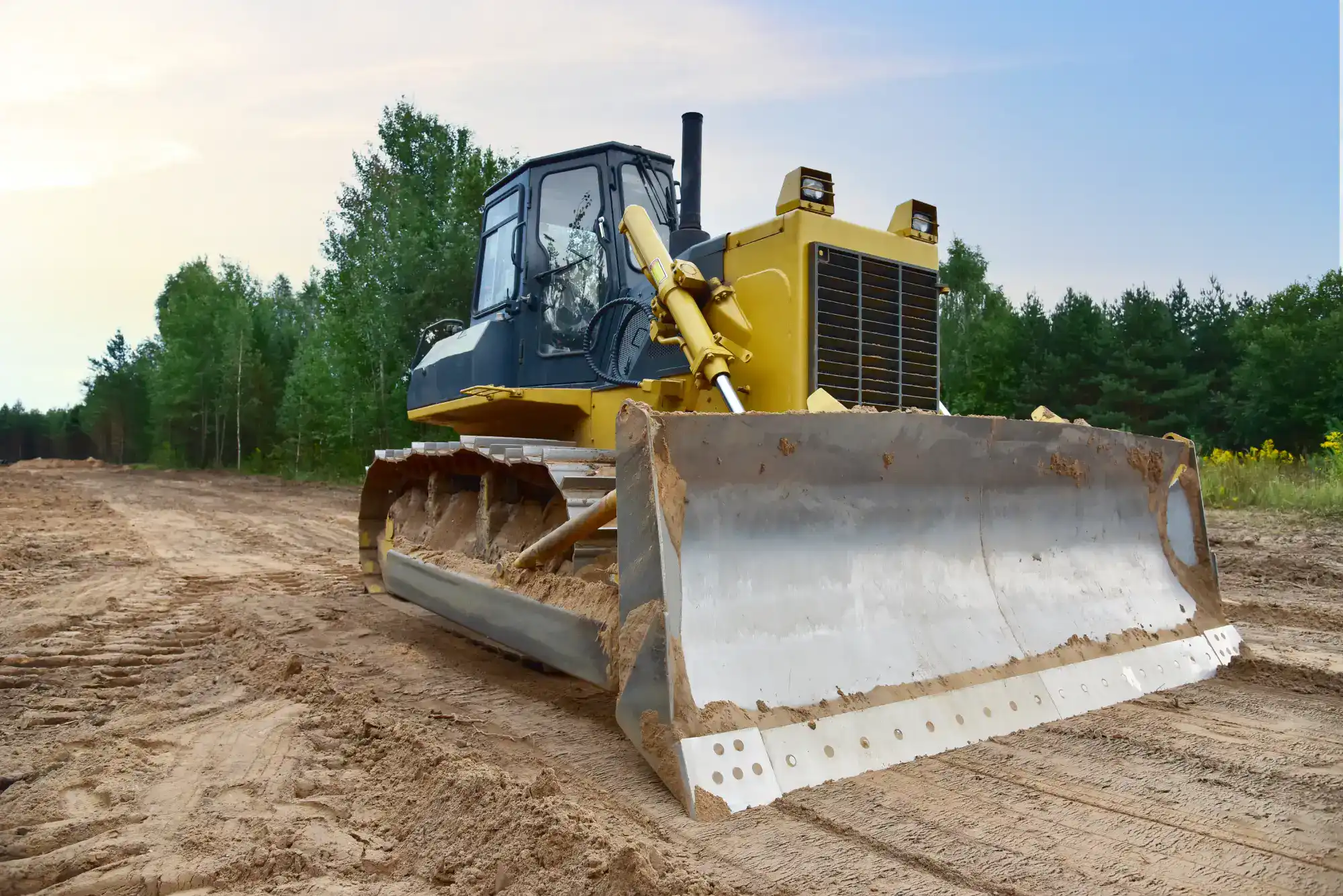
An excavating contractor handles the essential groundwork that makes everything else possible. That includes clearing the land, grading the site so water flows where it should, digging the foundation, installing septic systems, trenching for utilities, and getting the driveway and access road ready for heavy construction traffic.
It sounds simple enough until you’re standing on a wooded lot in Corinth or Ballston Spa and realize the soil is part clay, part glacial till, and sitting on a rock shelf three feet down that no one mentioned. That is when a contractor’s local experience either saves your budget or drains it.
The excavation phase acts as the invisible foundation of your entire build. Get it right, and every trade coming after you gets a clean, level surface to work from. Get it wrong, and you are looking at drainage problems, foundation issues, and expensive repair costs that surface years after the house is built.
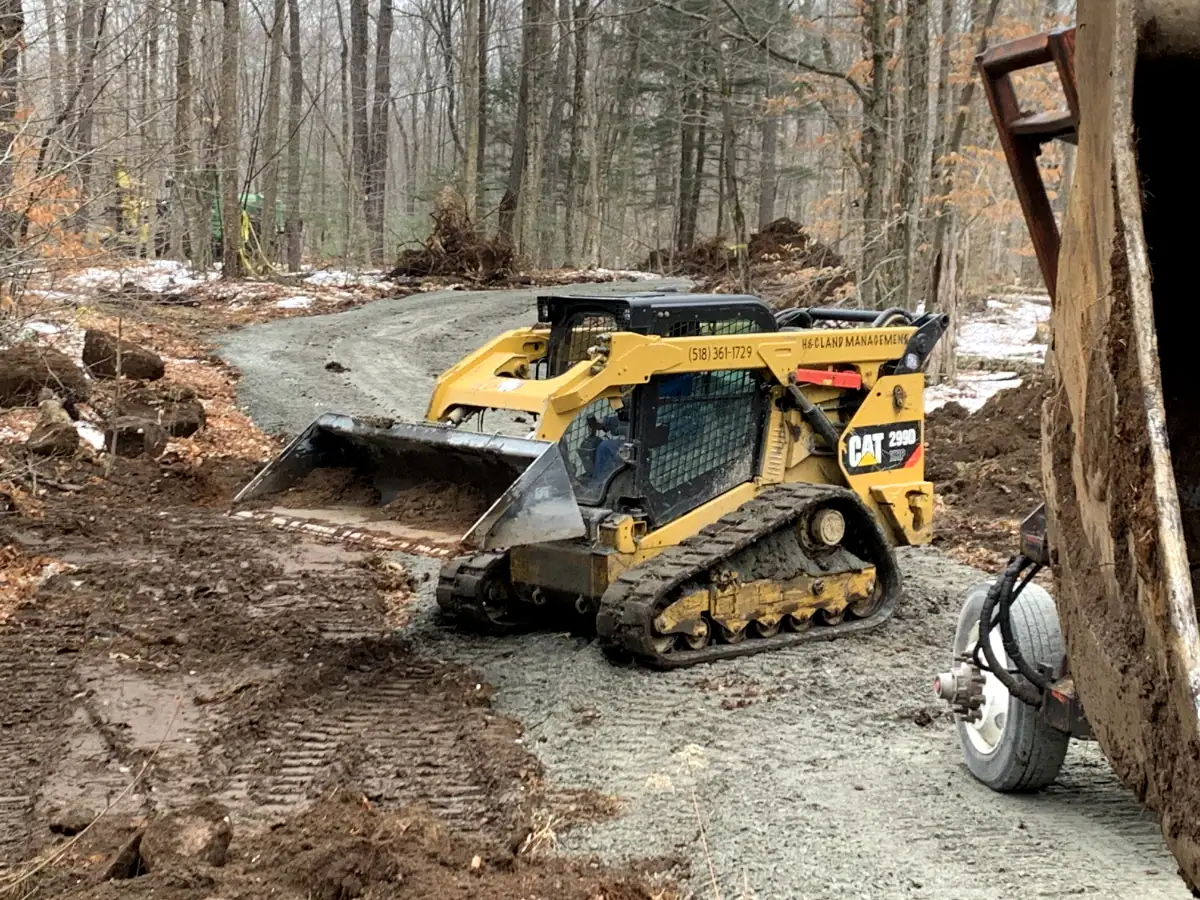
Site preparation for a new home typically starts with land clearing, which involves removing trees, brush, and stumps from the build area. In Saratoga, Warren, and Washington Counties, that often means clearing dense second-growth forest on lots that haven’t been touched in decades. A thorough clearing job protects incoming utility lines, removes root systems that could shift under a foundation, and leaves the land in a condition the grading crew can work with efficiently.
After clearing comes rough grading, which shapes the land to direct water safely away from where the foundation will sit. This step takes real technical skill. In the Adirondack foothills, spring runoff follows patterns that a local contractor learns over years of working the same ground. Get the grade wrong and you will fight water infiltration for as long as the house stands.
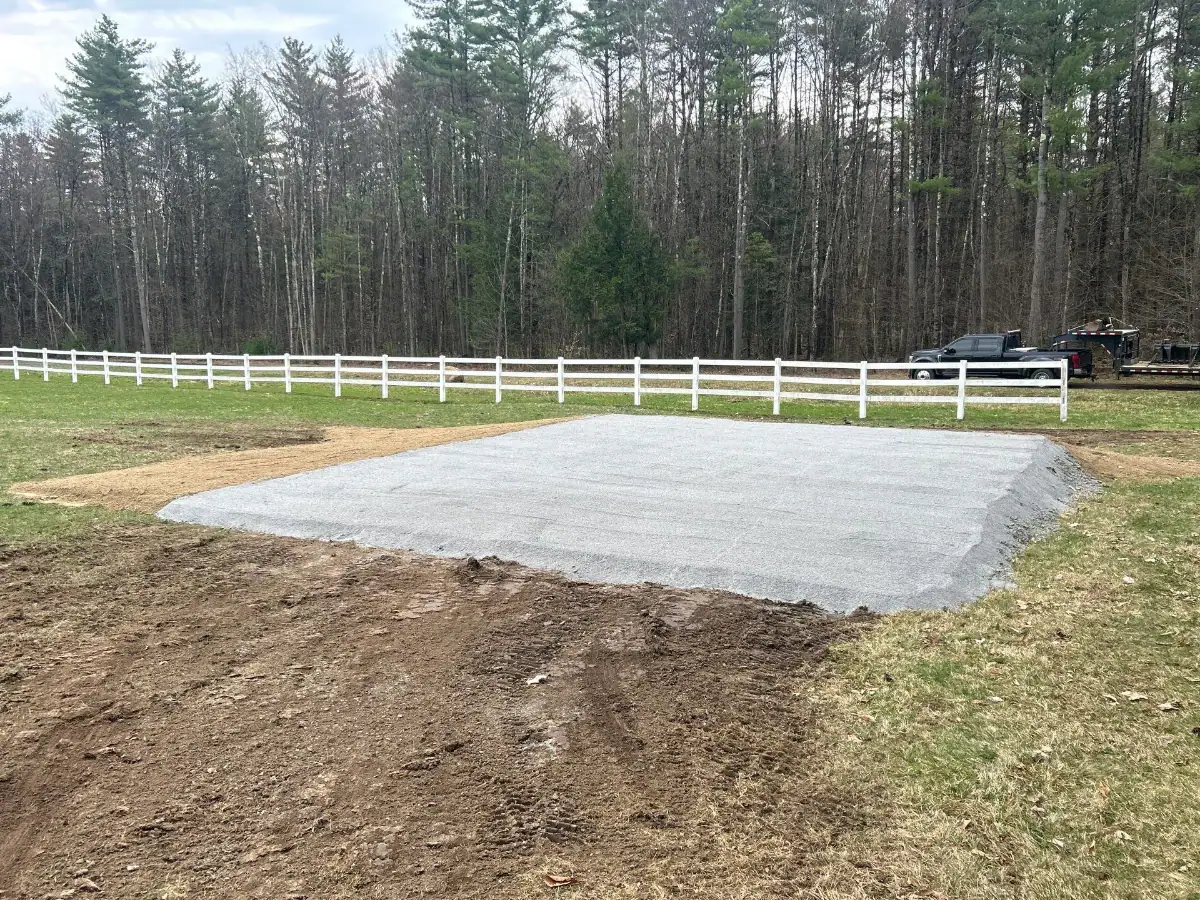
Then comes foundation excavation. This means digging to the depth required by the design, accounting for frost lines (which means going deep in upstate New York), and ensuring the walls of the excavation stay stable enough for the concrete crew to work safely. Septic installation, utility trenching, and driveway preparation follow in order, each timed carefully to avoid undoing work that’s already finished.
Sequencing is why all of this matters. A skilled excavating contractor understands that they aren’t working in isolation; they are setting the stage for every trade behind them. A delayed or poorly executed excavation creates a domino effect of problems, a reality that general contractors and builders in Saratoga County know all too well. When site prep goes sideways, the whole project calendar gets pushed back.
What separates a contractor who understands this dynamic from one who doesn’t comes down to experience on similar projects in this specific terrain. Someone who has cleared and graded lots in Greenfield, Lake George, and Greenwich, NY knows what to expect in ways a contractor from outside the region simply cannot.
This is the detail most buyers don’t think about until something goes wrong. Saratoga, Warren, and Washington Counties sit in the Adirondack foothills, and that geography creates soil conditions that vary dramatically from lot to lot, sometimes even within the same property line.
Rocky ledge is one of the most common surprises. Standard excavators cannot break through solid ledge; it requires hydraulic hammer attachments, and not every contractor carries them. If your contractor shows up without that equipment and hits a ledge three feet down, your project grinds to a halt while they figure out a backup plan. That delay costs real money, and in a tight construction season, it can cost you weeks.
Clay soil is another critical factor. Lower-elevation areas of Saratoga County have significant clay content, and clay does not drain the way sandy or loam soil does. Grading in clay requires a tailored approach, one that accounts for how slowly water moves through it and where it is likely to pool. A contractor who grades clay soil the same way they would grade a sandy lot is setting you up for a drainage headache that will show up during the first heavy rain after move-in day.
Spring runoff from the Adirondack foothills is predictable if you know the terrain, but completely unexpected if you don’t. The snowmelt patterns, natural drainage corridors, and low spots that fill before anything else are things a local contractor learns from years of working these hillsides and valleys. It isn’t knowledge you can pick up from a manual.
In Warren County specifically, the Adirondack Park boundary introduces strict guidelines on what can be built and where. Contractors unfamiliar with those restrictions can accidentally create compliance issues for property owners that take months to clear up. Washington County’s rural character means larger parcels with extensive clearing requirements and fewer available contractors, which makes finding someone who shows up on time and stays on schedule even more important.
The goal here isn’t to make the process sound intimidating. It’s to show that local knowledge isn’t just a nice bonus in this region. It is the single biggest difference between a project that runs smoothly and one that stalls.
Want live answers?
Connect with a Emerson Excavating and Trucking expert for fast, friendly support.
The excavation market has a well-known problem: contractors who take deposits, overpromise, and then underdeliver or vanish completely. It happens often enough that anyone doing basic research has heard the horror stories. The good news is that these operators tend to be easy to spot if you know what to look for upfront.
Here is what really matters when evaluating excavating contractors in Saratoga County and the surrounding area: not the generic advice found on typical review sites, but the specific factors that separate proven professionals from bad bets.
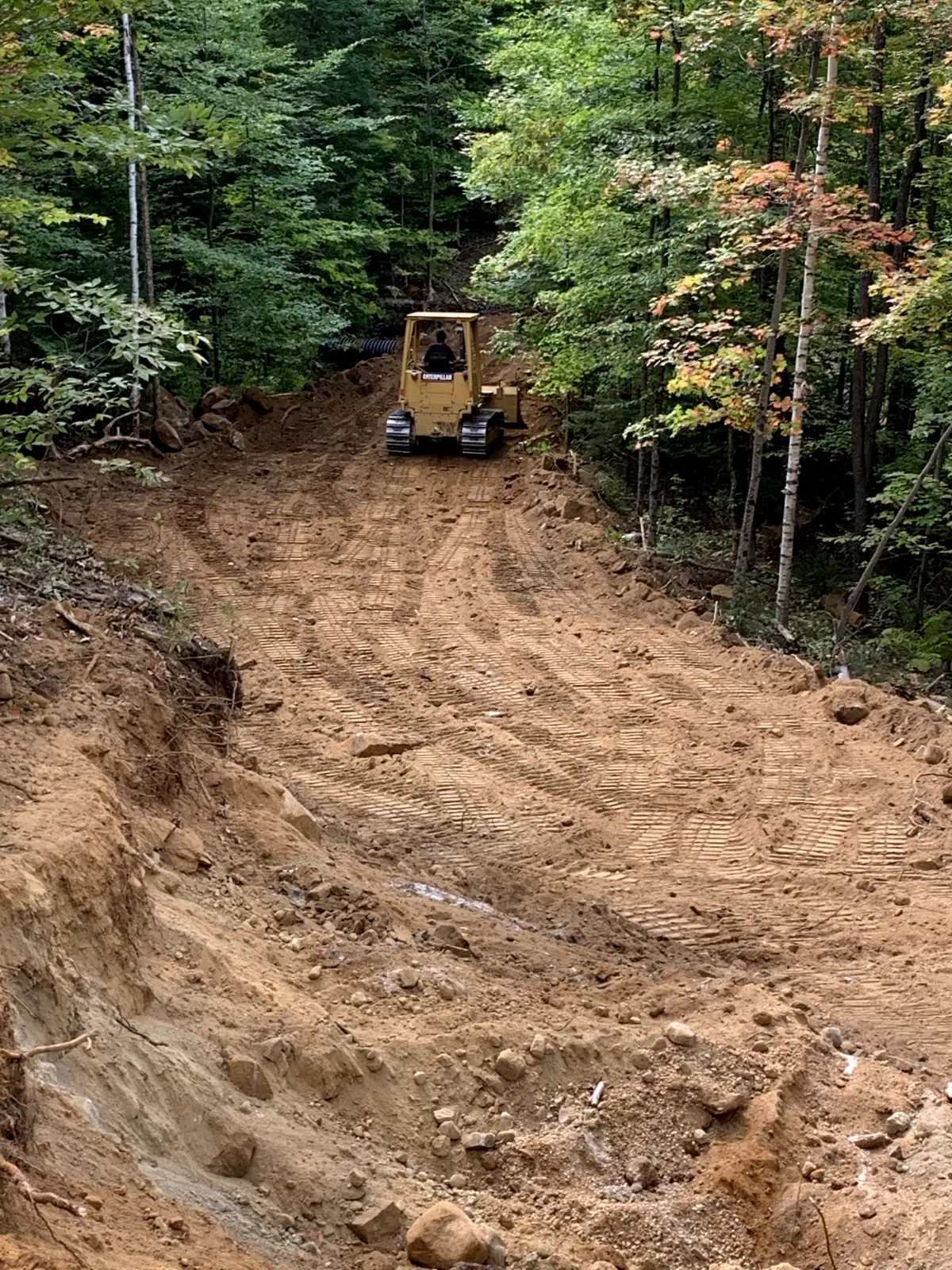
Start with insurance. Ask for a physical certificate of general liability insurance and workers’ compensation coverage, not just a verbal assurance. If a contractor hesitates or promises to send it over later, take that as a clear warning sign. If something goes wrong on your property and they lack proper coverage, the financial liability falls directly on you.
Ask if the owner will be on-site during the job. This detail matters more than most people realize. Many contractors in this market send crew members to the job site while the owner manages from an office or runs multiple sites at once. The overall quality of work usually follows whoever is paying the closest attention. When the owner is physically present, watching the grade, making real-time calls, and catching issues before they become expensive, the finished work is noticeably better. Ask the question directly and pay attention to how they answer.
Ask how they manage permit coordination. In New York State, any land disturbance of one acre or more triggers coverage requirements under the SPDES General Permit for Construction Activity. Most new home sites in Saratoga, Warren, and Washington Counties meet that threshold. A contractor who manages permit coordination and builds inspection timelines into the schedule offers far more value than one who leaves the paperwork to you. If a contractor doesn’t know what SPDES means, that tells you everything you need to know.
Ask for local references, specifically from clients who needed similar work on similar terrain in your county. A contractor who has completed five jobs on flat lots in Albany doesn’t bring the same experience as one who has graded rocky, sloped lots in Greenfield or cleared heavily wooded parcels near Lake George. Call those past clients and ask detailed questions about their experience.
Ask how they handle unexpected soil conditions. This question reveals whether a contractor gives you a direct answer or a vague runaround. Unexpected ledge, buried debris, or heavy clay can quickly shift the scope of a job. A trustworthy contractor will explain their process clearly, detailing how they communicate issues and how change orders are calculated. A contractor who says “don’t worry about it” is someone you should definitely worry about.
Finally, ask what is included in site cleanup. Some contractors quote the excavation work and leave your property looking like a war zone. Others include final grading, debris hauling, and a clean handoff to the next trade. Make sure you know exactly what is included before signing.
The lowest bid is almost never the best deal in excavation. Low estimates often reflect missing insurance, underpowered or poorly maintained equipment, or a crew stretched thin across too many sites. When something unexpected comes up, the lowest bidder is usually the least equipped to solve the problem without passing those costs back to you.
Slow communication during the initial consultation is a reliable indicator of slow communication during the actual job. If a contractor takes three days to return a call when trying to earn your business, imagine their response times after receiving your deposit. Responsiveness during the estimate phase tells you a lot about how a company operates day to day.
Be cautious of contractors who quote jobs without performing a physical site visit. A quality excavating contractor must see the land: the slope, soil conditions, tree density, access points, and proximity to utility lines before offering a meaningful estimate. A quote delivered over the phone based strictly on lot dimensions is either a lowball price to get you hooked or a complete guess that will jump once work begins.
Watch out for vague scope language in proposals. Phrases like “excavation as needed” or “grading per plan” without detailed specifics leave too much room for disputes later. A solid proposal clearly states what is included, what is excluded, how change orders work, and what the final cleanup involves. If a contractor hesitates to put specific terms in writing, move on. Pay close attention to how they talk about your project. A contractor who asks thoughtful questions about your timeline, your builder’s schedule, your drainage concerns, and your long-term goals for the lot is focused on your specific job. A contractor who jumps straight to price without asking details sees your project as just another transaction.
The excavation market in Saratoga, Warren, and Washington Counties is moving fast. Saratoga County was New York’s second fastest-growing county in 2022, and that growth translates directly into new residential builds and site prep work. More contractors are competing for these jobs, making a thorough evaluation process more important than ever.
Choosing the right excavating contractor comes down to a few core standards: verified local experience, an owner who works on-site, clear communication on costs, and the heavy machinery needed for tough terrain. In upstate New York, that last detail matters more than most buyers realize until they run into three feet of solid ledge under their topsoil.
We have been working this land since 1997, starting out in commercial logging. That background gives us nearly three decades of experience reading this specific terrain before an excavator ever steps foot on the lot. Josh is present on nearly every single job site, actively running the crew, checking grades, and making the tactical calls that keep your build moving forward smoothly.
If you’re building in Saratoga County, Warren County, or Washington County and want to talk through your site plans, reach out to Emerson Excavating and Trucking by phone or text. No sales pressure, just a straight conversation with local operators who know this ground inside and out.
Article details:
Share:
Continue learning: