GPS machine control isn't just a tech upgrade — it's the difference between a site that's done right and one that causes problems for years. Here's what it means for your project.
Share:
Summary:
If you’re building a new home in Saratoga County, Warren County, or Washington County — the excavation phase might be the most consequential part of the whole project. Get the grading wrong, and you’re looking at drainage problems, foundation water, or a failed septic inspection down the road. Get it right, and everything that follows goes smoother.
GPS machine control is one of the biggest shifts in how quality excavating contractors approach that accuracy today, and it’s worth understanding before you hire anyone. Here’s what it actually means — and why it matters for your specific piece of ground in this region.
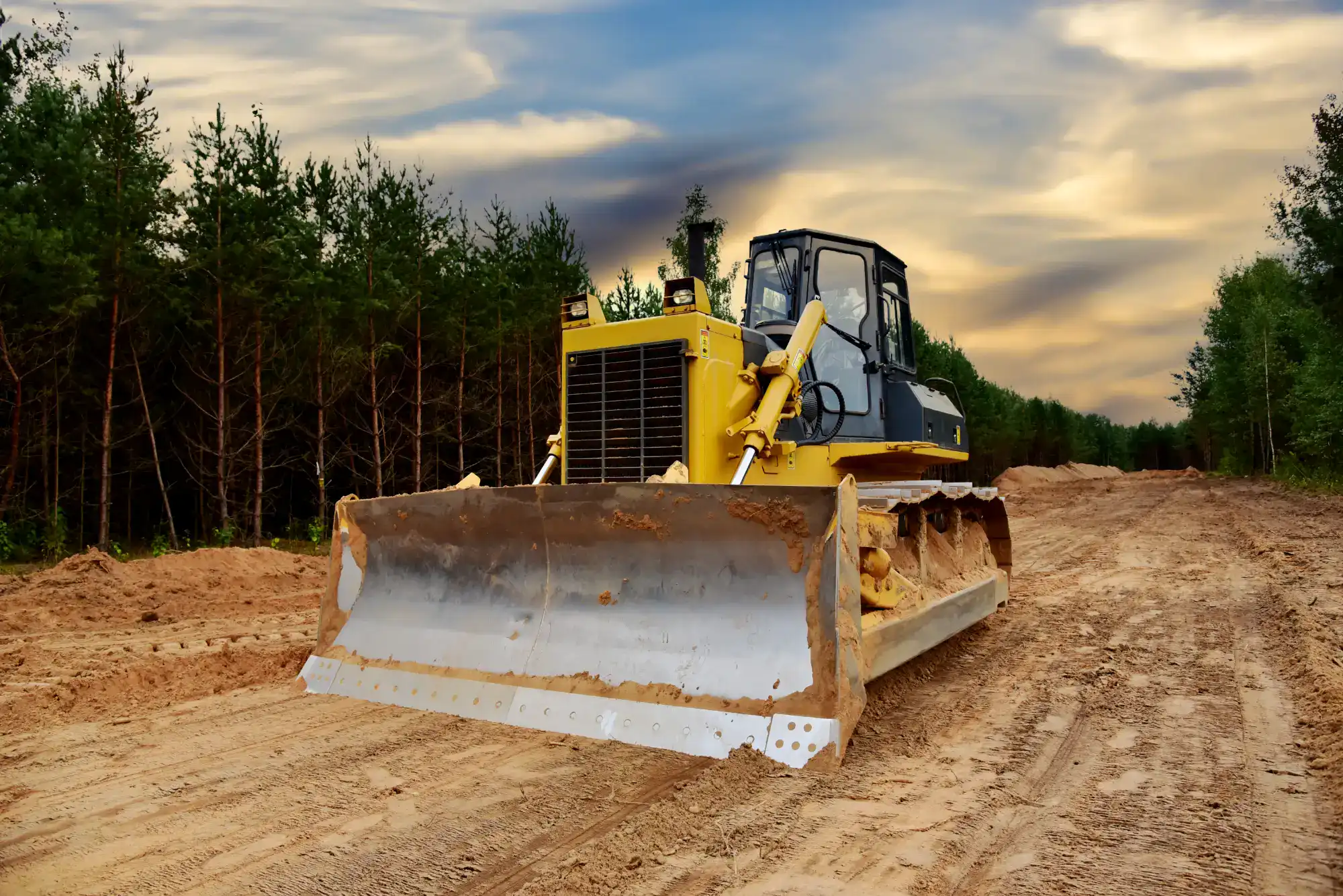
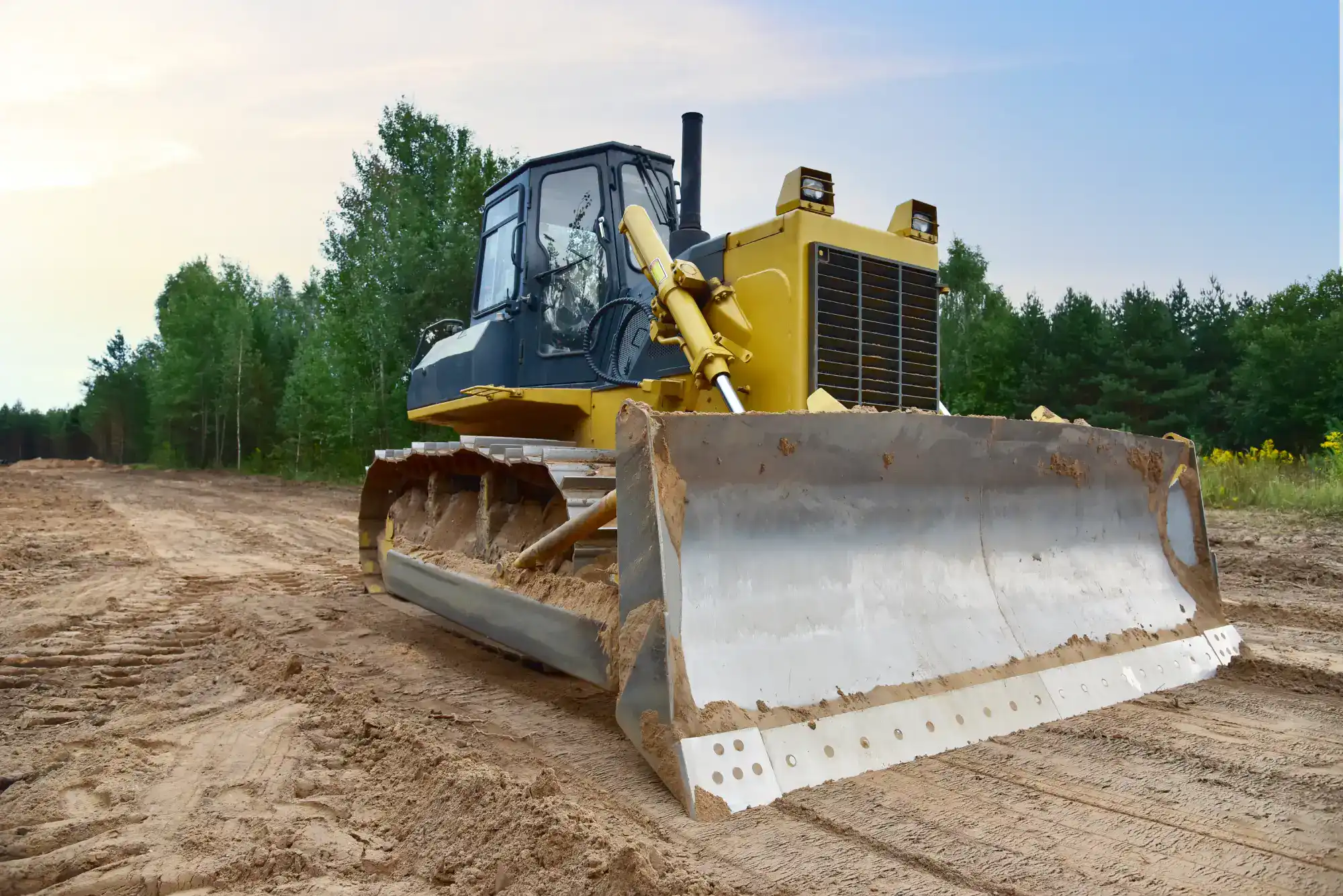
GPS machine control is a positioning system mounted directly on excavating equipment that gives the operator a real-time picture of exactly where the bucket is in relation to the design grade. Instead of relying entirely on stakes in the ground and a trained eye, the operator gets live feedback on depth and slope as they work — down to centimeter-level accuracy.
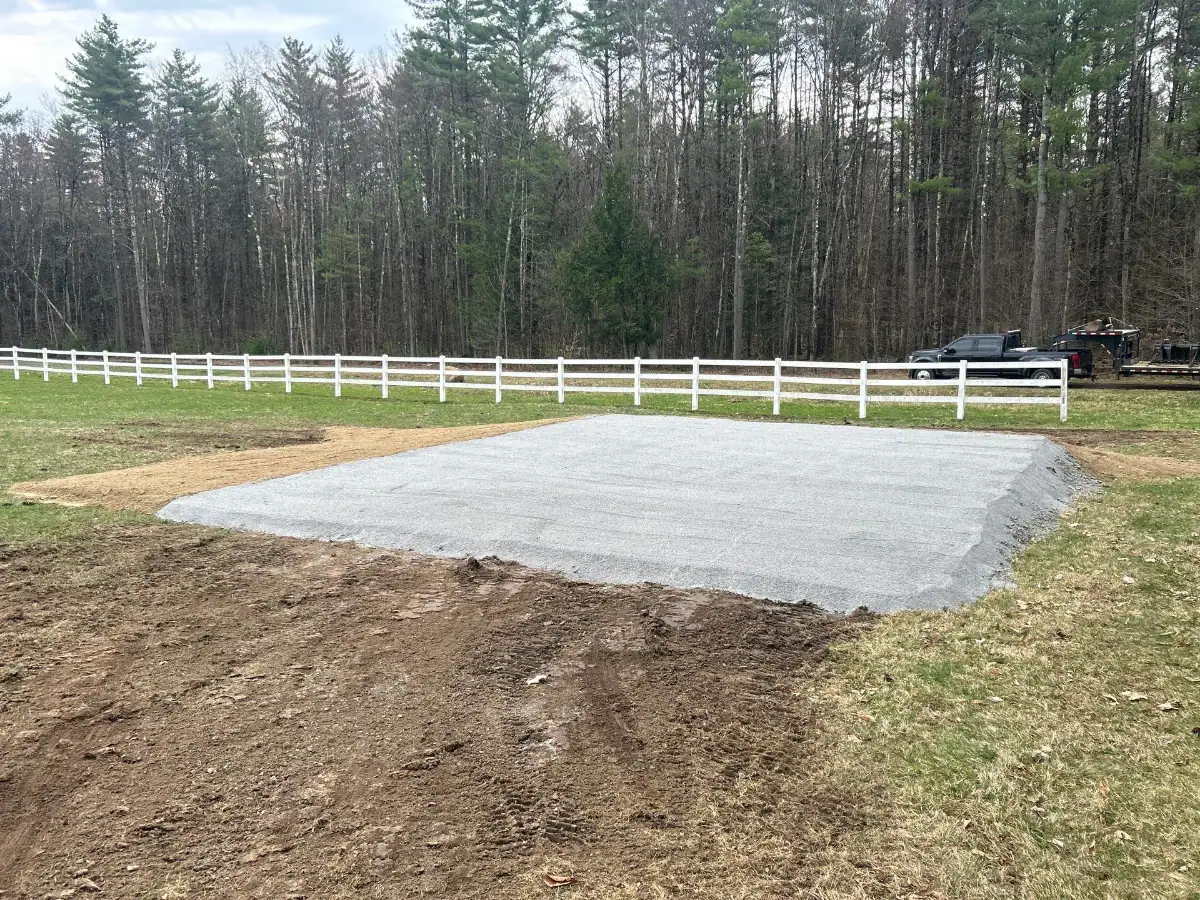
That level of precision matters because the margin for error in site prep is tighter than most people assume. Subdivision pads, drainage swales, and lot grading typically call for tolerances around plus or minus one-tenth of a foot. GPS-guided equipment can deliver three to four times better accuracy than that standard requires.
The practical result is a finished site that matches the design plan far more closely — and far more consistently — than traditional methods alone.
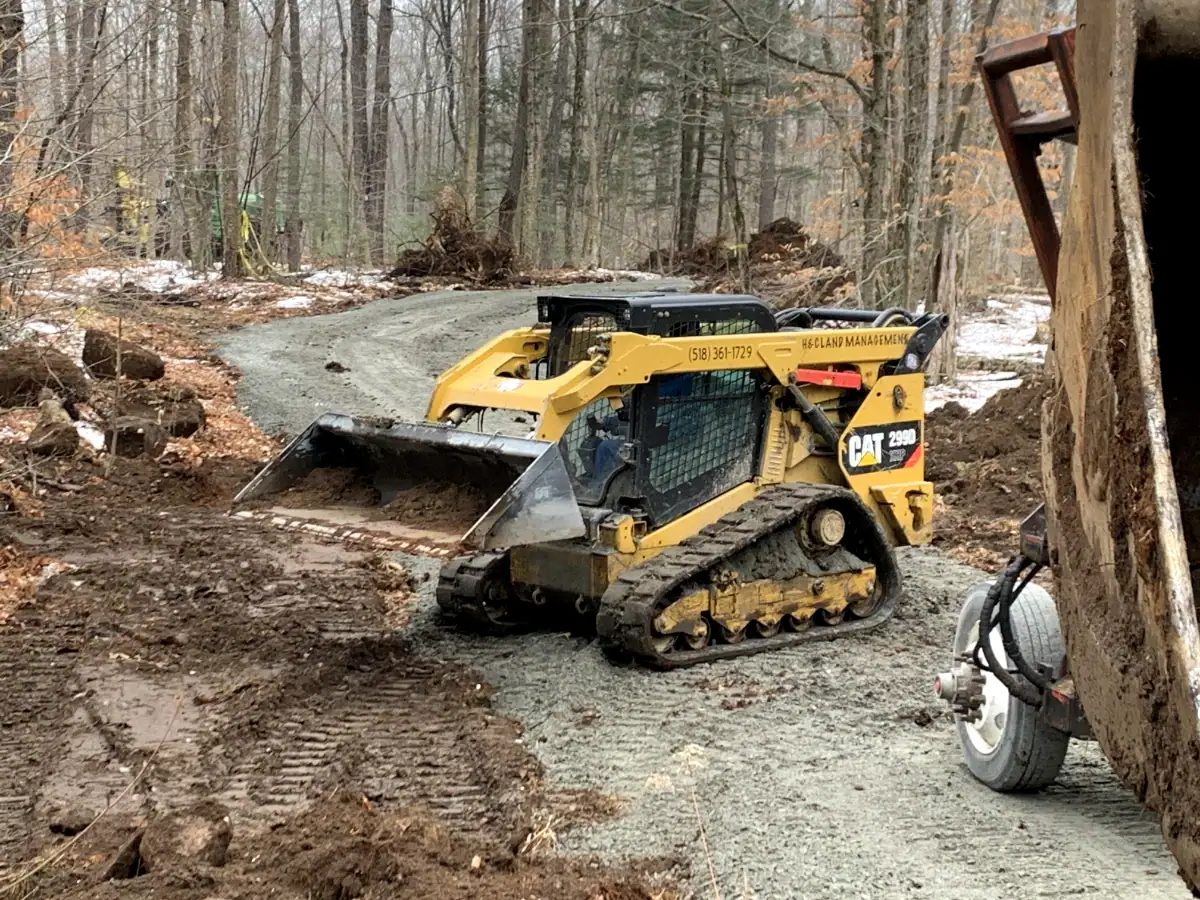
Before GPS machine control became widely used, hitting the correct grade on a site meant setting a grid of stakes, having a grade checker verify depth at multiple points throughout the day, and relying heavily on the operator’s experience to fill in the gaps between those checkpoints. It worked — but it left room for error, and errors in excavation tend to compound quickly once construction begins.
With GPS guidance, the equipment is essentially working from a digital version of the site plan the whole time. Satellites triangulate the machine’s exact position continuously, and that data is matched against the design model so the operator always knows how deep they are and whether they’re on the correct slope. There’s no waiting for a grade checker to come out and verify. There’s no guessing between stake locations. The feedback is constant.
One of the less obvious benefits is what this does for over-excavation. Every inch a machine digs below design grade is material that has to be brought back in, compacted, and paid for. On a residential site, that adds up fast — in labor, in fill material, and sometimes in structural risk if compaction isn’t done correctly. GPS guidance takes most of that guesswork off the table because the operator knows exactly when to stop.
For homeowners, the translation is straightforward: a GPS-guided contractor is less likely to make the kind of grading mistakes that cause water to pool against your foundation, send runoff toward your neighbor’s property, or result in a septic system that doesn’t drain the way it was designed to. The technology doesn’t replace a skilled operator — it makes a skilled operator more precise and more consistent across the entire site.
GPS machine control is valuable on any site, but it’s especially useful in places where the ground doesn’t cooperate predictably — and Saratoga County, Warren County, and Washington County are exactly that kind of terrain.
This region sits in the glacially deposited foothills of the Adirondacks. That means shallow bedrock in some spots, variable soil layers in others, pockets of clay that drain poorly, and rocky ledge that can show up at unexpected depths. Traditional stake-based grading assumes relatively consistent subsurface conditions between measurement points. When the ground is variable — and in this area, it often is — those assumptions can get you into trouble.
GPS guidance gives operators real-time data even when the ground beneath them is doing something unexpected. If you’re cutting through a section of rocky ledge near Glens Falls or grading a rural lot outside Cambridge, Greenwich, or anywhere across these three counties, the machine knows exactly where it is relative to design grade regardless of what the soil is doing. That continuity of information is what prevents the kind of mid-project surprises that push timelines out and drive up costs.
There’s also the drainage piece, which is particularly relevant in Washington County and the lower elevations along the Hudson River corridor. The clay-heavy soils in these areas hold water rather than letting it pass through. Proper grading on those sites isn’t just about aesthetics — it’s about making sure water moves away from structures the way the drainage plan requires. Getting that grade wrong by even a few inches in the wrong direction can mean a wet basement or a failing septic system years after the project is finished. GPS-guided grading reduces that risk significantly because the finished surface more closely matches what the engineer actually designed.
We’ve been working this terrain since 1997, starting as a logging operation in the Adirondack foothills before transitioning fully to excavation and grading work. That history matters here — reading land, understanding how water moves across a site, and knowing what’s likely to be under the surface in different parts of Saratoga, Warren, and Washington County isn’t something you pick up quickly. GPS guidance built on top of that kind of local knowledge is a different thing than GPS guidance operated by someone who’s never worked a rocky hillside or a clay-heavy lot near the river.
Want live answers?
Connect with a Emerson Excavating and Trucking expert for fast, friendly support.
The three-county region is growing as a market for new home construction — partly because buyers priced out of Saratoga County are finding more affordable land in Warren and Washington County, and partly because the area simply has a lot of beautiful, buildable ground. But it’s also an area where the supply of reliable, experienced excavating contractors hasn’t kept pace with demand.
That gap means homeowners are sometimes choosing between contractors who know the terrain well and contractors who are available. Those aren’t always the same thing. Knowing what to ask — and what to look for — before you sign anything is worth the time.
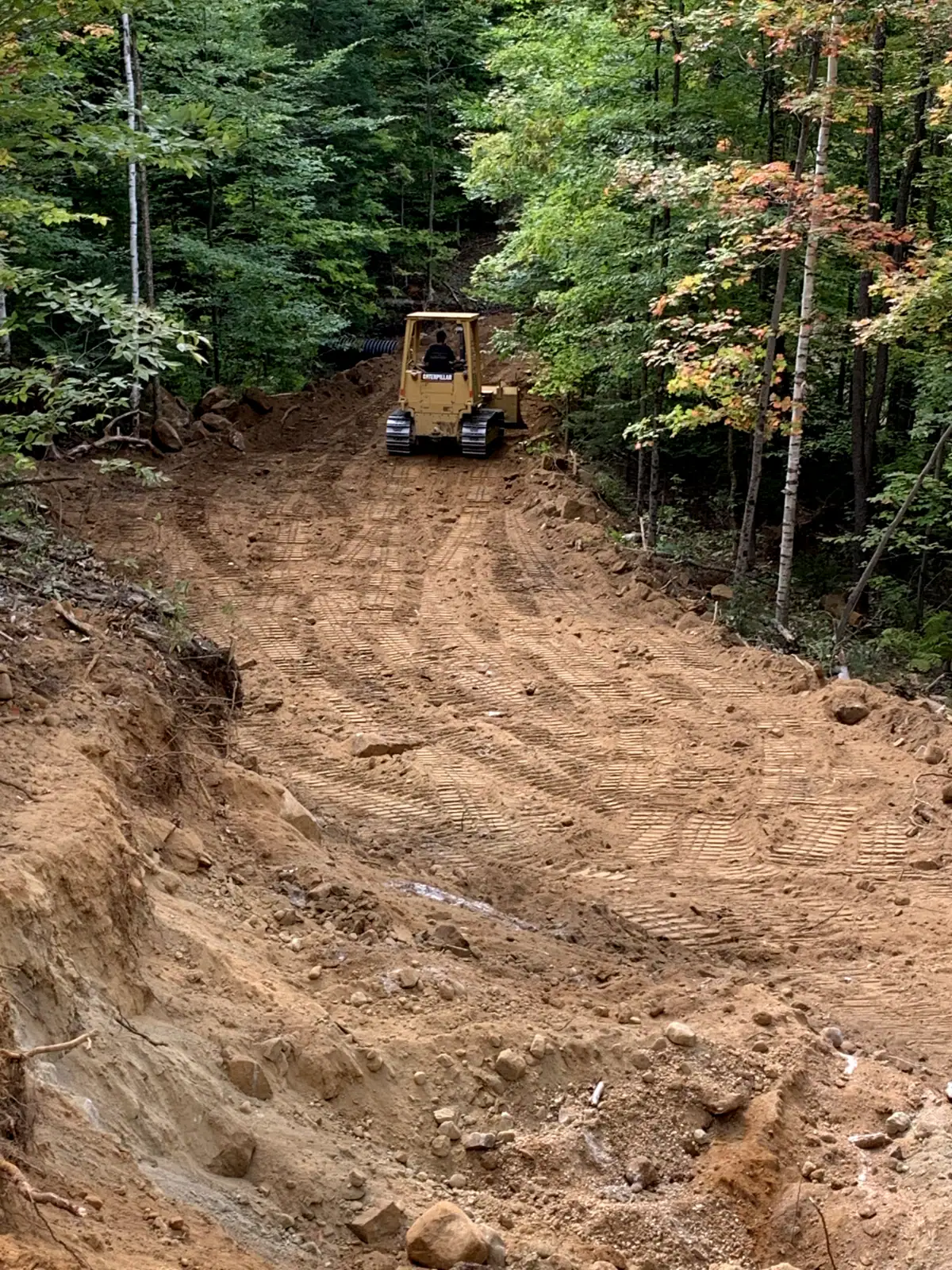
This question matters more than it might seem. A contractor who owns their machines controls their own schedule. They’re not waiting on a rental company to deliver equipment, and they’re not working around someone else’s availability window. When you’re building a new home and your framer, plumber, and builder are all waiting on the excavation to be finished, a contractor who can’t show up because their rental fell through creates a chain reaction that costs real money.
Equipment ownership also tends to signal something about how a contractor operates in general. Owning and maintaining a fleet of excavating equipment is a significant investment — it reflects a certain level of financial stability and long-term commitment to the trade. Contractors who rent tend to be more transactional. Contractors who own tend to be more invested in the outcome because their name and their equipment are both on the job.
At Emerson Excavating and Trucking, we own our equipment and handle excavation, grading, land clearing, trucking, and material delivery with our own crew. There are no subcontractors involved, which means no handoff gaps, no finger-pointing when something needs to be adjusted, and no delays waiting on a third party to show up. When we commit to a timeline, we control the variables that affect it.
For new home construction in Saratoga, Warren, and Washington County — where the effective building season runs roughly April through November — that kind of schedule reliability isn’t a nice-to-have. It’s a real project requirement.
Yes — and it’s a reasonable question even if you’ve never hired an excavating contractor before. You don’t need to understand the technical details to ask whether a contractor uses GPS machine control and what it means for the accuracy of your finished grade. A contractor who takes that question seriously and can explain the benefit in plain terms is a contractor who’s thought about quality at a level beyond just getting the job done.
The reason this matters for homeowners specifically is that the consequences of imprecise grading are almost always invisible at the time of construction and very visible — and expensive — later. A foundation that sits a few inches off the design grade might not look wrong when the concrete is poured. It might become apparent when water starts finding its way into the basement during the first heavy spring rain. A septic system that was installed with slightly incorrect slope might pass the initial inspection and fail within a few years.
GPS-guided excavation doesn’t guarantee a perfect project on its own. The technology is only as useful as the operator behind it. An experienced excavating contractor who knows the local terrain, understands how water moves across different soil types, and has spent years working the specific conditions of Saratoga, Warren, and Washington County will get more out of GPS guidance than someone using the same equipment without that foundation of knowledge.
We coordinate with Dig Safe New York on every project before breaking ground — that’s a legal requirement and a basic safety standard, but it’s also part of how we approach a job: methodically, with attention to what’s already on the site before we change anything about it. The same mindset applies to how we use grade control technology. It’s a tool that makes the work more accurate, not a shortcut that replaces the judgment calls that come with experience.
If you’re building in Cambridge, Salem, Fort Edward, Hudson Falls, or anywhere else across these three counties, those judgment calls matter. The terrain here rewards contractors who’ve paid attention to it.
GPS machine control has raised the bar for what accurate site prep looks like — and for homeowners building in Saratoga, Warren, or Washington County, that bar matters. The difference between a contractor who hits your grade to within a few centimeters and one who gets close is often the difference between a project that performs correctly for decades and one that starts showing problems a few years in.
What you’re really looking for is a contractor who combines the right technology with genuine local knowledge, owns their equipment, shows up when they say they will, and is accountable for the outcome. That combination is less common than it should be.
If you’re planning a new home build, site prep, land clearing, or grading work in this region and want to talk through what your project actually needs, reach out to Emerson Excavating and Trucking by call or text. We’re happy to take a look at what you’re working with and give you a straight answer.
Article details:
Share:
Continue learning: