What actually happens before a single board gets nailed? Construction site prep is more involved than most people expect — and skipping steps costs far more than doing them right.
Share:
Summary:
You’ve got the land. Maybe you’ve already picked out a floor plan. And now you’re starting to realize that getting from raw property to a foundation pour is a lot more involved than anyone told you. Construction site prep is where projects either get set up for success or quietly start going sideways. The decisions made in this phase — grading, drainage, compaction, permits — don’t show up as problems immediately. They show up six months after you move in, or three years later when water starts finding its way into places it shouldn’t be. Here’s what the process actually looks like, and what to watch for before you hire anyone.
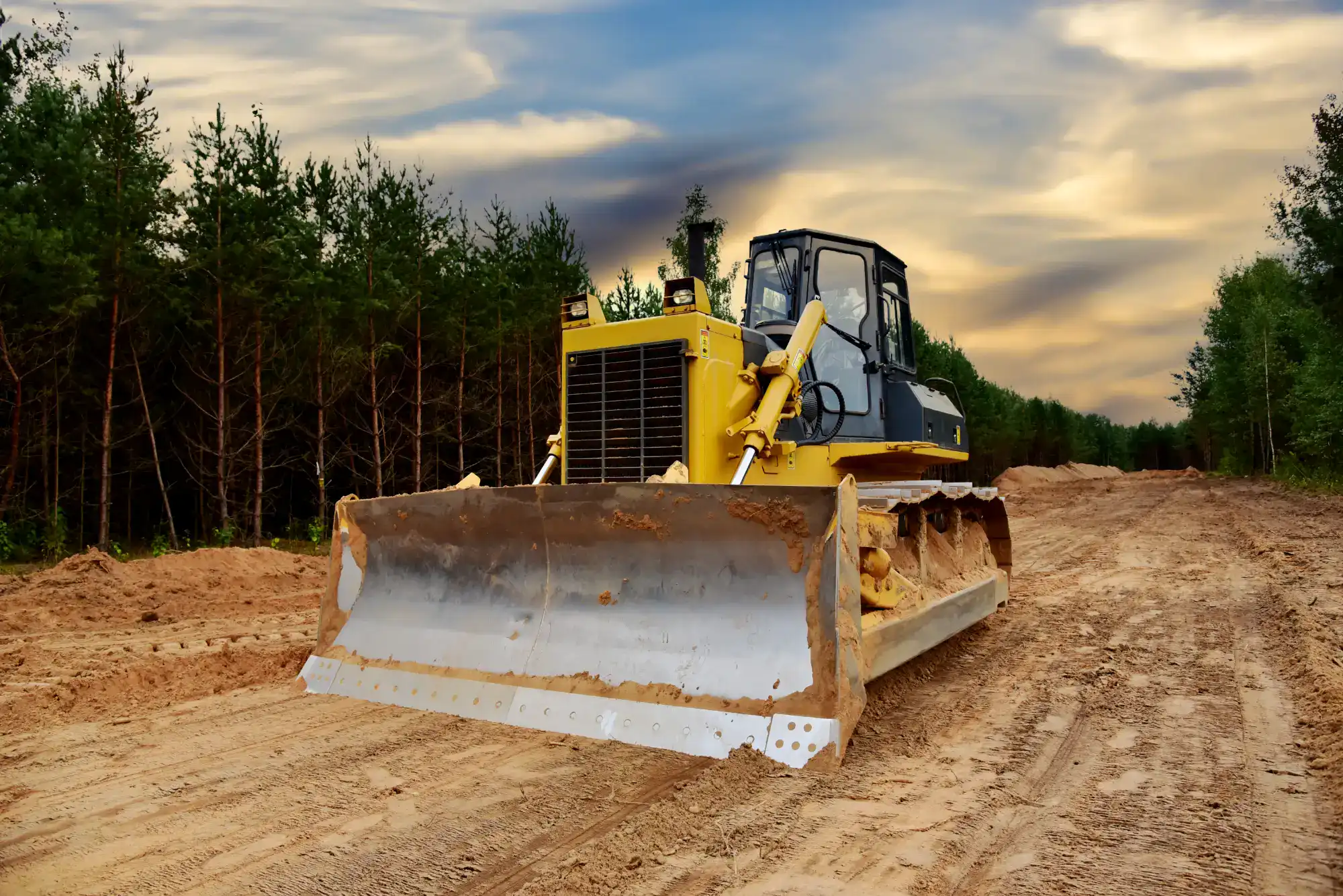
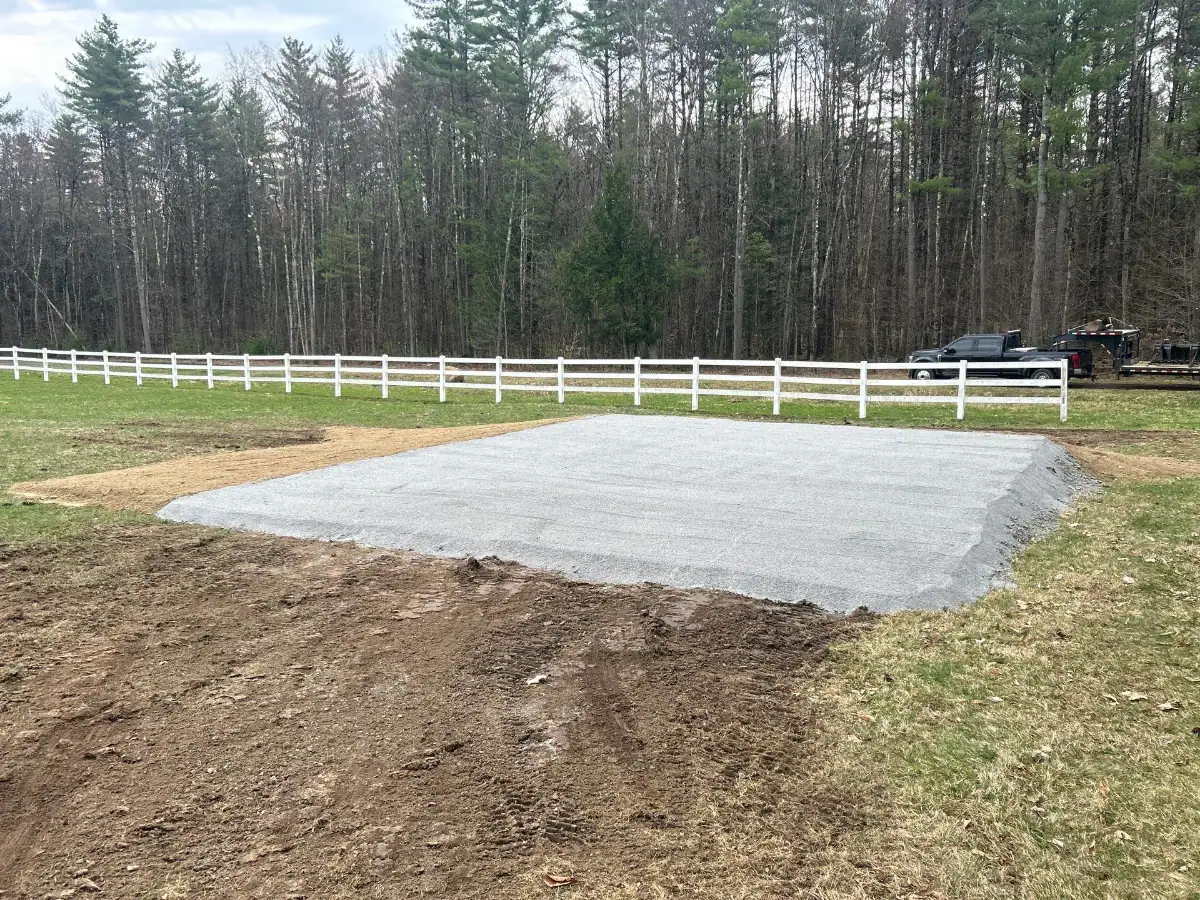
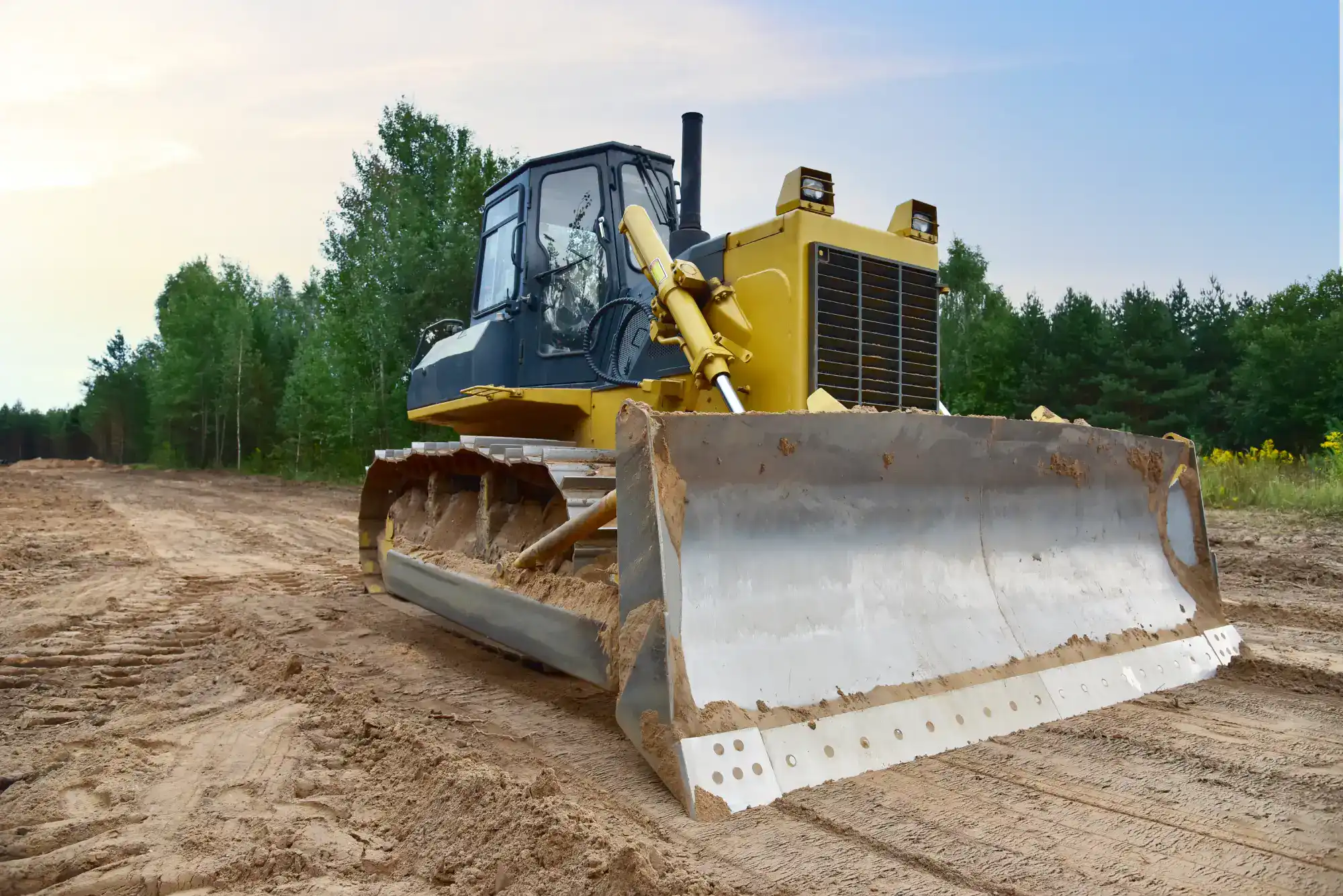
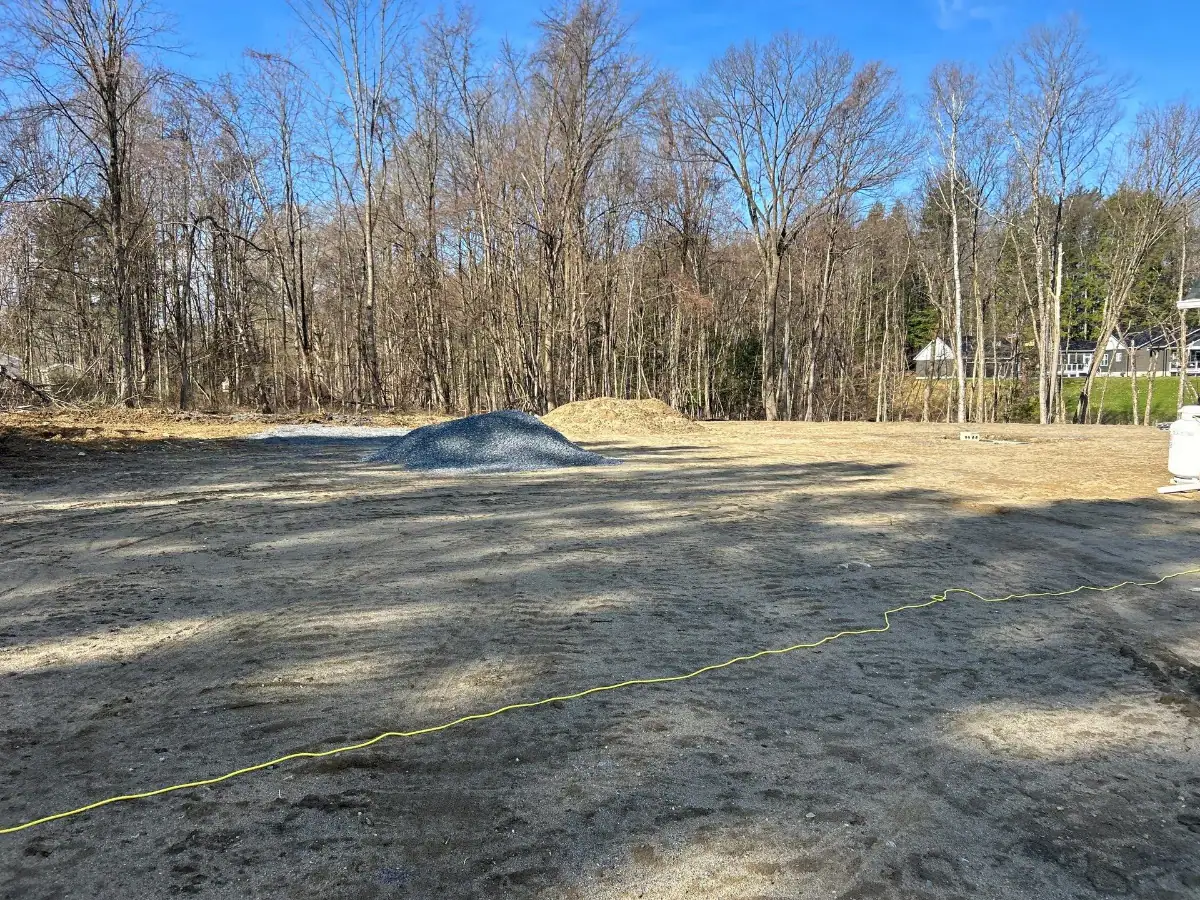
Site preparation is everything that happens before vertical construction begins. That includes clearing trees and brush, stripping and stockpiling topsoil, rough grading the land to establish proper elevation and drainage, excavating for the foundation, and finishing the grade once the foundation is in place. It also means coordinating with utility companies, pulling the right permits, and marking underground lines before any equipment touches the ground.
Most residential site prep takes between one and two months. That timeline surprises people who assume it’s a week of bulldozing. But when you account for permit review, utility coordination, and doing each step correctly so the next one works, a month or more is realistic — and that’s before a single framing crew shows up.
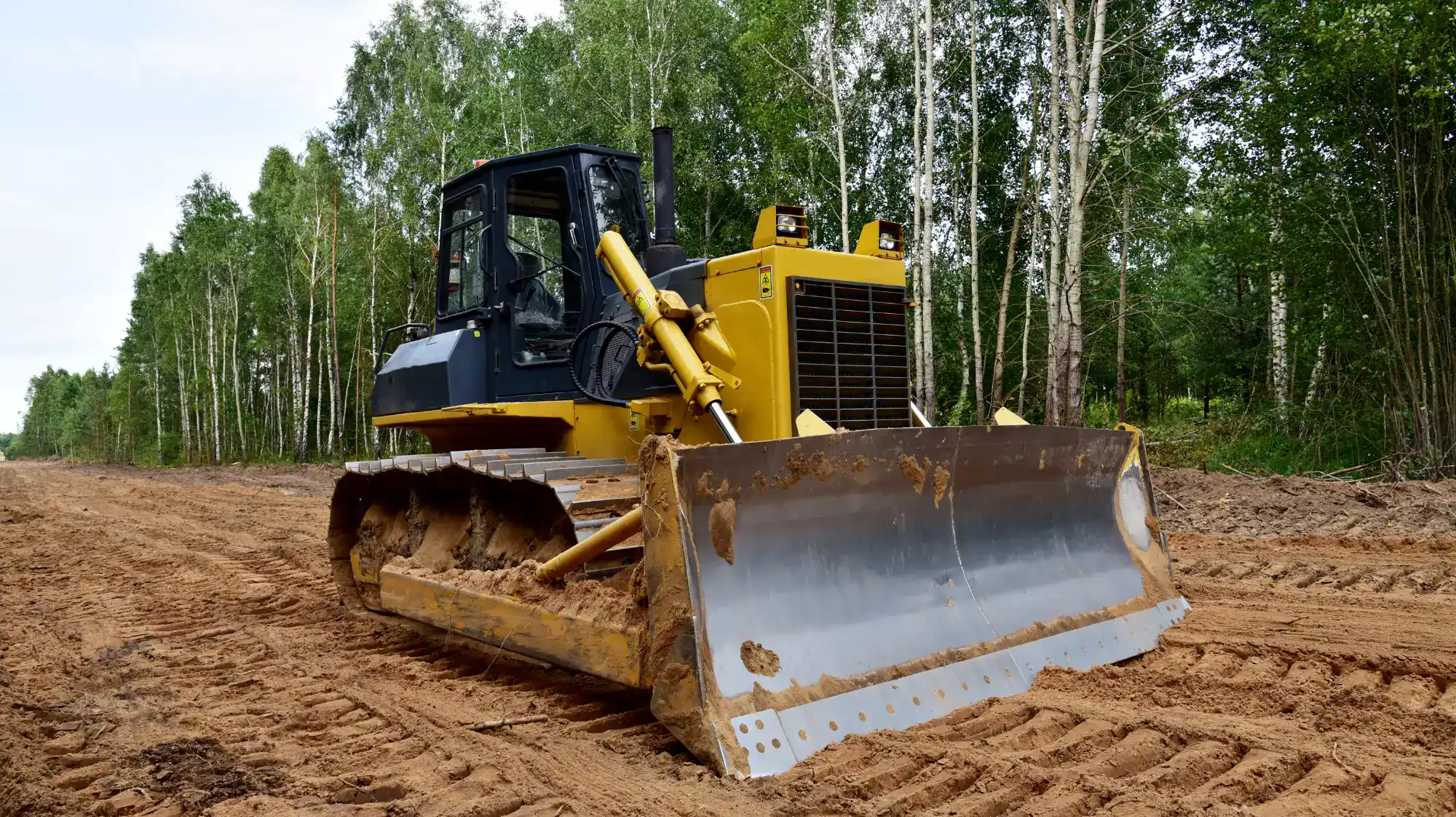
Drainage is the part of site prep that most homeowners don’t think about until it’s too late. The goal isn’t just to level the ground — it’s to shape the land so water moves away from your foundation, not toward it. That requires understanding where water naturally flows on your specific lot, how the soil will behave when it’s saturated, and what happens at the property line when you redirect runoff.
In Warren County, this isn’t a simple calculation. The lower elevations carry heavy clay soils that expand when wet and contract when dry. Over time, that movement stresses foundations in ways that aren’t visible until you’re dealing with cracks, shifting, or water intrusion. Higher elevation lots — out toward Thurman, Johnsburg, or Stony Creek — tend to run into rocky ledge close to the surface, which changes both the drainage approach and the excavation plan entirely.
Poor drainage is one of the most common and expensive post-construction problems in residential building. Fixing it after the fact — regrading, waterproofing, underpinning — can run anywhere from $50,000 to $200,000 depending on how far the problem has progressed. Getting the grade right during site prep isn’t an upgrade. It’s the baseline.
Properties near the Lake George watershed carry an additional layer of responsibility. Runoff that isn’t properly managed doesn’t just create a structural problem — it creates an environmental one. Stormwater compliance matters here, and a contractor who understands those requirements is worth a lot more than one who doesn’t.
No two lots in Warren County behave the same way underground. That’s not a generic disclaimer — it’s a practical reality that shapes how site prep gets planned and executed. The soil profile can shift dramatically within a few miles, and sometimes within a single property. What looks like flat, buildable land from the road can have a high water table, shallow bedrock, or unstable fill material just a few feet down.
Before any equipment moves, a thorough site assessment looks at what’s actually there: soil type, drainage patterns, access routes, proximity to wetlands or regulated land, and any existing utilities. That assessment changes the scope of work. If excavation hits groundwater before the foundation depth is reached, work stops — and emergency dewatering runs $3,000 to $15,000 or more, plus whatever delays come with it. Knowing the risk ahead of time doesn’t eliminate it, but it means you have a plan instead of a surprise.
Frost depth is another Warren County-specific factor that doesn’t get enough attention. Foundations in this region need to extend at least 48 inches below grade to sit below the frost line. If the foundation isn’t deep enough, frost heaving will move it — slowly, seasonally, and expensively. This is non-negotiable in the Adirondack region, and it affects how deep the excavation goes and how long that phase of the project takes.
For wooded lots — which describes a lot of the land being developed in Warren County’s rural towns — site prep also means building access before you can do anything else. Equipment has to reach the building site. That sometimes requires cutting a temporary or permanent access road, which is its own scope of work that needs to be factored into the timeline and budget from the start.
Want live answers?
Connect with a Emerson Excavating and Trucking expert for fast, friendly support.
One of the most common reasons a spring groundbreaking slides into late summer is the permit timeline — specifically, not accounting for it early enough. In Warren County, building permits are reviewed by the Warren County Fire Prevention and Building Code Enforcement Department, located in Lake George. Reviews are processed in the order they’re received, with a minimum two-week turnaround. For homes over 1,500 square feet, plans need to bear the seal of a licensed New York State engineer or architect before they’ll be accepted.
If you’re in Queensbury, the process is different — the town runs its own code enforcement, separate from the county office. And for properties within the Adirondack Park Blue Line, APA review may be required on top of the county permit, which adds another layer and potentially more time.
Earlier than you think. If you want to break ground in May, the planning conversation needs to happen in January or February at the latest. Permit applications take time to prepare, review periods add two weeks minimum, and a good contractor’s schedule fills up before spring arrives. Waiting until March to start the process almost guarantees you’re looking at a summer start — or later.
There’s also a practical advantage to getting site work moving in the colder months. Late fall and early winter are actually ideal for land clearing in Warren County. The ground is more stable, equipment has easier access to wooded lots, and there’s less risk of damaging surrounding vegetation. Homeowners who clear their lots in November or December are positioned to move straight into foundation work as soon as the ground thaws — while everyone who waited is still waiting on permits.
The compressed construction season in Warren County is real. The effective window for foundation work runs roughly May through October. Miss that window and you’re not just delayed a few weeks — you’re potentially losing an entire building season. That’s a year of carrying costs on land, a year of renting instead of owning, a year of watching your project sit still. The contractors who understand this urgency and help you plan around it are worth a lot more than the ones who just show up when called.
Calling 811 — New York’s Dig Safe line — is also a required step before any digging begins. It’s state law, and it’s not optional. Unmarked utility lines get hit when this step is skipped, and the consequences range from project delays to serious liability. Every job we do starts with that call, every time.
The contractor you hire for site prep sets the conditions that every other trade works within. If the grade is off, the foundation crew deals with it. If drainage wasn’t thought through, the framer inherits the problem. If the soil wasn’t properly compacted, the structure above it will eventually show you. This phase has downstream consequences that most homeowners don’t fully appreciate until something goes wrong.
A few things matter more than the hourly rate when you’re evaluating who to hire. First, do they actually know Warren County? Not just “we work in the area” — do they know the difference between building on clay in the lower elevations versus hitting ledge out toward Thurman? Do they understand when APA review applies and when it doesn’t? Have they pulled permits through the county office before, or are they figuring it out alongside you? Local knowledge in this market isn’t a soft selling point. It’s a practical requirement.
Second, ask who is actually going to be on your job site. A common frustration with larger contractors is that the person who sells the work and the person doing the work are two different people — sometimes two very different people. For a project this significant, you want the person making decisions on your site to have real experience and real accountability. That’s not always guaranteed, and it’s worth asking directly.
Third, look for transparency about what happens when something unexpected comes up — because in Warren County, it often does. Rocky ledge, high water tables, and soil variability are common enough that we have a plan for them. What you don’t want is a contractor who discovers a problem and changes the scope and cost without a conversation first. Clear communication before the invoice changes is a basic standard, not a bonus.
Insurance and licensing aren’t negotiable. Full general liability coverage and workers’ compensation protect you if something goes wrong on your property. Ask for documentation, not just assurances.
The biggest mistakes in construction site prep aren’t made on the job site — they’re made in the planning phase, when timelines are underestimated, the wrong contractor is selected, or the permit process is treated as an afterthought. By the time those decisions show up as problems, they’re expensive to fix and hard to reverse.
If you’re planning a new home build in Warren County, the time to start thinking about site prep is now — not when you’re ready to break ground. The permit process, the seasonal window, the contractor’s schedule — all of it moves faster than most people expect, and the homeowners who plan ahead are the ones who actually hit their target dates.
We’re Emerson Excavating and Trucking, based in Corinth and working across Warren County and the surrounding area. If you have questions about your lot, your timeline, or what site prep is actually going to involve for your specific project, give us a call or send a text. We’ll give you a straight answer.
Article details:
Share:
Continue learning: