Not sure whether you need excavating or grading for your Saratoga County construction project? Understanding the difference helps you plan better and avoid costly mistakes during site preparation.
Share:
Summary:
Excavating is the process of removing soil, rock, and other materials from your property to create space for construction. Think of it as the heavy lifting that happens first—digging out areas for your foundation, basement, utilities, septic system, or driveway.
This isn’t just moving dirt around. Excavation requires understanding what’s below the surface, from soil composition to hidden rock ledge. In Saratoga County, you might hit clay-heavy soil in one area and rocky terrain in another, and each requires different equipment and techniques.
The excavation phase establishes the basic shape and depth your project needs. Your foundation can’t go in until the hole is dug to the right depth. Your septic system needs trenches at specific grades. Your driveway requires a properly excavated base that won’t shift or settle over time.
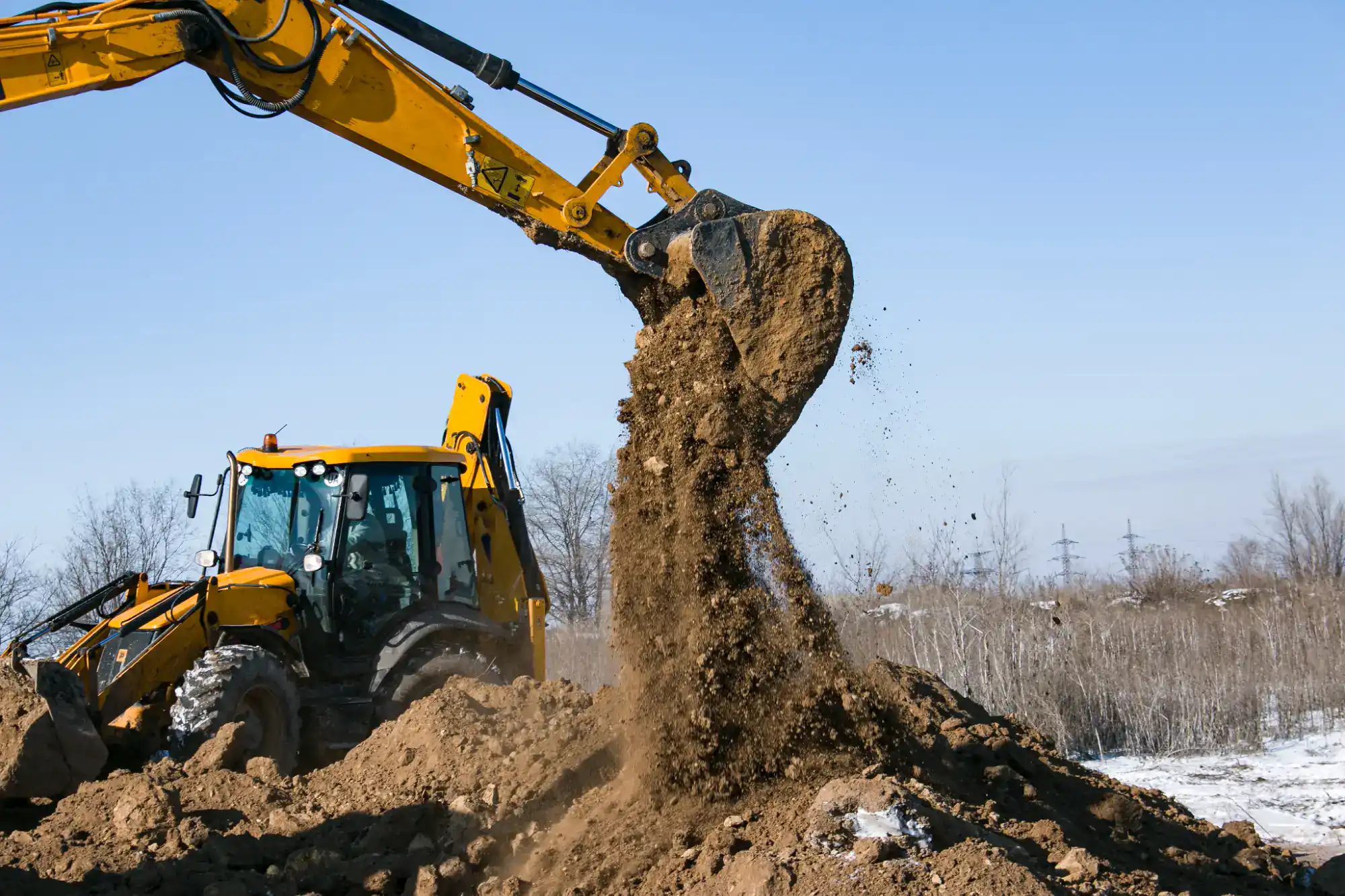
Excavation does more than create holes. It’s about strategically removing material to set up everything that comes next in your construction timeline.
For new home construction, excavation starts with clearing the building footprint and digging down to stable soil that can support your foundation. If you’re building a full basement, that means removing several feet of earth across the entire foundation area. For a crawl space or slab foundation, the excavation is shallower but still needs precision to hit the right depth and maintain level across the space.
Utility installation relies heavily on excavation. Water lines, sewer connections, electric service, and septic systems all require trenches dug to specific depths and grades. These aren’t arbitrary numbers—local codes dictate how deep utilities must be buried, and proper function depends on getting the slope right for drainage.
Saratoga County’s soil conditions add complexity to excavation work. Clay-heavy soils, common throughout much of the area, hold moisture and can become unstable when wet. They require careful handling and often need additional drainage considerations. Rocky areas demand different equipment—sometimes hydraulic hammers or even controlled blasting for solid ledge. Sandy soils drain well but need proper compaction techniques to prevent settling.
The excavation phase also reveals what you’re actually working with below the surface. Soil tests give you some information, but excavation shows you the reality. Unexpected rock, high water tables, or unsuitable soil all get discovered during excavation, when you can still adjust plans before concrete gets poured.
We understand these local conditions. We know how Saratoga County soil behaves, what equipment works best for different terrain, and how to handle surprises without derailing your timeline. We also coordinate with other contractors to ensure the excavated site meets everyone’s needs—foundation crews need precise dimensions, septic installers need proper slopes, and utility contractors need clear access.
Residential excavation covers a range of projects, each with its own requirements and challenges.
Foundation excavation is the most common. Whether you’re building a full basement, crawl space, or slab-on-grade foundation, excavation creates the space and establishes the depth. Basements require the most extensive excavation—typically digging 8 to 10 feet deep across the entire foundation footprint. The excavated area needs to extend beyond the foundation walls to provide working room for forming and waterproofing. Crawl spaces need less depth but still require precision to maintain proper clearance and drainage.
Septic system installation demands careful excavation for both the tank and the drain field. The tank sits in an excavated pit at a specific depth that allows proper connection to your home’s plumbing while maintaining the right grade for the drain field. The drain field itself requires shallow trenches at precise slopes to ensure proper distribution and drainage. Saratoga County’s soil conditions directly impact septic design—clay soils may require larger drain fields or alternative systems, while sandy soils typically handle standard systems well.
Driveway excavation prepares the base that prevents cracking, settling, and premature failure. This means removing topsoil and organic material that would compress over time, then excavating to the depth needed for your base layers. The excavated area needs proper width for the driveway plus shoulders, and the depth depends on your soil conditions and whether you’re installing gravel, asphalt, or concrete. Rocky soil may need less excavation, while soft or clay-heavy soil requires going deeper to reach stable ground.
Utility trenching connects your home to water, sewer, electric, and gas services. Each utility has specific depth requirements—water lines must sit below the frost line (typically 4 feet deep in this area) to prevent freezing, while sewer lines need consistent slope for proper drainage. Excavating these trenches requires precision because getting the depth or slope wrong means digging it up and starting over.
Pool excavation creates the hole for in-ground pools, hot tubs, or water features. This specialized excavation needs exact dimensions and depth, proper slope for drainage, and consideration for where the excavated soil will go. Pools also require excavation for plumbing and equipment pads.
The key to successful excavation is understanding that each project type has specific requirements that affect how the work gets done. Depth, width, slope, and soil handling all vary based on what you’re building and what your site conditions demand.
Want live answers?
Connect with a Emerson Excavating and Trucking expert for fast, friendly support.
Grading shapes and levels the ground surface to control water flow and create stable, usable space. While excavation removes material, grading redistributes soil to achieve specific slopes and elevations.
Think of grading as the precision work that happens after the heavy digging. It establishes the final ground level around your home, creates proper drainage away from your foundation, and prepares surfaces for driveways, landscaping, or additional construction.
Poor grading is one of the most common causes of foundation problems, basement flooding, and yard drainage issues. Water needs somewhere to go when it rains, and grading determines where that is. Get it wrong and water pools against your foundation, seeps into your basement, or turns your yard into a swamp after every storm.
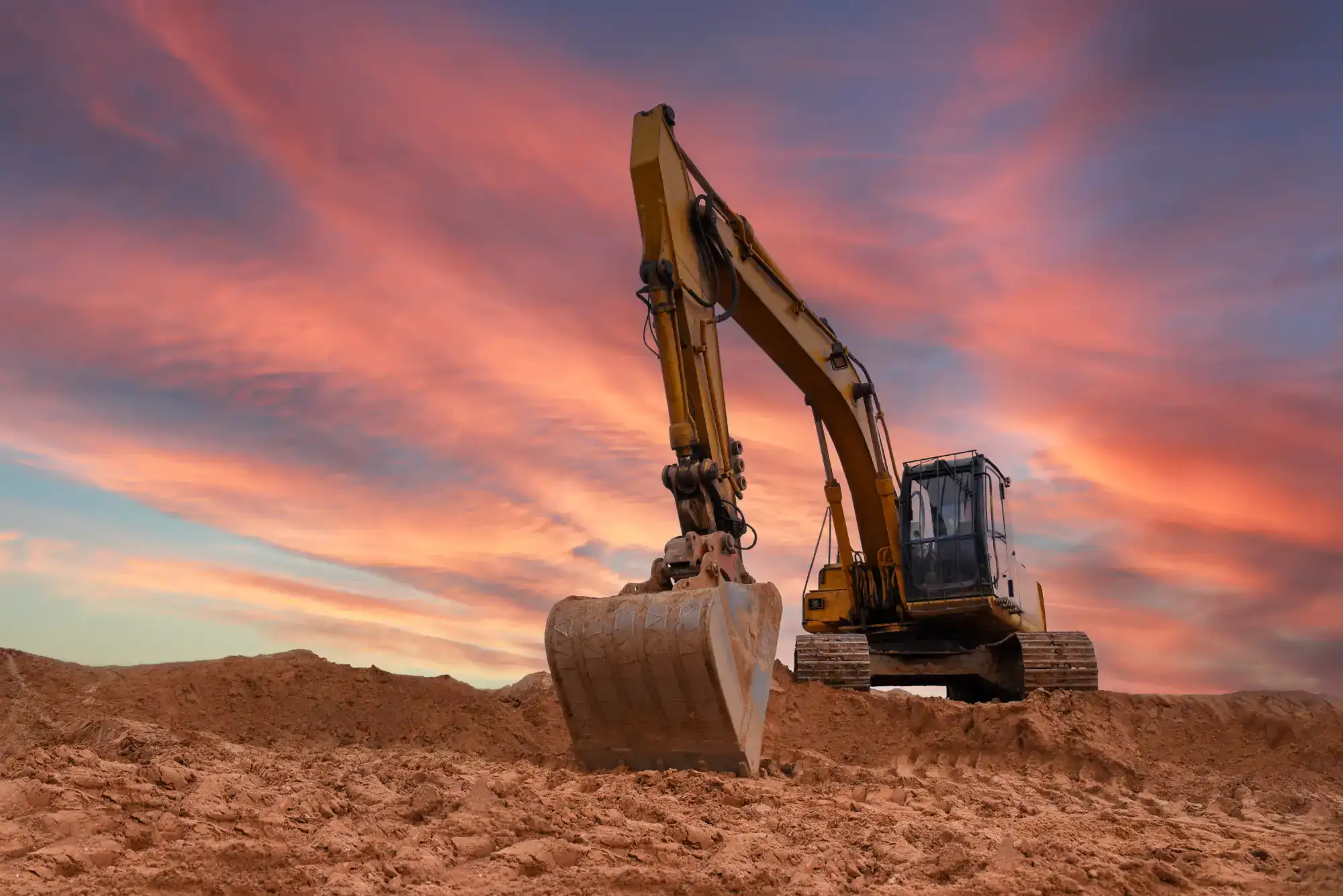
Grading directly impacts your property’s long-term stability and functionality. The slopes and elevations created during grading determine how water moves across your site, and that affects everything from your foundation to your landscaping.
Foundation protection starts with grading. Your home’s foundation needs to stay dry to remain stable and crack-free. Proper grading creates slopes that direct water away from the foundation in all directions. The standard is a minimum drop of 6 inches over the first 10 feet from your foundation—that’s roughly a 5% slope. This grade ensures rainwater and snowmelt flow away from your home instead of pooling against basement walls or seeping under slab foundations.
Saratoga County’s clay-heavy soils make proper grading even more critical. Clay holds moisture and expands when wet, creating pressure against foundation walls. It also contracts when dry, potentially causing settling and cracks. Proper grading helps manage moisture levels in the soil around your foundation, reducing these expansion and contraction cycles that cause damage over time.
Drainage patterns across your entire property depend on grading. Water naturally flows downhill, following the path of least resistance. Professional grading creates intentional paths that direct water toward appropriate drainage areas—typically toward the street, drainage swales, or designated collection areas. This prevents water from pooling in your yard, which kills grass, creates muddy areas, and can undermine structures.
Grading also prepares surfaces for what comes next in construction. Driveways need proper base grades to prevent settling and cracking. Patios and walkways require level surfaces with slight slopes for drainage. Landscaping areas benefit from grades that prevent erosion while ensuring plants get adequate water without standing in it.
The grading process typically happens in two phases. Rough grading establishes the basic elevations and major drainage patterns early in construction, moving larger amounts of material to create the overall site shape. This usually happens after excavation but before foundation work. Finish grading is the precision work that creates exact elevations for foundations, driveways, and final landscaping. It happens later in the construction process, often after major building work is complete but before final landscaping.
Both phases require understanding local soil conditions and how they’ll behave over time. Saratoga County’s variable soils—from clay to sand to rocky areas—each respond differently to grading and compaction. Clay needs careful moisture management during grading. Sandy soils require specific compaction techniques. Rocky areas may need different approaches to achieve proper grades.
Professional grading also considers seasonal water patterns common in this area. Spring runoff, heavy summer storms, and winter freeze-thaw cycles all affect how water moves across your property. Grading plans account for these patterns to ensure your drainage works year-round, not just in ideal conditions.
Different grading services address specific needs during various stages of your project.
Rough grading happens early in the construction process, typically after excavation and before foundation work begins. This phase moves larger amounts of soil to establish basic site elevations and create major drainage patterns. Rough grading shapes your lot, creates the general slope away from where your home will sit, and establishes access routes for construction equipment. The goal is getting close to final elevations while leaving room for adjustments as construction progresses.
Finish grading provides the precision work that creates exact elevations for specific purposes. This happens later in construction, after major building work is complete. Finish grading prepares surfaces for concrete work, final landscaping, and other finishing touches. The tolerances are much tighter than rough grading—finish grade for a foundation might need to be accurate within an inch, while rough grading works within several inches.
Drainage grading specifically addresses water flow issues. This might involve creating swales (shallow channels) that direct water away from structures, establishing proper slopes around the foundation, or grading toward drainage collection areas. Drainage grading often incorporates solutions like French drains or catch basins when slopes alone won’t solve the problem.
Re-grading fixes existing drainage problems on established properties. If your yard pools water, your basement gets wet, or erosion is washing away soil, re-grading can correct these issues by changing the slopes and drainage patterns. This is more complex than initial grading because you’re working around existing structures, landscaping, and utilities.
Fine grading prepares specific areas for particular purposes. Driveway base grading creates the smooth, properly sloped surface needed before base materials and paving. Patio grading establishes level areas with slight slopes for drainage. Lawn areas get graded to eliminate low spots while creating gentle slopes that prevent water accumulation.
Each type of grading requires different equipment and expertise. Rough grading uses larger equipment like bulldozers to move significant amounts of material quickly. Finish grading relies on smaller, more precise equipment like skid steers with laser-guided grading attachments. Drainage grading might need specialized equipment to create swales or install drainage systems.
The key is understanding that grading isn’t a one-time event. It happens in stages throughout your project, with each phase serving a specific purpose. Trying to skip phases or combine them inappropriately leads to problems—foundations poured on rough grade instead of finish grade, drainage issues because finish grading didn’t match rough grade plans, or landscaping that fails because final grades weren’t properly established.
Excavating and grading are two distinct services that work in sequence to properly prepare your building site. Excavation comes first, removing material and creating the basic shape. Grading follows, refining the surface and establishing proper drainage.
Understanding how these services connect helps you plan your project timeline and budget. Most new home construction needs both, but the extent of each depends on your property’s existing conditions and what you’re building. Flat lots with good drainage might need minimal excavation and grading. Sloped properties or sites with poor drainage require more extensive work on both fronts.
The investment you make in proper excavating and grading protects everything that comes after. Your foundation sits on properly excavated and compacted ground. Your drainage works because grading directs water where it should go. Your driveway lasts because the base was excavated and graded correctly. Getting these fundamentals right now prevents the expensive repairs that come from cutting corners.
If you’re planning new construction in Saratoga County and need excavating or grading services, we bring the local experience and hands-on approach your project deserves.
Article details:
Share:
Continue learning: