Professional excavating services do more than move dirt—they create drainage systems that prevent water damage and protect your foundation for decades.
Share:
Summary:
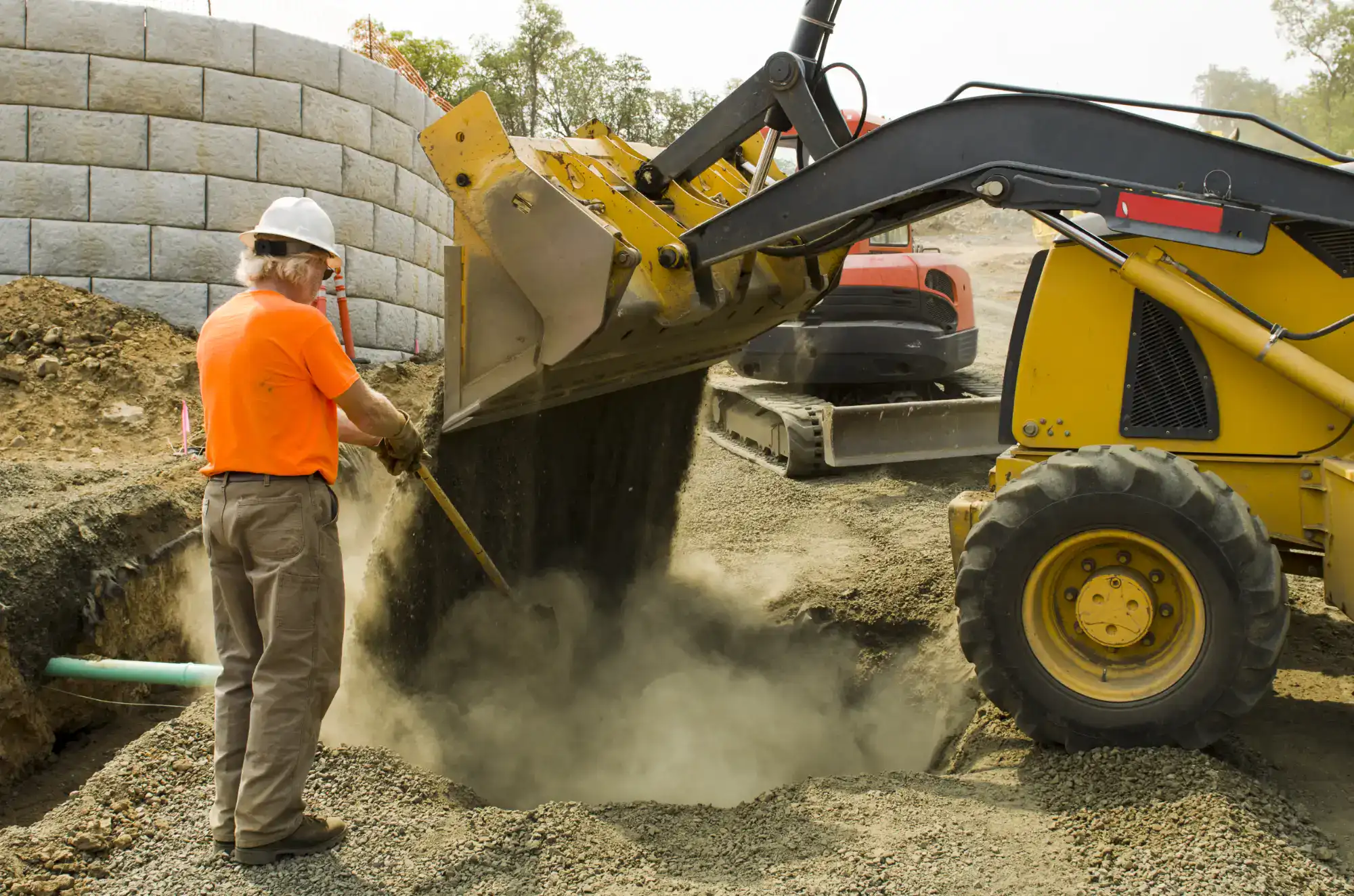
Excavating services create the foundation for how water moves across your property. This isn’t about digging a hole and calling it done. It’s about understanding where water goes naturally, where it needs to go instead, and how to make that happen through strategic grading and drainage systems.
Professional excavation starts with evaluating your property’s natural drainage patterns, soil composition, and water table. In Saratoga County, NY, you might have clay-heavy soil that holds water, sandy areas that drain quickly, or rocky terrain that requires different approaches entirely. Each soil type affects how water behaves and what drainage solutions work best.
The excavation process shapes your property’s grade—the slope and elevation that determines water flow direction. Proper grading creates a minimum 2-5% slope away from structures, roughly six inches of drop over ten feet. This gradient uses gravity to move water away from foundations, driveways, and other vulnerable areas before it can pool or seep into places that cause damage.
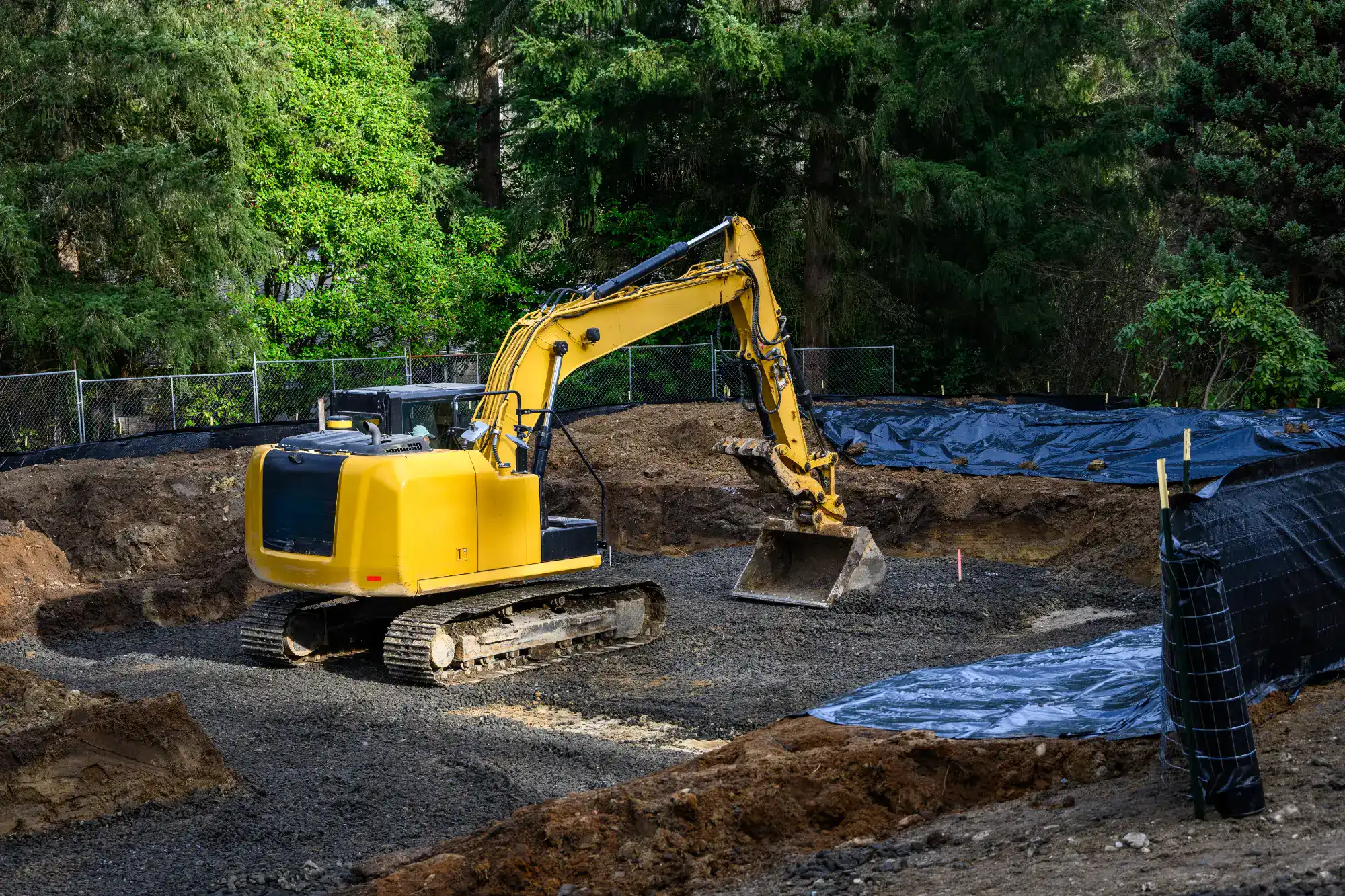
Your foundation sits in direct contact with soil. When water accumulates around that foundation, it creates hydrostatic pressure—essentially, water weight pushing against foundation walls. This pressure causes cracks, allows moisture infiltration, and can lead to structural movement that compromises your entire building.
Foundation repairs average $2,010 to $7,717 for typical issues, but major problems requiring hydraulic piers can reach $10,000 to $30,000 or more. The damage often starts small—a hairline crack, slight moisture—then escalates as water continues finding its way in. Within 24 to 48 hours of water exposure, foundation damage can begin.
Professional grading during excavation prevents this scenario by directing water away before it reaches your foundation. We shape the land so surface water flows toward designated drainage areas, not toward your basement. This includes creating swales (shallow ditches), installing French drains (gravel-filled trenches with perforated pipes), and ensuring downspouts discharge far enough from the building.
The soil itself matters here. Clay soil, common throughout Saratoga County, expands when wet and contracts when dry. This expansion and contraction cycle puts additional pressure on foundations and can cause settling over time. Proper excavation accounts for soil type, adjusting compaction methods and drainage strategies accordingly.
Sandy soils drain more easily but require specific compaction techniques to prevent settling. Rocky areas need different equipment and approaches. Working with local experience means understanding these variations and planning accordingly, rather than applying a one-size-fits-all approach that fails when your specific soil conditions don’t cooperate.
The grading work happens during initial site preparation, before your foundation goes in. Once construction progresses, fixing drainage problems becomes exponentially more expensive. You’re looking at excavating around finished structures, potentially damaging landscaping, and working around utilities and hardscaping that’s already in place. The time to get drainage right is during initial excavation, not after problems appear.
Several excavation methods specifically target water management. French drains are among the most common—a trench filled with gravel and a perforated pipe that collects and redirects groundwater away from structures. These systems work with gravity, requiring precise grading to ensure water flows in the intended direction.
Surface drainage systems use carefully graded swales and channels to move water across your property. The excavation creates shallow depressions that guide runoff toward storm drains, retention areas, or off-property drainage points. This prevents water from pooling in low spots where it can saturate soil and create problems.
Catch basins collect surface water through grated openings and direct it into underground pipes. These work well in areas that receive heavy water flow, like at the base of slopes or where multiple drainage paths converge. The excavation for catch basins requires precise depth and positioning to function properly.
Subsurface drainage systems use perforated pipes buried below ground to intercept groundwater before it reaches your foundation. This approach works particularly well in areas with high water tables or where soil stays saturated during certain seasons. The excavation creates the pathway for these pipes, with careful attention to slope and depth.
Retention ponds and dry wells provide areas where water can collect and slowly infiltrate into the ground, rather than overwhelming drainage systems during heavy rain. The excavation for these features considers soil permeability, water volume calculations, and local regulations about stormwater management.
Each method requires specific excavation techniques. Trench depth, width, and slope all matter. The base must be properly prepared and compacted. Gravel type and size affect drainage efficiency. Experience with these details means implementing them correctly, rather than approximating and hoping for the best.
The excavation work also protects existing drainage systems. If your property already has drainage infrastructure, proper excavation works around it or integrates with it. Damaging existing drainage during site work can create immediate problems that compromise your entire project.
Want live answers?
Connect with a Emerson Excavating and Trucking expert for fast, friendly support.
Erosion and drainage are connected problems. When water flows too quickly across bare soil, it carries that soil away. This creates ruts, exposes foundations, undermines structures, and sends sediment into storm drains and waterways. Professional site preparation during excavation addresses both water flow and soil stability simultaneously.
Erosion control starts during the excavation phase, not after. Proper grading creates slopes that are steep enough to drain but not so steep that water velocity causes erosion. The excavation process can also create terraces on steeper slopes, breaking up long runs where water picks up speed.
Soil stabilization techniques work alongside drainage solutions. Compacting soil properly prevents it from washing away or settling unevenly. In some cases, excavation includes adding or removing soil to achieve the right grade and composition. Clay content, organic matter, and soil structure all affect erosion resistance.
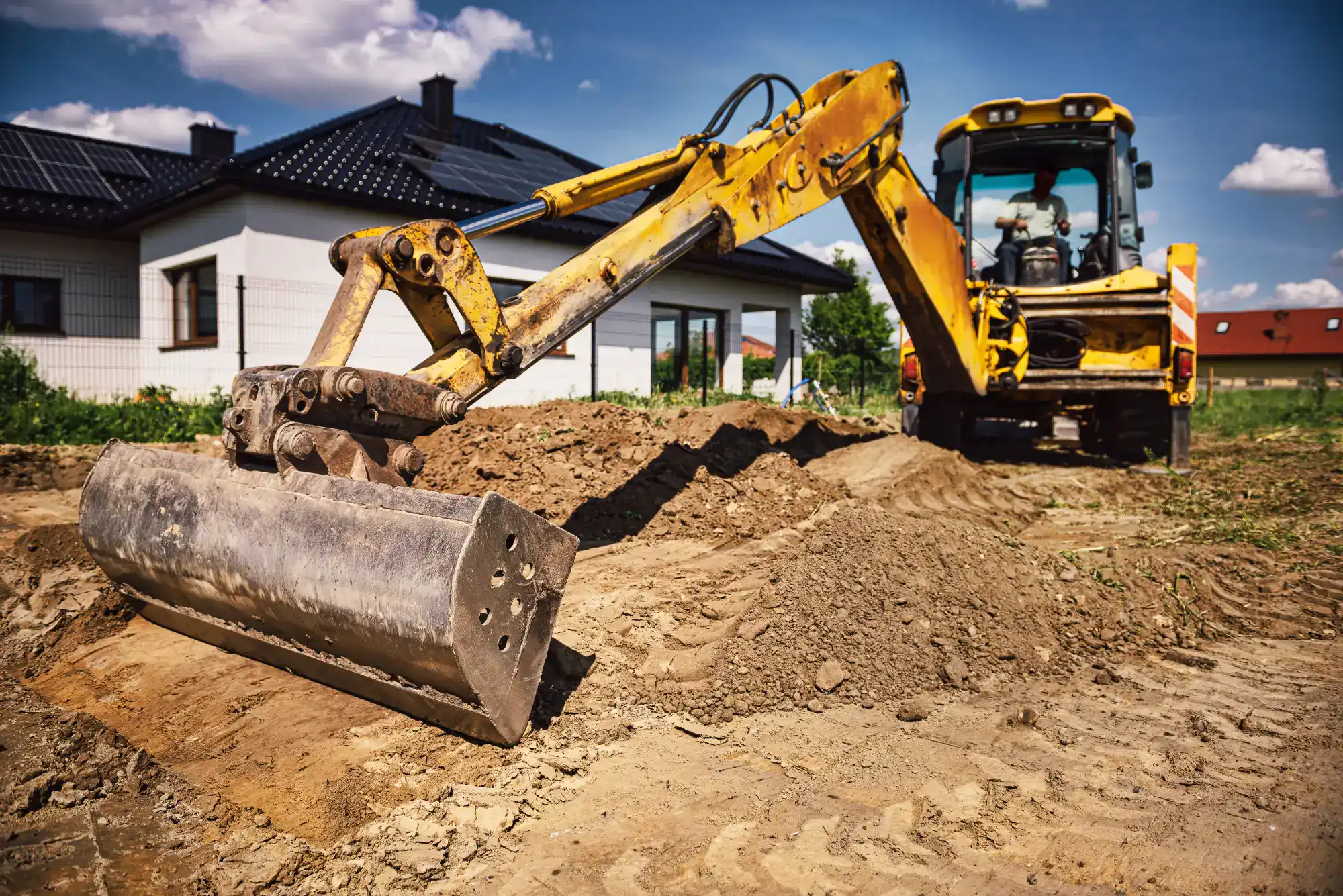
The excavation process itself can either prevent or cause erosion, depending on how it’s done. Professional land excavation in Saratoga County, NY accounts for local soil conditions and weather patterns. The region experiences spring snowmelt, summer storms, and fall saturation—all conditions that can trigger erosion on improperly prepared sites.
Excavation timing matters. Working in extremely wet conditions can compact soil poorly and create drainage problems that persist. Frozen ground sometimes excavates more cleanly than muddy conditions, but it requires appropriate equipment. Understanding these seasonal considerations means planning accordingly.
The excavation sequence protects vulnerable areas. We typically install primary drainage features early in the process, before major grading disturbs large areas. This prevents sediment-laden runoff from leaving the site during construction. Perimeter controls like silt fencing contain soil while allowing water to drain.
Equipment selection affects soil compaction and erosion potential. Tracked equipment distributes weight differently than wheeled equipment. The number of passes, moisture content during compaction, and compaction method all influence how well soil resists erosion later. Professional excavating services use the right equipment for your specific soil type and project requirements.
Vegetation preservation and restoration play roles in erosion control. Where possible, excavation work preserves existing trees and ground cover that stabilize soil. In areas where excavation removes vegetation, prompt restoration with appropriate plantings or ground cover prevents bare soil from eroding. Some projects use temporary erosion control blankets or mulch until permanent vegetation establishes.
The final grade shouldn’t just drain properly—it should be stable enough to resist erosion during heavy rain. This means avoiding slopes that are too steep, creating level areas where appropriate, and ensuring transitions between different grades are smooth rather than abrupt. Sharp grade changes concentrate water flow and increase erosion risk.
Excavation also considers how water enters your property from neighboring land. If runoff from uphill properties flows onto your site, the excavation plan accounts for that water and manages it appropriately. Ignoring off-site water sources can overwhelm even well-designed drainage systems.
Not every excavating contractor understands drainage well enough to prevent problems. Some focus on moving dirt efficiently without adequate attention to grading precision or water management. The difference shows up months or years later when drainage issues appear.
Look for excavating services that discuss drainage patterns and water management during initial site visits. A contractor who asks about your property’s drainage history, walks the site to observe how water currently moves, and considers seasonal water table variations demonstrates the knowledge you need. Generic quotes that don’t address site-specific drainage concerns should raise questions.
Local experience matters significantly for drainage work. Saratoga County’s soil conditions vary dramatically from sandy areas near the Hudson River to clay-heavy zones and rocky ledge throughout the region. An excavation contractor familiar with these local conditions can anticipate challenges and plan appropriate solutions. Out-of-area contractors may apply techniques that work elsewhere but fail in your specific soil type.
Technology enhances drainage precision. GPS-guided grading systems allow operators to achieve exact grades specified in site plans, down to fractions of an inch. This precision matters when you’re creating shallow slopes for drainage—small errors compound across distance and can reverse intended water flow. Contractors using modern technology demonstrate investment in quality results.
Permit handling and regulatory compliance are part of professional excavating services. Different municipalities within Saratoga County have varying requirements for grading work, erosion control, and stormwater management. Contractors who handle these requirements as standard practice, rather than treating them as obstacles, keep your project moving forward legally and properly.
Insurance and safety protocols protect you during excavation work. Professional contractors carry comprehensive insurance, follow established safety procedures, and use proper utility location services before digging. These practices prevent accidents, utility strikes, and liability issues that can derail your project and create unexpected costs.
Communication throughout the excavation process keeps you informed about drainage decisions. When unexpected conditions appear—like different soil composition than anticipated or discovering existing drainage issues—professional contractors explain your options and costs before proceeding. This transparency helps you make informed decisions rather than facing surprise bills.
The excavation contractor’s approach to site cleanup and final grading reveals their overall quality. Leaving your property ready for the next construction phase, with proper drainage functioning and grades verified, demonstrates thoroughness. Rushing through final grading or leaving drainage features incomplete creates problems that become apparent only after the contractor has moved on.
Water management through proper excavation and grading protects your property investment for decades. The work happens early in your project, before most visible construction begins, but its impact extends through your property’s entire life. Foundation repairs, basement waterproofing, and erosion correction all cost significantly more than getting drainage right during initial site preparation.
Professional excavating services in Saratoga County, NY combine local soil knowledge, drainage expertise, and proper equipment to create sites that manage water effectively. This means understanding clay soil behavior, working with rocky terrain, and accounting for seasonal water patterns specific to the region.
When you’re ready to start your project with excavation and site preparation that prevent drainage problems rather than creating them, we bring the local experience and drainage focus your property needs.
Article details:
Share:
Continue learning: