Complete guide to septic system replacement in Saratoga covering permits, design, installation, and inspection requirements for homeowners.
Share:

Summary:
Before any excavation begins, a thorough assessment determines whether you actually need a complete replacement or if repairs might solve the problem. A qualified contractor will inspect your current tank, examine the drain field, and test how well your soil absorbs water.
This evaluation isn’t just about the tank itself. We need to understand your property’s unique conditions – soil composition, groundwater levels, and proximity to wells or water bodies. These factors directly impact what type of replacement system will work best on your property.
The assessment also includes reviewing your home’s current and future needs. Adding bedrooms or expanding your family changes your septic requirements, so planning ahead now can save you from another replacement project later.

A comprehensive septic inspection goes far beyond checking if your tank is full. Your inspector will locate all system components, including the tank, distribution box, and drain field lines. They’ll measure sludge and scum levels in the tank to determine if the system is functioning properly or if waste isn’t breaking down as it should.
The drain field inspection reveals whether your soil absorption area is still working. Signs of failure include surfacing sewage, overly lush grass growth in specific areas, or soil that stays wet long after rain. Your inspector will also check for proper slopes and drainage patterns that direct water away from your home’s foundation.
Soil testing determines what replacement options will work on your property. Some soils drain well and can support a conventional system, while others require advanced treatment or alternative designs. This testing prevents future failures and ensures your new system will function properly for decades.
Your inspector should also verify that your current system meets today’s setback requirements from wells, property lines, and water bodies. Older systems often don’t meet current standards, which affects your replacement options and may require relocating system components.
The inspection report provides the foundation for your replacement design and helps you understand exactly what work is needed. This documentation is also essential for obtaining permits and ensuring your project meets all local health department requirements.
Soil conditions determine everything about your septic system replacement – from the type of system you’ll need to where it can be located on your property. Saratoga County’s varied soil types mean what works for your neighbor might not work for you.
Percolation testing measures how quickly water moves through your soil. The test involves digging holes in your proposed drain field area, filling them with water, and timing how long it takes for the water to drain. Results determine if you can use a conventional system or need something more advanced.
If your perc test shows water drains too slowly (more than 30 minutes per inch), you’ll need an alternative system design. This might include a raised system, sand filter, or advanced treatment unit. These systems cost more upfront but are designed to work with your specific soil conditions.
Rocky or shallow soil presents additional challenges. If we hit bedrock within five feet of the surface, or if groundwater sits too close to your proposed drain field, standard installation won’t work. These conditions require engineered solutions that meet New York State requirements while working with your property’s limitations.
Understanding your soil conditions early in the process helps you budget appropriately and set realistic expectations for your project timeline. Some alternative systems require additional permits or specialized equipment, which can extend your project schedule.
Want live answers?
Connect with a Emerson Excavating and Trucking expert for fast, friendly support.
Once your assessment is complete, the design phase begins. This isn’t a one-size-fits-all process. Your new system design must account for your home’s wastewater flow, your property’s soil conditions, and local setback requirements from wells, property lines, and water bodies.
The permit process in Saratoga County typically takes 2-4 weeks, assuming your application is complete and meets all requirements. We handle this process, including submitting detailed plans and coordinating with local health officials.
Installation timing depends on several factors beyond our schedule. Weather affects excavation work, and frozen ground can delay projects. Most installations take 3-5 days of actual work, but preparation and inspection scheduling can extend the overall timeline.

Septic system permits in Saratoga County involve multiple agencies and specific requirements that vary by location within the county. We must submit detailed system designs that show tank placement, drain field layout, and distances from wells, property lines, and water bodies.
The health department reviews your application to ensure the proposed system meets current regulations and will protect groundwater quality. They’ll verify that your design accounts for your home’s wastewater flow based on the number of bedrooms and expected occupancy.
Some locations require additional approvals beyond the basic septic permit. Properties near wetlands, water bodies, or in environmentally sensitive areas may need state-level permits that can add months to your timeline. We identify these requirements early in the process.
Permit costs vary but typically range from $300-$500 for residential systems. Additional fees may apply for soil testing, engineering reviews, or multiple inspections. Some municipalities also require building permits for the excavation work itself.
Working with a contractor familiar with local requirements prevents delays and rejections. We know what inspectors look for and can ensure your application includes all necessary documentation and meets current standards.
Septic system installation involves significant excavation and disruption to your property, but understanding the process helps you prepare. The work typically begins with marking utilities and obtaining any final approvals needed before digging begins.
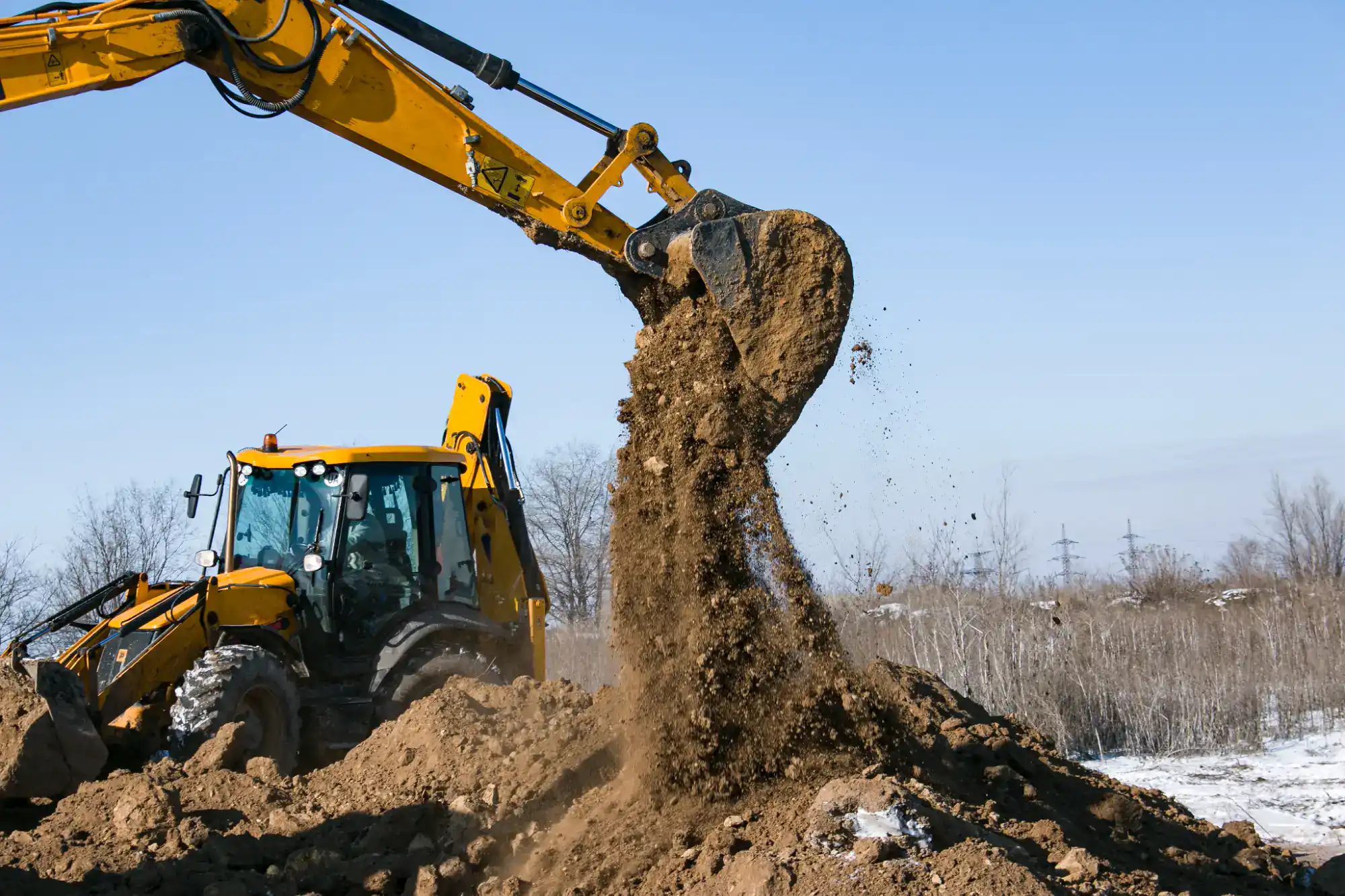
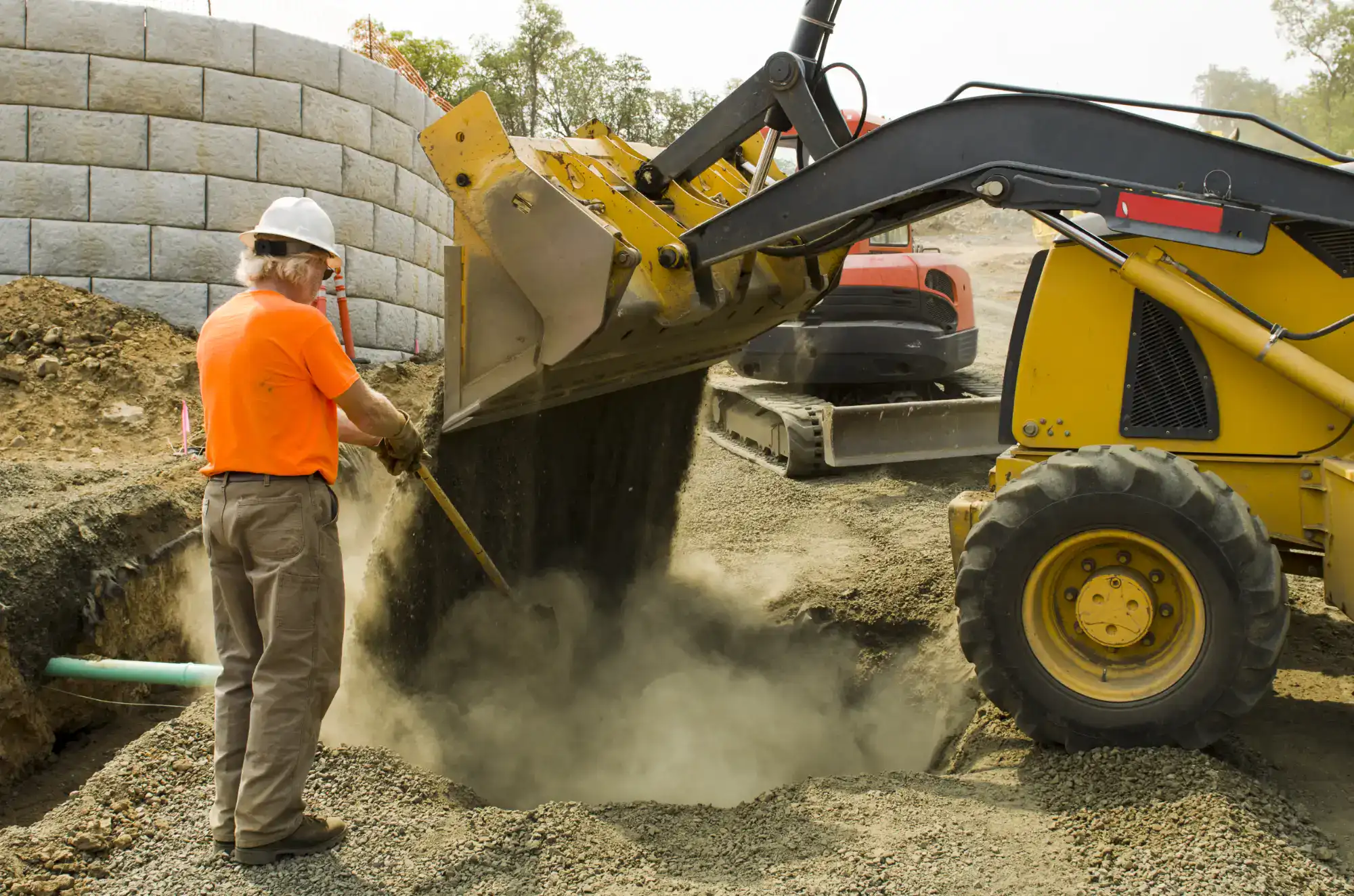
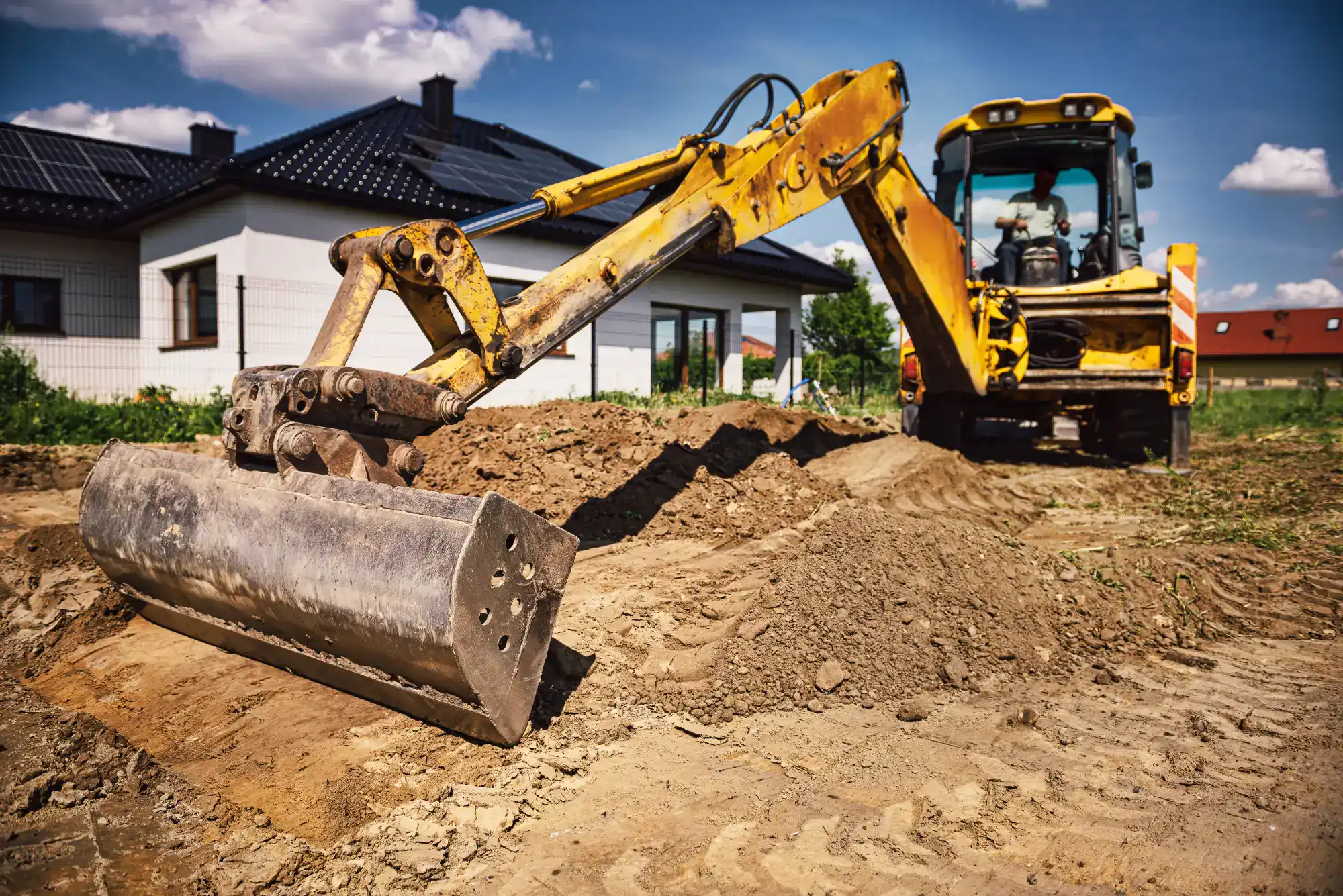
Excavation day involves heavy equipment accessing your property to dig the tank location and drain field trenches. We work to minimize damage to existing landscaping, but some disruption is unavoidable. The tank installation itself usually takes one day, followed by drain field construction.
Weather can significantly impact your installation timeline. Rain delays excavation work, and frozen ground makes digging impossible. We communicate weather-related delays and have contingency plans to keep your project moving when conditions improve.
The installation process includes multiple inspections at different stages. Your tank placement must be inspected before backfilling, and the complete system requires final approval before you can use it. These inspections ensure everything meets code and will function properly.
Site restoration happens after all inspections are complete. We restore disturbed areas, reseed as needed, and ensure proper drainage around your new system. Good contractors take pride in leaving your property in better condition than they found it.
A successful septic system replacement starts with choosing the right contractor who understands local conditions and requirements. The process involves multiple steps that must be handled correctly to protect your investment and ensure long-term system performance.
Understanding what’s involved helps you ask the right questions and set appropriate expectations for timeline and costs. Remember that the cheapest option often isn’t the best value when you’re dealing with something as critical as your home’s wastewater treatment.
Your new septic system should provide decades of reliable service when properly installed and maintained. Working with experienced professionals like us at Emerson Excavating and Trucking ensures your project is handled correctly from assessment through final inspection.
Article details:
Share:
Continue learning: