
You’re tired of pulling weeds every weekend. Your flower beds dry out faster than you can keep up with watering. And honestly, the front of your property just looks… unfinished.
Proper landscape mulching in Whitehall, NY fixes all three. A quality mulch installation creates a barrier that chokes out weeds before they start, holds moisture in the soil so your plants aren’t constantly stressed, and gives your beds that clean, finished look that makes the whole property feel maintained.
It’s not just about looks. Mulch regulates soil temperature during Whitehall’s hot summers and cold winters, protecting plant roots year-round. As it breaks down, it feeds your soil with organic matter. You get healthier plants, less maintenance, and a property that actually looks like someone takes care of it.
Spring is the best time to mulch. Get it done in April or May, and your beds are set for the growing season.
We’ve been serving Whitehall, NY and the surrounding Washington County area for over 27 years. What started as a logging operation became a full-time excavation and site work company in 2020, and we’ve been helping homeowners and builders prepare properties ever since.
Josh runs the operation and he’s on almost every job. That means you’re not getting a different crew every time or wondering if the work will match what you were promised. You’re getting consistent quality from people who know the local soil, the weather patterns, and what actually works in this area.
We’re not the biggest operation in Whitehall, and that’s intentional. Staying small means staying involved. When you call, you’re talking to someone who knows your property and remembers your project.
First, we assess your beds. That means looking at what’s already there, whether old mulch needs to be removed or can be topped, and what depth you actually need. Not every bed needs the same treatment.
If you’ve got compacted or faded mulch from last year, we’ll remove what needs to go. If your beds are new or the existing layer is still good, we’ll prep the area and apply fresh mulch directly. We’re not adding unnecessary work just to pad the bill.
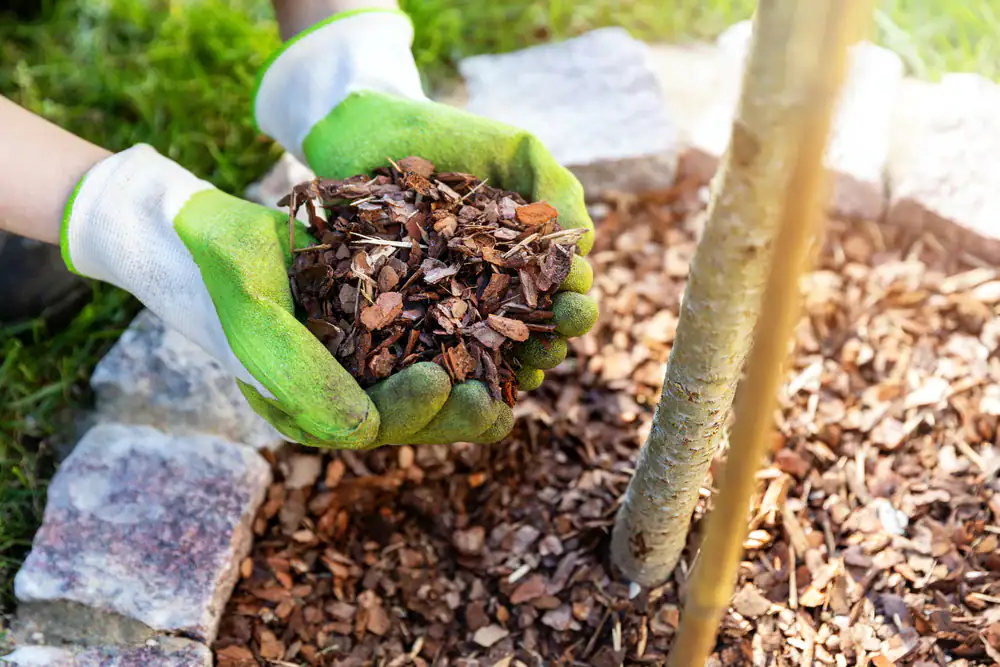
Then we install. For flower bed mulching in Whitehall, NY, we apply mulch by hand to ensure even coverage and proper depth. Fine mulches go down around 2 inches. Coarser mulches can go up to 4 inches depending on the bed and what’s planted there.
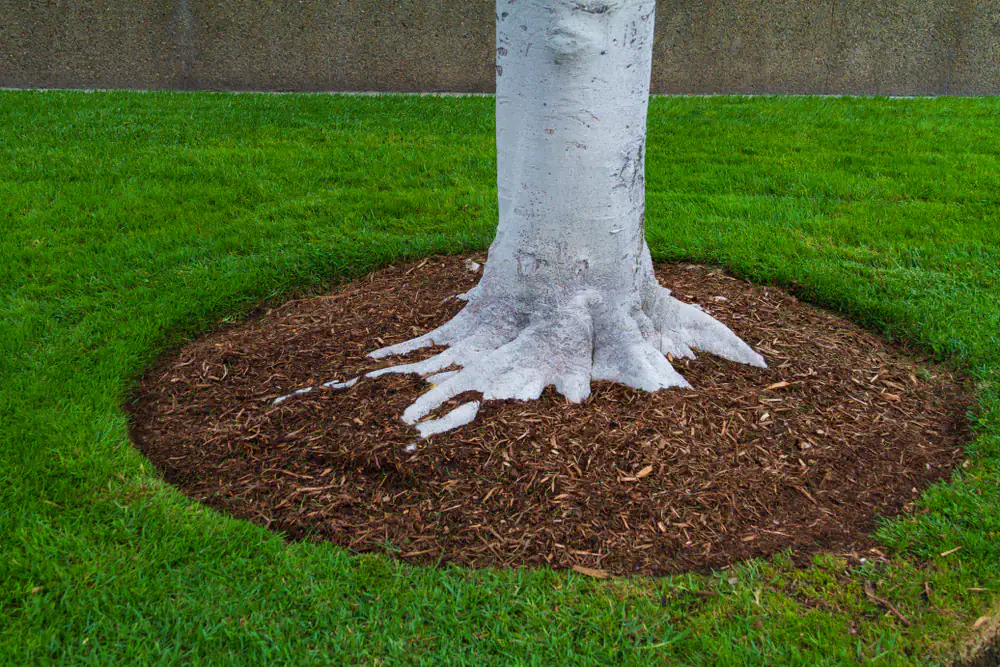
We make sure mulch stays away from plant stems and tree trunks. Piling it against the base causes rot and invites pests. Proper installation means your plants stay healthy and the mulch actually does its job.
Once we’re done, your beds are clean, protected, and ready for the season. No mess left behind, no guessing if it was done right.
Ready to get started?
You’re getting more than just mulch dumped in your beds. Our landscape bed mulching in Whitehall, NY includes site assessment, old mulch removal if needed, bed edging to keep lines clean, and professional hand installation at the right depth for your specific plants.
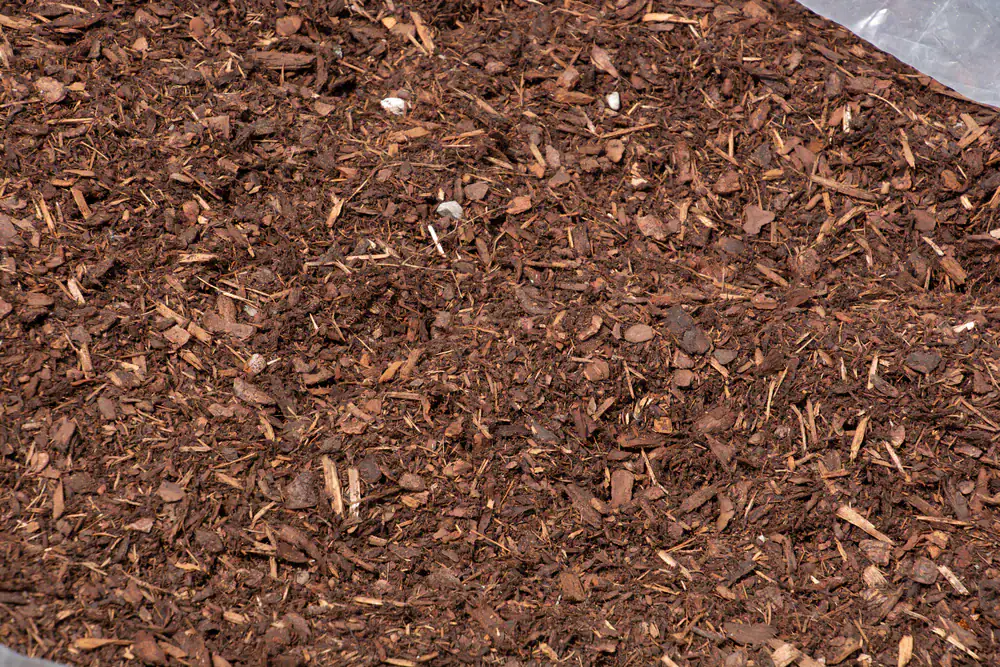
We work with organic mulches that break down over time and feed your soil. That includes hardwood mulch, colored mulch for longer-lasting appearance, and cedar options if you want natural pest resistance. We’ll talk through what makes sense for your property and your budget.
Whitehall’s climate means your beds take a beating. Summers get hot and dry. Winters are cold enough to stress shallow-rooted plants. The right mulch layer helps with both. It keeps soil cooler in July and insulates roots when temperatures drop in January.
We also handle larger properties and new construction sites where landscape mulching is part of the final grading and site prep. If you’re building in Whitehall and need your beds finished before move-in, we’ve done plenty of those projects. We know the timing and the coordination it takes to get it done right alongside other trades.
Most properties in Whitehall, NY need fresh mulch once a year. Spring is the ideal time, usually late April through May, right before the growing season kicks in and before summer heat stresses your plants.
If you’re using organic mulch, it breaks down over time. That’s actually a good thing because it’s feeding your soil. But it also means the layer thins out, fades, and stops doing its job as effectively. By the time a year rolls around, you’ve lost enough volume and color that it’s worth refreshing.
Some higher-traffic areas or beds with a lot of shade and moisture might need attention sooner. If you’re seeing significant fading, compaction, or weeds breaking through before the year is up, that’s a sign it’s time. But for most residential properties, an annual application in spring keeps everything looking good and functioning properly all season long.
Hardwood mulch is the most common. It’s affordable, breaks down at a decent rate to feed your soil, and works well for most flower beds and landscape areas. It’s a solid all-around choice if you want something functional without overthinking it.
Colored mulch, usually dyed black, brown, or red, holds its appearance longer. If curb appeal matters and you don’t want your mulch looking washed out by mid-summer, colored mulch stays vibrant. It costs a bit more, but you’re paying for that longer-lasting look.
Cedar and cypress mulches have natural oils that resist insects and decay. They last longer than hardwood and have a pleasant smell. They’re pricier, but if you’re dealing with pest pressure or want something that won’t need replacing as often, they’re worth considering. For most Whitehall properties, hardwood or colored hardwood mulch gives you the best balance of cost and performance.
Fine mulches should go down about 2 inches deep. Coarser mulches can go up to 4 inches. That range gives you enough coverage to suppress weeds, hold moisture, and regulate soil temperature without smothering your plants.
Too little mulch and you’re not getting the benefits. Weeds push through, moisture evaporates quickly, and soil temperature swings too much. Too much mulch and you’re creating problems. Thick layers can suffocate plant roots, hold too much moisture against stems and cause rot, and create habitat for pests you don’t want near your house.
If you already have mulch from last year, we’re not just piling new mulch on top. We assess what’s there. If the old layer is compacted or broken down significantly, we’ll remove some or all of it first. If it’s still in decent shape, we’ll top it off to get back to the right depth. The goal is proper coverage, not just adding more material every year until your beds are overfilled.
Yes. Mulch acts as a protective barrier over your soil. Without it, water evaporates quickly, especially during Whitehall’s hot, dry stretches in July and August. Your plants get stressed, and you’re out there watering constantly just to keep things alive.
A proper mulch layer slows evaporation significantly. The soil stays moist longer after rain or watering, which means your plants have consistent access to water and you’re not running the hose as often. That directly translates to lower water usage and a lower bill if you’re on municipal water.
It also means healthier plants. Consistent moisture is better than the cycle of bone-dry soil followed by a heavy watering. Plants that aren’t constantly stressed grow better, look better, and are more resistant to disease and pests. Mulch isn’t just about appearance. It’s about creating conditions where your landscape actually thrives without you having to micromanage it all summer.
It depends on what’s already there. If your existing mulch is heavily compacted, broken down into fine particles, or has lost most of its structure, we’ll remove it. Leaving that material in place doesn’t help, and just adding new mulch on top creates drainage issues and overfills your beds.
If the old mulch is still relatively intact but just faded or thinned out, we’ll top it off. There’s no need to remove material that’s still doing its job. We’re not looking to create extra work or extra cost. We’re looking to get your beds functioning properly.
We assess every property individually. Some beds need a full refresh. Others just need a fresh layer. We’ll walk the property with you, show you what we’re seeing, and explain what makes sense. You’ll know exactly what we’re doing and why before we start.
Spring is the best time, specifically late April through May. You’re getting ahead of the growing season, which means your plants benefit from moisture retention and weed suppression right when they need it most. You’re also mulching before summer heat arrives, so your soil stays cooler and more stable.
Fall mulching is also an option, especially if you’re focused on winter protection for your plants. A fresh layer in October or early November insulates roots and prevents freeze-thaw cycles from damaging plants over the winter. It’s less common than spring mulching, but it works well if you’re planting new beds in fall or want extra protection for sensitive plants.
Summer mulching is possible but not ideal. If your beds are in rough shape and you need to address it mid-season, we can do it. But you’re fighting heat, and newly disturbed beds dry out fast. Spring is the window where you get the most benefit for the effort. If you’re planning to mulch, get on the schedule in April or early May before everyone else fills up the calendar.
Other Services we provide in Whitehall