You’re tired of pulling the same weeds every weekend. Your flower beds dry out faster than you can water them, and by mid-July, everything looks tired.
Proper landscape mulching in West Glens Falls changes that. A professional mulch installation blocks sunlight from reaching weed seeds before they germinate. It keeps soil moisture from evaporating during those hot stretches we get in July and August. Your plants stay healthier because the soil temperature stays more consistent, and you’re not out there every Saturday fighting the same losing battle.
We’re talking about cutting your watering needs nearly in half. Reducing weeds by 70% or more when done right. And giving your property that clean, finished look that actually lasts through the season instead of fading by June.
This isn’t just spreading mulch around. It’s setting up your landscape to work with you instead of against you.
We’ve been serving West Glens Falls and the surrounding areas since 1997. What started as a logging operation has grown into a full-service excavation and landscaping company, and Josh is still on almost every job.
That matters because you’re not getting a different crew every time or someone who’s never seen your property before. You’re working with people who know the soil conditions around here, understand how our weather patterns affect mulch performance, and care about doing it right the first time.
We’re not the cheapest option in the area, and we’re upfront about that. You’re paying for proper bed preparation, quality materials, and installation that actually delivers the weed control and moisture retention you’re expecting.
First, we assess your existing beds. If you’ve got old mulch that’s broken down or weeds that have taken over, we address that before adding anything new. Throwing fresh mulch over problem areas doesn’t fix the problem—it just covers it up temporarily.
Next comes bed preparation. We edge the beds cleanly, remove any existing weeds, and make sure the soil is ready to receive mulch. This step is what separates a mulch job that lasts from one that looks good for three weeks.
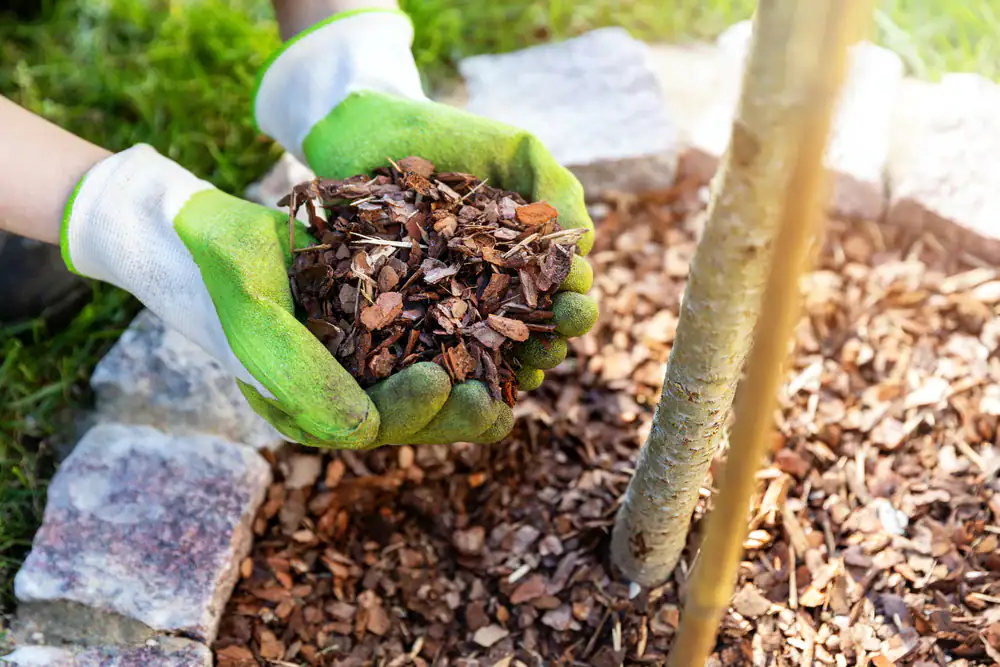
Then we install the mulch at the right depth—typically 2 to 3 inches for most applications, deeper around trees and shrubs where you need more weed suppression. Too thin and you won’t get the benefits. Too thick and you can actually harm your plants by keeping too much moisture against stems and trunks.
We finish by cleaning up completely. No mulch scattered across your driveway or lawn. Just clean beds that are ready to perform.
Ready to get started?
Every flower bed mulching project includes full bed preparation—not just dumping mulch on top of what’s already there. We’re edging beds, pulling existing weeds, and addressing any drainage issues that could undermine the whole installation.
You’re getting quality mulch that’s appropriate for West Glens Falls conditions. Our area sits in hardiness zone 5b with about 33 inches of rain annually, which means we need mulch that can handle moisture without breaking down too quickly or matting up. We source materials that balance decomposition rate with durability.
The installation itself is done at proper depth for maximum weed control and moisture retention. We’re not guessing—we’re applying 2 to 3 inches in most beds, adjusted based on what you’re growing and what your specific goals are.
And because Josh is on-site for almost every job, you’re getting consistent quality. If something doesn’t look right or there’s a question about how to handle a particular area, it gets addressed right then—not three days later when a different crew shows up.
Most properties need fresh mulch every 12 to 18 months. That timeline shifts based on the type of mulch you’re using and how much sun exposure your beds get.
Organic mulches like shredded hardwood break down over time—that’s actually beneficial because they’re adding organic matter to your soil. But as they decompose, they get thinner and less effective at blocking weeds and retaining moisture. If you’re seeing faded color, thin spots, or more weeds popping through, it’s time.
In West Glens Falls, most homeowners refresh mulch in spring after the soil warms up, usually late April or early May. That timing gives you full-season benefits when weed pressure and water needs are highest. Some people do a lighter top-up in fall, especially around trees and shrubs where you want extra insulation going into winter.
Cheap mulch is often inconsistent in size, full of weed seeds, or breaks down so fast you’re replacing it twice as often. You save $20 upfront and spend $200 extra over the next year dealing with problems.
Quality mulch is screened for consistency, aged properly so it won’t rob nitrogen from your soil, and sourced from suppliers who aren’t grinding up whatever happens to be lying around. It holds its color longer, maintains structure better, and actually delivers the weed suppression and moisture retention you’re paying for.
The installation matters just as much. We’re preparing beds properly before mulch goes down, which means you’re not just covering up existing weeds or compacted soil. That preparation is what makes the difference between a mulch job that performs and one that looks good for a month before falling apart.
Yes, and sometimes that’s exactly what needs to happen. If your beds have years of built-up mulch that’s matted down and preventing water from reaching the soil, or if the mulch level has gotten so high it’s against the stems of your plants, removal is the right call.
We’ll assess your beds before making that recommendation. In many cases, we can work with what’s there—removing weeds and debris, breaking up compacted areas, and adding fresh mulch on top. That’s more cost-effective and still gives you great results.
But when old mulch has become hydrophobic (water just runs off instead of soaking in) or when it’s harboring disease or pest issues, starting fresh makes sense. We handle the removal, haul away the old material, and prep the beds properly before installing new mulch at the right depth.
Around most perennials and in flower beds, 2 to 3 inches is the target. That’s deep enough to suppress weeds and retain moisture without smothering plants or keeping too much water against stems.
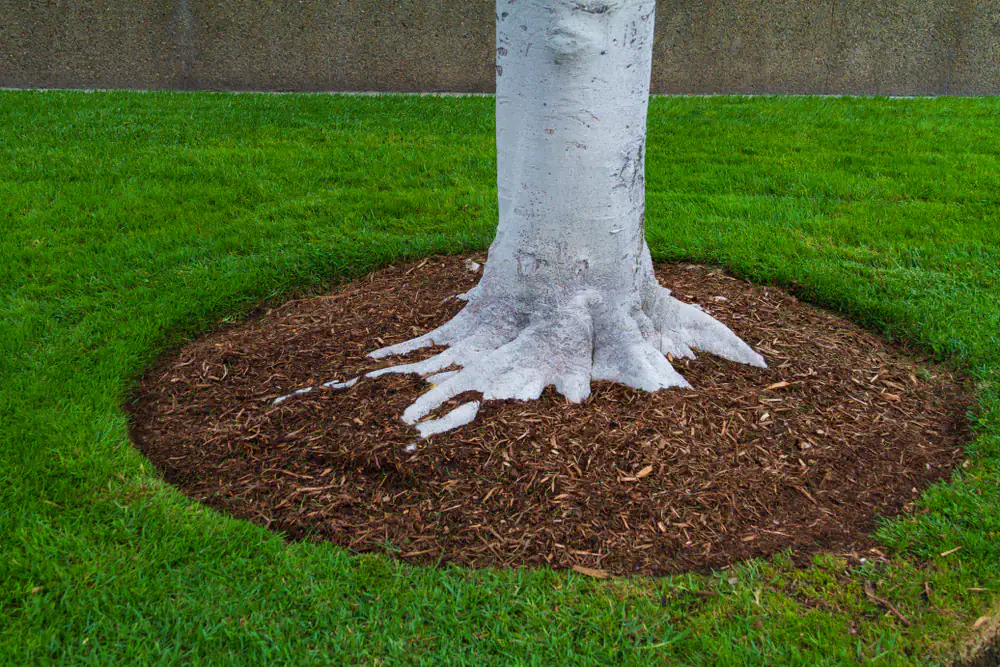
Around trees and larger shrubs, you can go deeper—4 to 6 inches—especially if weed control is a priority. But here’s what matters more than depth: keep mulch pulled back from the trunk or stems. Mulch piled against bark creates moisture problems that lead to rot and disease.
We see a lot of “mulch volcanoes” around here—big piles of mulch heaped up around tree trunks. That’s doing more harm than good. Proper installation means mulch extends out to the drip line if possible, but it’s pulled back a few inches from the trunk itself. You want a donut, not a volcano.
We do. Some properties have 6 or 8 inches of mulch built up from years of adding new layers without removing old material. At that point, you’re creating problems—poor drainage, disease pressure, and plants that are basically buried.
Mulch removal service includes scraping out the excess material, disposing of it properly, and getting your beds back to a healthy baseline. Then we can reinstall fresh mulch at the correct depth and give you a clean start.
This is especially common in landscape bed mulching projects where previous contractors just kept piling on more material every year. It looks fine initially, but over time you end up with beds that don’t drain properly and plants that struggle. Removing that buildup and resetting everything solves the underlying issues instead of making them worse.
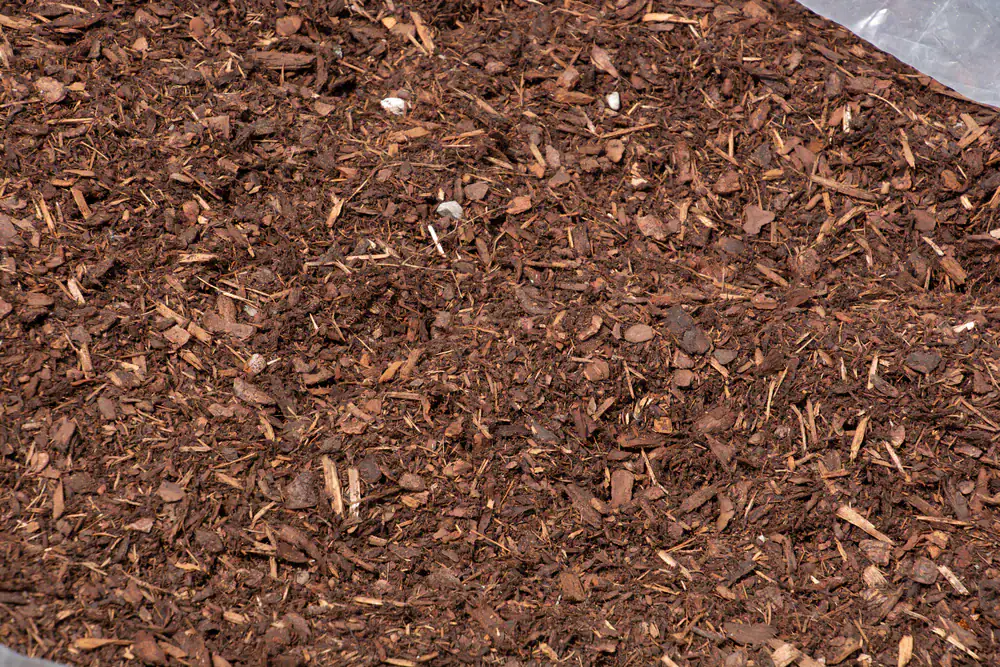
Shredded hardwood is the most common choice around here because it breaks down at a good rate, holds moisture well, and stays in place during heavy rain. It’s cost-effective and works for most residential applications.
Cedar and cypress mulches last longer and have natural pest-repelling properties, but they’re more expensive. If you’ve got areas where you don’t want to refresh mulch as often—like large shrub beds or areas that are harder to access—the extra cost can be worth it.
Dyed mulches (red or black) hold their color longer, which some homeowners prefer for curb appeal. They perform similarly to natural hardwood but maintain that fresh look through the season. We’ll walk you through options based on your specific goals, budget, and what areas you’re covering. There’s no one-size-fits-all answer—it depends on what matters most to you.
Other Services we provide in West Glens Falls