
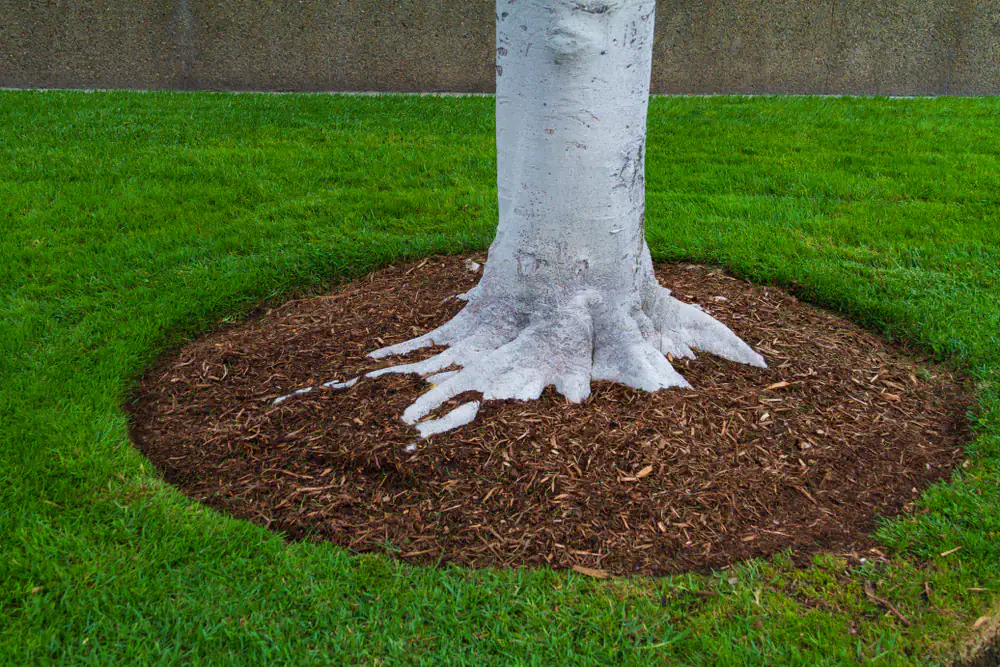
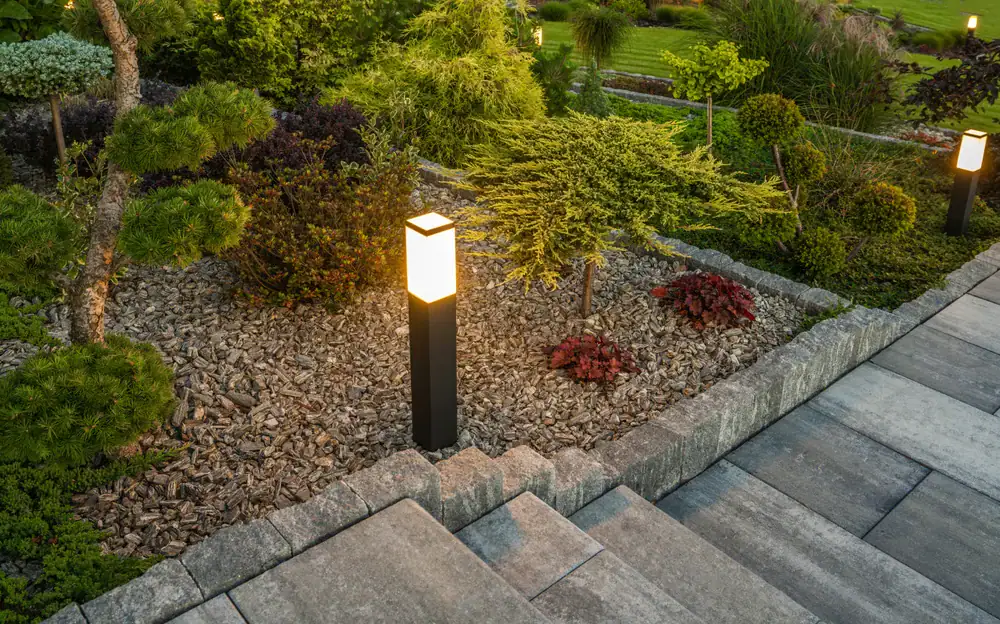
You’re not mulching just to make things look nice. You’re protecting your investment.
A proper mulch installation in Schuylerville, NY means your soil stays cooler during those hot July afternoons. Your plants don’t stress as much. You’re watering less because that moisture isn’t evaporating into thin air.
And the weeds? They don’t get the light they need to take over your flower beds. That’s fewer weekends spent pulling them by hand or dumping chemicals you’d rather not use.
The right depth, the right material, and clean edges around your landscape beds make your property look intentional. Not like you threw down some bags from the hardware store and called it done.
You’ll notice the difference within a week. Your neighbors will too.
Emerson Excavating and Trucking started as a logging operation in 1997. We shifted to full-time excavation and site work in 2020, and my son joined as a partner in 2022.
We’re not a lawn care company that does a little bit of everything. We’re excavators who understand grading, drainage, and how your property actually functions. That matters when you’re installing landscape mulching in Schuylerville, NY, because we see the whole picture—not just the surface.
Most of our work happens in Saratoga, Washington, and Warren Counties. We know the soil here. We know how wet springs affect drainage around your foundation. And we know that if your beds aren’t graded right, mulch won’t fix the problem.
I’m on almost every job. That’s not a marketing line—it’s how we operate. You’re not getting a different crew every time or someone who doesn’t know what happened last visit.
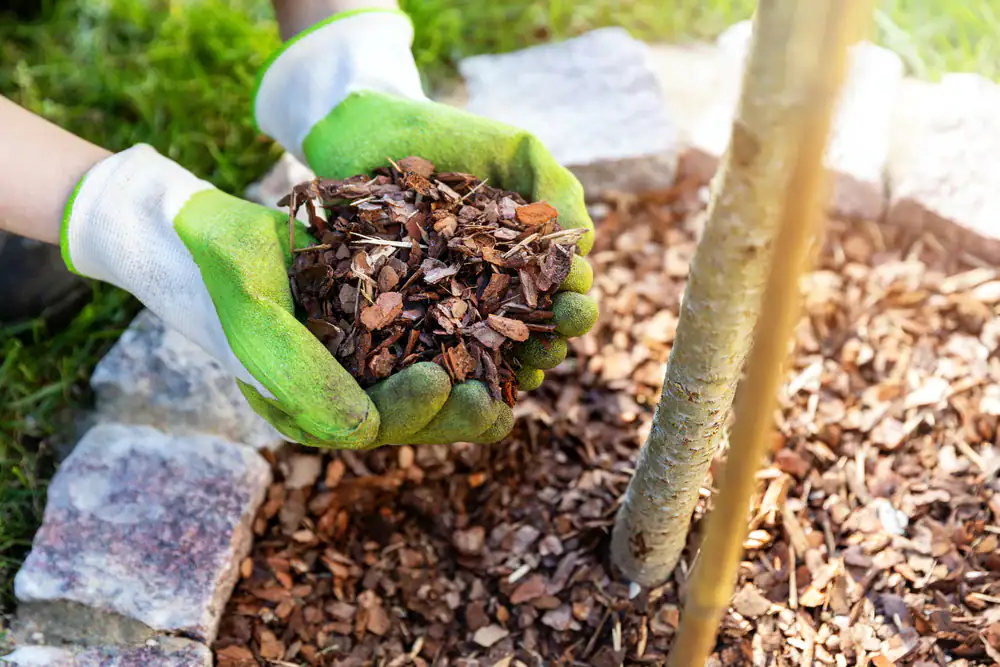
First, we’ll come out and look at what you’ve got. If your beds need edging or if there’s old mulch that should come out first, we’ll tell you. Some properties need mulch removal service in Schuylerville, NY before new material goes down—especially if the old stuff is compacted or breaking down into sludge.
We’ll talk through material options. Hardwood mulch, cedar, hemlock—it depends on what you’re trying to accomplish and what’s around your plants. Some mulches break down faster and feed your soil. Others last longer and hold color better.
Once we’re on site, we prep the beds. That means pulling any weeds, edging if needed, and making sure the grade is right. Then we spread mulch to the right depth—usually two to three inches. Not so thick it smothers your plants, not so thin it disappears by August.
We clean up when we’re done. No piles left in your driveway, no mulch scattered across your lawn.
You’ll have beds that look sharp, plants that stay healthier, and one less thing to worry about for the next year or two.
Ready to get started?
Our garden mulching services in Schuylerville, NY cover the full process. We’re not just dumping material and leaving.
You get bed preparation—that means weeding, edging, and grading if your beds have settled or washed out. If you’ve got old mulch that’s turned into a matted mess, we’ll remove it first so the new layer actually does its job.
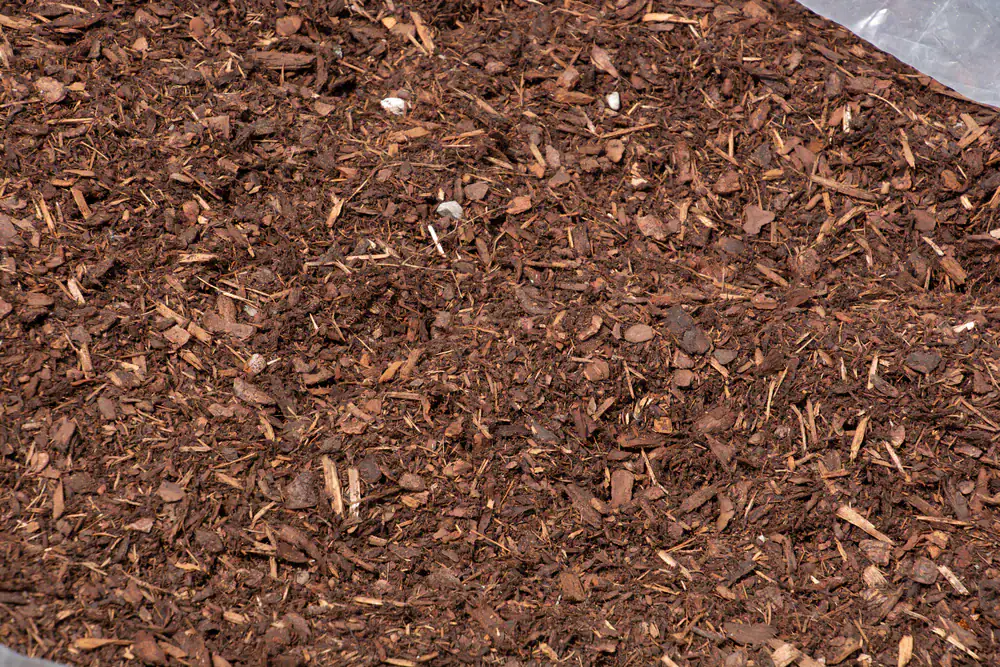
We bring in quality bulk mulch. You’re not paying retail prices for bagged stuff that’s been sitting in a parking lot all season. We source material that’s fresh, consistent, and sized right for the application.
Schuylerville properties deal with heavy snow, wet springs, and hot summers. Your mulch needs to handle freeze-thaw cycles without turning into mush. It also needs to stay put when we get those hard spring rains that wash everything downhill.
We install flower bed mulching at the right depth and pull it back from plant stems so you’re not creating rot problems. Then we clean edges so your beds look defined, not like they’re bleeding into the lawn.
If you’ve got larger landscape beds or multiple areas, we’ll coordinate the whole project so it’s done in one shot. No waiting around for us to come back three times.
Most properties need fresh mulch every one to two years, depending on the material you’re using and how exposed the beds are.
Hardwood mulch breaks down faster than cedar or hemlock. That’s not necessarily bad—it’s adding organic matter back into your soil. But it also means you’ll see more decomposition and color fade within a year.
If your beds are in full sun or you’re in a spot that gets heavy wind, mulch breaks down even faster. Shaded areas under trees or along the north side of your house tend to hold up longer.
You’ll know it’s time when the mulch looks thin, faded, or you’re seeing more soil than coverage. If weeds are popping up everywhere, that’s another sign the mulch layer isn’t doing its job anymore.
Hardwood mulch and hemlock both perform well here. It depends on what you’re prioritizing—longevity or soil improvement.
Hardwood mulch breaks down faster, which means it’s feeding your soil as it decomposes. That’s great for flower beds and areas where you want to build soil quality over time. The tradeoff is you’ll replace it more often.
Hemlock and cedar last longer and hold their color better through our winters. They’re a better fit if you want something that looks consistent for two years and you’re not as focused on soil enrichment.
Avoid dyed mulch if you can. It looks bright at first, but the color fades unevenly and the dye doesn’t do anything helpful for your plants. You’re paying extra for aesthetics that don’t last.
We’ll walk you through options based on what’s in your beds and how much maintenance you want to deal with down the road.
Yes. We’ll edge and define the beds as part of the prep work before mulch goes down.
If your beds have lost their shape or the edges have grown over, we’ll recut them so there’s a clear line between your lawn and your landscape beds. That keeps mulch where it belongs and makes mowing easier.
Some properties need more work than others. If your beds have washed out or settled unevenly, we’ll regrade them so water drains away from your foundation instead of pooling around your plants.
This prep work matters more than the mulch itself. If the beds aren’t shaped right, mulch just highlights the problem. We’d rather take the time to do it correctly than leave you with something that looks sloppy or creates drainage issues later.
Sometimes. If the old mulch is compacted, matted, or more than three inches deep, it should come out first.
Mulch that’s broken down into a dense layer stops water and air from reaching your soil. Your plants can’t get what they need, and you’re basically piling new mulch on top of a barrier.
If your existing mulch is relatively fresh and there’s less than two inches of it, we can add a new layer on top. But if it’s been there for years or it’s turned into something that looks more like dirt than mulch, removal makes sense.
We’ll let you know what your property needs when we come out. There’s no point in doing mulch removal service in Schuylerville, NY if it’s not necessary, but there’s also no point in installing new material over a problem that’s going to keep causing issues.
Cost depends on how much area you’re covering, what prep work is needed, and what material you’re using.
Bulk mulch pricing runs anywhere from $30 to $45 per yard depending on the type. Most residential properties need between three and ten yards for standard bed coverage, but that varies based on your landscape size and layout.
If we’re edging beds, removing old mulch, or doing grading work, that adds to the total. But it also means the job is done right and you’re not dealing with the same problems next season.
We’ll give you a clear number after we see your property. No surprises, no upselling you on things you don’t need. You’ll know what you’re paying for and why it’s priced that way.
The goal is to give you something that lasts and looks good—not to be the cheapest option that falls apart by fall.
Spring is the most common time, usually late April through June once the soil warms up and you’ve cleaned up winter damage.
That’s when most people are thinking about their property anyway. You’re outside more, you’re noticing what needs attention, and it’s early enough in the season that fresh mulch has time to settle before summer heat hits.
Fall mulching works too, especially if you’re trying to protect plants going into winter. A good layer of mulch insulates roots and helps regulate soil temperature when we start getting freeze-thaw cycles.
We can install mulch any time the ground isn’t frozen, but spring and fall make the most sense for timing and plant health. If you’re scheduling for spring, reach out early—everyone wants their property done in May, and our schedule fills up fast.
Other Services we provide in Schuylerville