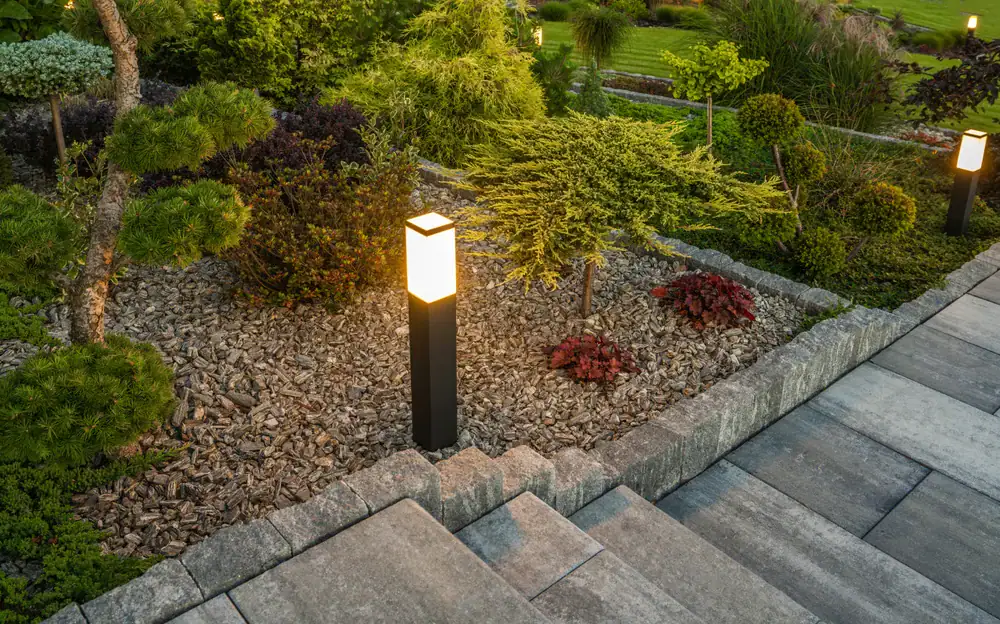
Good mulch installation isn’t just about looks. It keeps moisture in the soil so your plants aren’t fighting through dry spells. It suppresses weeds before they take over your flower beds. And it breaks down over time to feed the soil instead of sitting there like rubber or cheap filler.
You’re also protecting against erosion, especially on sloped properties around North Granville where heavy rain can wash topsoil right off your beds. Mulch acts as a buffer, slowing water down and keeping your soil where it belongs.
The difference between DIY mulching and professional landscape mulching comes down to prep work. If the beds aren’t weeded first, you’re just covering problems. If the mulch is piled too thick, you’re suffocating roots. If it’s applied too thin, you’re not getting any of the benefits. We handle the prep, the application, and the cleanup so the job’s done right the first time.
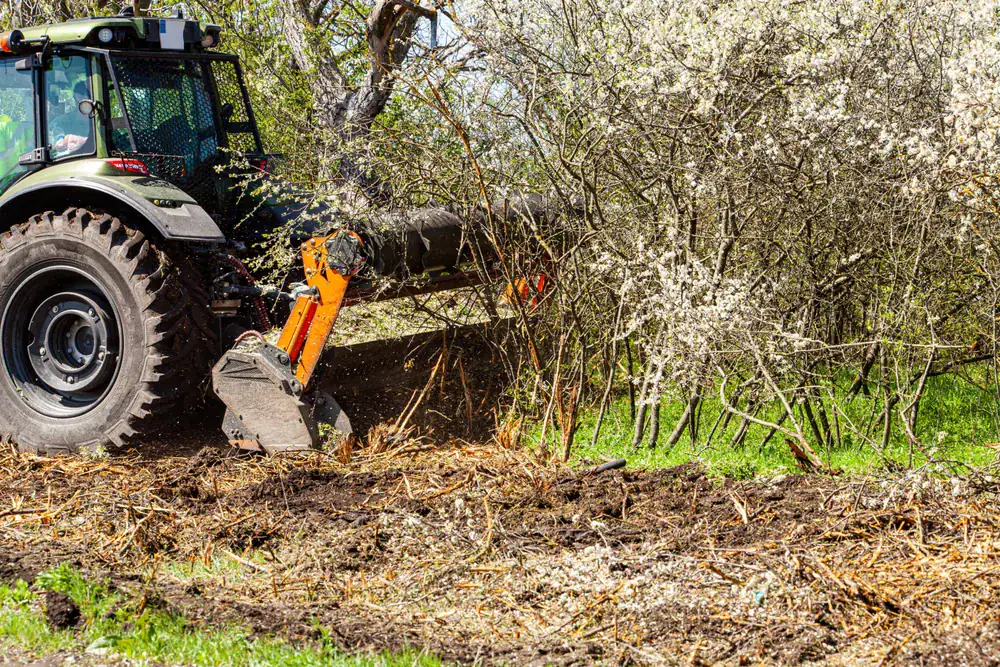
We started as a logging operation and shifted into full-time excavation and site work in 2020. Josh runs the jobs personally, and his son joined as a partner in 2022. That’s how we operate—small crew, direct communication, no middleman.
We’re licensed, insured, and we’ve spent years working across Saratoga, Washington, and Warren Counties. North Granville properties come with their own terrain challenges, and we’ve seen enough of them to know what works. You’re not getting a sales pitch from someone in an office. You’re talking to the person who’ll be on-site.
If you’re building new, clearing land, or just trying to get your beds under control, we handle it the same way: show up, do the work right, and clean up when it’s done.
First, we assess what you’re working with. If your beds are overgrown or full of weeds, we clear that out before any mulch goes down. Skipping this step is how you end up with weeds growing through fresh mulch a month later.
Next, we prep the edges and make sure water flow is going where it should. On sloped areas, that means checking drainage so mulch doesn’t wash out after the first storm. For flower bed mulching or landscape bed mulching, we make sure borders are clean and defined.
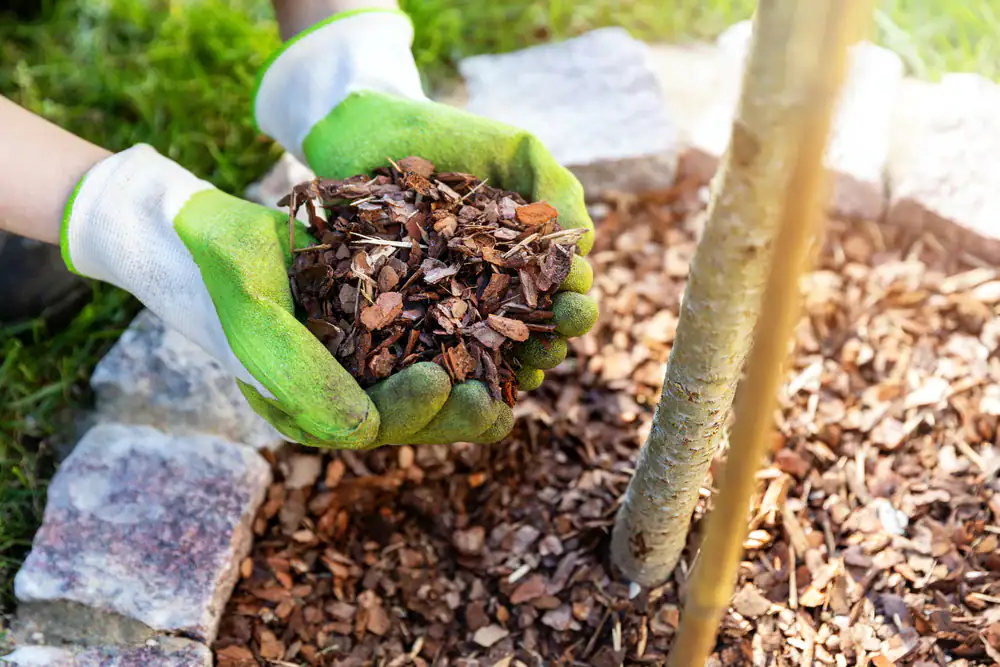
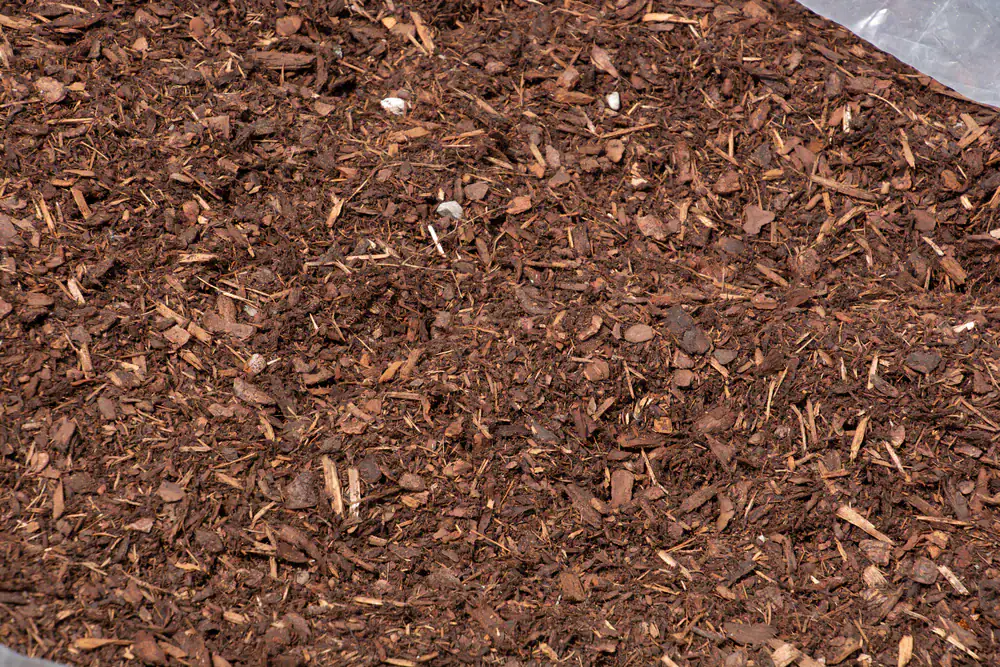
Then we bring in the mulch—organic material that actually benefits your soil as it breaks down. We apply it at the right depth, usually two to three inches, depending on what you’re covering. Too much and you’re choking plants. Too little and you’re not getting weed suppression or moisture retention.
Once it’s down, we clean up. That’s part of the job, not an add-on. You shouldn’t have mulch scattered across your driveway or piled in the wrong spots when we leave.
Ready to get started?
You get site assessment, bed prep, weed removal, and professional-grade organic mulch delivered and installed. We’re not just dumping material and calling it done. The prep work matters as much as the mulch itself.
For properties in North Granville, we account for soil type and drainage patterns. Sandy soil drains fast and benefits from mulch that holds moisture. Clay-heavy areas need mulch that won’t trap water against plant roots. We adjust based on what your property actually needs, not a one-size-fits-all approach.
We also handle mulch removal service if you’ve got old, decomposed material that needs to go before new mulch goes down. Some properties have years of buildup that’s compacted or full of weeds. Layering new mulch over that doesn’t solve anything. We clear it out first, then start fresh.
If you’re working on garden mulching for vegetable beds or landscape bed mulching for ornamental areas, the process is the same—prep, install, clean up. You get a finished product that looks clean and functions the way mulch is supposed to.
Organic mulch breaks down over time, which is actually a good thing—it adds nutrients back into your soil. But that also means it needs refreshing every one to two years depending on the material and how much weather exposure your beds get.
You’ll know it’s time when the color fades to gray, coverage gets thin, or you start seeing more soil than mulch. If weeds are popping through easily, that’s another sign the mulch layer has decomposed too much to be effective.
In North Granville, properties with full sun exposure or heavy rain tend to go through mulch faster. Shaded areas under trees can stretch closer to two years before needing a refresh. We can assess your beds and let you know where you stand.
Organic mulch—shredded hardwood, bark, or wood chips—works best for most landscape applications in this area. It breaks down naturally, improves soil structure, and doesn’t introduce synthetic materials into your beds.
Avoid rubber mulch if you care about soil health. It doesn’t decompose, it heats up in summer sun, and it doesn’t do anything beneficial for your plants. Some people like it because it lasts longer, but you’re trading short-term convenience for long-term problems.
For vegetable gardens or areas where you want faster decomposition, finer mulch like shredded leaves or compost works well. For ornamental beds and high-visibility areas, hardwood mulch gives you a cleaner look and lasts longer between applications. We’ll recommend what makes sense based on how you’re using the space.
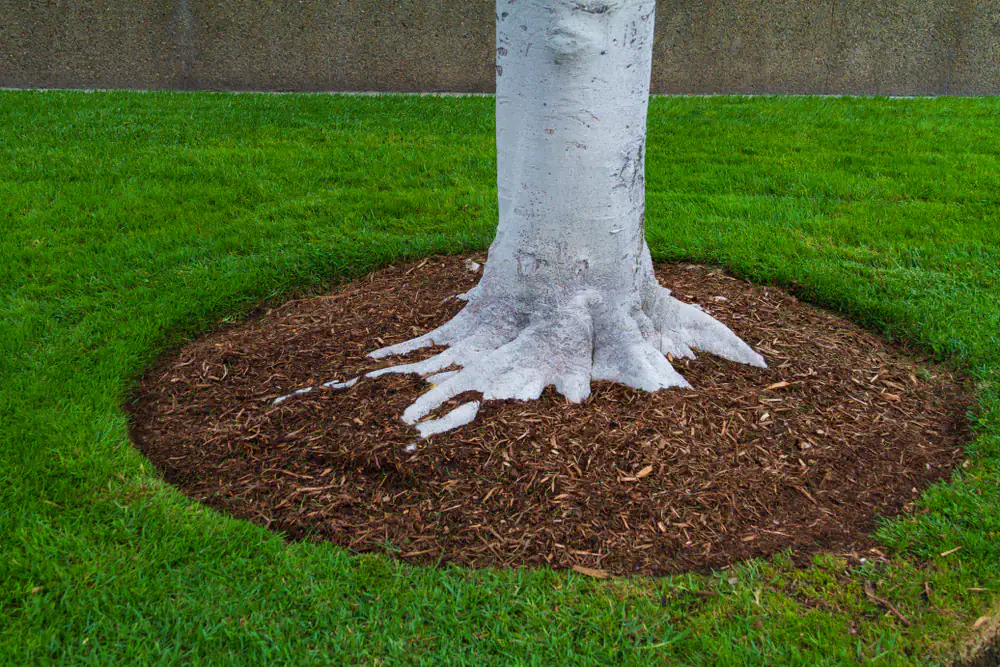
Yes, but it requires knowing how to apply mulch correctly. The biggest mistake people make is piling mulch against plant stems or tree trunks. That traps moisture, invites rot, and creates habitat for pests. Mulch should stop a few inches away from the base of any plant.
We also avoid burying plants under too much material. Two to three inches is the standard depth for most landscape beds. Any deeper and you’re suffocating roots or preventing water from reaching the soil. Any thinner and you’re not getting the weed suppression or moisture retention you’re paying for.
For established flower beds or garden areas, we work around what’s already there. If plants are overcrowded or beds need reshaping, we’ll point that out before we start. You don’t want fresh mulch covering up bigger issues that’ll cost more to fix later.
It depends on how much is there and what condition it’s in. If the old layer has decomposed into the soil and you’ve only got an inch or less remaining, you can usually add new mulch on top without issue.
But if you’ve got several inches of compacted, matted material, or if the old mulch is full of weeds, it needs to come out first. Layering new mulch over that just raises the bed level too high and doesn’t solve the underlying problems. You’ll still have weeds, poor drainage, and mulch that doesn’t perform the way it should.
We offer mulch removal service as part of the job when it’s needed. It’s not always necessary, but when it is, skipping that step means you’re wasting money on new material that won’t work right. We’ll assess what you’ve got and tell you whether removal makes sense.
Cost depends on the size of the area, how much prep work is involved, and how much mulch you need. A small front bed might run a few hundred dollars. Larger properties with multiple beds, slopes, or heavy weed removal will cost more.
You’re paying for labor, materials, delivery, and cleanup. DIY mulching might seem cheaper until you factor in your time, the cost of renting equipment or buying mulch in small quantities, and the risk of doing it wrong. Mulch applied incorrectly doesn’t just look bad—it can damage plants and cost more to fix than doing it right the first time.
We give clear estimates upfront. No hidden fees, no surprises when the job’s done. You’ll know what you’re paying before we start, and you’ll get exactly what we agreed on. If you want a quote for your property in North Granville, reach out and we’ll take a look.
Yes. Mulch slows water runoff, which gives soil time to absorb moisture instead of washing away. On sloped properties around North Granville, erosion is a real issue, especially after heavy rain or spring thaw. Bare soil doesn’t stand a chance against that kind of water movement.
A good mulch layer acts as a protective barrier. It breaks up the force of rain hitting the ground and holds soil in place while plant roots establish. For steeper slopes, we sometimes combine mulch with other erosion control methods depending on how severe the grade is.
The key is using the right material and applying it correctly. Lightweight mulch can wash away on steep grades, so we adjust based on the slope and drainage patterns. If erosion is a concern on your property, we’ll assess the area and recommend what’ll actually hold up.
Other Services we provide in North Granville