
You get soil that holds moisture through dry spells instead of cracking and pulling away from plant roots. A 2-4 inch layer of quality mulch can cut water evaporation by half, which means less time dragging hoses around and lower water bills during North Creek’s summer months.
Weeds don’t stand a chance when mulch blocks sunlight from reaching seeds in the soil. You’re not spending weekends on your knees pulling the same weeds over and over. The mulch does that work for you by creating a barrier young weeds can’t break through.
Your soil temperature stays regulated. Mulch keeps roots cooler when it’s hot and insulates them when temperatures drop. That protection matters in North Creek, where temperature swings can stress plants and limit what survives winter. You end up with healthier plants that actually make it through the seasons instead of replacing them every year.
We started as a logging operation in 1997 and evolved into full-service excavation and land management. Josh runs the business with his son, who joined as a partner in 2022. You’re working with people who’ve spent decades understanding North Creek’s soil conditions, terrain, and what actually works here.
Josh shows up to nearly every job. That’s not marketing talk—it’s how we run the business. You’re not getting a different crew every time or wondering if the work matches what you discussed. The same people who walk your property and talk through your needs are the ones operating the equipment.
Our focus is on being your excavation and land management resource long-term, not just showing up for one job and disappearing. That means doing the work right the first time, being straight about what you need versus what you don’t, and making sure you know how to maintain what we install.
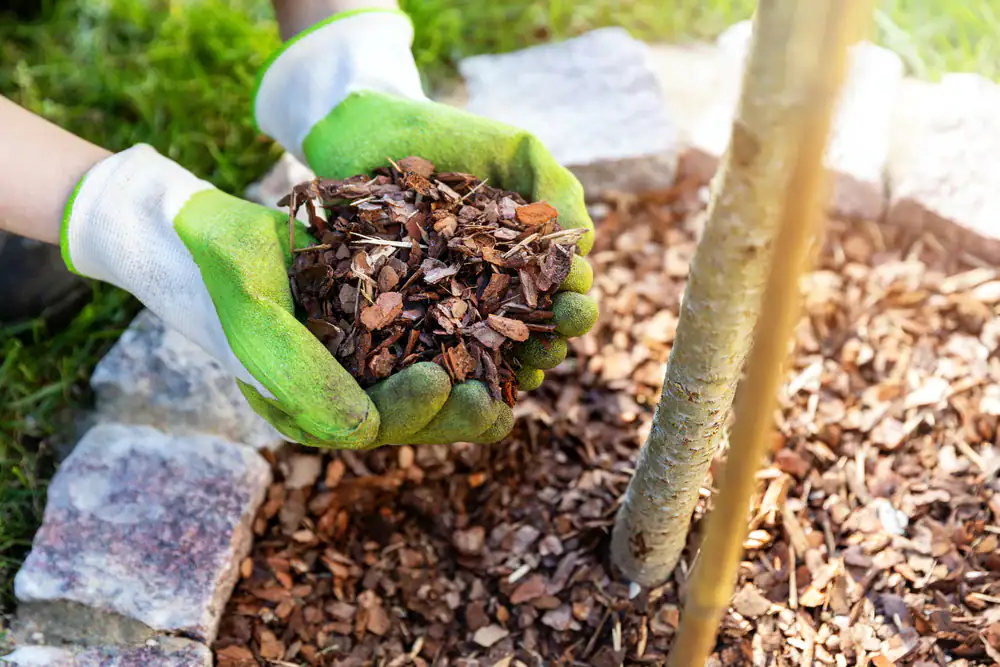
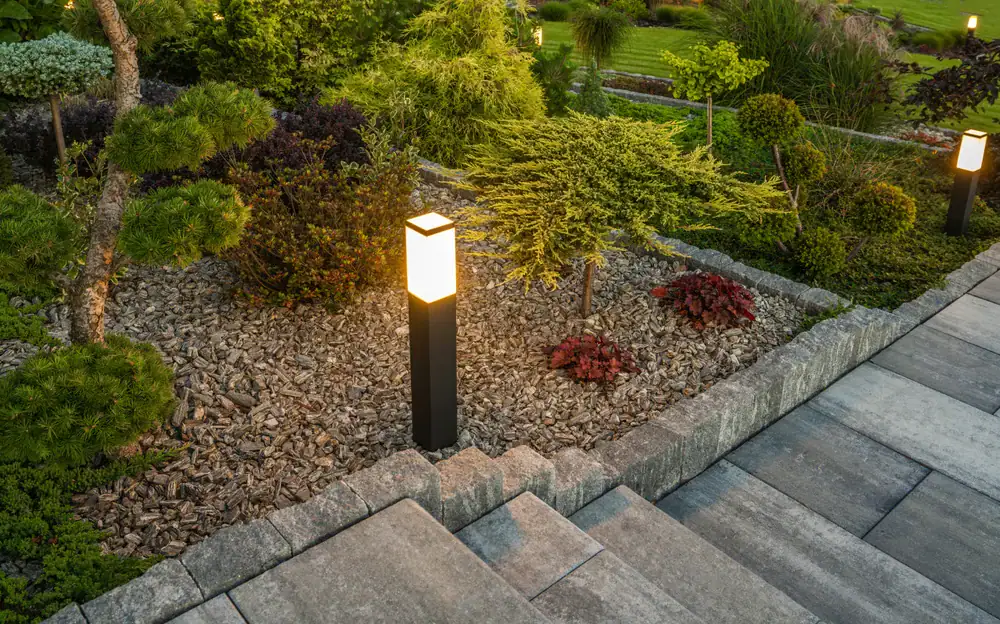
It starts with looking at your property and talking through what you’re trying to accomplish. Some people need garden mulching around flower beds for weed control and appearance. Others need landscape bed mulching across larger areas to prevent erosion on slopes or protect new plantings. We figure out how much material you actually need and what type makes sense for your situation.
We prep the area before any mulch goes down. That means pulling existing weeds, edging bed lines so they’re clean and defined, and making sure the soil grade is right. Mulch dumped over weeds or uneven ground doesn’t work—it just hides problems temporarily.
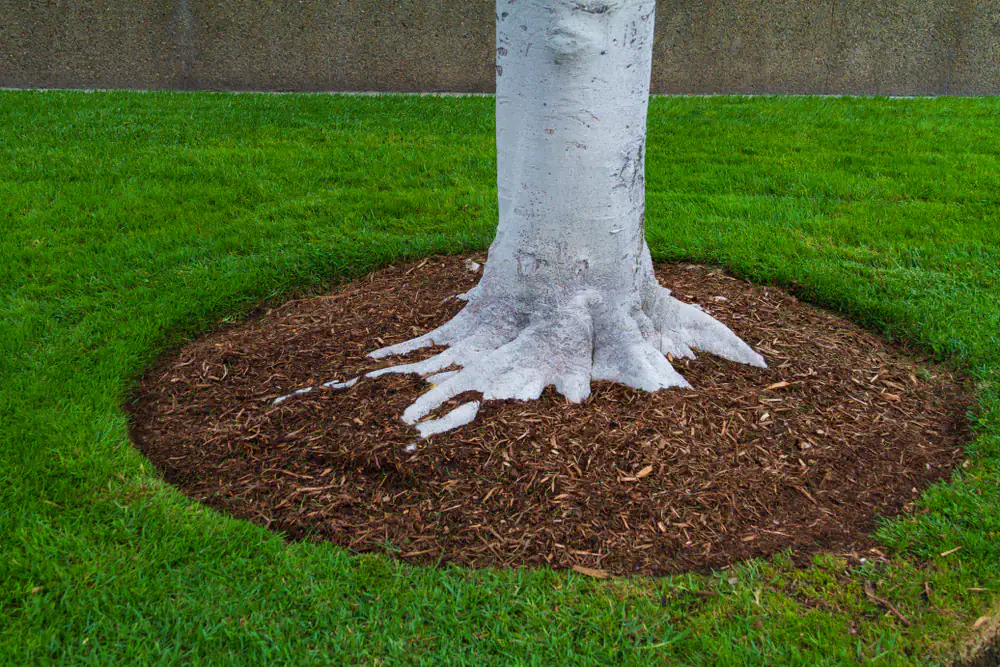
Then we install the mulch at the right depth. Too little and weeds push through. Too much and you’re suffocating plant roots and wasting money on material you didn’t need. We spread it evenly, keep it away from tree trunks and plant stems where it can cause rot, and make sure the finished result looks clean. You’re left with beds that are functional and sharp-looking, and we haul away any debris from the prep work.
Ready to get started?
You get site assessment and material recommendations based on your property’s specific needs. We’re not pushing the most expensive mulch or overselling quantities. If you’ve got flower bed mulching needs around your home’s foundation, that’s different from landscape mulching across a large sloped yard. The material type, depth, and installation approach change depending on what you’re dealing with.
North Creek properties face real erosion challenges, especially on sloped lots or areas with heavy runoff during spring thaw and summer storms. Our mulch installation process accounts for that. We look at drainage patterns, soil composition, and where you’re losing ground. Then we install mulch in a way that actually slows water movement and protects topsoil instead of just covering dirt.
We also handle mulch removal service when old mulch has broken down, compacted, or needs replacing. Piling new mulch on top of old material year after year creates problems—excessive depth, poor drainage, pest habitat. Sometimes you need to strip it out and start fresh. We remove the old material, address any issues underneath, and install new mulch at proper depth. The property ends up healthier and better protected, not just temporarily prettier.
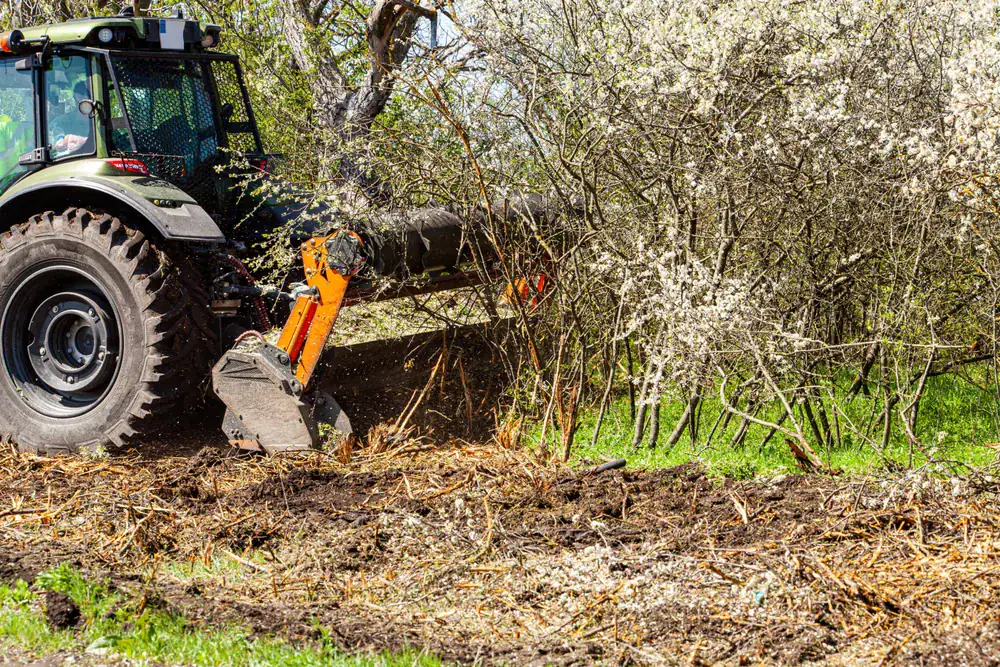
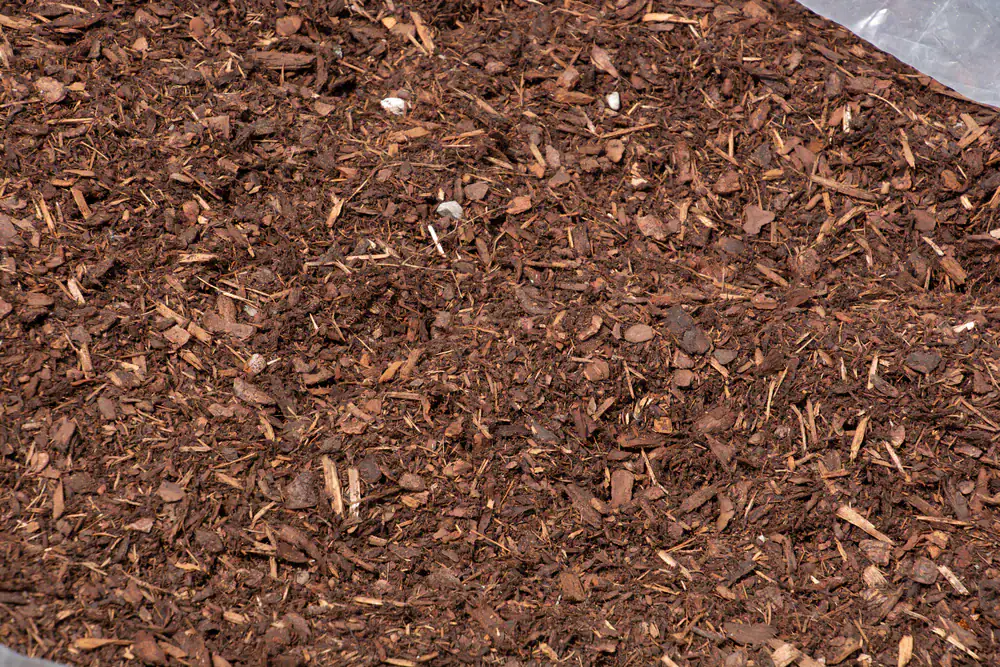
It depends on what you’re mulching and what you’re trying to accomplish. Shredded hardwood mulch is the most common choice for garden mulching and landscape bed mulching because it breaks down at a reasonable pace, adds organic matter to soil, and stays in place better than lighter materials. It typically costs $35-40 per cubic yard and gives you good weed suppression and moisture retention.
Cedar and cypress mulch cost more—usually $100-120 per cubic yard—but they last longer and naturally repel insects. If you’re mulching around your home’s foundation or in areas where you’ve dealt with termites or carpenter ants, that extra cost can be worth it. The natural oils in cedar and cypress break down slower and provide some pest protection that standard hardwood doesn’t.
For areas with heavy foot traffic or playgrounds, shredded rubber mulch stays put and doesn’t decompose, but it doesn’t improve your soil either. For most residential landscape mulching in North Creek, you’re better off with organic options that feed the soil as they break down. We’ll walk your property and recommend what makes sense for each area based on sun exposure, slope, existing plants, and your maintenance preferences.
Most organic mulch breaks down enough to need refreshing every 1-2 years. You’ll notice it’s time when the color fades significantly, the layer has thinned to under 2 inches, or weeds start pushing through more easily. North Creek’s freeze-thaw cycles and summer heat speed up decomposition, especially in beds that get full sun.
You don’t always need complete mulch removal service and replacement. Often you can add a fresh 1-2 inch layer on top of existing mulch if the old material hasn’t compacted or created drainage issues. We check the total depth before adding more—anything over 4 inches starts causing problems by keeping air and water from reaching roots properly.
Complete removal and replacement makes sense every 3-4 years, or sooner if you’re seeing matted, compacted mulch that water runs off instead of soaking through. We pull out the old material, address any weed issues or soil problems underneath, and install fresh mulch at proper depth. That reset keeps your beds functioning right instead of just looking good temporarily. Spring and fall are the best times for this work in North Creek—spring because everything’s ready to grow, fall because you’re protecting plants heading into winter.
Yes, but the installation approach matters more on slopes than flat ground. Mulch slows water movement across soil surface and gives rain time to soak in instead of running off and carrying topsoil with it. That’s critical on North Creek properties where spring runoff and summer storms hit sloped yards hard.
The key is installing mulch after addressing the grade and drainage pattern. If water’s already cutting channels down a slope, dumping mulch over it won’t fix the problem—it’ll just wash away with the next heavy rain. We look at where water’s coming from, how fast it’s moving, and whether you need additional erosion control measures like sediment barriers or strategic plantings before mulch goes down.
For steeper slopes, we sometimes use larger, heavier mulch chunks that interlock and stay in place better than fine shredded material. We also install it slightly deeper on slopes—closer to 4 inches than 2—to create more resistance to water flow. The goal is slowing erosion and protecting soil long-term, not just covering bare ground temporarily. Properly installed landscape mulching on slopes can cut soil loss dramatically and give you stable ground that supports healthy plant growth instead of washing away every season.
Bagged mulch from big box stores costs significantly more per cubic yard and often contains lower quality material. You’re paying for packaging, shipping, and retail markup. A typical 2 cubic foot bag costs $3-5, which works out to $80-135 per cubic yard. Bulk mulch delivered and installed professionally runs $35-40 per cubic yard for quality hardwood.
Quality matters more than most people realize. Cheap bagged mulch sometimes contains ground-up pallets, construction debris, or wood that’s already rotting. You can end up introducing weed seeds, fungus, or even nails into your garden beds. Bulk mulch from reputable suppliers is cleaner, more consistent, and actually does what mulch is supposed to do—protect and improve your soil.
The bigger difference is installation. Mulch dumped unevenly or at wrong depth doesn’t work right. Too shallow and weeds break through. Too deep and you’re suffocating roots and wasting money. Professional mulch installation means proper bed prep, correct depth throughout, clean edges, and material kept away from plant stems and tree trunks where it causes rot. You end up with beds that function properly and look professional, not just covered in wood chips.
Mulch itself doesn’t attract termites, but it can create conditions they like if installed incorrectly. Termites need moisture, wood, and soil contact. When mulch is piled against your home’s foundation or siding, it holds moisture against the structure and gives termites a hidden path from soil to wood. That’s an installation problem, not a mulch problem.
Proper flower bed mulching around your foundation means keeping mulch 6-8 inches away from siding and maintaining a gap where you can see the foundation. That clearance lets air circulate, keeps wood dry, and makes it easy to spot any pest activity before it becomes a problem. We install mulch with that gap built in so you’re protected from the start.
Cedar and cypress mulch contain natural oils that repel insects, which is why they cost more than standard hardwood. If you’ve had termite issues before or you’re particularly concerned, those options give you extra protection. But even with regular hardwood mulch, correct installation eliminates most pest risk. The key is keeping mulch away from structures, maintaining proper depth so it doesn’t stay constantly saturated, and checking periodically for any issues. Installed right, mulch protects your landscape without creating pest problems.
Spring and fall are ideal for mulch installation in North Creek. Spring application—typically late April through May once the ground thaws and dries out—gives you weed suppression right before growing season kicks in. Your beds are protected and ready before summer heat arrives. Soil’s warming up, plants are starting active growth, and fresh mulch helps retain moisture through the dry months ahead.
Fall application—September through October before ground freezes—protects roots heading into winter and prevents erosion from freeze-thaw cycles. Mulch installed in fall insulates soil, moderates temperature swings, and keeps topsoil from washing away during spring thaw. You’re also getting ahead of spring rush when everyone wants landscaping work done at once.
You can install mulch in summer if needed, but you’re working in heat and plants are already stressed. Winter installation doesn’t work in North Creek because frozen ground prevents proper bed prep and mulch doesn’t settle correctly. If you’re planning landscape mulching or garden mulching work, reach out in early spring or late summer to get on the schedule. That timing gives you the best results and ensures the work gets done when conditions are right, not rushed because you waited until the last minute.
Other Services we provide in North Creek