You’re not just covering dirt. Proper mulch installation in Lake Sunnyside, NY creates a protective barrier that slashes your water usage, regulates soil temperature through harsh Adirondack winters and summers, and feeds your soil as it breaks down.
Most property owners see the curb appeal benefit immediately. Garden beds look defined, polished, intentional. But the real value shows up in your water bill and the hours you’re not spending pulling weeds every weekend.
When mulch is applied at the right depth—typically 2-3 inches for flower bed mulching—it blocks sunlight from reaching weed seeds while still allowing water and air to reach plant roots. Too shallow and weeds punch through. Too deep and you risk root rot and fungal problems that cost more to fix than the mulch saved you.
The Lake Sunnyside climate demands mulch that can handle temperature swings and seasonal moisture changes. Organic mulch breaks down over time, releasing nitrogen, phosphorus, and potassium back into your soil. That means healthier plants, better root development, and less money spent on fertilizers.
We’ve been working in Lake Sunnyside, NY and throughout Saratoga, Warren, and Washington Counties since 1997. What started as a logging operation evolved into full-service excavation and site work, including professional mulch installation and landscape bed mulching.
Josh is on-site for nearly every job. That’s not marketing talk—it’s how we operate as a family business. When his son joined as a partner in 2022, it reinforced what was already true: quality matters more than speed, and relationships outlast single transactions.
Lake Sunnyside properties face specific challenges. The soil composition, seasonal freeze-thaw cycles, and local vegetation all affect how mulch performs. We’ve seen what works and what fails after a single winter, and we prep beds accordingly before any mulch goes down.
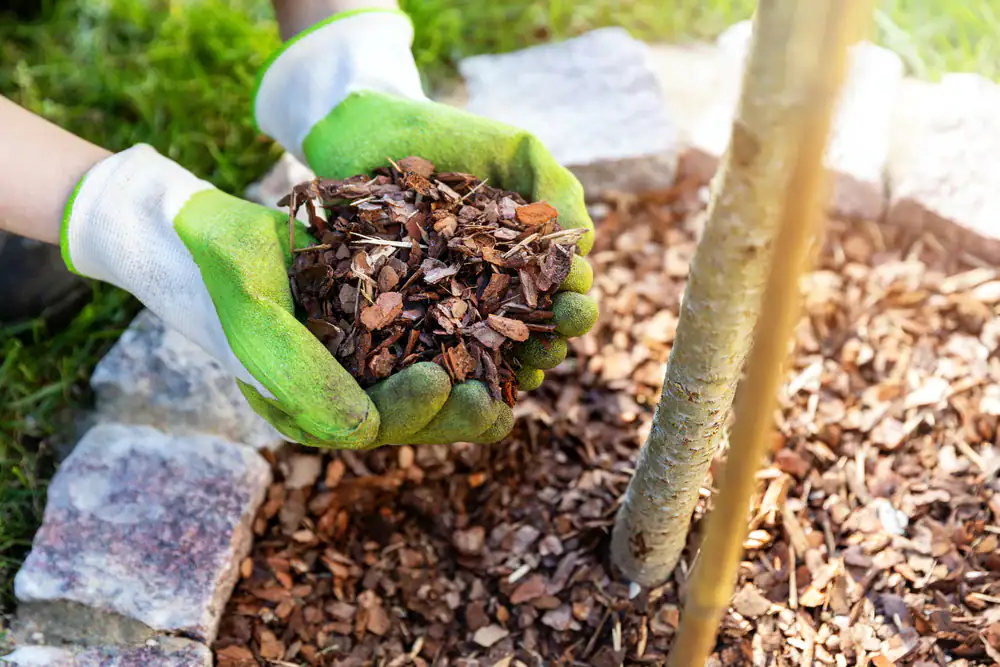
First, we assess your existing beds. If old mulch has compacted or broken down unevenly, we remove or redistribute it. Weeds get pulled, edges get redefined, and soil gets leveled. Skipping this step is why DIY mulching often looks patchy within weeks.
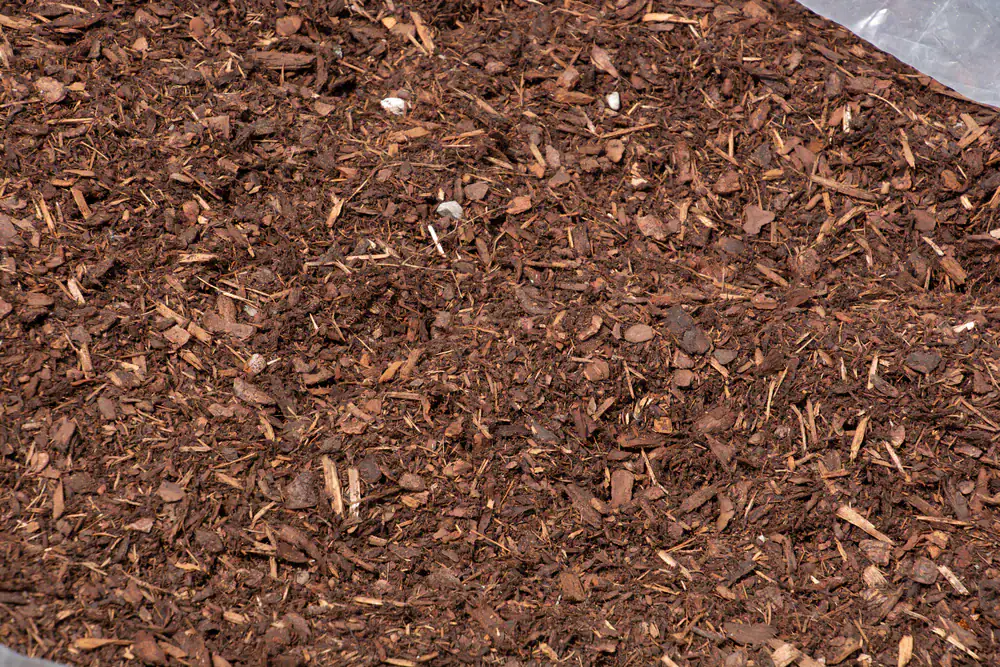
Next comes material selection. We source mulch in bulk, which means better pricing than bagged products and more consistent quality. For most Lake Sunnyside properties, we recommend organic hardwood mulch that breaks down gradually and enriches soil over time. If you’re dealing with slopes or erosion-prone areas, we adjust the type and application method.
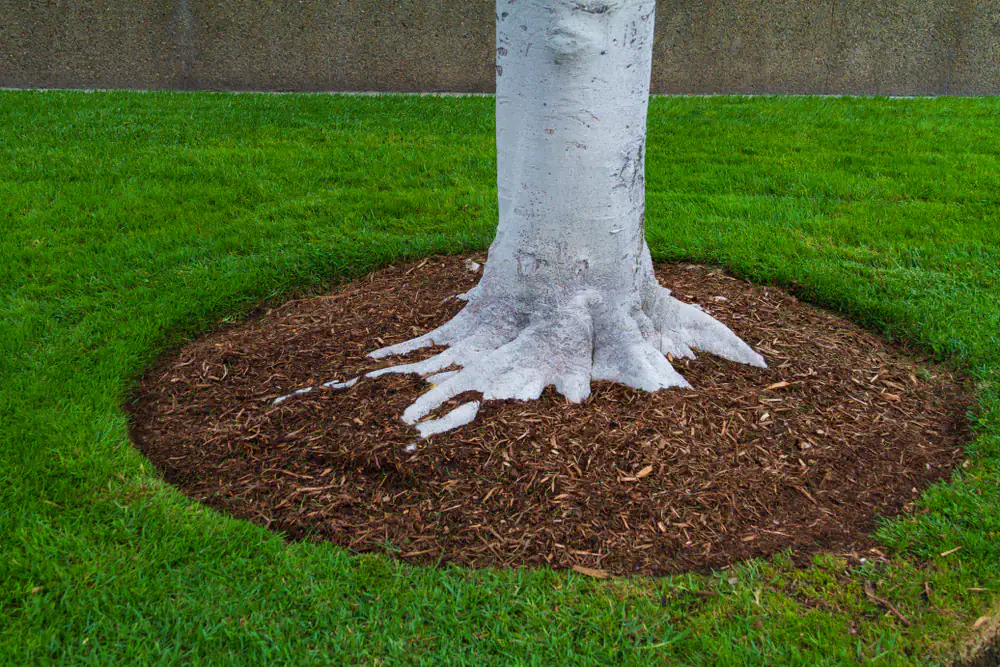
Installation depth matters. We apply 2-3 inches for flower bed mulching and landscape bed mulching, keeping mulch a few inches away from plant stems and tree trunks to prevent moisture buildup and rot. Beds get smooth contours, clean borders, and even coverage—not the volcano-shaped piles you see around trees in amateur jobs.
Cleanup is part of the service. Driveways, walkways, and lawn edges get cleared of any stray mulch. You’re left with beds that look intentional and professional, not like someone dumped a truckload and called it done.
Ready to get started?
Bed preparation comes first. We clear out old, compacted mulch, pull existing weeds, and redefine bed edges so everything looks sharp before new material goes down. This step prevents the lumpy, uneven look that happens when new mulch just gets piled on top of old.
Material delivery is handled in bulk. We’re not hauling bags from a big-box store—we source quality organic mulch by the yard, which gives you better coverage, more consistent color, and lower cost per square foot. For Lake Sunnyside properties, we typically recommend hardwood mulch that holds up through winter freeze-thaw cycles and breaks down slowly enough that you’re not re-mulching twice a year.
Professional installation means even depth across all beds, clean borders, and proper clearance around plant stems and tree trunks. We don’t pile mulch against bark, which invites rot and pest problems. Beds get smooth, natural contours that direct water where it needs to go.
Post-installation cleanup is standard. We clear driveways, walkways, and turf areas of any stray material. The job isn’t finished until your property looks better than when we arrived—not just the beds, but everything around them too.
Most Lake Sunnyside properties need fresh mulch every 12-18 months, depending on the type used and exposure to weather. Organic mulch breaks down naturally, which is actually beneficial because it adds nutrients back into your soil. But as it decomposes, it loses volume and effectiveness.
You’ll know it’s time when the mulch layer thins to less than two inches, color fades significantly, or weeds start breaking through more frequently. In high-visibility areas like front flower beds, many property owners refresh mulch annually in spring to maintain curb appeal. Back beds or less-trafficked landscape areas can often go 18 months between applications.
The Adirondack climate accelerates breakdown in some ways and slows it in others. Freeze-thaw cycles can break down mulch structure faster, but cold winters also slow microbial activity that causes decomposition. If you’re using dyed mulch for aesthetic reasons, expect color to fade within a year even if the material itself is still functional.
Mulch installation is straightforward—we’re adding new material to beds that either have minimal existing mulch or have been properly prepped. Mulch removal service becomes necessary when old mulch has compacted into a dense, water-repelling mat, or when beds have accumulated so many layers over the years that they’re now several inches higher than they should be.
Excessive mulch depth—anything over 4 inches—creates problems. It holds too much moisture against plant stems, encourages fungal growth, and can actually prevent water from reaching roots. In these cases, we remove the excess material before installing a fresh layer at the proper depth.
Removal also makes sense if previous mulch was low-quality, contained weed seeds, or has become infested with pests. Starting fresh costs more upfront but solves problems that would otherwise persist no matter how much new mulch you pile on top. For most Lake Sunnyside properties on a regular maintenance schedule, removal isn’t necessary—we just refresh the existing layer after light prep work.
Professional landscape mulching in Lake Sunnyside typically ranges from $75-$150 per cubic yard installed, depending on bed size, site access, prep work required, and material type. Most residential properties need 3-8 yards for standard flower bed mulching and landscape bed mulching around the home.
Bulk pricing gives you better value than bagged mulch from retail stores, where you’re paying $4-6 per bag and each bag only covers about 8-12 square feet at proper depth. By the time you factor in your labor, vehicle wear, and multiple trips, professional installation often costs less than DIY—and it’s done correctly the first time.
Prep work affects total cost. If beds need significant weed removal, edging, or old mulch removal, that adds labor time. Properties with difficult access—narrow gates, steep slopes, long distances from where the truck can park—also increase price because material has to be moved by wheelbarrow instead of dumped close to beds. We provide clear estimates upfront so you know exactly what you’re paying before work starts.
Organic hardwood mulch performs best for most Lake Sunnyside properties. It breaks down gradually, feeding your soil with nutrients while maintaining structure through winter freeze-thaw cycles. Cedar and pine mulches are options if you want natural pest-repelling properties, but they break down faster and need replacement more frequently.
Dyed mulches—typically black, brown, or red—offer longer-lasting color but don’t improve soil the way natural hardwood does. The dye itself is generally safe, but you’re prioritizing appearance over soil health. For front beds where curb appeal matters most, dyed mulch makes sense. For back beds and functional landscape areas, natural hardwood gives you better long-term value.
Avoid cheap mulch that’s heavily mixed with construction debris, treated wood, or excessive fines (sawdust-like material). This stuff compacts quickly, repels water, and can introduce chemicals you don’t want near plants. We source from suppliers we’ve worked with for years, so material quality stays consistent. You’re not getting mystery mulch that looks fine in the pile but performs poorly once it’s spread.
Yes. Properly applied mulch can reduce soil water evaporation by up to 70%, which translates directly to lower irrigation needs and smaller water bills. This isn’t marketing exaggeration—it’s basic physics. Mulch creates a barrier between soil and air, slowing evaporation while still allowing water to penetrate when you irrigate or when it rains.
For Lake Sunnyside properties, this matters most during summer dry spells when unmulched beds can dry out within days of watering. With a 2-3 inch mulch layer, soil stays moist significantly longer, meaning you’re watering less frequently and using less water per session. Over a growing season, that adds up to hundreds of gallons saved.
The water retention benefit also means healthier plants. Consistent soil moisture reduces plant stress, improves root development, and leads to better growth and flowering. Plants aren’t constantly cycling between drought stress and saturation, which weakens them and makes them more susceptible to disease and pests. Mulch creates the stable environment roots need to thrive, especially during the temperature swings common in the Adirondack region.
Spring is ideal for mulch installation in Lake Sunnyside, typically late April through May once soil has warmed and you’ve finished any early-season planting. This timing gives beds a fresh look for the growing season and establishes the protective layer before summer heat and dry periods arrive.
Early fall—September through early October—is the second-best window. Fall mulching insulates roots heading into winter, protects against freeze-thaw damage, and means one less thing to handle during the spring rush. Beds look clean going into winter, and the mulch has months to start breaking down and enriching soil before the next growing season.
Avoid mulching in late fall after the ground has frozen, or in winter when snow and ice make proper installation impossible. Also skip mulching during mid-summer heat waves when disturbing beds can stress plants that are already dealing with high temperatures. If you’re on a tight timeline, we can work outside these ideal windows, but spring and early fall give you the best results with the least risk to existing plants.
Other Services we provide in Lake Sunnyside