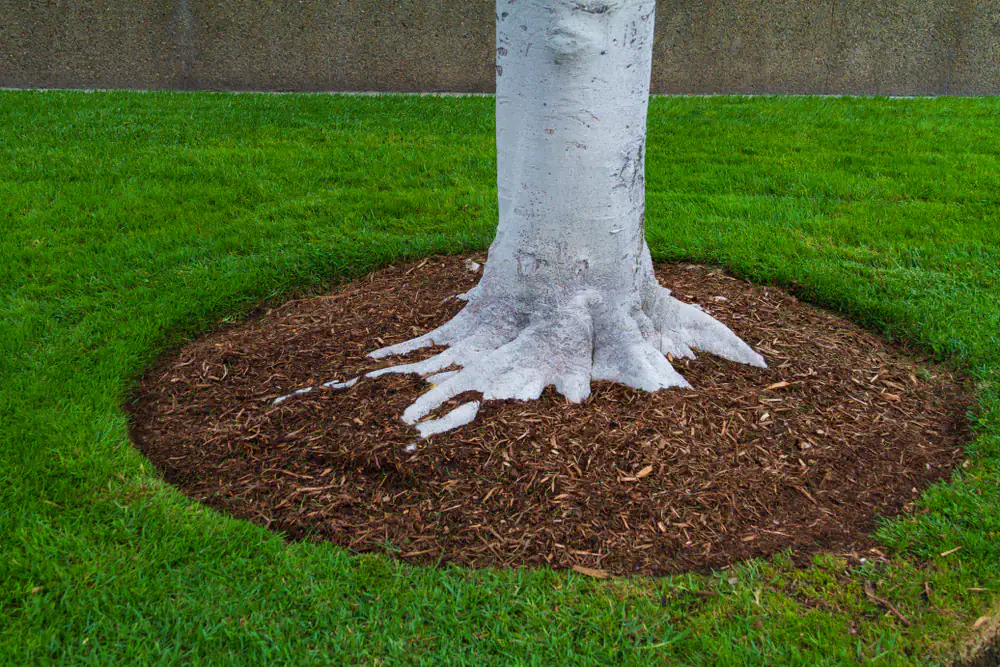
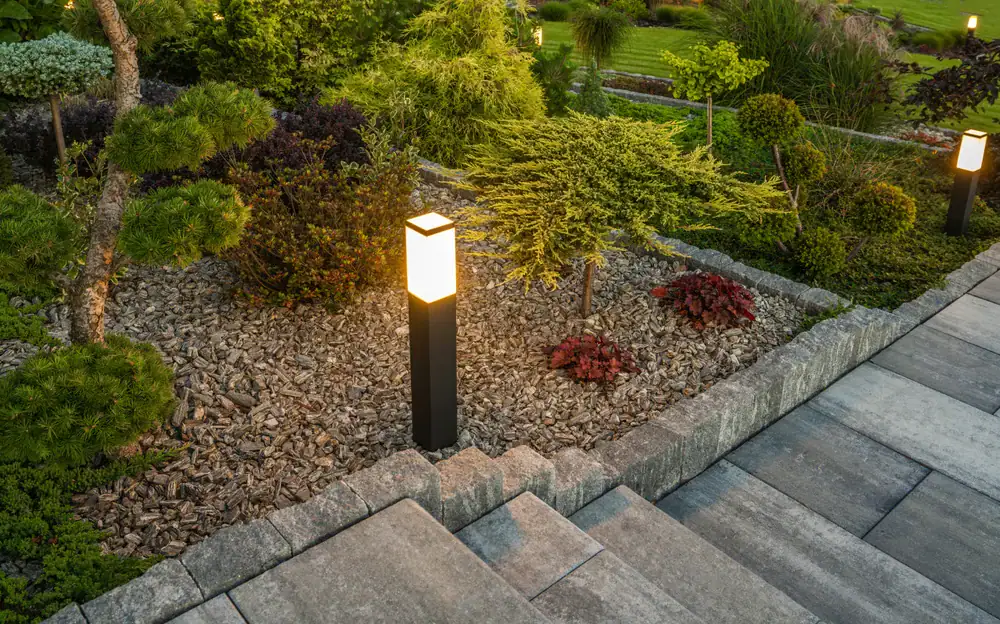
You’re tired of loading dirty mulch bags into your car. You’re done with the guesswork about how much to buy, how deep to spread it, and whether you’re doing it right. And honestly, you’d rather spend your weekend doing anything else.
Here’s what changes when mulching services are handled professionally. Your flower beds and landscape beds get even coverage at the right depth—not too shallow where weeds break through, not too deep where you’re suffocating roots. Your soil stays cooler in summer and warmer in spring, which means your plants aren’t fighting temperature swings every week.
Water stays where it belongs instead of evaporating before your plants can use it. That means less time dragging hoses around and lower water bills during dry stretches. Weeds have a harder time taking root because they’re blocked from light and space. Your property looks finished and maintained without you spending hours bent over a wheelbarrow.
The mulch we install breaks down slowly over time, feeding your soil with organic matter. That’s not something you see right away, but your plants feel it. Healthier roots, better growth, fewer problems. And when spring rolls around next year, you’re starting from a better place than you were before.
We started as a logging operation and grew into full-service excavation and site preparation across Saratoga, Warren, and Washington counties. We’re a family business—Josh is on almost every job, and his son works alongside him. That’s not marketing talk. That’s how we operate.
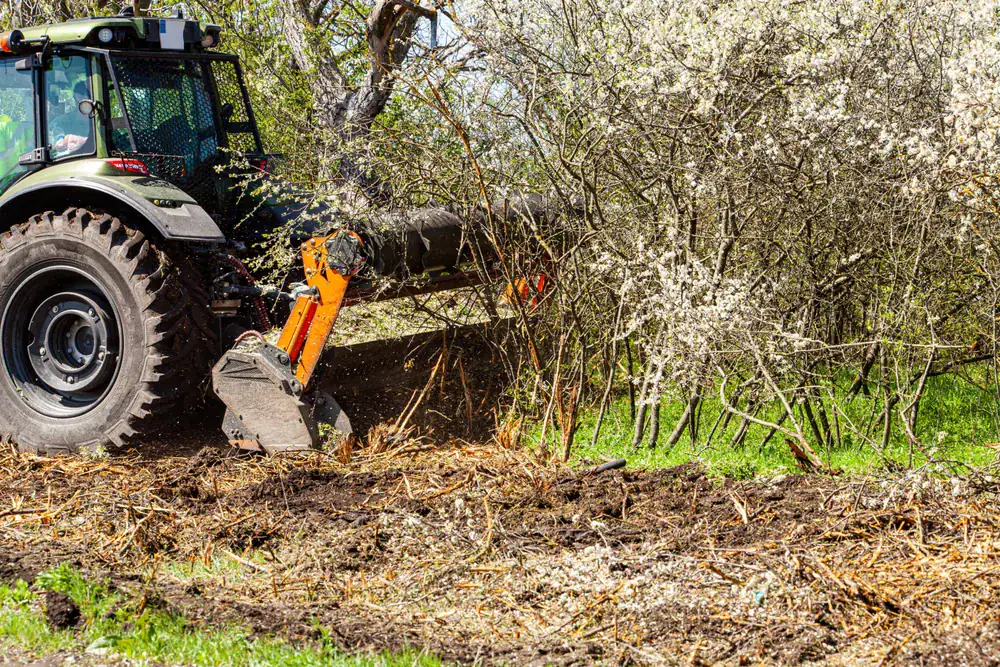
We handle new home site prep, driveways, septic systems, and land clearing. Mulching services fit naturally into that work because we’re already moving material, operating equipment, and preparing properties. When you call us for garden mulching or landscape bed mulching in Kingsbury, NY, you’re getting a crew that understands how sites drain, where soil settles, and what your property needs beyond just dumping mulch.
We’re not trying to be the cheapest option. We’re here to do the job right so you don’t need to call someone else to fix it. That’s how we’ve built our reputation throughout these counties, and it’s how we plan to keep it.
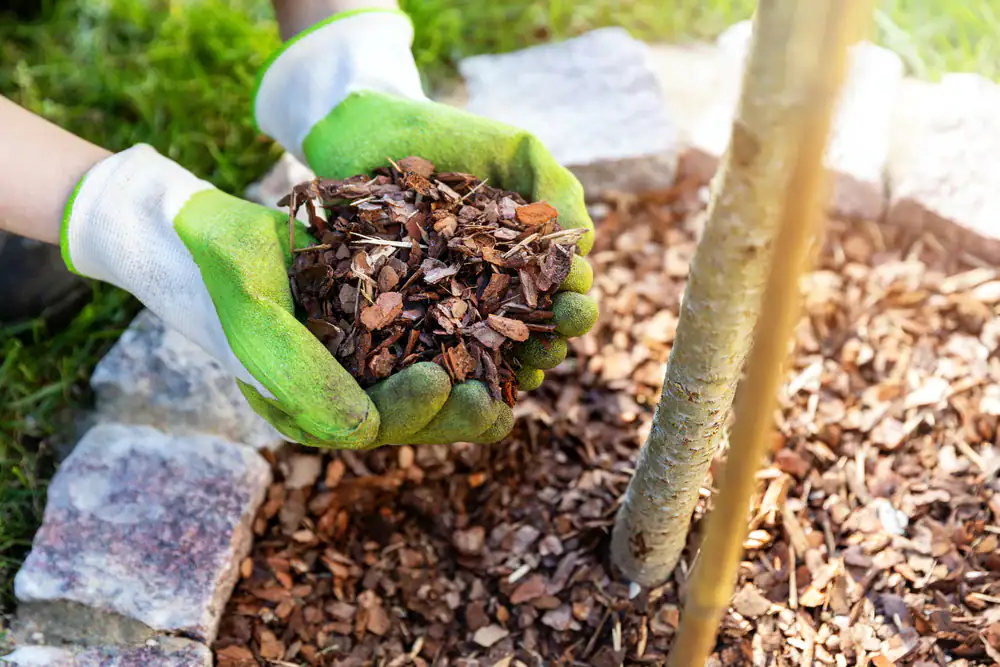
First, we look at what you’re working with. If old mulch needs to come out because it’s compacted, moldy, or just past its useful life, we remove it. That’s not always necessary, but when it is, we handle it so you’re starting clean.
Next, we prep the beds. That means edging if needed, clearing debris, and making sure the surface is ready for new material. If you want a pre-emergent treatment to slow down weeds, this is when it goes down. We’re not landscapers, but we work with enough of them to know what makes sense.
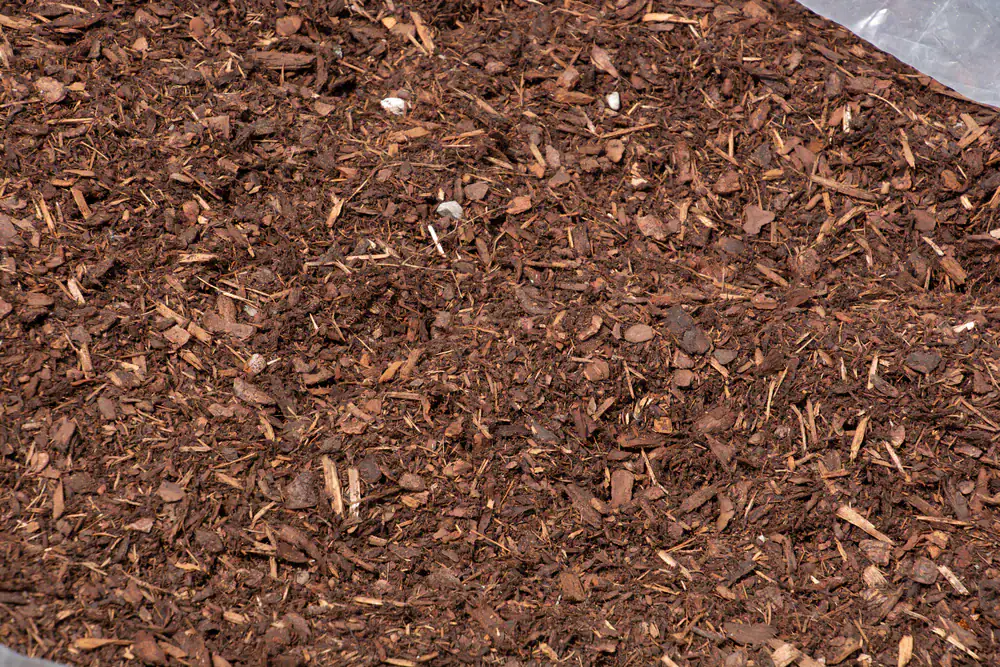
Then we deliver and spread the mulch. We’re talking bulk delivery, not bags. You tell us what type you want—hardwood, cedar, pine bark, whatever fits your budget and look. We spread it evenly at the right depth, usually two to three inches. Not piled against tree trunks, not thin enough to see through. Just even, professional coverage.
Finally, we clean up. Mulch doesn’t stay on driveways or sidewalks. We’re not leaving you with a mess to deal with after we’re gone. The job’s done when your property looks the way it should—and you didn’t have to touch a shovel.
Ready to get started?
When you hire us for flower bed mulching or landscape mulching in Kingsbury, NY, you’re getting bulk mulch delivery, professional installation, and site cleanup. We’re not dropping a pile in your driveway and calling it done.
You also get someone who understands local conditions. Kingsbury sits in Washington County where soil composition varies and drainage matters. Spring comes late some years, early others. We know when to schedule mulch installation so your soil has warmed up enough that you’re not slowing down plant growth. Mid to late spring is usually the sweet spot here, but it depends on the year.
We handle the logistics you don’t want to think about. How much mulch do you actually need? What depth works for your beds without overdoing it? Should old mulch come out first, or can we layer over it? These aren’t hard questions when you’ve done this across three counties for years, but they’re annoying to figure out on your own.
You’re also getting equipment that makes the job faster and cleaner. We move material efficiently, spread it evenly, and don’t tear up your lawn in the process. That’s the difference between a crew with professional tools and someone working out of a pickup truck.
Cost depends on how much area you’re covering, what type of mulch you choose, and whether we need to remove old material first. Hardwood mulch is usually the most affordable. Cedar and colored mulches cost more. Pine bark falls somewhere in the middle.
For a typical residential property with standard flower beds and landscape beds, you’re usually looking at a few hundred to over a thousand dollars depending on scope. That includes delivery, installation, and cleanup. If you need mulch removal service before we install new material, that adds to the total because it’s additional labor and disposal.
The best way to know what your project costs is to call us. We’ll ask about square footage, current condition, and what you’re trying to accomplish. Then we give you a straightforward number. No hidden fees, no surprises when we’re done.
Mid to late spring is usually ideal for mulch installation in Kingsbury, NY. You want soil temperatures to warm up first—usually April or May depending on the year. If you mulch too early, you’re actually insulating cold soil and slowing down plant growth.
Fall is another option if you’re focused on winter protection for roots and preventing erosion during freeze-thaw cycles. Some people mulch twice a year, but most residential properties only need it once annually in spring.
If you’re doing landscape bed mulching as part of a larger project—new plantings, bed redesign, site prep—timing depends more on when that work happens. We coordinate with your schedule and make sure everything flows in the right order. The worst time to mulch is summer when plants are stressed and you’re just adding labor during the hottest months.
Hardwood mulch is the most common choice around here. It’s affordable, breaks down at a reasonable pace, and works well for most landscape beds and garden mulching applications. It’s not flashy, but it does the job.
Cedar mulch costs more but lasts longer and has natural oils that repel some insects. If you’ve got areas near your house or high-visibility beds, cedar makes sense. Pine bark is another option—it’s lighter, doesn’t compact as much, and works well on slopes where you need something that won’t wash away as easily.
Colored mulches (black, red, brown) are available if you want a specific look, but they’re dyed and don’t break down as beneficially as natural options. For most properties in Kingsbury, NY, we recommend starting with hardwood unless you have a specific reason to go another direction. We’ll walk through options when we look at your property.
Not always, but sometimes yes. If your old mulch is compacted, matted, or starting to smell sour, it needs to come out. Compacted mulch stops water and air from reaching soil, which defeats the purpose. Sour mulch means it’s breaking down anaerobically, and that’s not helping your plants.
If your existing mulch is still loose and relatively fresh, we can add a new layer on top. Most organic mulch breaks down over time and adds to your soil, so layering works fine as long as you’re not building up excessive depth. You never want more than three inches total, or you risk suffocating roots and creating pest habitat.
We’ll tell you what makes sense when we see your beds. If removal is needed, our mulch removal service handles it as part of the project. If not, we save you that cost and just refresh what’s there. Either way, you’re getting an honest assessment based on what your property actually needs.
Mulch reduces weeds significantly, but it doesn’t eliminate them completely. A proper two to three inch layer blocks sunlight, which prevents many weed seeds from germinating. It also makes the weeds that do sprout easier to pull because they’re rooting in loose mulch instead of hard soil.
The problem is that mulch itself breaks down into organic matter, and that creates a perfect environment for seeds to sprout. Wind blows seeds in, birds drop them, and some weeds need almost nothing to grow. That’s why even well-mulched beds get some breakthrough.
If you want better weed control, we can apply a pre-emergent treatment before spreading mulch. That stops seeds from germinating for several months. It’s not permanent, and it won’t kill existing weeds, but it gives you a cleaner start. Most people who stay on top of garden mulching and landscape bed mulching annually have way fewer weed problems than those who skip it or let mulch get thin.
Most properties need fresh mulch once a year. Organic mulch breaks down, compacts, and fades over time. By the end of a year, you’ve usually lost an inch or more to decomposition and settling. That’s actually good for your soil, but it means your beds need a refresh to maintain coverage and appearance.
Some high-visibility areas or properties with specific aesthetic standards mulch twice a year—spring and fall. That’s more common on commercial properties than residential. For most homes in Kingsbury, NY, an annual application in spring is enough to keep beds protected and looking maintained.
If you’re using cedar or another slow-decomposing mulch, you might stretch it to every 18 months. But even then, fading and thinning happen. The goal isn’t just appearance—it’s maintaining that protective layer that conserves water, regulates temperature, and suppresses weeds. When you can see soil through your mulch, it’s time to add more.
Other Services we provide in Kingsbury