You’re tired of pulling weeds every weekend. You’re watching your water bill climb during dry stretches. Your landscape beds look patchy and neglected no matter how much time you put in.
Proper mulch installation in Hebron changes that. A thick, evenly spread layer blocks sunlight from reaching weed seeds, so they don’t germinate in the first place. It holds moisture in the soil, meaning your plants stay hydrated longer and you’re not dragging hoses around every other day.
The right mulch also regulates soil temperature. Cooler in summer, warmer in winter. Your plants handle Hebron’s variable climate better, and you’re not replacing dead shrubs every season.
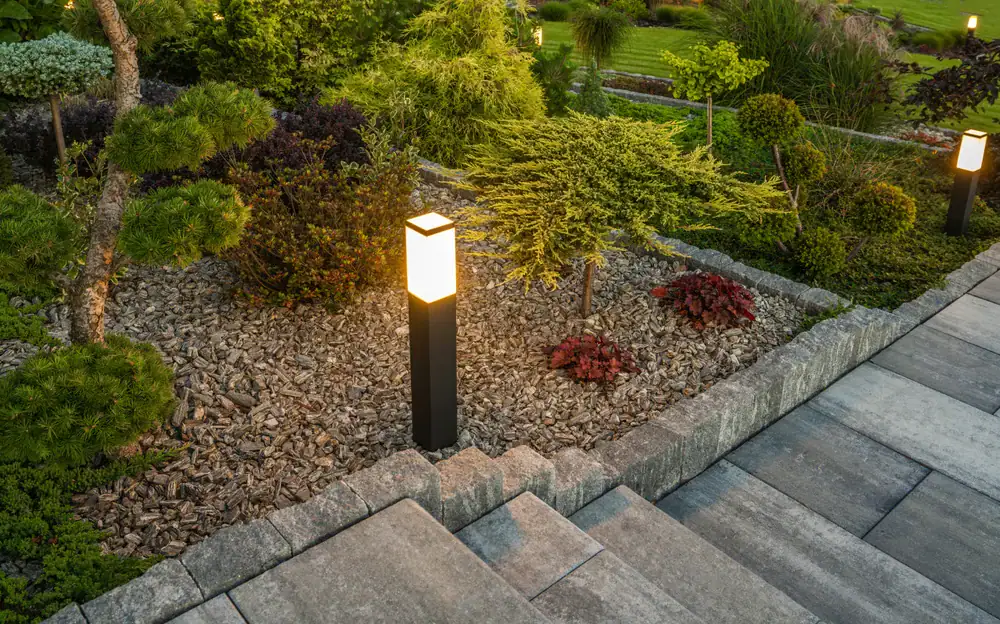
And it looks clean. A fresh layer of mulch ties your beds together, gives your property that finished appearance, and makes everything else you’ve done in your yard actually show up. It’s one of the fastest ways to boost curb appeal without tearing anything out or replanting.
We’ve been working in Hebron and Washington County since 1997. We started in logging, moved into full-time excavation, and now handle everything from site prep to driveways to landscape work like mulching.
Josh runs the business with his son, and he’s on almost every job. That means you’re not dealing with a rotating crew that doesn’t know your property. You’re working with people who understand Hebron’s soil, terrain, and how things need to be done to last.
We’re not the cheapest option. But if you want mulch spread right, with the correct depth and coverage, by people who’ll be around next year when you need something else done, that’s what we do.
First, we’ll come out and look at your beds. We’ll talk about what you’re dealing with—weed problems, drainage issues, plant types—and figure out the right mulch and depth for your situation.
If your beds need old mulch removed or edges redefined, we handle that before anything new goes down. No point in piling fresh mulch on top of compacted, weed-infested material. We prep the area so the new layer actually does its job.
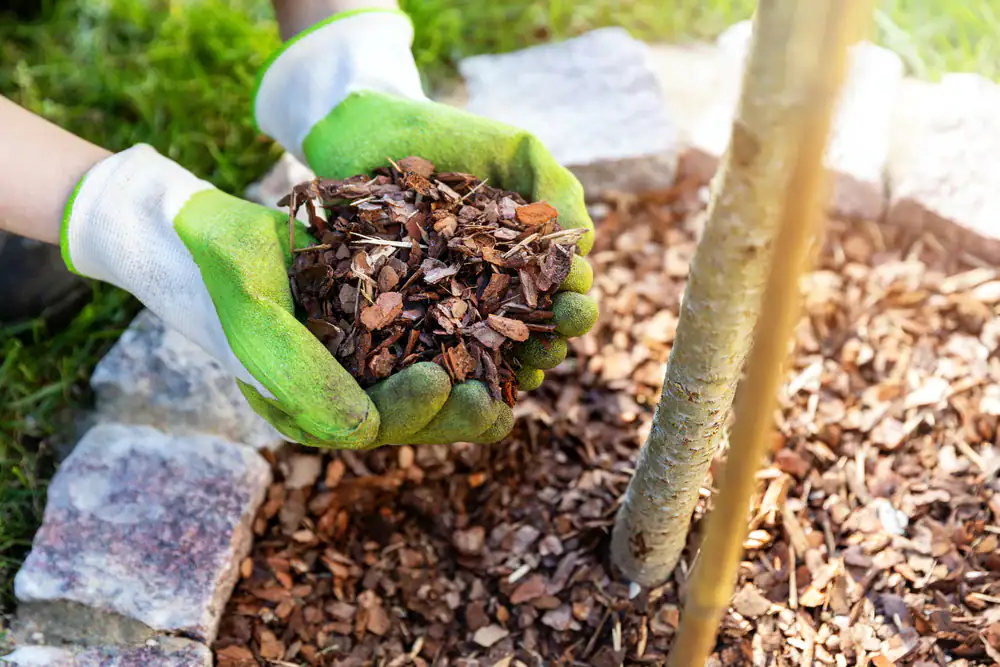
Then we spread the mulch evenly, usually around three inches deep. That’s thick enough to suppress weeds and retain moisture without smothering plant roots. We use professional equipment that gets the job done faster and more uniformly than wheelbarrows and rakes.
Once it’s down, you’ll see the difference immediately. Cleaner beds, better definition, and a lot less maintenance ahead of you. We’ll also walk you through any care tips—when to water, what to watch for, how long this application should last based on your specific setup.
Ready to get started?
You get a site assessment first. We look at your beds, soil conditions, existing mulch, and any problem areas. That tells us what needs to happen before new mulch goes down.
Mulch removal service is available if your old layer is compacted, full of weeds, or contaminated with fungus. A lot of big-box mulch contains artillery fungus that leaves impossible-to-remove spots on your siding. We source better material and clear out the bad stuff when needed.
We redefine bed edges if they’ve spread or lost shape. Clean lines make a huge difference in how finished your property looks, and it keeps mulch where it belongs instead of washing into your lawn or driveway.
The mulch itself is selected based on what works in Hebron. Organic options like hardwood or cedar feed your soil as they break down and support healthy plant growth. We spread it to the right depth—not too thin, not piled against plant stems—so it performs the way it’s supposed to.
In Hebron, spring is the most common time for landscape bed mulching, once the soil warms up. But fall applications work well too, especially if you’re protecting perennials and bulbs through winter. We’ll recommend timing based on what you’re trying to accomplish and what your beds actually need.
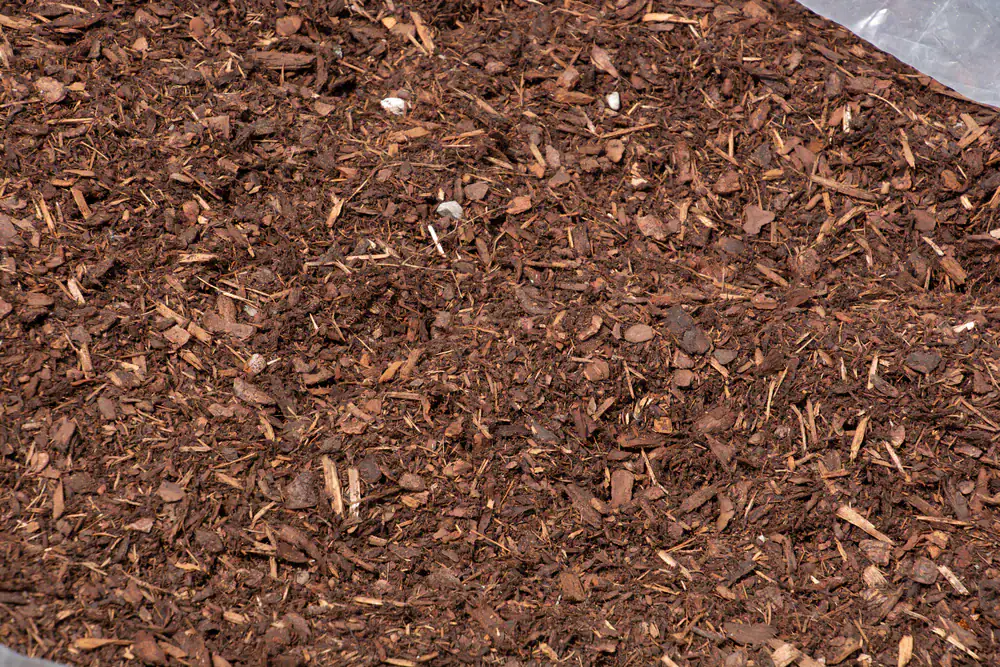
Mulch itself runs anywhere from $30 to $150 per cubic yard depending on type. Basic hardwood or dyed mulch sits around $35 to $40 per yard. Cedar, cypress, and rubber mulch cost more—usually $100 to $120 per yard—but they last longer and break down slower.
Installation cost depends on the size of your beds, site access, and whether old mulch needs to be removed first. A straightforward job on accessible beds costs less than a property with steep slopes, tight spaces, or heavy prep work.
We give you a clear estimate upfront. No hidden fees, no surprises. You’ll know what you’re paying for and why before we start.
Three inches is the standard depth for most landscape mulching in Hebron. That’s thick enough to block weed growth and retain soil moisture without suffocating plant roots or causing rot.
If you go too thin—one or two inches—you won’t get effective weed suppression. Sunlight still reaches the soil, seeds germinate, and you’re back to pulling weeds within weeks.
Too thick is just as bad. Mulch piled four or five inches deep holds too much moisture against plant stems and can cause fungal issues or root rot. It also wastes material and money. Three inches hits the sweet spot for performance and plant health, and that’s what we aim for on every job.
Organic hardwood mulch is a solid choice for most properties in Hebron. It breaks down over time, feeds your soil, and supports the earthworms and microorganisms that keep soil healthy. It’s also renewable and locally available in New York.
Cedar and cypress last longer because they resist decomposition, which means fewer reapplications. They also repel insects naturally. If you want something that holds up for multiple seasons and doesn’t need refreshing as often, cedar is worth the extra cost.
Dyed mulch—red or black—gives you a uniform look and holds color longer than natural wood. It’s popular for curb appeal, but it doesn’t add as much to soil health since the dye slows decomposition. We’ll walk you through the pros and cons based on what matters most to you: longevity, appearance, soil improvement, or budget.
Not always, but often. If your existing mulch is still loose, not compacted, and relatively weed-free, you can top it off with a fresh layer. That saves time and cost.
But if the old mulch is broken down into a dense mat, full of weeds, or contaminated with fungus, it needs to come out. Adding new mulch on top of that just buries the problem. Weeds push through, moisture doesn’t penetrate properly, and you’re wasting money on material that won’t perform.
We assess your beds before making a recommendation. If removal makes sense, we handle it as part of the job. If topping off works, we’ll do that. The goal is to set you up with beds that actually stay low-maintenance, not just look good for a few weeks.
Most organic mulch needs refreshing every one to two years. Hardwood mulch breaks down faster—usually closer to annual replacement—because it decomposes and feeds the soil. That’s good for plant health but means more frequent applications.
Cedar and cypress last longer, often two to three years, because they resist breakdown. Rubber mulch can last even longer, but it doesn’t improve soil quality the way organic options do.
You’ll know it’s time when the mulch looks faded, thin, or compacted. If weeds are coming back or the soil is drying out faster than it used to, that’s another sign the mulch has lost its effectiveness. We can set you up on a maintenance schedule if you want to keep your beds looking sharp without thinking about it every year.
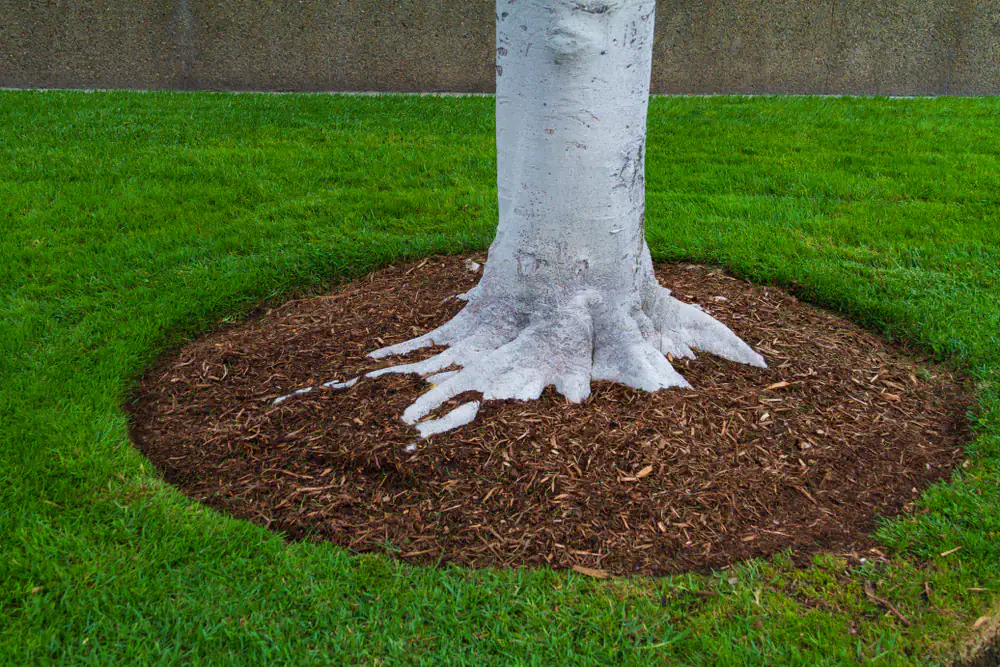
Yes, if it’s applied wrong. Mulch piled directly against plant stems or tree trunks traps moisture and causes rot. It also creates a home for insects and fungus that can kill the plant from the base up. We keep mulch a few inches away from stems and trunks to prevent that.
Same goes for your foundation. Mulch stacked against your home’s siding or foundation holds moisture against the structure, which leads to rot, mold, and pest problems. We maintain a gap there too, sloping mulch away from the house so water drains properly.
The other issue is artillery fungus, which shows up in cheap mulch from big-box stores. It shoots tiny black spores onto siding, cars, and windows—nearly impossible to remove. We source cleaner material and inspect beds for signs of contamination before spreading anything new. Done right, mulch protects your plants and property. Done wrong, it creates expensive problems. That’s why application technique matters as much as the mulch itself.
Other Services we provide in Hebron