
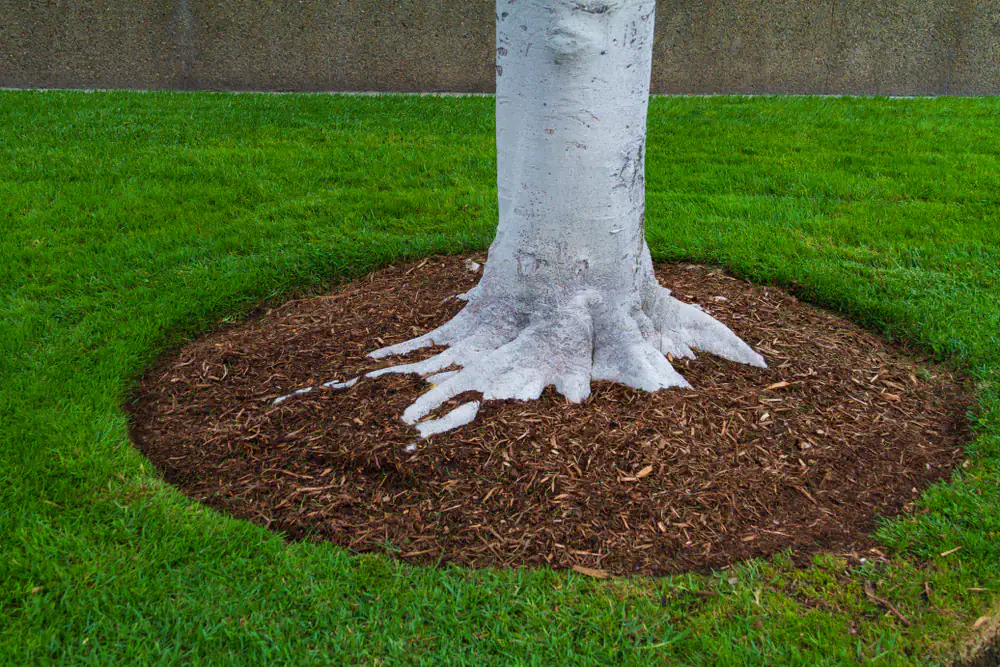
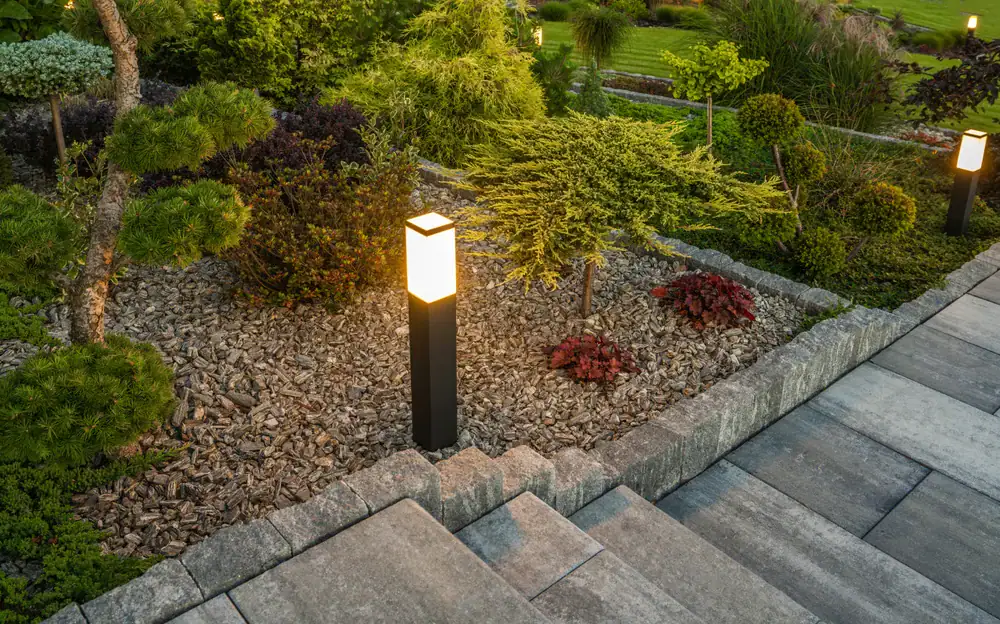
You’re not mulching just to make things look nice. You’re protecting roots from frost damage in winter and heat stress in summer. You’re cutting your watering needs nearly in half because properly installed mulch holds moisture where your plants actually need it.
A 2-4 inch layer of quality mulch blocks sunlight from hitting bare soil, which means fewer weeds breaking through. That’s less time on your knees pulling them and more time enjoying your yard. As organic mulch breaks down, it feeds your soil with nutrients that keep plants healthier without you having to think about it.
The difference between DIY mulch installation and professional landscape bed mulching in Graphite, NY comes down to depth, coverage, and material quality. Too much mulch suffocates roots. Too little and you’re not getting the benefits you paid for. We install it right the first time so it actually does what it’s supposed to do.
We’ve been operating in the Saratoga County area since 1997. What started as a logging operation grew into full-time excavation and site work, and now we handle everything from new home site prep to landscape mulching in Graphite, NY.
Josh is on almost every job. That’s not a marketing line—it’s how we operate. When you hire us for mulch installation in Graphite, NY, you’re getting someone who’s been doing this for over 25 years and actually cares whether the job holds up through a harsh winter or a wet spring.
We’re not trying to be the cheapest option in town. We’re trying to be the last call you have to make because the work was done right and you didn’t have to think about it again.
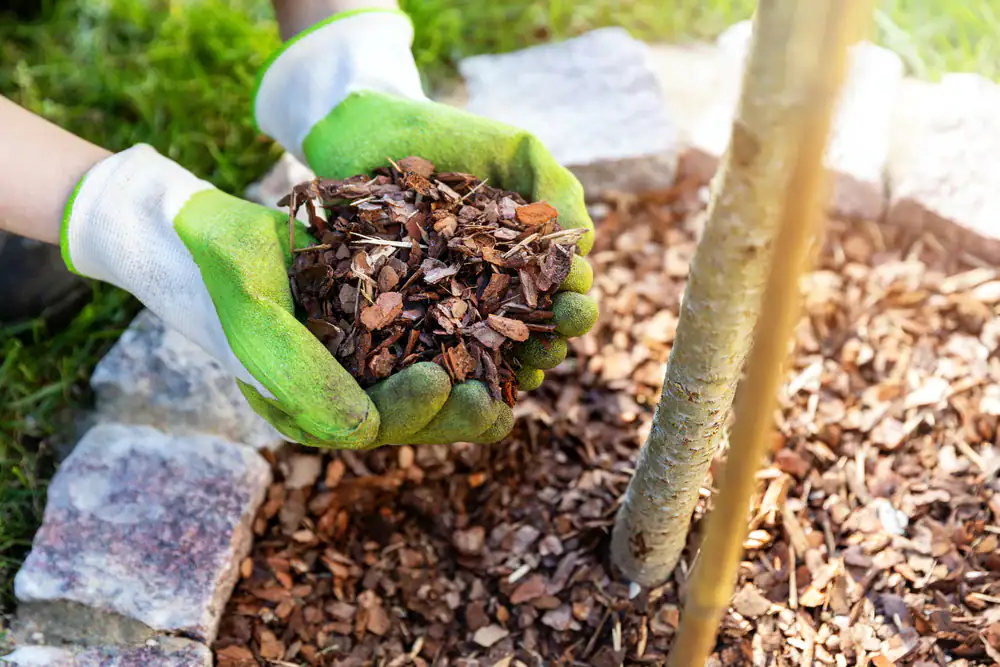
First, we’ll walk your property and talk through what you’re trying to accomplish. Some beds need mulch removal before new material goes down. Others just need a fresh layer. We’ll tell you what makes sense based on what’s already there.
Before any mulch goes down, we prep the beds. That means pulling weeds, edging clean lines, and making sure the soil underneath is ready to benefit from what we’re putting on top. If you’ve got old mulch that’s compacted or broken down into dirt, we remove it so you’re not just piling new material on top of a mess.
Then we install quality mulch at the right depth—usually 2-4 inches depending on the bed and what’s planted. We’re not eyeballing it. Proper depth matters for weed suppression, moisture retention, and root protection. Once it’s down, we clean up completely and make sure your flower bed mulching in Graphite, NY looks as good as it functions.
Ready to get started?
When we handle garden mulching in Graphite, NY, you’re getting more than just a dump truck of material spread around. We assess your beds first—checking for drainage issues, compacted old mulch, or areas where roots are exposed and vulnerable.
If you need mulch removal service in Graphite, NY before new material goes down, we handle that too. Old mulch that’s turned into a matted, water-repelling layer does more harm than good. We pull it out, prep the soil, and start fresh so your new mulch actually works.
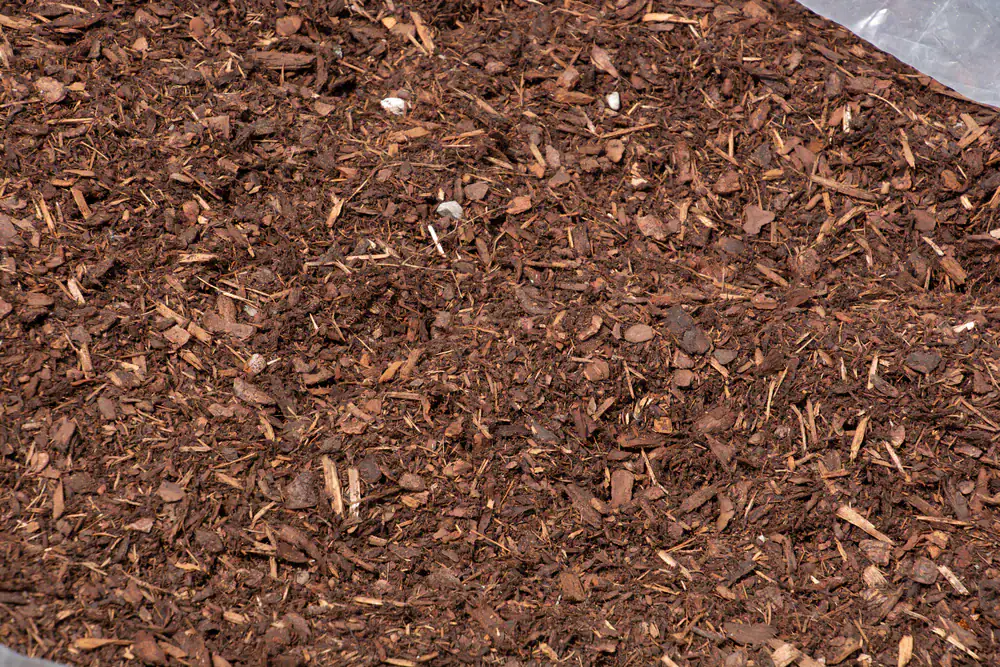
We source quality organic mulch that breaks down slowly and feeds your soil over time. No cheap filler. No mystery wood that could have nails or chemicals in it. Just clean material that does what mulch is supposed to do—protect roots, hold moisture, block weeds, and look good doing it. Graphite winters are tough on landscaping, and our mulch installation is designed to hold up through freeze-thaw cycles without washing out or compacting into a useless layer.
Most properties need fresh mulch once a year, typically in spring before the heat sets in or in fall as part of winterizing your beds. If you’re using organic mulch, it’s breaking down over time and feeding your soil—that’s a good thing. But it also means the layer gets thinner and less effective at blocking weeds and holding moisture.
If your mulch still looks full and hasn’t faded or compacted, you might be able to go 18 months between applications. But if you’re seeing bare spots, weeds popping through, or the color’s gone dull and gray, it’s time for a refresh. Some people split the difference and do a heavy application every other year with a light top-dress in between.
The key is making sure you’ve got 2-4 inches of coverage at all times. Anything less and you’re not getting the weed suppression or moisture retention you’re paying for.
Bagged mulch from big box stores is convenient, but it’s expensive per cubic yard and the quality is inconsistent. You might get wood chips, or you might get ground-up pallets with who-knows-what mixed in. We’ve seen bags with nails, treated wood, and even weed seeds that end up sprouting in your beds.
Bulk mulch from a trusted supplier costs less per yard and you’re getting consistent material. But the bigger difference is in the installation. Most homeowners either spread it too thin (which doesn’t block weeds or hold moisture) or pile it too thick around plant stems and tree trunks (which traps moisture against the bark and causes rot).
Professional mulch installation means proper bed prep, correct depth throughout, and clean edges that frame your landscape. It’s the difference between a weekend project that looks okay and a finished result that actually protects your plants and holds up all season.
Yes, and that’s exactly where experience matters. The biggest mistake people make is piling mulch up against plant stems or tree trunks like a volcano. That traps moisture against the bark, which invites rot, disease, and insect damage.
We keep mulch a few inches away from stems and trunks, creating a small gap that lets air circulate. For shallow-rooted plants, we’re careful not to bury the root crown—that’s where the stem meets the roots, and it needs to stay exposed to air. Burying it can suffocate the plant or cause crown rot.
If you’ve got perennials or shrubs that are already established, we work around them carefully and make sure the mulch depth is right for each plant type. Some plants tolerate deeper mulch, others don’t. We adjust based on what’s actually growing in your beds, not just what’s easiest to spread.
It depends on what’s already there. If your old mulch is still loose, hasn’t compacted into a mat, and you’ve only got 2-3 inches total, you can usually top-dress with a fresh layer. But if the old mulch has broken down into a dense, water-repelling layer, or if you’ve got 4+ inches already, you need mulch removal service before adding more.
Piling new mulch on top of old, compacted material doesn’t solve anything. Water won’t penetrate, roots can’t breathe, and you’re just creating a thicker barrier between your plants and the soil. In those cases, we pull out the old layer, check the soil underneath, and start fresh.
If you’ve got mulch that’s faded to gray or broken down into something that looks more like dirt, that’s a sign it’s done its job and needs to be replaced. We’ll assess what’s there and tell you whether you need removal or just a top layer.
Organic wood mulch is the most common choice because it breaks down over time and improves your soil. Hardwood mulch lasts longer than softwood and holds its color better through a full season. It’s heavy enough that it won’t blow away in wind or wash out during heavy rain, which matters in this area.
Cedar and pine mulches have natural oils that repel insects, but they break down faster and need replacing more often. If you’ve got vegetable gardens or annual flower beds, those can be good options because you’re refreshing the beds every year anyway.
For areas with heavy foot traffic or slopes where erosion is a concern, we sometimes recommend larger wood chips or shredded bark that locks together better and stays in place. The right choice depends on what you’re mulching, how much sun the area gets, and how often you want to refresh it. We’ll walk you through what makes sense for your specific property.
Cost depends on how much area you’re covering, whether we need to remove old mulch first, and how much bed prep is involved. If your beds are already clean with good edges and you just need fresh mulch, that’s straightforward. If we’re pulling weeds, redefining borders, removing compacted old material, and then installing new mulch, that’s more labor.
Most residential properties with standard landscape beds fall somewhere in the range of a few hundred to over a thousand dollars depending on size and scope. We’re not the cheapest option, but we’re also not cutting corners with low-quality material or rushing through the job.
When you call, we’ll come out and give you a clear price based on what your property actually needs—not a vague estimate that changes once we show up. You’ll know what you’re paying for and why it costs what it costs before we start any work.
Other Services we provide in Graphite