
You’re tired of pulling weeds every weekend. Your water bill keeps climbing because exposed soil dries out fast, especially during those stretches of hot weather we get here. And your flower beds look tired by mid-July no matter how much time you put in.
Proper mulch installation changes that. A quality layer blocks sunlight from reaching weed seeds, so they never germinate in the first place. It keeps soil temperatures stable, protecting plant roots when it’s 85 degrees one day and 60 the next. And it holds moisture in the ground where your plants need it, cutting down how often you’re dragging hoses around.
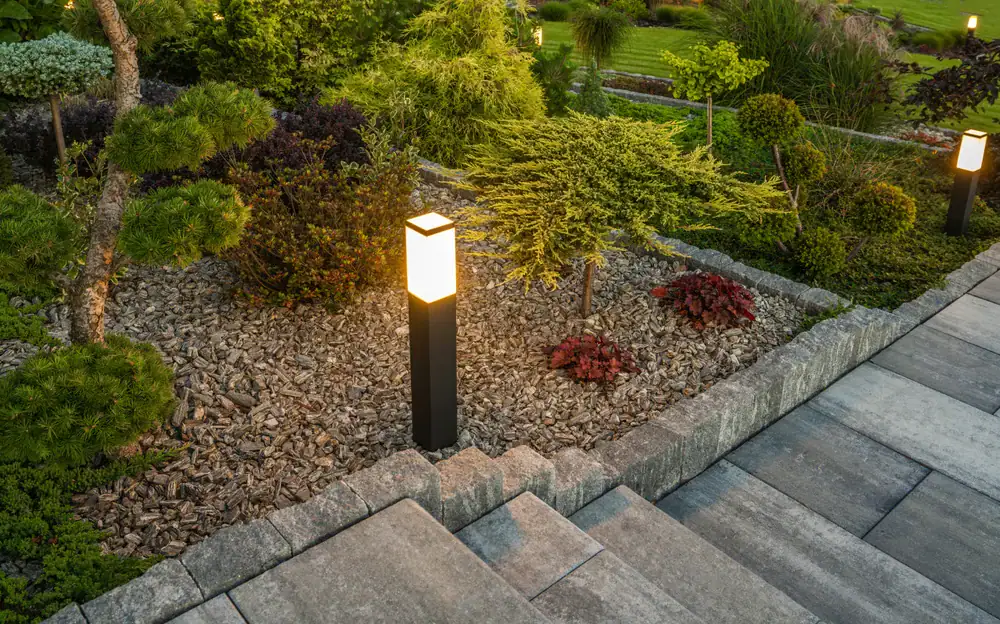
Fresh mulch also does something you notice immediately: it makes your property look finished. Clean edges, even coverage, rich color. It’s the difference between a yard that looks maintained and one that looks cared for. That matters when you’re the one living there, and it definitely matters if you ever plan to sell.
We started as a logging operation back in 1997. We moved into full-time excavation in 2020, and my son joined as a partner in 2022. We’re not a crew of strangers showing up to knock out a job. I’m on-site for almost every project we take on.
We work across Warren, Washington, and Saratoga Counties, so we know the soil conditions, the climate swings, and what actually holds up in this area. Glens Falls North properties deal with clay-heavy soil in some spots and sandy patches in others. The mulch type, depth, and prep work all matter depending on what you’re working with.
You’re not getting a quote from someone who’s never seen your property. We show up, walk the site, and give you a straight answer on what it’ll take.
First, we come out and look at your beds. We’ll talk about what you’re dealing with—existing mulch that needs removal, weed issues, drainage concerns, whatever’s going on. If old mulch is compacted or breaking down into sludge, we’ll pull it out before putting down anything new.
Next, we prep the area. That means edging beds so they’re clean and defined, pulling any existing weeds, and making sure the soil is level. If you’ve got low spots where water pools, we’ll address that before mulch goes down. Skipping this step is how you end up with mulch floating away after the first heavy rain.
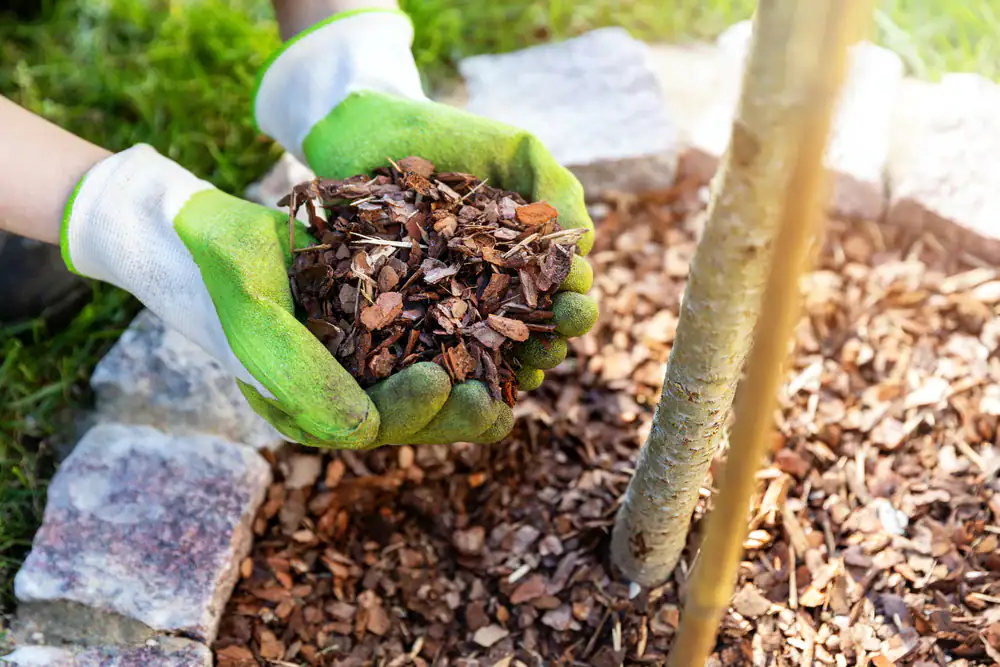
Then we deliver and spread the mulch. We’re talking 2 to 4 inches depending on the application—enough to suppress weeds and insulate soil, but not so much that it smothers plants or holds moisture against tree trunks. We spread it evenly, keep it off stems and bark, and make sure edges are clean.
You’re left with beds that look sharp and function the way they should. No guessing if it’s deep enough. No mulch volcanoes around your trees. Just clean, professional work.
Ready to get started?
We handle landscape bed mulching from start to finish. That includes mulch removal if you’ve got old material that’s broken down or full of weeds. Some properties in Glens Falls North have beds that haven’t been touched in years—compacted mulch mixed with soil and debris. We clear that out so you’re starting fresh.
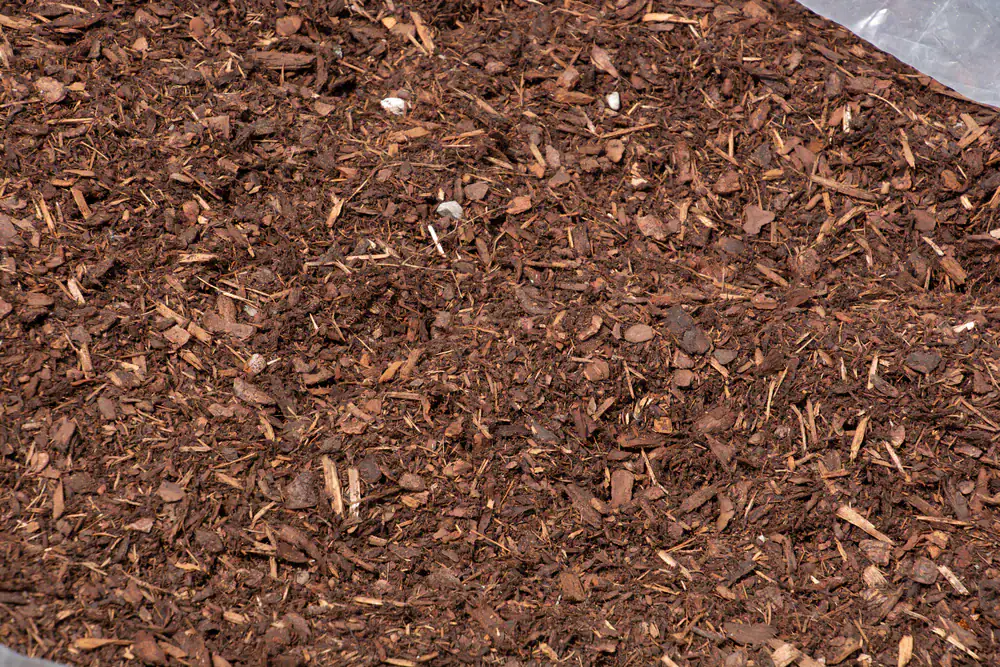
You’ll get quality mulch that’s appropriate for your setup. Hardwood mulch works well for most beds—it breaks down slower than pine and holds color longer. Cedar and cypress cost more but last even longer and naturally repel insects. We’ll talk through options based on your budget and what makes sense for your property.
We also handle edging and bed definition. Clean edges make a bigger visual difference than most people realize. Mulch stays where it should, grass doesn’t creep into beds, and everything looks intentional. Around here, where properties range from newer developments to older homes with mature landscaping, that attention to detail shows.
Proper mulching also protects your plants through temperature swings. Glens Falls North sits in hardiness zone 5, and we get cold winters and warm summers. Mulch insulates roots from freezing and keeps soil cooler when it’s hot. That’s not cosmetic—it’s functional.
Most residential mulch jobs in this area run between $75 and $325 depending on the size of your beds and whether old mulch needs to be removed first. If you’re covering a typical front yard with a few flower beds, you’re usually looking at 3 to 5 cubic yards of mulch. Material costs run $30 to $150 per cubic yard depending on the type—basic hardwood mulch is cheaper, while cedar or cypress costs more but lasts longer.
Labor and delivery are the other pieces. Professional installation typically adds $75 to $95 per cubic yard when you factor in delivery, spreading, and edging. That might sound like a lot compared to buying bags at a big box store, but those bags are expensive per cubic yard, and you’re still doing all the work yourself.
If your beds haven’t been mulched in a few years, removal and prep add to the cost. But that’s also what makes the job last. Piling new mulch on top of old, compacted material doesn’t solve weed problems or improve drainage—it just looks good for a month.
Hardwood mulch is the most common choice around here. It’s affordable, breaks down at a reasonable pace, and holds color through the season. You’ll get about two years out of it before it starts looking faded or thin. It works well for most flower beds, around shrubs, and in larger landscape areas.
Cedar and cypress mulch cost more—usually $100 to $120 per cubic yard compared to $35 to $40 for hardwood—but they last longer and naturally repel insects. If you’ve got termite concerns or just want something that won’t need refreshing as often, they’re worth considering. They also smell better, which matters if your beds are near a deck or patio.
Pine mulch is cheaper but breaks down faster. It’s fine for vegetable gardens or areas where you’re planning to refresh annually anyway, but it’s not the best choice for permanent landscape beds. Around Glens Falls North, where we get heavy spring rains and freeze-thaw cycles in winter, durability matters. You don’t want to be replacing mulch every year because it turned into dirt.
Two to four inches is the range that works. Less than two inches and you’re not blocking enough sunlight—weed seeds will still germinate. More than four inches and you risk smothering plant roots, holding too much moisture against stems, and creating habitat for pests.
The depth also depends on what’s underneath. If you’re putting mulch over landscape fabric or bare soil that’s been cleared of weeds, three inches is usually enough. If you’re dealing with persistent weeds like creeping charlie or crabgrass, you might want closer to four inches to really choke them out.
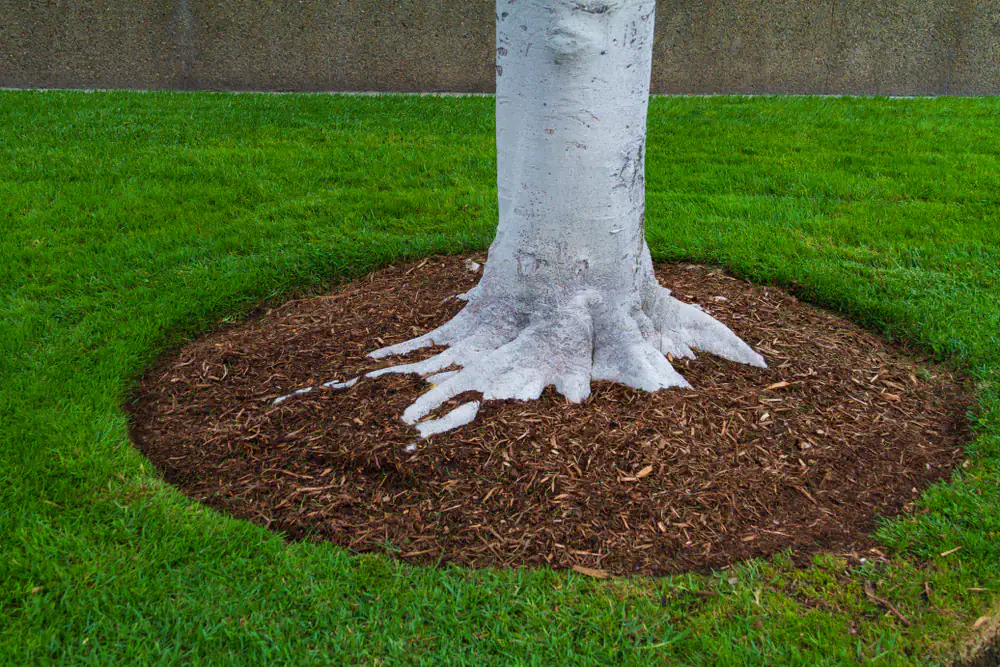
One thing we see a lot: mulch piled up against tree trunks or plant stems. That’s called a mulch volcano, and it causes rot and disease. Mulch should stop a few inches away from any woody growth. It’s there to cover soil, not smother plants. Proper depth and placement make the difference between mulch that protects your landscape and mulch that damages it.
Most mulch needs refreshing every one to two years depending on the type and how exposed the beds are. Hardwood mulch typically holds up for about 18 months before it starts breaking down and losing color. Cedar and cypress can go two to three years. Pine mulch breaks down faster—closer to a year.
Weather plays a role. Glens Falls North gets about 33 inches of rain annually, and we have real winters. Freeze-thaw cycles break mulch down faster than in milder climates. If your beds are in full sun, UV exposure fades color quicker than shaded areas. Slopes and areas with heavy runoff also lose mulch faster because it gets displaced during storms.
You don’t always need to remove old mulch and start over. If the existing layer is thin but not compacted or full of weeds, you can top-dress with an inch or two of fresh material. But if it’s broken down into a dense mat or mixed with soil, it’s better to pull it out and reset. That’s a judgment call we can make when we see the beds.
Yes, and it’s not a small difference. Mulch reduces evaporation by covering soil and blocking direct sun and wind exposure. That means water stays in the ground longer, so you’re not watering as often. In summer, when temperatures hit the 80s and 90s, exposed soil dries out fast. Mulched beds can go days longer between watering compared to bare soil.
It also regulates soil temperature. Roots don’t handle extreme swings well—hot soil during the day and cool soil at night stresses plants. Mulch acts as insulation, keeping soil cooler in summer and warmer in winter. That’s especially important for perennials and shrubs that are trying to establish roots.
There’s also a nutrient benefit. Organic mulches like hardwood, cedar, and cypress break down over time and add organic matter back into the soil. That improves soil structure, helps with drainage in clay-heavy areas, and increases nutrient availability. You’re not just covering dirt—you’re improving the growing environment. That’s why mulched beds tend to have healthier, more resilient plants compared to unmulched ones.
Yes, and we recommend it if your beds haven’t been maintained in a while. Old mulch that’s compacted, mixed with weeds, or turned into sludge doesn’t do anything useful. Piling fresh mulch on top just hides the problem temporarily. We’ll remove the old material, pull any weeds, and prep the soil so the new mulch actually works.
Mulch removal also gives us a chance to check for other issues—drainage problems, root damage, soil compaction. If water’s pooling in certain spots or soil is hard as concrete, we can address that before mulch goes down. Fixing those problems up front means the new mulch lasts longer and your plants perform better.
We haul away the old material, so you’re not left with a pile of debris in your driveway. The beds get edged, leveled, and prepped. Then we bring in fresh mulch and spread it to the right depth. You’re getting a complete reset, not just a cosmetic cover-up. That’s the difference between a mulch job that lasts and one that needs redoing in six months.
Other Services we provide in Glens Falls North