
You’re not looking for the cheapest mulch job. You’re looking for one that actually works—where the beds stay clean, the plants stay healthy, and you’re not out there every weekend pulling weeds or watching your flowers struggle in the summer heat.
That’s what proper landscape mulching in Elnora, NY does. It locks in moisture so you’re not constantly watering. It blocks weeds before they start, which means less time on your knees with a hand trowel. And it regulates soil temperature, which matters more than most people think when you’re dealing with New York’s freeze-thaw cycles and summer dry spells.
The difference between a mulch job that lasts and one that disappoints usually comes down to three things: prep work, material quality, and application depth. Skip any of those, and you’ll see weeds popping through in weeks, mulch washing away after the first heavy rain, or plants suffering because the layer’s too thick and trapping moisture against stems.
When it’s done right, your beds look clean and intentional. Your plants perform better. And you spend way less time maintaining everything.
We’ve been handling projects throughout Elnora and the surrounding area since 1997. We started in logging, moved into full-time excavation in 2020, and we’ve been doing mulch installation and landscape bed prep as part of site work ever since.
Josh is on almost every job. Not because we don’t trust the crew, but because quality matters and we’d rather catch something early than hear about it later. We’re not trying to be your cheapest option—we’re trying to be the crew you call back every spring because the work holds up.
Elnora properties deal with clay-heavy soil in some areas, drainage issues in others, and weather that swings hard between seasons. We’ve worked enough sites here to know what prep actually matters and what mulch types perform best depending on your landscape setup and sun exposure.
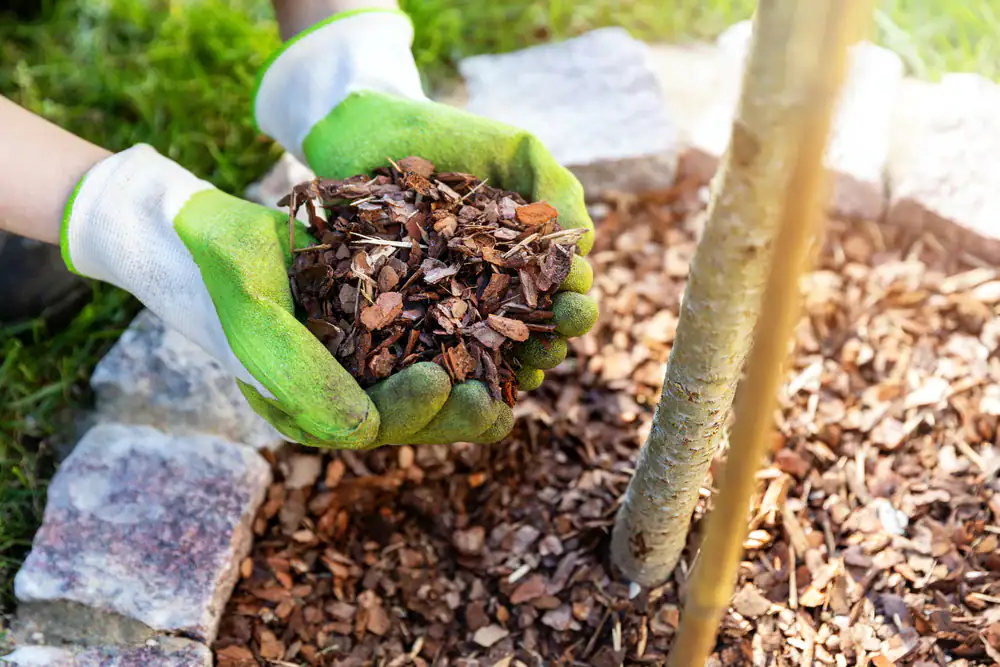
First, we clear out the old stuff—weeds, debris, and any compacted or decomposed mulch that’s not doing anything useful anymore. If your beds haven’t been touched in a while, this step matters more than you’d think. Mulch breaks down over time, and if it’s been sitting there turning into dirt, it’s not blocking weeds or holding moisture.
Next, we edge the beds if needed. Clean lines aren’t just about looks—they keep mulch from spilling into the lawn and make future maintenance easier. Then we lay down the new mulch at the right depth, usually two to three inches depending on the material and what’s already there.
We don’t pile it against tree trunks or plant stems. That’s where rot and pests start, and it’s one of the most common mistakes we see from DIY jobs or crews rushing through. We also make sure the coverage is even—not too thick in some spots and bare in others.
Once it’s down, we clean up and haul everything away. You’re left with beds that look finished, plants that have room to breathe, and a surface that’ll do its job for months before it needs a refresh.
Ready to get started?
Every mulching job starts with site prep. We pull weeds, remove old mulch if it’s compacted or broken down, and make sure the bed edges are clean and defined. If your beds need regrading or have drainage issues, we’ll flag that before we start so you’re not dealing with washout after the first storm.
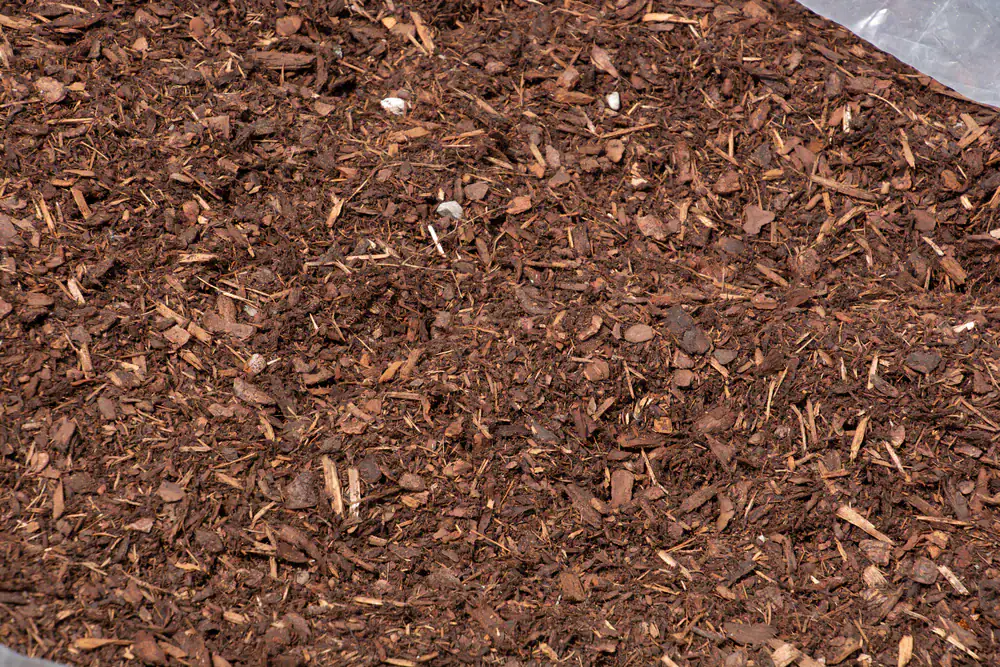
We source quality mulch—usually hardwood or cedar depending on what you’re looking for and what works best for your plants. Hardwood breaks down slower and holds color longer. Cedar repels insects naturally and works well in areas where you’re dealing with pests or want something that lasts.
Application depth matters. Too thin, and weeds punch through. Too thick, and you’re suffocating roots or creating a moisture trap. We aim for two to three inches of fresh mulch, adjusted based on what’s already in place and what your landscape needs.
For Elnora properties, we also consider sun exposure and drainage. Beds on the south side of your house dry out faster and benefit from mulch that holds moisture. Low-lying areas or spots with poor drainage need mulch that won’t mat down and block airflow. We’ve handled enough landscape bed mulching in Elnora, NY to know what works where, and we’ll walk you through options if your property has specific challenges.
Most beds need a mulch refresh once a year, typically in spring before the heat sets in or in fall as part of winterizing your landscape. If you’re using organic mulch like hardwood or cedar, it breaks down naturally over time—that’s actually good for your soil, but it also means the layer gets thinner and less effective at blocking weeds and holding moisture.
You’ll know it’s time when the color fades to gray, the mulch looks thin or patchy, or you’re seeing more weeds pop through than usual. Some high-traffic or high-sun areas might need a top-up mid-season, especially if you’ve had heavy rain that washed some of it away.
If your beds were done right the first time and you’re just adding a fresh layer, you usually only need an inch or two to bring it back up to the right depth. If it’s been a few years or the old mulch has fully decomposed, you might need a full three-inch application after clearing out what’s left.
Hardwood mulch is the most common choice for landscape beds in Elnora, NY. It’s affordable, breaks down at a moderate pace, and adds organic matter back into your soil as it decomposes. It holds its color longer than cheaper options and works well in most garden and flower bed applications.
Cedar mulch costs a bit more, but it has natural oils that repel insects—termites, ants, and other pests that might otherwise move into your beds. It also breaks down slower than hardwood, which means you might get an extra season out of it before needing a refresh. The smell is a bonus if you like that fresh cedar scent, though it fades after a few weeks.
Both options work fine for moisture retention and weed control. The choice usually comes down to budget, how often you want to refresh your beds, and whether pest resistance matters for your property. If you’ve had issues with insects near your foundation or in garden areas, cedar’s worth the extra cost.
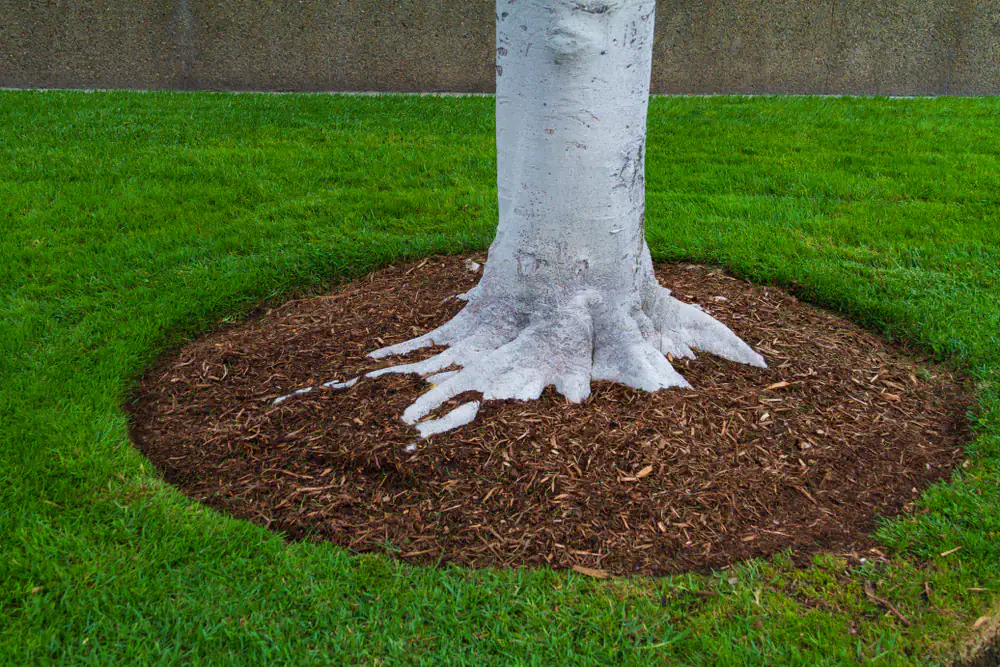
Yes, and it’s more common than it should be. The biggest mistake is piling mulch up against tree trunks or plant stems—what’s called a “mulch volcano.” It looks tidy, but it traps moisture against the bark, which leads to rot, disease, and creates an entry point for pests.
Mulch should sit a few inches away from trunks and stems, forming more of a donut shape than a cone. The goal is to cover the root zone without suffocating the base of the plant.
The other issue is depth. Too much mulch—anything over four inches—can prevent water and oxygen from reaching the roots. It also creates a dense mat that’s hard for new growth to push through. If you’re adding a fresh layer on top of old mulch, you need to account for what’s already there. Most beds only need two to three inches total, not two to three inches every single year stacked on top of each other.
If your beds have been mulched incorrectly in the past, it’s worth pulling some of it back and resetting before adding new material. It’s a small fix that prevents bigger problems down the road.
Cost depends on the size of your beds, the type of mulch you choose, and how much prep work is needed before we can lay down new material. For a typical residential property with a few flower beds and landscape areas, you’re usually looking at a few hundred dollars for materials and labor.
If your beds need significant prep—pulling out old compacted mulch, regrading for drainage, or redefining edges—that adds time and cost. Same goes if you’re covering a large area or choosing a premium material like cedar over standard hardwood.
We’ll give you a clear estimate after seeing your property. No surprises, no upselling. If your beds are in decent shape and just need a refresh, it’s straightforward. If there are issues that’ll cause problems later—like drainage, weed overgrowth, or erosion—we’ll tell you what needs fixing and what can wait.
Most homeowners find that professional mulch installation in Elnora, NY pays for itself in time saved and fewer headaches. You’re not spending weekends fighting weeds, you’re not reapplying mulch halfway through the season because it washed away, and your plants actually perform better because the soil conditions are stable.
Spring and fall are both solid choices, depending on what you’re trying to accomplish. Spring mulching—usually late April or early May after the ground thaws and before the heat sets in—helps lock in moisture and suppress weeds right as the growing season starts. Your plants get a head start, and you’re not scrambling to water constantly once summer hits.
Fall mulching, typically in October or early November, acts more like insulation. It protects roots from freeze-thaw cycles, keeps soil temperature more stable through winter, and gives your beds a clean look heading into the off-season. If you’re planting new shrubs or trees in fall, mulching right after is a smart move.
Some properties benefit from doing both—a heavier application in spring for weed control and moisture retention, then a light top-up in fall for winter protection. It depends on your landscape, your budget, and how much maintenance you’re willing to handle yourself between professional visits.
Avoid mulching too early in spring when the ground’s still frozen or too late in fall after the first hard freeze. You want the soil workable and the plants settled before adding a fresh layer.
It depends on the condition of what’s already there. If the old mulch is still doing its job—it’s not compacted, it hasn’t fully decomposed into soil, and it’s not harboring weeds or pests—we’ll usually leave it and add a fresh layer on top to bring the depth back up to two or three inches total.
If the old mulch is broken down, matted, or mixed with dirt and weeds, we’ll remove it before putting down new material. Leaving bad mulch in place just creates problems—it blocks water and air from reaching roots, it doesn’t suppress weeds anymore, and it makes the new layer less effective.
We also remove old mulch if the beds are overfilled from years of stacking new layers without clearing out the old stuff. Mulch should sit a few inches below the edge of your beds and walkways, not spilling over into the lawn or piling up against your house.
When we do a mulch removal service in Elnora, NY, we haul everything away and leave you with a clean base. Then we apply fresh mulch at the right depth so your beds look sharp and function the way they’re supposed to. It’s more work upfront, but it’s the difference between a mulch job that lasts one season and one that actually holds up.
Other Services we provide in Elnora