
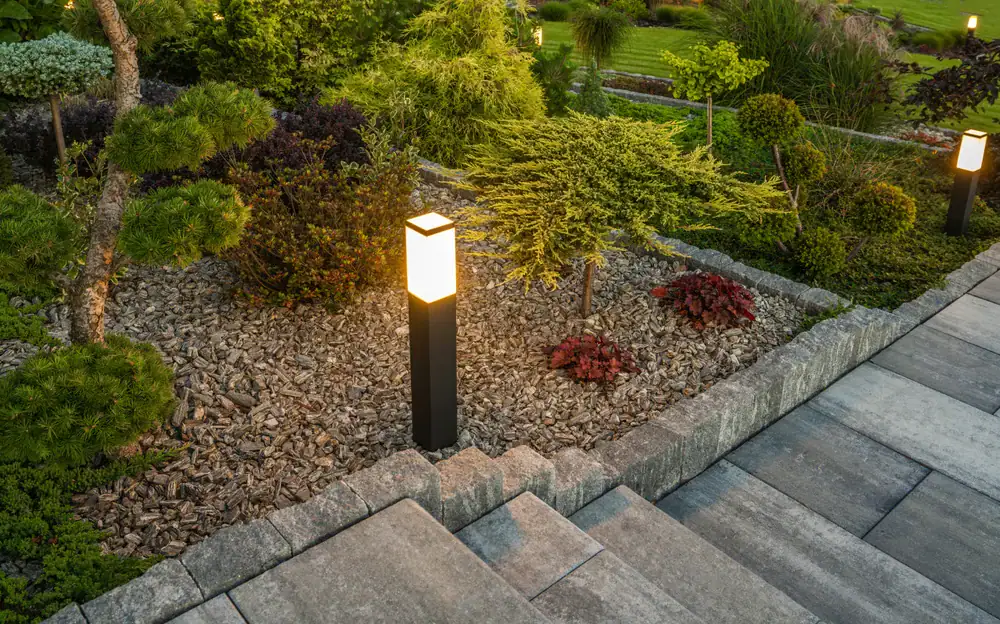
You didn’t buy your home to spend every weekend pulling weeds and watering plants. Proper mulch installation in Durketown, NY changes that equation fast.
A good layer of mulch acts as a natural weed barrier while keeping soil moisture where it belongs. That means fewer weeds pushing through your flower beds and less water running off when it actually rains. Your plants get what they need without you standing there with a hose every other day.
Mulch also regulates soil temperature, which matters more than most people think. Dutchess County winters hit hard, and summers are getting hotter. The right mulch layer protects roots from temperature swings and prevents soil from washing away during those heavy spring rains we get every year.
The difference between mulch that works and mulch that disappoints usually comes down to application. Thickness matters. Distribution matters. Choosing the right organic mulch for your specific beds matters. Get it right once, and your landscape looks better with way less effort on your end.
We’ve been working in Dutchess County since 1997. What started as a logging operation became full-time excavation and site work in 2020, and we added professional landscape services including garden mulching and flower bed mulching shortly after.
Josh runs the operation and he’s on nearly every job. That’s not marketing talk—it’s how we operate. When you call, you’re talking to someone who’ll actually be there doing the work, not a call center three states away.
We’re not trying to be the cheapest option in Durketown, NY. We’re trying to be the crew you call back next year because the job was done right the first time. Fair pricing, quality work, and straight answers when you ask questions.
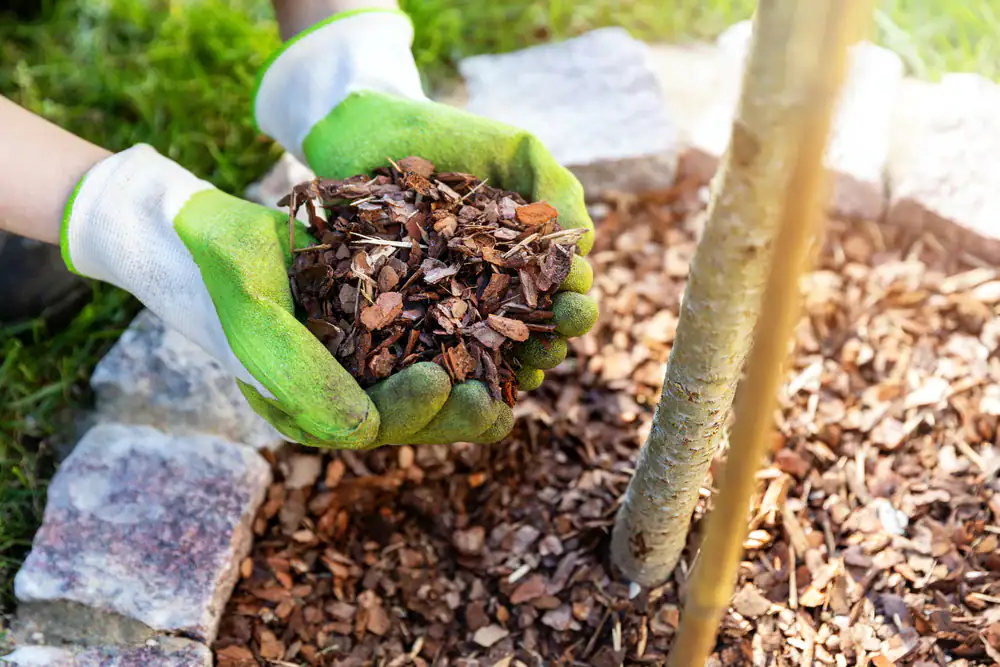
First, we look at what you’ve got. Some beds need old mulch removed before new goes down. Some just need a fresh layer. Some have drainage issues that mulch won’t fix—and we’ll tell you that upfront instead of covering up a problem that’ll cost you more later.
Once we know what your landscape needs, we prep the beds. That means edging, clearing debris, and making sure water can actually move through the area the way it should. Mulch works best when it’s applied to properly prepared ground, not just dumped on top of whatever’s there.
Then we apply the mulch evenly across your flower beds, garden areas, or landscape beds. Thickness matters—too thin and weeds break through, too thick and you suffocate your plants. We use professional equipment to spread it uniformly so it looks clean and performs the way it should.
After installation, you’ll see the difference immediately. Your beds look finished and maintained. Over the next few weeks, you’ll notice fewer weeds and healthier plants as the mulch starts doing its job retaining moisture and regulating soil temperature.
Ready to get started?
Our landscape bed mulching service in Durketown, NY covers the full process. We’re not just dropping off a pile of mulch in your driveway and calling it done.
You get bed preparation, which includes edging, debris removal, and checking that your beds drain properly. You get quality organic mulch that breaks down over time to feed your soil instead of just sitting there looking pretty for six months. And you get even application using professional equipment that ensures consistent coverage across your entire property.
Dutchess County properties deal with heavy snow, wet springs, and increasingly hot summers. The mulch we install accounts for that. It needs to handle freeze-thaw cycles without breaking down too fast, and it needs to stay put when spring rains try to wash everything into your driveway.
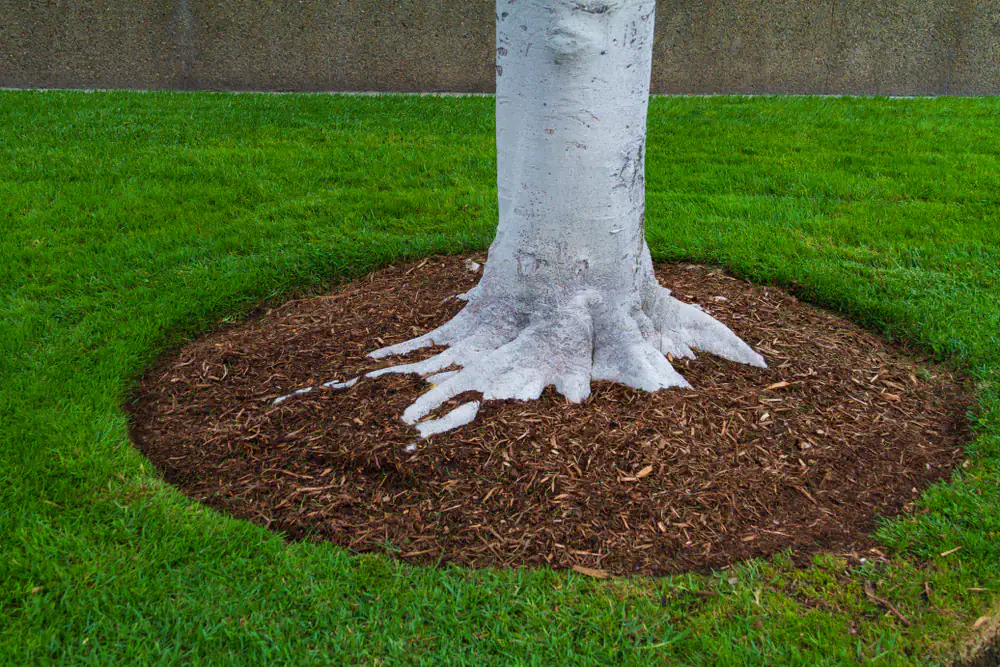
We also make sure your mulch isn’t piled against tree trunks or plant stems—a mistake that causes rot and insect problems. Small details like that separate mulch that protects your landscaping investment from mulch that creates new problems you’ll be fixing next season.
Most properties in Durketown, NY need fresh mulch once a year, typically in spring after cleanup. Organic mulch breaks down over time—that’s actually a good thing because it adds nutrients back into your soil. But it also means the layer gets thinner and less effective at suppressing weeds and retaining moisture.
If your beds are in full sun or you’re using a faster-decomposing mulch, you might need a top-up layer by late summer. Shaded areas usually hold up better and can sometimes go 18 months between applications if the initial layer was thick enough.
The real answer depends on what your beds look like. If you’re seeing more weeds, bare spots, or faded color, it’s time. If the mulch layer is less than two inches thick, it’s not doing much for you anymore.
Organic hardwood mulch performs well here because it handles our temperature swings without breaking down too quickly. It’s heavy enough to stay put during spring rains but still allows water and air to reach plant roots.
Cedar and pine mulches look great and smell nice, but they break down faster in our wet springs. That means more frequent replacement and higher costs over time. Hardwood gives you better longevity and better weed suppression, which is what most Durketown homeowners actually need.
Avoid dyed mulches if you can. The color fades unevenly and some dyes can affect soil chemistry. Natural hardwood mulch weathers to a consistent color and feeds your soil as it decomposes. It’s not as flashy at first, but it works better long-term and doesn’t need replacing as often.
Yes, significantly. A proper three-inch layer of mulch can cut your watering needs by 25-50% depending on sun exposure and plant types. Mulch acts as a barrier against evaporation, keeping moisture in the soil where roots can access it instead of disappearing into the air on hot days.
This matters more every summer. Dutchess County has seen hotter, drier stretches in recent years, and water costs add up fast if you’re running sprinklers constantly. Mulch helps your plants survive dry spells without constant intervention from you.
The moisture retention also means more consistent growing conditions for your plants. Instead of wet-dry cycles that stress roots, mulched beds maintain steadier moisture levels. Your plants grow healthier, and you spend less time and money keeping them alive.
You can spread mulch yourself if you’ve got the time and your property is small. But most people underestimate how much labor is involved and how easy it is to get the depth wrong. Too thin and weeds break through within weeks. Too thick and you create drainage problems or suffocate plant roots.
Professional mulch installation also includes bed prep that most DIY jobs skip. We edge beds properly, remove debris, check drainage, and make sure mulch isn’t piled against tree trunks where it causes rot. Those details prevent expensive problems down the road.
The other factor is volume. If you’re mulching more than a few small beds, you’re looking at hours of wheelbarrow trips and back-breaking spreading. Our equipment handles large areas quickly and distributes mulch evenly, which is hard to achieve by hand. Most homeowners find the time saved and quality difference worth the cost.
Properly installed mulch blocks most weeds, but it’s not a magic force field. Weeds need light to germinate, and a three-inch layer of mulch blocks enough light to stop most weed seeds from sprouting. The weeds you do see are usually ones with enough stored energy to push through, or new seeds that landed on top of the mulch.
The key is starting with clean beds. If your beds are full of established weeds before mulch goes down, you’re just covering a problem. We clear beds first so the mulch can actually do its job as a barrier instead of a blanket over existing weeds.
Even with perfect installation, you’ll see some weeds. But you’ll see 70-80% fewer than unmulched beds, and the ones that do appear pull out easily because their roots can’t establish in the mulch layer. That’s the difference between spending every weekend weeding and pulling a few stragglers once a month.
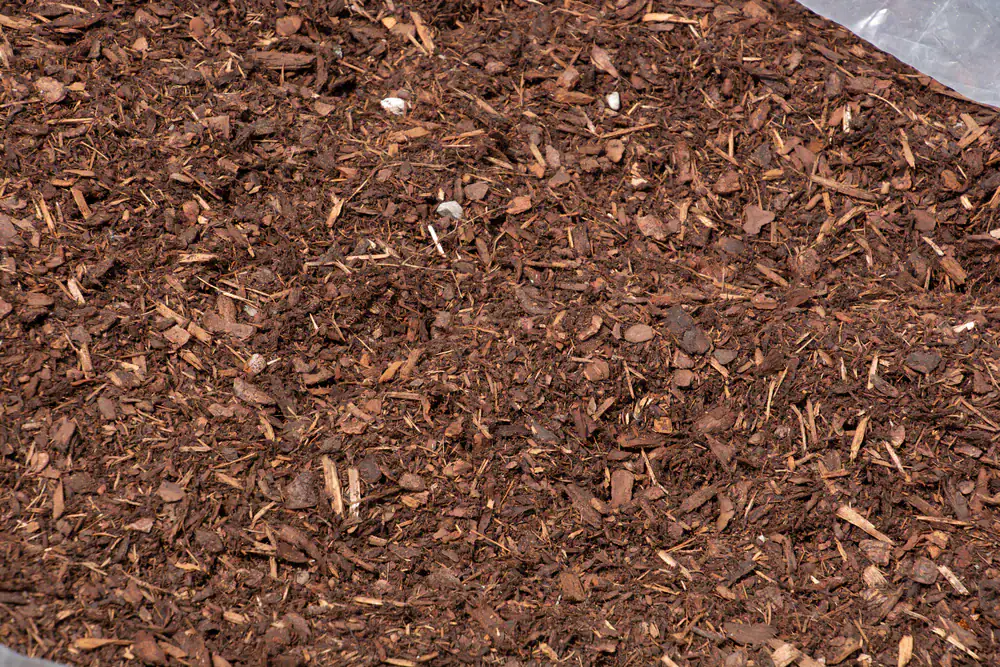
Cheap mulch is usually inconsistent—big chunks mixed with dust, lots of sticks and debris, and it breaks down unevenly. It might look okay when first spread, but within a few weeks you’ll see bare spots where the fine material washed away and clumps where the chunks are piled up.
Quality organic mulch is screened to consistent size, free of contaminants, and aged properly so it won’t rob nitrogen from your soil as it decomposes. It spreads evenly, stays put better during rain, and breaks down at a predictable rate so you know when it needs refreshing.
The cost difference isn’t huge, but the performance gap is. Cheap mulch often needs replacing twice as often, which means you’re paying for materials and labor again in six months instead of next spring. Quality mulch costs a bit more upfront but actually saves money over time because it lasts and performs the way mulch should.
Other Services we provide in Durkeetown