You’re not buying mulch for the color. You’re buying it because your flower beds dry out too fast, weeds keep coming back, and frankly, the front of your house could look a lot better. Good mulch installation in Crescent, NY fixes all three.
When mulch is applied correctly—not piled against tree trunks, not too thin to matter, not so thick it suffocates your plants—it holds moisture in the soil where your plants need it. That means less watering, especially during those dry Capital Region summers. It also blocks sunlight from hitting the soil, which is exactly what weed seeds need to germinate. Fewer weeds means less time on your knees pulling them.
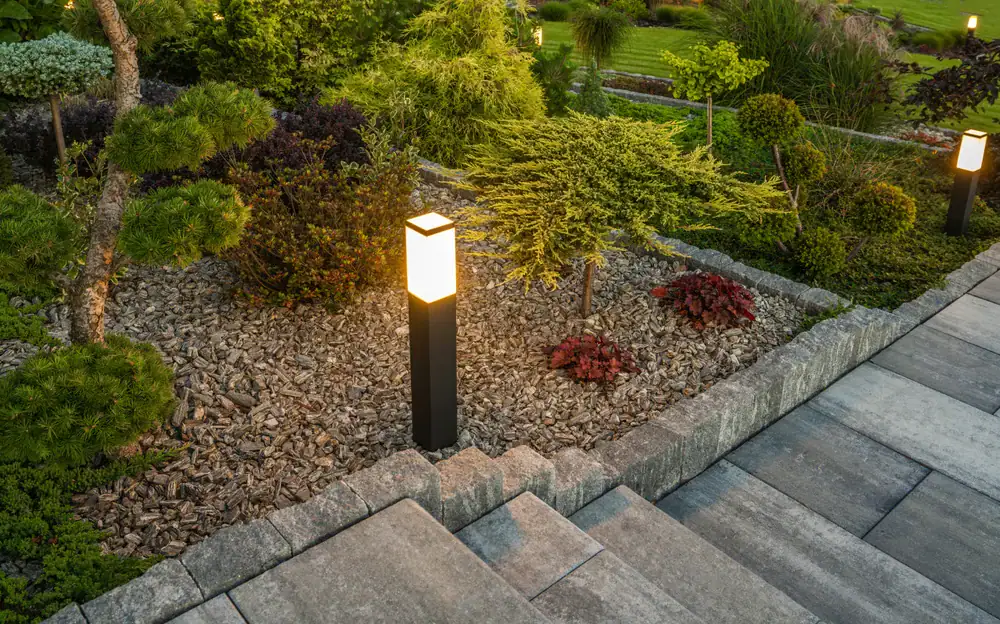
And yes, fresh landscape bed mulching makes your property look cleaner and more intentional. It defines your beds, frames your plantings, and gives the whole yard a finished look. That matters when you’re building equity in your home or just want to enjoy what you’re looking at when you pull into the driveway.
Emerson Excavating and Trucking started as a logging operation in 1997 and moved into full-time excavation and site work in 2020. Josh runs the company with his son, who joined as a partner in 2022. It’s a family business, and Josh is on almost every job to make sure it’s done right.
We’re based in the Capital Region and work throughout Crescent, Saratoga County, and the surrounding area. Most of our clients are homeowners building new homes or upgrading their properties—people who care about quality and want a company they can call back next year. We handle everything from site prep and land clearing to driveways, septic systems, and landscape mulching in Crescent, NY.
We’re not the cheapest option, and we’re fine with that. You’re paying for someone who shows up, does the work correctly, and doesn’t disappear when the job is done.
First, we look at what you’ve got. If there’s old, compacted mulch that’s turned gray or matted down, we remove it. Leaving it there just creates a barrier that blocks water and air from reaching the soil. If your beds are in decent shape, we’ll work with what’s there and add fresh material on top.
Next, we prep the beds. That means edging if needed, pulling any weeds that are already growing, and making sure the soil is level and ready. If drainage is an issue or the bed layout doesn’t make sense, we’ll talk through options before we start spreading anything.
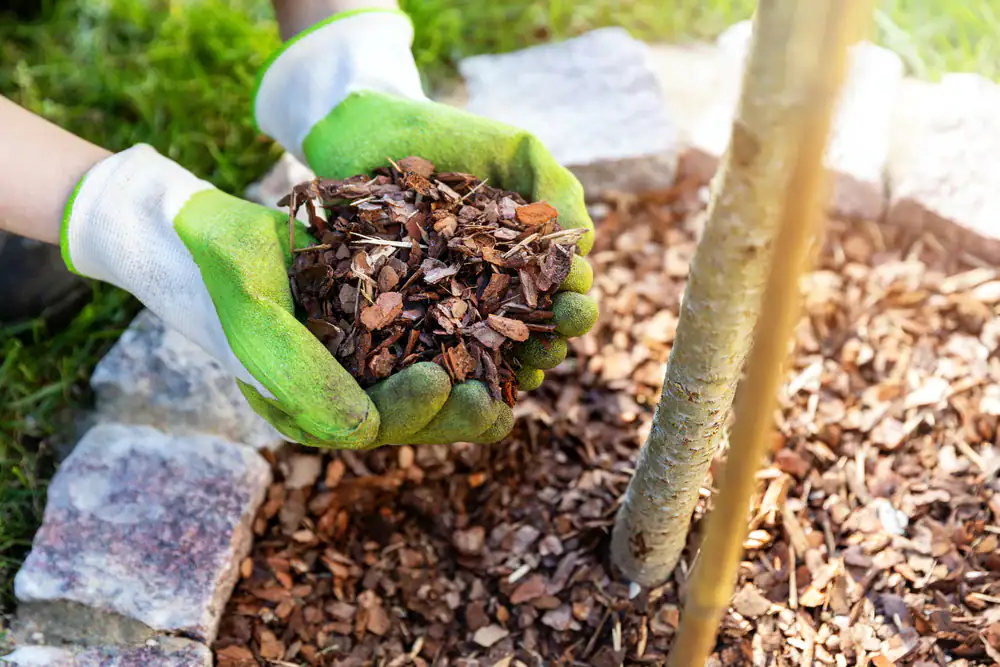
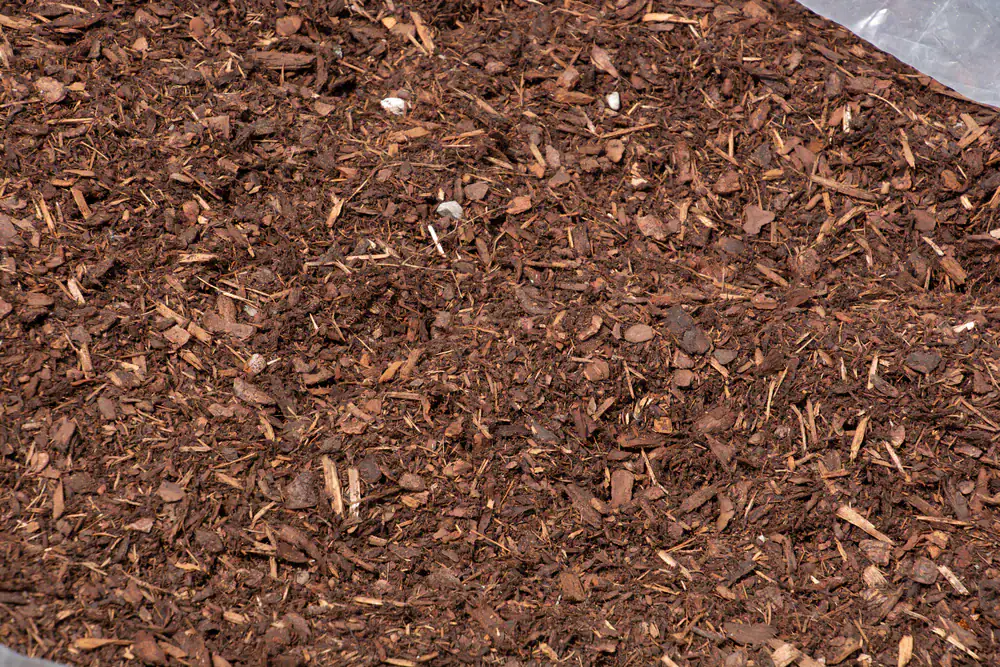
Then we bring in the mulch. We use quality organic material—usually hardwood or bark—and apply it at the right depth. That’s typically two to three inches for flower bed mulching in Crescent, NY. Enough to suppress weeds and hold moisture, but not so much that it smothers your plants or traps water against tree trunks. We keep mulch a few inches away from stems and trunks to prevent rot and pest problems.
Once it’s spread evenly and looks clean, we’re done. The mulch settles naturally over the next few weeks, especially after a good rain. You’ll notice the difference immediately, and your plants will thank you by the middle of summer.
Ready to get started?
When we handle garden mulching in Crescent, NY, you’re getting more than just a truckload of mulch dumped in your driveway. We deliver the material, remove old mulch if needed, prep the beds, and install everything at the correct depth. No guessing, no shortcuts.
We also handle landscape bed mulching for both residential and commercial properties. Whether it’s a single flower bed in your front yard or multiple beds around a new construction site, we’ve got the equipment and experience to do it efficiently. And because we’re already set up for excavation and site work, we can coordinate mulching with other services if you’re in the middle of a larger project.
Crescent homeowners deal with clay-heavy soil and variable weather, which makes proper mulch installation even more important. Mulch helps regulate soil temperature during those swings between hot days and cool nights we get in spring and fall. It also breaks down over time and adds organic matter back into the soil, which is especially helpful if you’re working with the dense, compacted soil common in this area.
If you’re building a new home or redoing your landscaping, spring is the best time for mulch installation in Crescent, NY. The soil is warming up, plants are starting to grow, and getting mulch down early helps you stay ahead of the weeds. Fall is the second-best option—it insulates plant roots going into winter and gives you a head start for next season.
Most homeowners need to refresh their mulch once a year, usually in spring. Organic mulch breaks down over time—that’s actually a good thing because it feeds the soil—but it also means the layer gets thinner and less effective at blocking weeds and holding moisture.
If your mulch has faded to a dull gray color, you can see bare soil poking through in spots, or it’s compacted into a hard mat, it’s time to add more. Some people do a lighter top-up in fall as well, especially if they want the beds to look fresh going into winter or if they’re protecting newer plantings.
You don’t always need to remove the old mulch. If it’s broken down into small pieces and there’s only an inch or so left, you can add new mulch right on top. But if you’ve got three or four inches of old, compacted material, it’s better to pull some of it out first. Otherwise you end up with mulch piled too deep, which can cause drainage problems and create hiding spots for pests.
Organic hardwood mulch or shredded bark are your best options for landscape mulching in Crescent, NY. They break down slowly, improve your soil over time, and handle our weather without blowing away or floating off during heavy rain.
Avoid rubber mulch. It doesn’t decompose, so it never adds anything back to the soil, and it can leach chemicals that aren’t great for plants or groundwater. It also gets hot in direct sun, which can stress plant roots during summer. Cedar mulch looks nice and smells good, but it breaks down faster than hardwood, so you’ll be replacing it more often.
For vegetable gardens, you might want something finer like composted leaves or straw, which breaks down quickly and adds nutrients. For flower beds and general landscaping, stick with hardwood. It’s cost-effective, widely available, and does exactly what mulch is supposed to do—protect the soil, suppress weeds, and look clean.
Two to three inches is the standard depth for flower bed mulching in Crescent, NY. That’s enough to block weeds and hold moisture without smothering your plants. If you go thinner than two inches, weeds will still find a way through. If you go deeper than four inches, you risk trapping too much moisture against plant stems, which leads to rot and fungal problems.
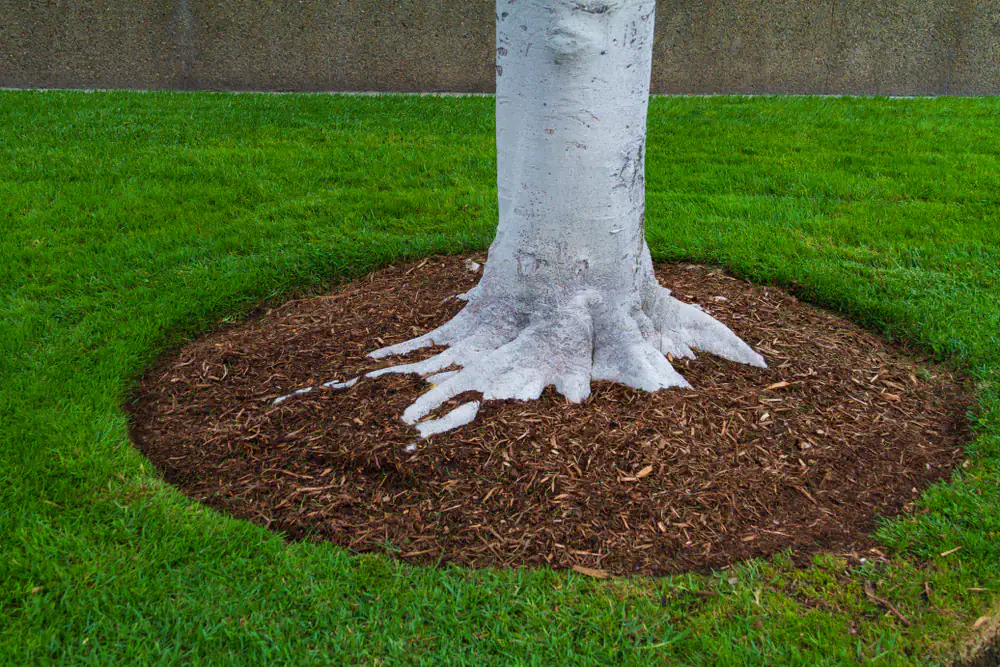
Around trees, the rules are a little different. You want mulch extending out to the drip line if possible—that’s the area directly under the outer edge of the branches—but you need to keep it away from the trunk itself. Leave a few inches of space between the mulch and the bark. Piling mulch up against the trunk, also called a “mulch volcano,” is one of the most common mistakes homeowners make. It traps moisture, encourages pests, and can eventually kill the tree.
If you’re mulching a new planting bed or an area that’s never been mulched before, you might need closer to three inches to get good coverage. For annual top-ups, one to two inches is usually enough to refresh the look and restore the protective layer.
Yes, but landscape fabric isn’t doing as much as you think it is. Most landscape fabric breaks down or gets clogged with dirt and organic matter within a few years, and then it just makes it harder for water and air to reach the soil. Weeds still grow on top of it, rooted into the mulch layer, and when you go to pull them, the fabric tears.
If your fabric is still in decent shape and you want to keep it, we can add mulch on top. But if it’s already falling apart or full of holes, we’d recommend pulling it out. A proper layer of mulch does a better job of suppressing weeds on its own, and it doesn’t create the same long-term maintenance headaches.
For new beds, we usually skip the fabric altogether and just apply mulch directly to the soil. It’s simpler, more effective, and easier to work with if you ever want to add new plants or adjust the bed layout. If you’re really concerned about aggressive weeds, we can use a thicker initial layer of mulch or talk through other options that won’t cause problems down the road.
We deliver bulk mulch, which is almost always cheaper and more efficient than buying bags at a garden center. One cubic yard of bulk mulch covers about 100 square feet at three inches deep. If you’ve got multiple beds or a larger property, you’d need dozens of bags to cover the same area, and you’d pay two or three times as much.
Bulk delivery also means less plastic waste and less time spent hauling bags around your yard. We bring the mulch, place it where you need it, and handle the installation. You’re not left with a giant pile in your driveway that you have to spread yourself.
If you only need a small amount for a single bed or a touch-up, bags might make sense. But for any real landscape mulching in Crescent, NY—new construction, full property refresh, or multiple garden beds—bulk is the way to go. We’ll calculate how much you need based on the square footage of your beds and make sure you’re not paying for material you won’t use.
Spring is the most popular time for mulch installation in Crescent, NY, and for good reason. The soil has warmed up, plants are starting to grow, and getting mulch down early helps lock in moisture and block weeds before they take off. Most homeowners schedule mulching in April or May, right after they’ve cleaned up their beds and before summer heat sets in.
Fall is the second-best window. Mulching in late September or October insulates plant roots going into winter, protects against freeze-thaw cycles, and gives your beds a clean look for the off-season. It also means you’re ahead of the spring rush, and your beds are already set when growing season starts again.
You can technically mulch any time the ground isn’t frozen, but summer isn’t ideal. The mulch dries out faster, it’s harder to work in the heat, and you’ve already missed the chance to get ahead of the weeds. If your beds are looking rough mid-season, we can still help, but spring and fall are when mulch does the most good and when our schedule is most flexible for new projects.
Other Services we provide in Crescent