
You’re dealing with weeds that come back faster than you can pull them. Your garden dries out between waterings, especially during those stretches in July and August when Brayton doesn’t see rain for weeks. You’re spending money on water and time on maintenance that shouldn’t be this hard.
Proper landscape mulching in Brayton, NY changes that. A correctly applied layer blocks sunlight from reaching weed seeds, cutting down germination by over 90%. It holds moisture in the soil so your plants aren’t stressed during dry spells, and you’re not running the hose every other day.
The mulch also regulates soil temperature. During winter freezes and summer heat, your plant roots stay protected instead of getting shocked by temperature swings. That means healthier plants, less replacement costs, and a property that looks maintained without you having to maintain it constantly.
This isn’t decorative. It’s functional. And when it’s done right, you’ll notice the difference in your first season.
We started as a logging operation in 1997 and shifted to full-time excavation and site services in 2020. We know how soil behaves here in Saratoga County through every season, which matters when you’re applying mulch that needs to last and perform.
Josh is on almost every job. That’s not marketing language, that’s how we operate. When you’re working with a family business, you get someone who cares whether the job holds up, not just whether it’s done.
We’ve worked on properties throughout Brayton, and we understand the challenges that come with this area. Clay-heavy soil that doesn’t drain well. Seasonal temperature swings that stress plants. Properties that need more than just a dump truck of mulch thrown down and called finished.
First, we assess your property and what you’re trying to accomplish. Flower bed mulching is different from larger landscape bed mulching around trees or along driveways. The depth, material, and placement all change based on what you’re protecting and what your soil is doing.
If you’ve got old mulch that’s broken down or compacted, we remove it. Piling new mulch on top of old, degraded material doesn’t solve anything. It just creates a breeding ground for fungus and pests while blocking water from reaching the soil.
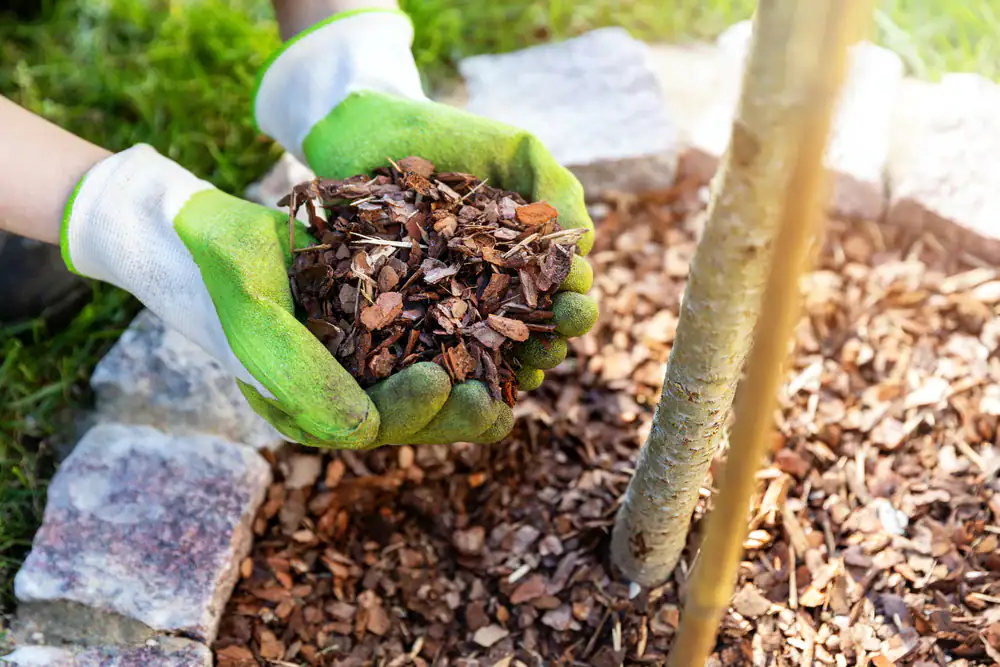
We prep the beds by clearing weeds and debris, then apply mulch at the right depth. Three inches minimum. Any less and sunlight gets through to germinate weed seeds. Any more and you risk suffocating plant roots or creating moisture problems.
We use quality materials. A lot of big box store mulch contains artillery fungus that leaves permanent black spots on your siding. We source locally and know what we’re spreading on your property.
Once it’s down, you’ll see immediate weed suppression. Over the next few weeks, you’ll notice your soil stays moist longer and your plants look healthier. That’s when you realize this wasn’t just a cosmetic upgrade.
Ready to get started?
You get a site evaluation before we start. We look at your soil type, drainage patterns, and what’s currently happening with your landscape beds. Brayton properties often have clay-heavy soil that holds water in spring and bakes hard in summer. That affects how we approach mulch installation.
We handle mulch removal service if your existing mulch is past its useful life. Old mulch that’s turned into dirt isn’t doing anything for weed control or moisture retention. Starting fresh gives you actual results.
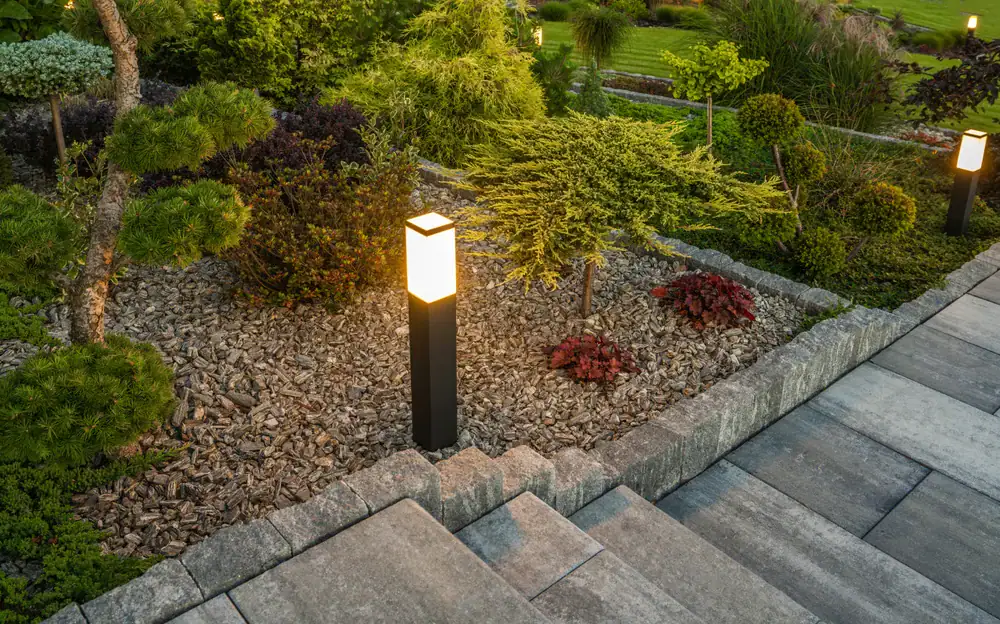
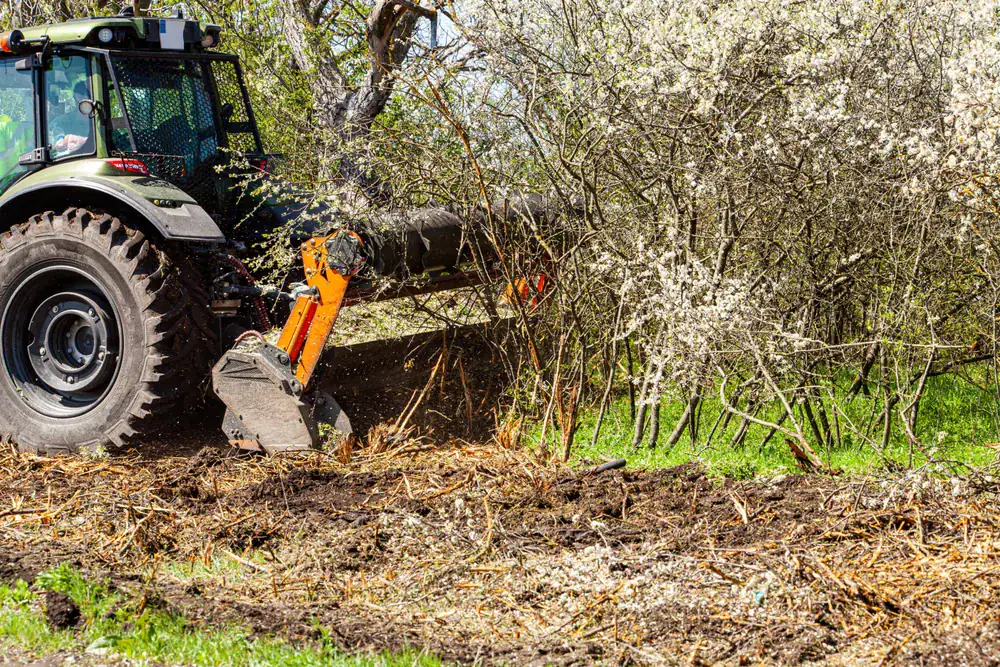
Our landscape bed mulching covers everything from small flower beds around your foundation to larger areas along driveways and property lines. We bring professional equipment that moves material efficiently, so your property isn’t torn up for days while we work.
We also handle garden mulching for vegetable beds and growing areas. The approach is slightly different because you need materials that break down and feed the soil while still controlling weeds during the growing season.
Material delivery is included. We’re not handing you a quote and then adding fees when the mulch shows up. You get a clear price upfront, and that’s what you pay.
Plan on adding fresh mulch once a year, either in spring or fall. Organic mulch breaks down over time as it’s exposed to weather and microbial activity, which is actually beneficial because it adds nutrients back into your soil.
In Brayton, spring application works well if you want maximum weed suppression heading into the growing season. Fall application protects plant roots going into winter and gives you a head start when things warm up in March and April.
You’re looking to maintain that three-inch depth. If your existing mulch has compressed down to an inch or less, it’s time to add more. At that thickness, sunlight penetrates and weeds start germinating again. The whole point of mulching is to prevent that cycle, so staying on top of annual applications keeps your beds functional, not just looking fresh.
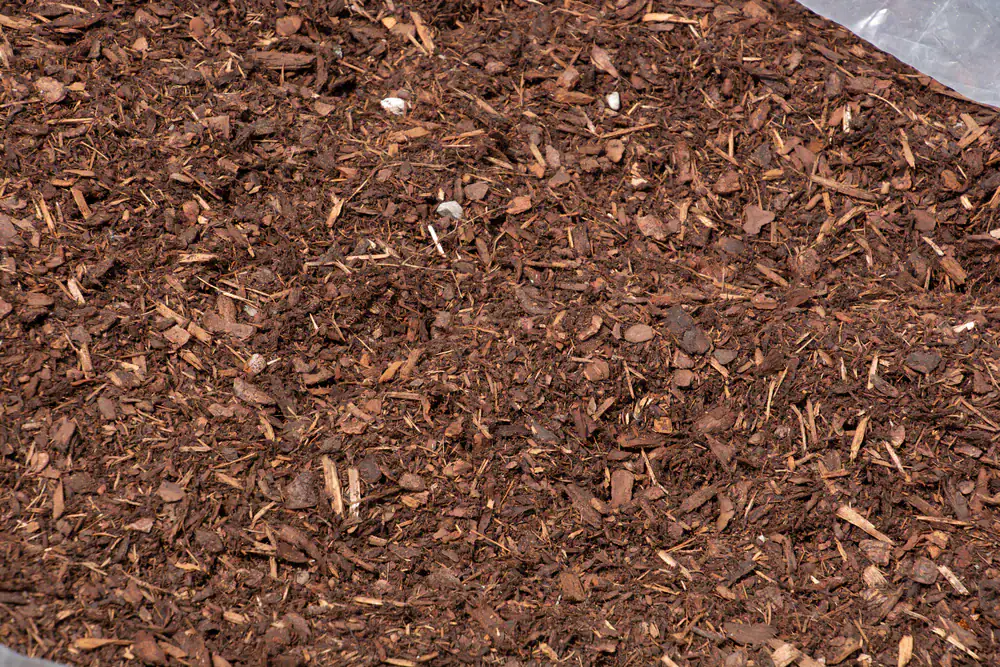
Hardwood mulch performs well in this area because it breaks down slower than softer materials and holds up through our temperature swings. It provides good weed suppression and moisture retention without matting down into an impermeable layer.
Cedar mulch is another solid option, especially if you’re dealing with insect pressure. It naturally repels certain pests and has a longer lifespan than standard hardwood, though it costs more upfront.
Avoid dyed mulches from big box stores unless you know the source. Some contain recycled wood that’s been treated or contaminated, and the dye can leach into your soil. We source from local suppliers where we know what’s in the product and can verify it’s clean material that won’t harm your plants or property.
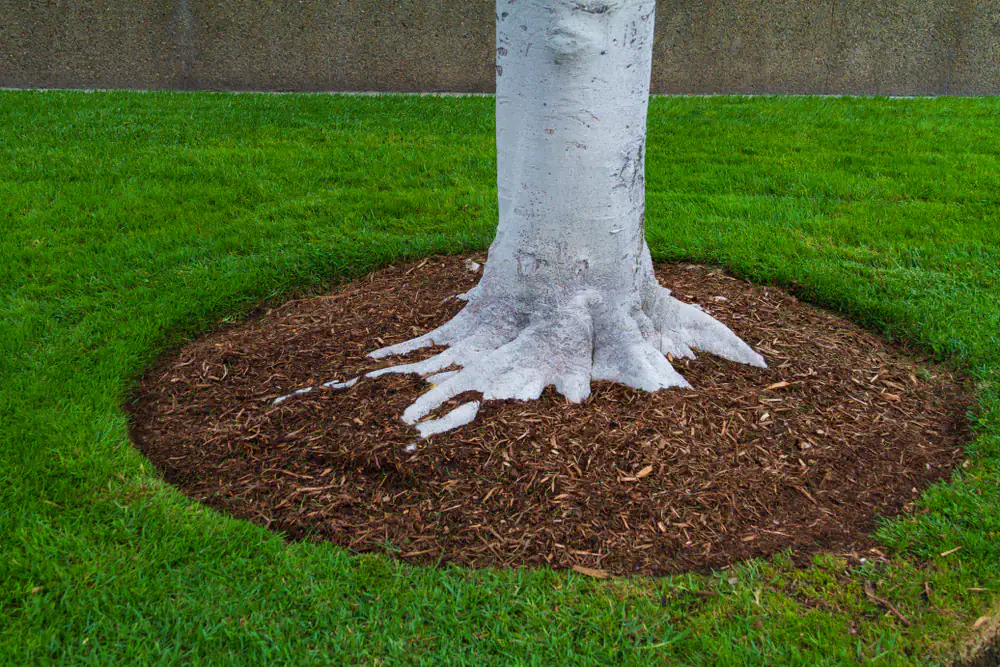
Absolutely. The most common mistake is piling mulch against plant stems and tree trunks, which creates a moisture trap that leads to rot and disease. You want mulch pulled back a few inches from the base of any plant, creating a small gap that allows air circulation.
Too much depth is another problem. More than four inches and you’re blocking oxygen from reaching the soil, which suffocates roots and creates an environment where harmful fungi thrive instead of beneficial microbes.
Using the wrong material also causes issues. Fresh wood chips that haven’t been aged will pull nitrogen from your soil as they decompose, starving your plants. That’s why we use properly aged or composted mulch that’s ready to go down without causing nutrient imbalances. If you’ve ever seen plants turn yellow after mulching, nitrogen depletion is usually the culprit.
Cost depends on the size of the area you’re covering, the type of mulch you choose, and whether we’re removing old material first. For a typical residential property with standard landscape beds, you’re generally looking at a few hundred to over a thousand dollars depending on scope.
That includes material, delivery, site prep, and installation. We don’t charge separately for each step. You get one price that covers the complete job.
The investment pays back in reduced maintenance time and lower water usage. When you’re not constantly weeding and watering, you’re saving hours every month during growing season. Your plants stay healthier, which means less money spent replacing things that died from stress or neglect. We’ll give you a clear estimate after looking at your property so you know exactly what you’re spending before we start.
Properly applied mulch at the right depth will prevent most weed seeds from germinating because it blocks the sunlight they need to sprout. You’re cutting weed growth by 90% or more compared to bare soil.
You’ll still see some weeds. Perennial weeds with established root systems can push through mulch, and wind-blown seeds that land on top can sometimes germinate if they get enough moisture. But the difference is dramatic. Instead of spending every weekend pulling weeds, you’re dealing with a few stragglers here and there.
The key is maintaining that three-inch minimum depth. When mulch compresses or breaks down below that threshold, sunlight reaches the soil surface and weeds come back. Annual reapplication keeps your beds protected and functional. This isn’t a one-time fix, it’s an ongoing maintenance strategy that works when you stay consistent with it.
Spring and fall are both good windows. Spring mulching in April or May gives you weed suppression right as things start growing, and it helps your soil retain moisture heading into summer dry spells.
Fall mulching in October or November protects plant roots going into winter and gives the material time to settle before spring growth starts. Some people prefer fall because it’s one less thing to worry about when spring gets busy with other yard work.
Avoid mulching in the heat of summer if possible. Freshly disturbed beds dry out quickly in July and August, and plants are already stressed from heat. If you need mulch mid-summer, we can do it, but spring and fall applications are easier on your landscape and give you better results with less watering needed afterward.
Other Services we provide in Brayton