
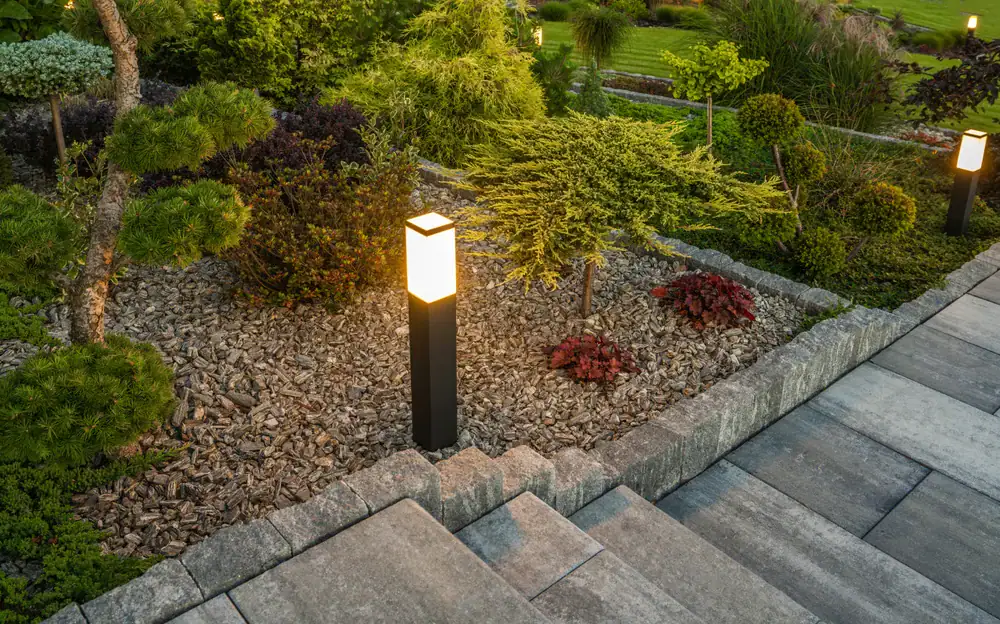
You’re not looking for the cheapest mulch job. You want it done right so you’re not dealing with weed-choked flower beds by July or plants that barely survive the winter.
Proper landscape mulching in Brant Lake does more than make your property look clean. It cuts water evaporation by up to 50%, which means less time dragging hoses around and lower water bills. It blocks sunlight from hitting bare soil, which stops weeds before they germinate. And it insulates roots from temperature swings, protecting your plants when summer heat spikes or winter cold settles in.
When mulch is installed correctly—at the right depth, with the right material, and without piling it against tree bark—it breaks down slowly and feeds your soil. That means better drainage, healthier root systems, and landscaping that actually lasts. You get curb appeal that holds up without constant maintenance, and your property value reflects it.
We’ve been working in Brant Lake and across Warren County since 1997. What started as a logging operation became a full-time excavation and site services company in 2020, and Josh’s son joined as a partner in 2022. This is a family business, and Josh is on-site for almost every job.
That matters because you’re not getting a crew that shows up once and disappears. You’re working with people who know the soil conditions around Brant Lake, understand how seasonal weather affects landscaping, and care about doing the job right the first time. We’re not trying to be your cheapest option—we’re trying to be your last call, the one you don’t have to follow up with or fix later.
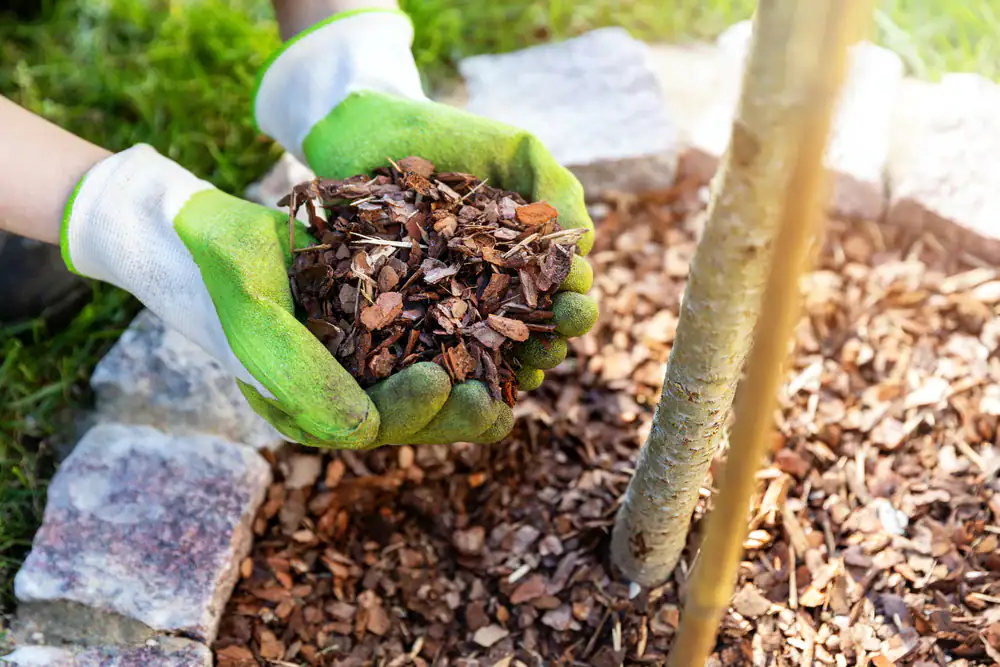
We start with a walkthrough of your property. That means looking at your flower beds, garden areas, and landscape beds to see what’s already there, what needs attention, and what type of mulch makes sense for your setup. If you’ve got old, compacted mulch or weeds that need clearing, we handle that first with our mulch removal service in Brant Lake.
Next, we prep the beds. We edge cleanly, pull any problem weeds, and make sure the soil is level and ready. Then we install fresh mulch at the right depth—usually 2 to 3 inches for most landscape bed mulching in Brant Lake, NY. Too thin and it won’t suppress weeds. Too thick and you risk trapping moisture against plant stems, which leads to rot.
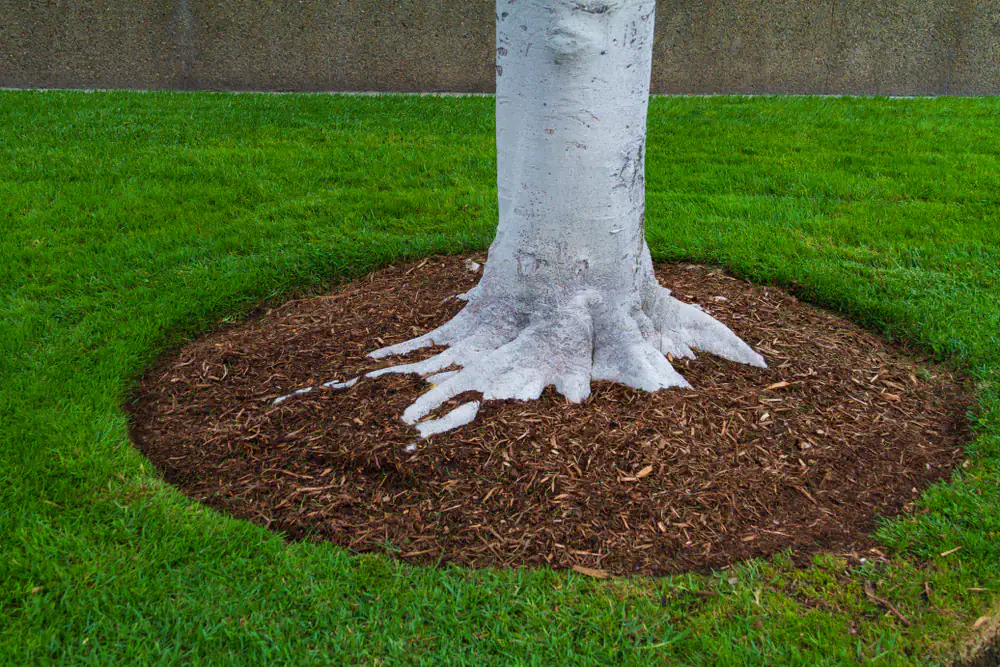
We don’t pile mulch against tree trunks or shrub bases. That’s called volcano mulching, and it kills plants slowly by trapping moisture and inviting pests. We leave a small gap around stems and trunks so air can circulate and water drains properly. Once the mulch is spread evenly, we clean up and haul off any debris. You’re left with clean beds, protected plants, and a property that looks sharp.
Ready to get started?
Every flower bed mulching project in Brant Lake starts with clearing out old material if needed. We remove compacted or deteriorated mulch, pull weeds, and edge the beds so they have clean lines. From there, we install fresh organic mulch that matches your landscape and does the job it’s supposed to—protect your soil and plants.
Brant Lake’s climate can be unpredictable. Summers get hot, winters are cold, and rainfall varies. That’s why we focus on mulch that insulates roots during temperature swings and holds moisture when it’s dry. Organic mulch also breaks down over time, adding nutrients back into your soil and improving its structure. You’re not just covering dirt—you’re building healthier ground for your plants to grow in.
We also handle larger landscape bed mulching projects across Brant Lake, NY, whether that’s around new construction, along driveways, or across commercial properties. Our equipment and experience mean we can move quickly without sacrificing quality. And because we own our equipment, we’re not waiting on rentals or dealing with delays. We show up, do the work, and finish what we start.
Most properties in Brant Lake need fresh mulch once a year, typically in early spring before weeds start growing. If you’re using organic mulch, it breaks down over time as it adds nutrients to your soil. That’s a good thing, but it also means the layer gets thinner and less effective at blocking weeds and holding moisture.
If your mulch still looks decent after a year and you’re not seeing a lot of weeds, you might be able to go longer. But if it’s faded, compacted, or thin in spots, it’s time to refresh it. Adding a new layer in late winter or early spring—February or March—gives you a head start on weed prevention and helps your plants handle the growing season better.
Some homeowners also add a lighter touch-up layer in fall, especially around trees and shrubs that need extra insulation going into winter. It depends on how your landscape is holding up and what kind of protection your plants need.
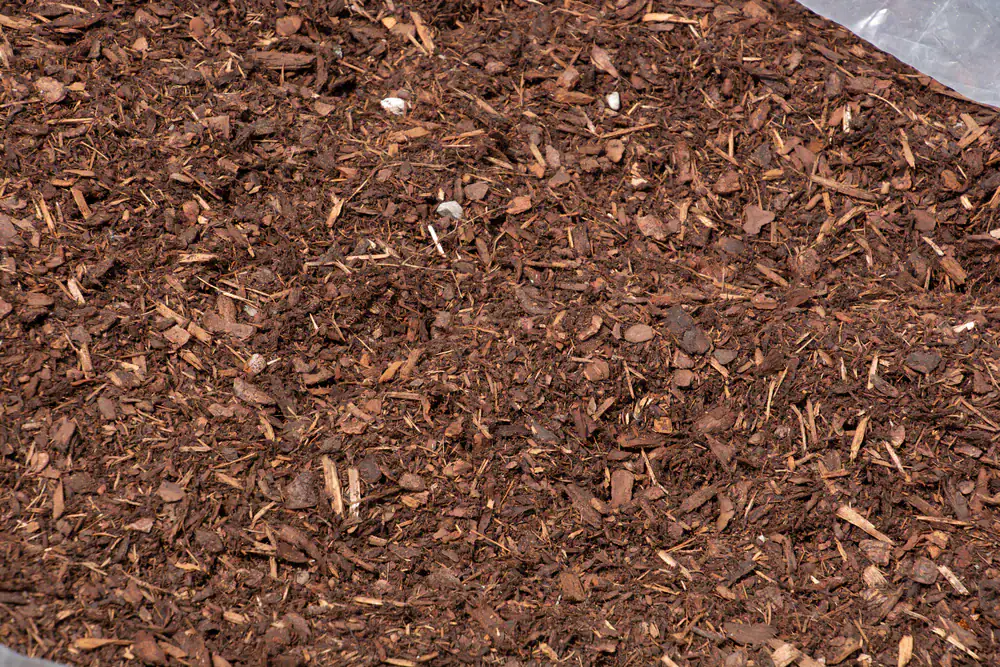
Organic mulch—like shredded hardwood, bark, or wood chips—is usually the best choice for most landscape beds in Brant Lake. It breaks down slowly, feeds your soil as it decomposes, and does a solid job of regulating temperature and moisture. Hardwood mulch tends to last longer than softer materials and holds up well through seasonal weather changes.
If you’re mulching around trees or shrubs, avoid dyed mulch that’s overly processed. Natural, undyed mulch is healthier for your plants and soil. For vegetable gardens or flower beds where you want faster decomposition and more nutrients, shredded leaves or compost-based mulch can work well, though they’ll need refreshing more often.
Inorganic options like rubber mulch or stone might seem low-maintenance, but they don’t improve your soil and can actually trap heat or prevent water from reaching roots. For most residential landscapes in Brant Lake, organic mulch gives you the best balance of protection, appearance, and long-term soil health.
Yes. One of the most common mistakes is piling mulch too high against tree trunks or plant stems, which traps moisture and causes rot. This is called volcano mulching, and it kills plants slowly by creating the perfect environment for fungal diseases and pests. Mulch should never touch the bark of a tree or the base of a shrub—leave a small gap so air can circulate.
Another issue is applying mulch too thick. More than 3 or 4 inches can suffocate roots by blocking oxygen and water from reaching the soil. It also creates a dense mat that’s hard for water to penetrate, which defeats the purpose of mulching in the first place. The right depth is usually 2 to 3 inches, depending on the material and what you’re covering.
If mulch isn’t installed evenly or if beds aren’t prepped properly, you can end up with uneven moisture distribution, which stresses plants. That’s why proper installation matters. It’s not just about dumping mulch and spreading it around—it’s about doing it in a way that actually protects your investment.
It depends on the condition of what’s already there. If your old mulch is heavily compacted, full of weeds, or breaking down into a dense mat, we’ll remove it before installing fresh material. Leaving bad mulch in place just creates problems—poor drainage, trapped moisture, and a breeding ground for pests and disease.
If the existing mulch is still in decent shape but just thin or faded, we can add a new layer on top after loosening and leveling what’s there. This works when the old layer hasn’t built up too much and isn’t causing drainage issues. We’ll assess your beds during the walkthrough and let you know what makes sense.
Our mulch removal service in Brant Lake handles the clearing, hauling, and disposal so you don’t have to deal with it. We prep the beds properly, whether that means full removal or just refreshing what’s there, so the new mulch does its job and your landscape stays healthy.
Cost depends on the size of the area, the type of mulch you choose, and whether we’re removing old material or just adding fresh mulch. For most residential properties in Brant Lake, you’re looking at a few hundred dollars for standard flower bed mulching, and more for larger landscape bed mulching projects or if there’s significant prep work involved.
Organic hardwood mulch is usually the most cost-effective option that still delivers quality results. Premium materials like cedar or fine shredded bark cost more but last longer and look cleaner. If we’re clearing out old, compacted mulch or dealing with heavy weed growth, that adds to the labor, but it’s worth it because you’re starting with a clean foundation.
We give you a clear estimate up front based on what your property needs. No surprises, no hidden fees. You’ll know exactly what you’re paying for and what you’re getting. And because Josh is on-site for almost every job, you’re getting quality work that’s done right the first time, which saves you money in the long run by avoiding problems that cheaper jobs leave behind.
Early spring—late February through April—is the best time for most mulching projects in Brant Lake. The ground is thawing, plants are starting to wake up, and weeds haven’t taken over yet. Getting mulch down before weeds germinate gives you a huge advantage because it blocks sunlight and prevents seeds from sprouting in the first place.
Fall is another good window, especially if you’re focused on protecting plants going into winter. A fresh layer of mulch in October or November insulates roots from freezing temperatures and helps your landscape survive the cold months. It also gives you a head start for spring since the mulch will already be in place when growing season begins.
Avoid mulching in the heat of summer if possible. It’s harder on plants to disturb their roots when they’re stressed by heat, and mulch applied in July or August won’t have the same weed-blocking effect since weeds are already established. If you need mulching done outside the ideal windows, we can still make it work—we’ll just adjust our approach based on what your landscape needs at that time.
Other Services we provide in Brant Lake