
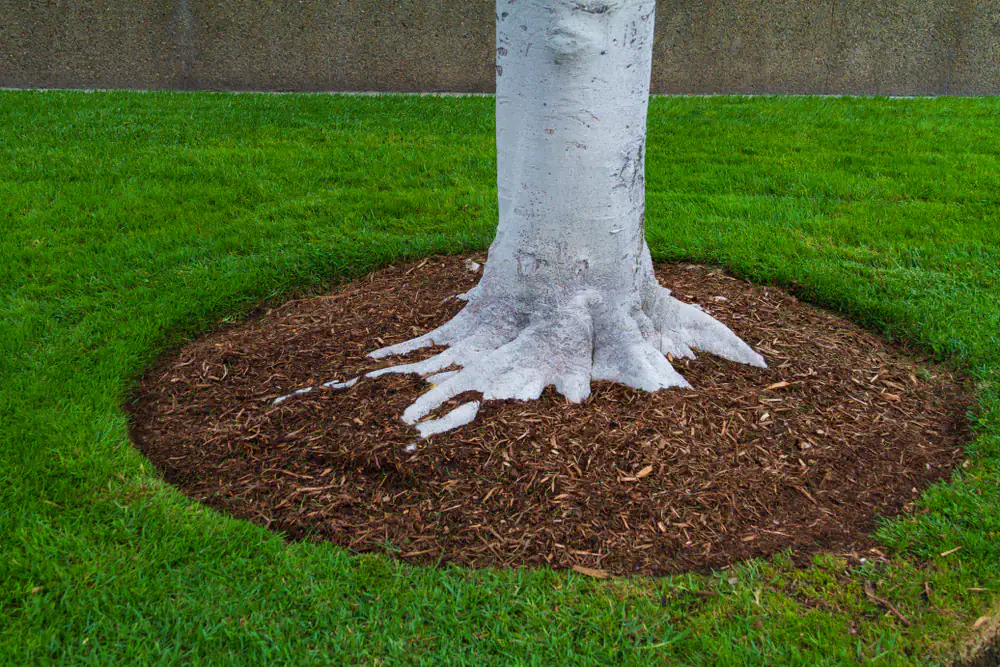
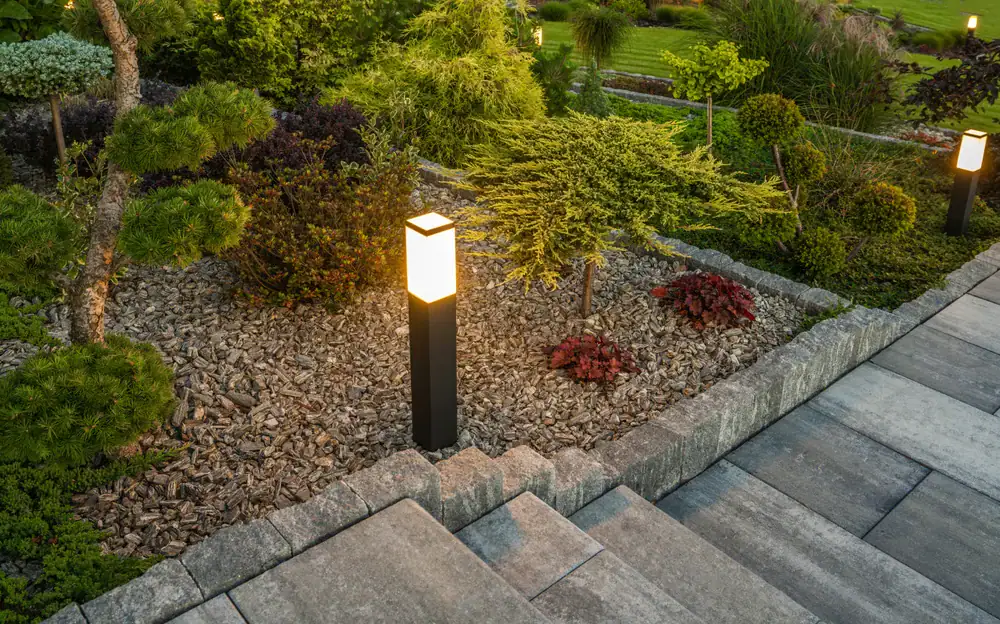
You’re not just covering dirt. You’re creating a barrier that cuts your watering time, stops weeds before they start, and keeps your plants healthier through every season.
A 2-3 inch layer of properly installed mulch can reduce water evaporation by up to 70%. That means your plants stay hydrated longer, your water bill stays lower, and you’re not out there with a hose every other day during summer. The mulch also regulates soil temperature, keeping roots cooler in July and warmer when frost hits.
Here’s what most people don’t realize: the prep work matters more than the mulch itself. If you skip pulling weeds, applying proper edging, and laying down the right depth, you’ll spend your whole season fighting through what should’ve been handled upfront. When it’s done right, your landscape beds stay clean, your plants get the nutrients they need as the mulch breaks down, and your property looks like someone actually takes care of it.
We’ve been building a reputation in Saratoga, Washington, and Warren Counties since 1997. Josh is on almost every job, which means you’re getting the owner’s attention, not a crew that’s been sent out and forgotten about.
We handle everything from site prep for new home construction to driveways, septic systems, and landscape work like mulching and bed preparation. When you’re working with a family operation, the quality control is built in. We’re not trying to be the cheapest option in Barkers Grove, NY—we’re trying to be the excavator you call back every time because the work was done right.
The goal isn’t just to finish your mulching project. It’s to do it well enough that you think of us first when the next project comes up.
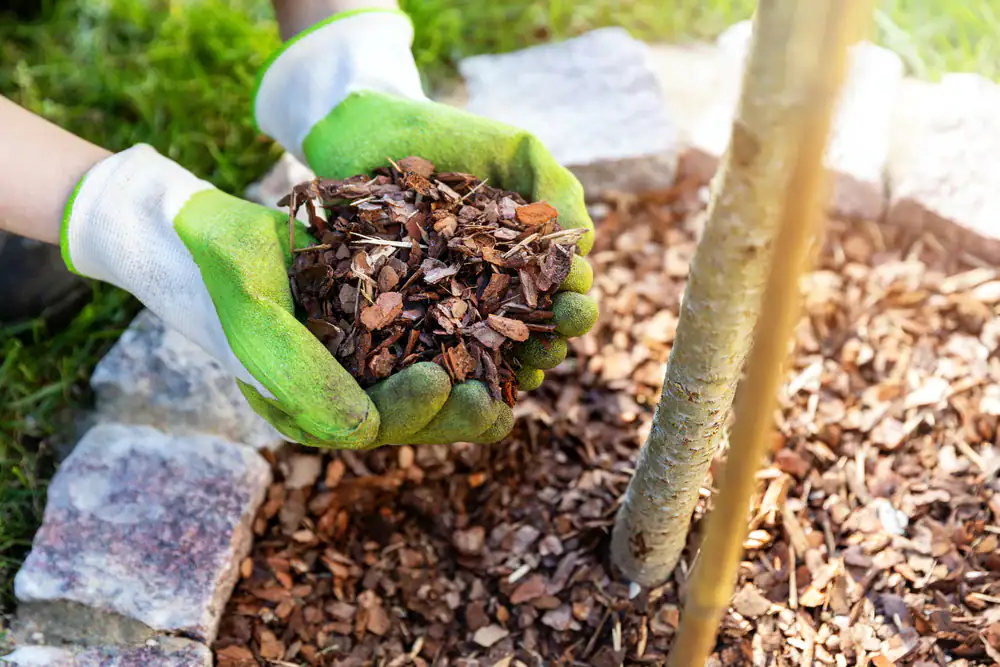
First, we assess your landscape beds and talk through what you’re trying to accomplish. If you’ve got weeds, overgrown edges, or old mulch that’s broken down, we address that before any new material goes down. This isn’t the fun part, but it’s the part that determines whether your mulch actually works.
Next, we hand-pull weeds and apply weed control products where needed. Then we use professional edging equipment to create crisp, clean borders that keep mulch in and grass out. This step makes a bigger difference than most people expect—it’s what separates a mulch job that looks good for two weeks from one that holds up all season.
Once the beds are prepped, we install your mulch at the right depth. For most landscape beds, that’s 2-4 inches depending on the material. Too little and you won’t get weed suppression or moisture retention. Too much and you risk suffocating plant roots or creating drainage problems. We’re measuring and adjusting as we go to make sure every bed gets what it needs.
After installation, the mulch settles and starts doing its job: blocking sunlight from weed seeds, holding moisture in the soil, and slowly breaking down into nutrients your plants can use. You’ll notice the difference in how much less time you’re spending on maintenance and how much better everything looks from the curb.
Ready to get started?
You’re getting full bed preparation, not just a mulch dump. That means weed removal, edging, grading if needed, and proper depth application across every bed. We’re also checking for drainage issues or areas where mulch might wash out, and we’ll let you know if something needs attention before it becomes a bigger problem.
In Barkers Grove, NY and the surrounding Saratoga County area, soil conditions and seasonal weather patterns matter. Spring installation—typically April or May—sets your landscape up for the growing season and helps plants stay hydrated through summer heat. If you’re mulching in late spring or early fall, we’re working with more stable soil conditions and fewer weather delays, which means the job gets done efficiently and correctly.
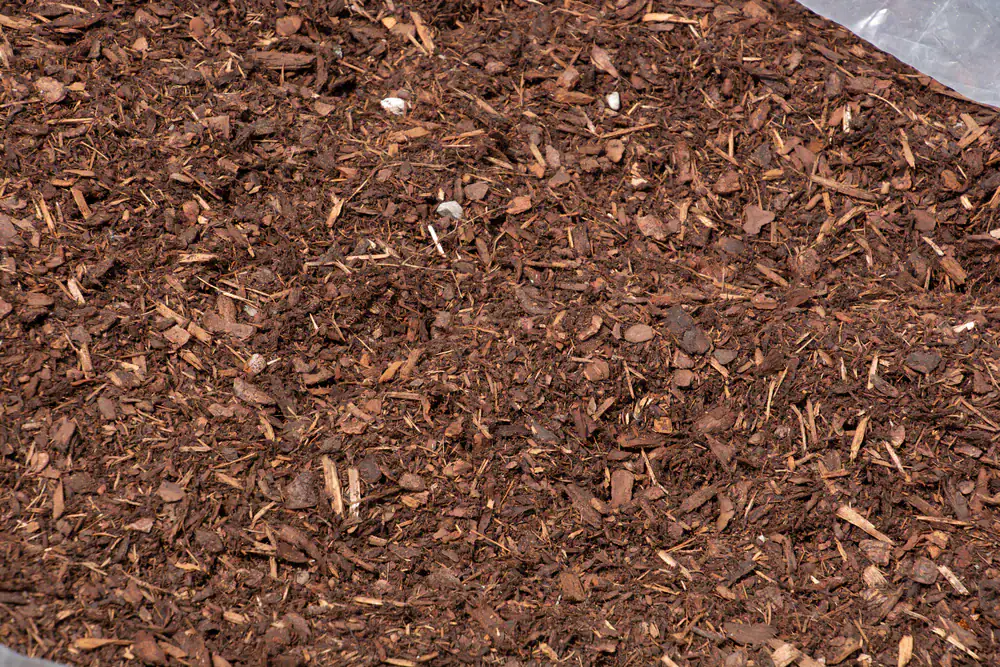
We’re also bringing the mulch to you. Whether you want shredded hardwood bark, which breaks down slowly and works well for flower beds, or another material that fits your landscape, we handle delivery and installation as one complete service. You’re not coordinating multiple companies or trying to spread 10 cubic yards of mulch yourself on a Saturday.
The result is landscape beds that look finished, stay cleaner, and require less maintenance throughout the season. Your plants get better moisture retention, your property gets better curb appeal, and you get your weekends back.
Most landscape beds need fresh mulch every 1-2 years, depending on the material and how much it’s broken down. Organic mulches like shredded hardwood bark decompose over time, which is actually good for your soil—but it also means the layer gets thinner and less effective at blocking weeds and retaining moisture.
If your mulch has faded to a light gray color, compacted down to less than 2 inches, or you’re seeing weeds pop through regularly, it’s time to refresh. Some properties in Barkers Grove, NY need annual mulching to keep beds looking sharp, especially if curb appeal is a priority. Others can stretch it to every other year if the mulch is still doing its job.
The key is monitoring depth and coverage. If you’re not sure, we can take a look and give you an honest assessment of whether you need a full refresh or just a top-up in certain areas.
Shredded hardwood bark is one of the most common choices for flower beds and landscape mulching in Barkers Grove, NY because it’s affordable, breaks down slowly, and looks natural. It typically costs between $35-$40 per cubic yard for dyed options like red or black, and it holds up well through the season.
Cedar mulch costs more but lasts longer and has natural oils that repel insects. Pine bark nuggets are another option—they’re larger, don’t blow away as easily, and work well on slopes or areas with heavier foot traffic. Each material has different decomposition rates, colors, and textures, so the right choice depends on your landscape design, budget, and how often you want to refresh the beds.
What matters most is proper installation. Even the best mulch won’t perform if it’s applied too thick, too thin, or without proper bed prep. We’ll walk you through the options and recommend what makes sense for your property based on what we’ve seen work well in this area.
Yes. Over-mulching is one of the most common mistakes we see, and it can slowly kill plants—especially azaleas, rhododendrons, dogwoods, and boxwoods. When mulch is piled too deep or pushed up against plant stems and tree trunks, it traps moisture, encourages fungal growth, and suffocates roots by blocking oxygen flow.
The right depth is 2-4 inches depending on the mulch type, and it should never be mounded against the base of plants. Fine mulches like shredded bark should stay closer to 2 inches, while coarser materials can go up to 4 inches. Anything beyond that creates more problems than it solves.
We also see issues when mulch is applied over existing weeds or without proper edging. That’s not a mulch problem—it’s a prep problem. When the groundwork is done right, mulch protects your plants and improves soil health as it breaks down. When it’s rushed or done incorrectly, it creates slow decline that most people don’t notice until the damage is already done.
Spring—typically late April or May—is the most popular time for mulch installation in Barkers Grove, NY. You’re prepping your landscape beds for the growing season, and the mulch helps plants stay hydrated as temperatures rise through summer. It also gives you a clean, finished look right when everything starts blooming.
Late spring through early fall is also a solid window. Soil conditions are stable, weather delays are less common, and the mulch has time to settle before winter. Some property owners prefer fall mulching because it gives plants an extra layer of insulation going into colder months, though that’s more about timing preference than necessity.
What you want to avoid is mulching when the ground is still frozen or overly saturated. If the soil can’t drain properly, you’re just trapping moisture in the beds, which can lead to root rot and other issues. We’ll let you know if conditions aren’t right and recommend a better window for installation.
Cost depends on the size of your landscape beds, the type of mulch you choose, and how much prep work is needed. Mulch itself typically runs $30-$150 per cubic yard depending on the material, with standard dyed hardwood bark in the $35-$40 range. Most residential properties need anywhere from 3-10 cubic yards to cover flower beds, garden areas, and landscape borders.
Labor for installation includes bed prep, edging, weed removal, delivery, and spreading the mulch at the correct depth. If your beds haven’t been maintained in a while, there may be additional work to remove old mulch, regrade the soil, or address drainage issues before new material goes down.
We’ll give you a clear estimate based on what your property actually needs—no surprises, no upselling. The goal is to do the job right so you’re not calling someone else back in six months to fix problems that shouldn’t have happened in the first place.
Not always, but sometimes. If your existing mulch has broken down to less than an inch, is heavily compacted, or has turned into more soil than mulch, you can usually apply new material right over it. The decomposed mulch actually adds organic matter to the soil, which benefits your plants.
But if old mulch is still thick, matted, or creating drainage problems, it needs to come out first. Layering new mulch on top of 3-4 inches of old material pushes you past the safe depth range and increases the risk of suffocating plant roots or trapping too much moisture against stems.
We assess this on every job. If removal is necessary, we’ll handle it as part of the prep work. If the existing layer is fine and just needs a refresh, we’ll top it off and save you the extra cost. The decision is based on what’s actually best for your landscape, not what’s easiest for us.
Other Services we provide in Barkers Grove