
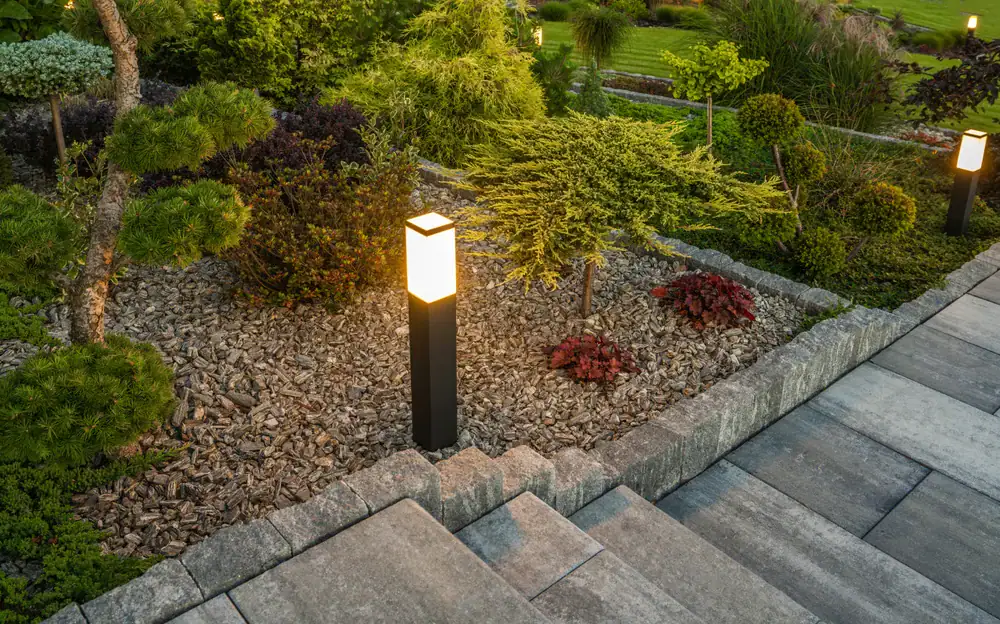
Your garden beds shouldn’t need constant attention. When mulch is installed correctly, you’re looking at natural weed control that actually works—blocking sunlight before weeds even start. You’re protecting roots from July heat waves and October frosts without thinking about it.
Ballston Spa properties near lakes and rivers face real erosion problems when heavy rain hits. Mulch slows water penetration and holds soil in place, which means you’re not watching your landscaping investment wash away every spring. It’s also managing moisture during those stretches when it doesn’t rain for weeks, then dumps two inches overnight.
The right mulch installation in Ballston Spa means your flower beds and landscape beds stay cleaner, your plants perform better, and you’re not out there every weekend fighting the same problems. It’s the difference between maintaining a property and actually enjoying it.
We’ve been working Saratoga County properties since 1997. Josh is on almost every job—not because we’re small, but because quality matters more than volume. When his son joined as a partner in 2022, it reinforced what we’ve always believed: you build a business by doing right by people, not by cutting corners.
We know Ballston Spa soil conditions. We understand how weather patterns here affect your landscaping. And we’re not interested in being the cheapest option—we’re interested in being your last call, because the work was done right the first time.
You’ll get clear pricing before we start, professional equipment that shows up on time, and mulch that’s tested by Cornell’s Cooperative Extension for pH balance. No dyes, no surprises, no runaround.
We start by looking at your garden beds, flower beds, or landscape areas to understand what you’re working with. If there’s old mulch that’s broken down or compacted, we remove it. If your beds need edging or reshaping, we handle that before any new material goes down.
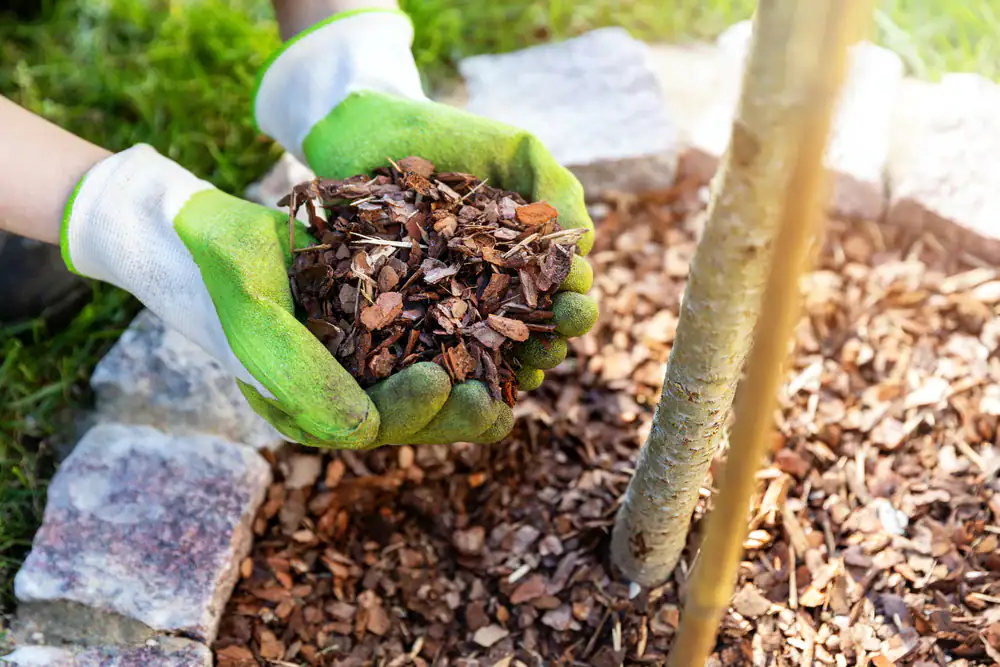
Then we bring in all-natural, non-dyed mulch that’s been tested for proper pH balance. We’re not dumping bags and calling it done—we’re applying it at the right depth, usually 2-3 inches, and making sure coverage is even across the entire area. Too thin and you won’t get weed control. Too thick and you’re suffocating roots.
After installation, we clean up completely. You’re not left with mulch scattered across your driveway or lawn. The job’s finished when your property looks better than when we arrived, and you’ve got protection that’ll last through the season.
Ready to get started?
Our mulching services in Ballston Spa cover the full scope: mulch removal if needed, bed preparation, professional-grade mulch installation, and complete cleanup. You’re getting material that’s safe for families and pets—no chemical dyes leaching into soil or getting tracked into your home.
Ballston Spa’s proximity to lakes and rivers means erosion control isn’t optional. Our landscape mulching approach accounts for local drainage patterns and soil types common in Saratoga County. We’re installing mulch that works with your property’s specific conditions, not against them.
We also handle landscape bed mulching for larger properties where coverage area matters. Whether it’s residential garden mulching or commercial landscape beds, the process stays consistent: proper depth, even coverage, and materials that perform through summer heat and fall cold. You’re not getting a different level of care based on project size—you’re getting the same attention to detail Josh brings to every job.
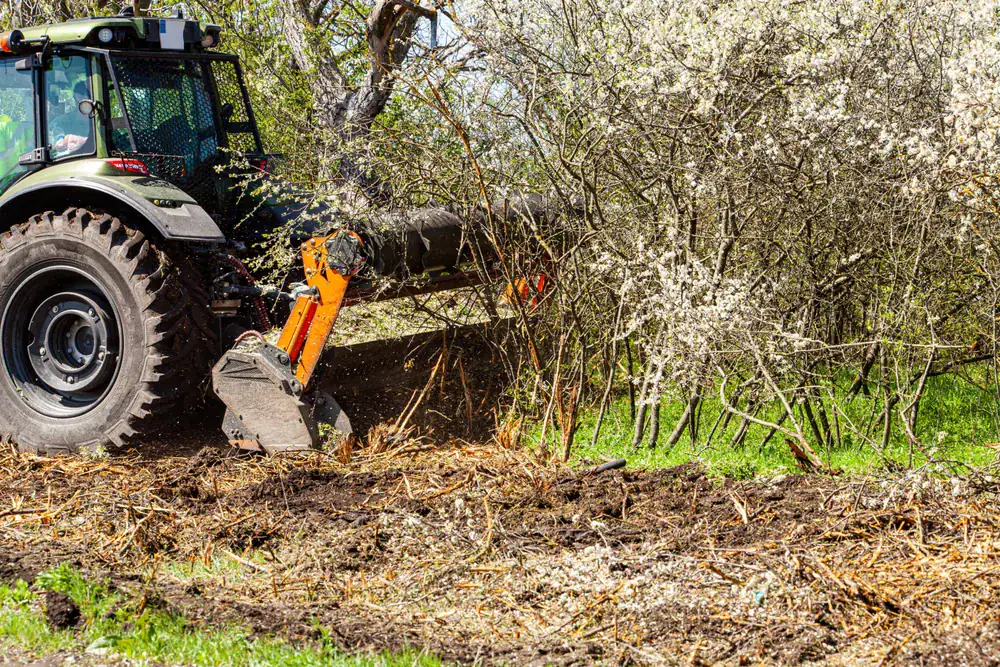
Most mulch needs refreshing every 12-18 months, depending on weather exposure and material breakdown. In Ballston Spa, you’re dealing with freeze-thaw cycles that break down organic mulch faster than in milder climates. If your mulch has faded to gray, compacted into a dense mat, or thinned out to less than two inches, it’s time.
You’ll know it needs replacement when weeds start pushing through easily or when you can see bare soil in multiple spots. Some homeowners top-dress annually with a fresh layer, while others do a complete mulch removal and reinstallation every other year. It depends on how much your beds are exposed to direct sun and heavy rain.
The key is catching it before you lose the benefits—weed control, moisture retention, and erosion protection all drop off once mulch breaks down past a certain point. If you’re not sure where yours stands, we can take a look and give you a straight answer on whether you need a full refresh or just a top layer.
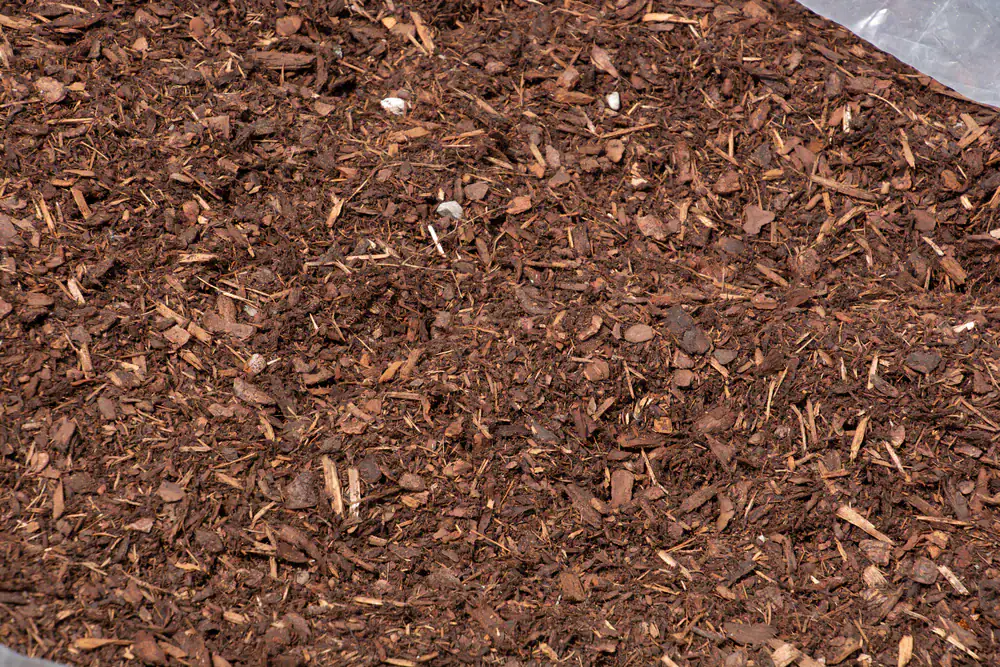
All-natural, non-dyed hardwood mulch performs best for most Ballston Spa landscapes. It breaks down slowly, holds moisture well, and doesn’t introduce chemicals into your soil. Cedar mulch is another solid option—it resists decomposition and naturally repels some insects, though it costs more upfront.
Avoid dyed mulches if you have kids or pets spending time in those areas. The dyes can leach into soil, and while manufacturers claim they’re safe, you’re introducing unnecessary chemicals to spaces where your family is active. Natural mulch also integrates better with local soil as it decomposes, actually improving soil quality over time instead of just sitting on top.
For properties with significant erosion concerns near water features or on slopes, shredded hardwood mulch locks together better than nugget-style options. It stays in place during heavy rain, which matters in Ballston Spa where spring storms can move lighter materials. We use mulch tested by Cornell’s Cooperative Extension to ensure pH balance works with your existing plants and soil conditions.
Two to three inches is the target depth for most flower beds and landscape beds. Less than two inches and you won’t get effective weed suppression or moisture retention. More than four inches and you risk suffocating plant roots and creating conditions for rot or fungal issues.
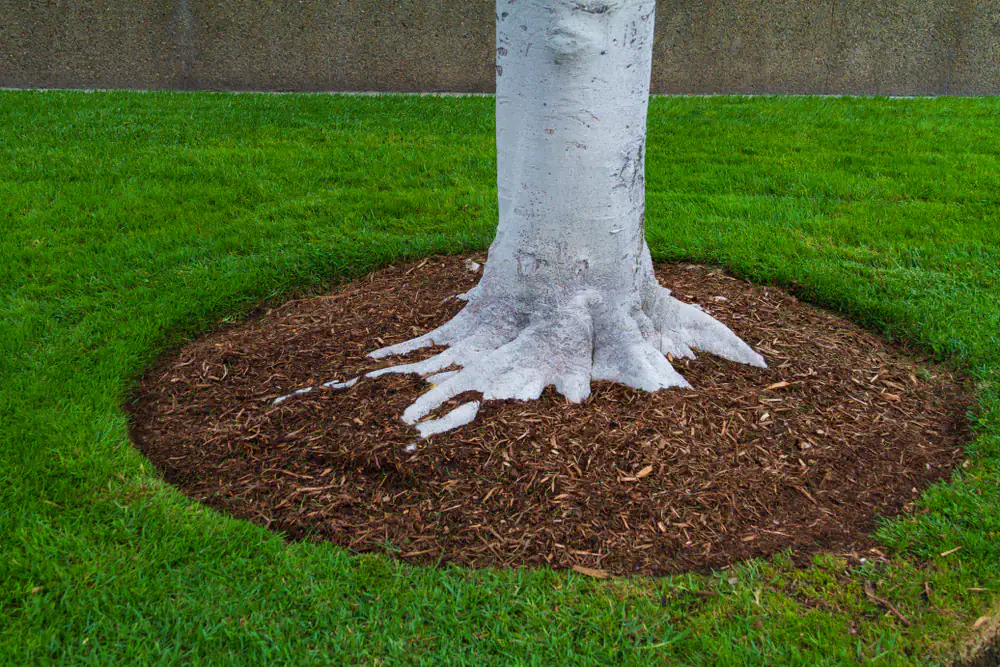
The exception is around trees—you want to keep mulch pulled back from the trunk by at least six inches. Piling mulch against bark creates moisture problems and invites pests. You’ll see this done wrong constantly, with mulch volcanoes around trees that end up causing more damage than protection.
For garden mulching in Ballston Spa, depth also affects how well mulch handles our weather swings. Too thin and it dries out fast during summer droughts. Proper depth gives you a buffer that moderates soil temperature and moisture through the extreme highs and lows common in the Albany region. We measure as we install to keep coverage consistent across the entire bed—not eyeballing it and hoping it works out.
Mulch significantly reduces weeds but won’t eliminate 100% of them. Properly installed mulch at the right depth blocks sunlight, which stops most weed seeds from germinating. You’re cutting weed growth by 80-90% compared to bare soil, which is the difference between occasional hand-pulling and constant battle.
Some aggressive weeds will still push through, especially perennial ones with established root systems already in your beds. But they’re easier to pull when they’re growing through mulch instead of compacted soil. The mulch also makes it obvious where weeds are popping up, so you catch them early before they spread.
For landscape bed mulching in Ballston Spa, combining mulch with proper bed preparation gives you the best results. If we’re removing old mulch and addressing existing weed problems before installing fresh material, you’re starting from a clean baseline. Adding landscape fabric under mulch is an option, though it’s not always necessary and can create problems down the road when you need to refresh mulch or work the soil.
Late spring after the soil warms up is ideal for most mulch installation in Ballston Spa. You want the ground temperature stable and early weeds dealt with before covering beds. Installing too early in spring means you’re insulating cold soil and slowing plant growth when they should be waking up.
Fall mulching also works well, especially if you’re focused on winter protection for roots and erosion control. A fresh layer of mulch going into late October or early November gives plants insulation through freeze-thaw cycles and prevents soil from washing away during winter rain and snowmelt.
Avoid mulching during peak summer heat if possible—it’s harder on plants to have their root zones disturbed when they’re already stressed. That said, if your beds are in rough shape and weeds are taking over, it’s better to mulch in July than to wait until fall and let problems compound. We can work around weather and plant stress to minimize impact, but timing it right from the start makes the whole process easier on your landscape.
Yes, and it’s especially important for Ballston Spa properties near lakes, rivers, or low-lying areas. Mulch slows water movement across the soil surface, giving it time to absorb instead of running off and taking soil with it. Without that buffer, heavy rain hits bare soil and starts moving it immediately.
Erosion near water isn’t just about losing soil—you’re also losing the plants, amendments, and work you’ve put into those beds. Mulch creates a protective layer that absorbs initial water impact and holds soil structure together. For properties on slopes or near drainage paths, landscape mulching is one of the most cost-effective erosion controls available.
The type of mulch matters here. Shredded hardwood mulch locks together and resists washing away better than loose nuggets or pine bark. We’ve worked enough Ballston Spa properties to know which areas are vulnerable and how to install mulch that stays put during spring runoff and summer storms. If erosion is already a problem, we’ll look at bed grading and drainage before mulching so you’re actually solving the issue instead of just covering it temporarily.
Other Services we provide in Ballston Spa