
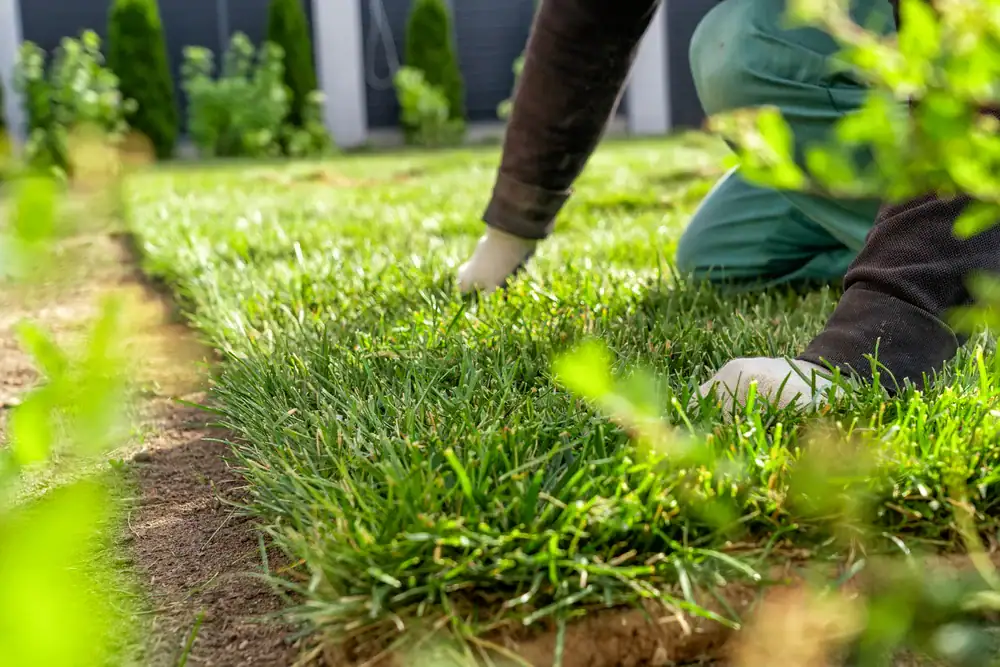
Most lawn failures start before the first piece of sod goes down. Poor grading creates standing water. Compacted soil chokes root growth. Inadequate site preparation means you’re dealing with drainage problems within the first season.
Professional lawn installation in north Ballston Spa means starting with excavation expertise. We grade the ground properly so water moves away from your foundation, not toward it. Soil gets prepared so roots can actually establish. You’re not guessing whether it’ll work—you’re watching it happen with equipment that’s built for precision.
This is what separates a lawn that looks good for a few months from one that’s still thriving years later. When the foundation is right, everything else follows. No standing water after storms. No patchy areas where nothing grows. Just a lawn that does what you paid for it to do.
We’ve been working in north Ballston Spa since the late ’90s, starting in logging before transitioning to full-time excavation in 2020. This is a family operation—Josh is on almost every job, and his son joined as a partner in 2022.
That excavation background matters when you’re installing a lawn. The equipment, the grading knowledge, the understanding of how water moves through Ballston Spa’s sandy soil—it all comes into play before the first roll of sod. You’re not hiring a landscaping crew that rents a skid steer once a month. You’re working with people who move earth for a living.
Our goal is to be your excavator for the long haul. That means doing the backyard lawn installation in north Ballston Spa right the first time, so you’re not calling someone else to fix drainage issues two seasons later.
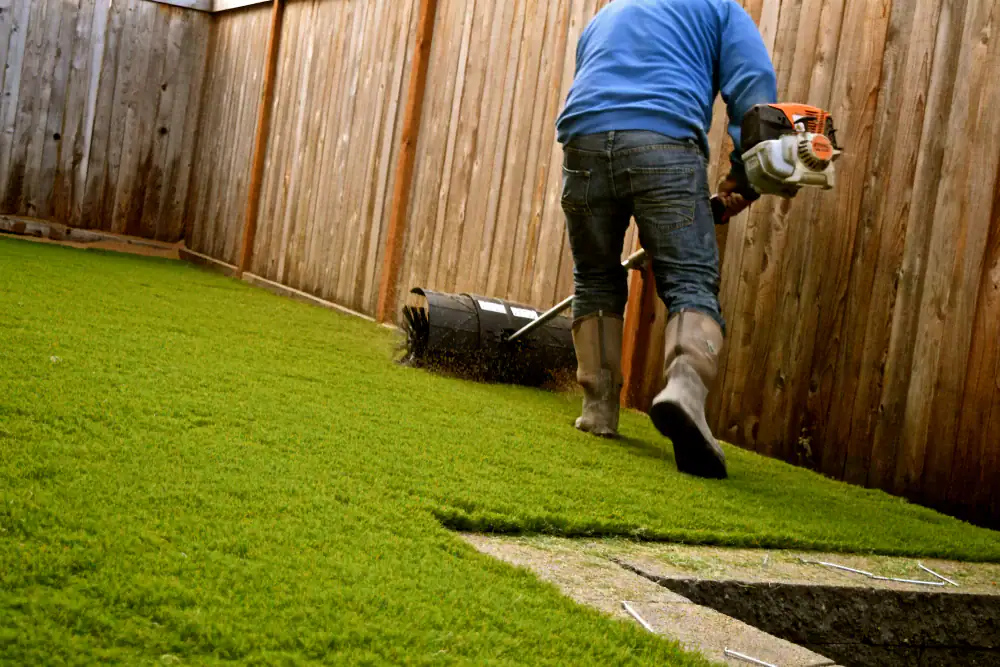
It starts with a site visit. Josh walks the property, looks at existing drainage, checks soil conditions, and talks through what you’re trying to accomplish. You get a clear estimate—no surprises later.
Once the job starts, the excavation work comes first. Any existing lawn or vegetation gets stripped away. We grade the ground using GPS-guided equipment so water flows where it should. If there are low spots that collect water or high spots that create runoff problems, they get corrected now.
Soil preparation comes next. Depending on what’s there, amendments might be needed. The base has to support healthy root growth, not fight against it. This is where a lot of DIY projects and cheaper installations fall apart—they skip this step or rush through it.
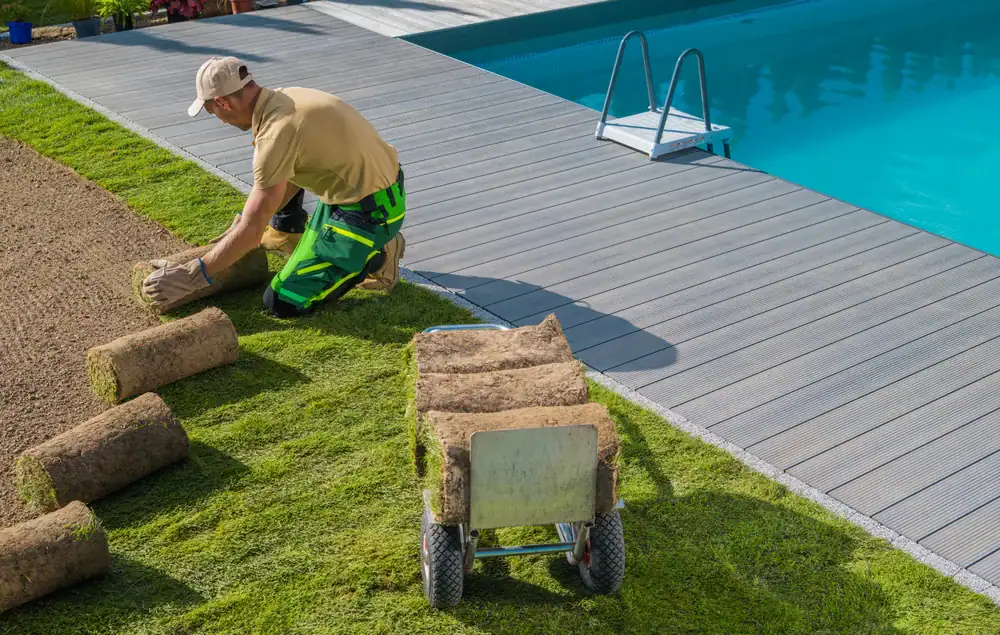
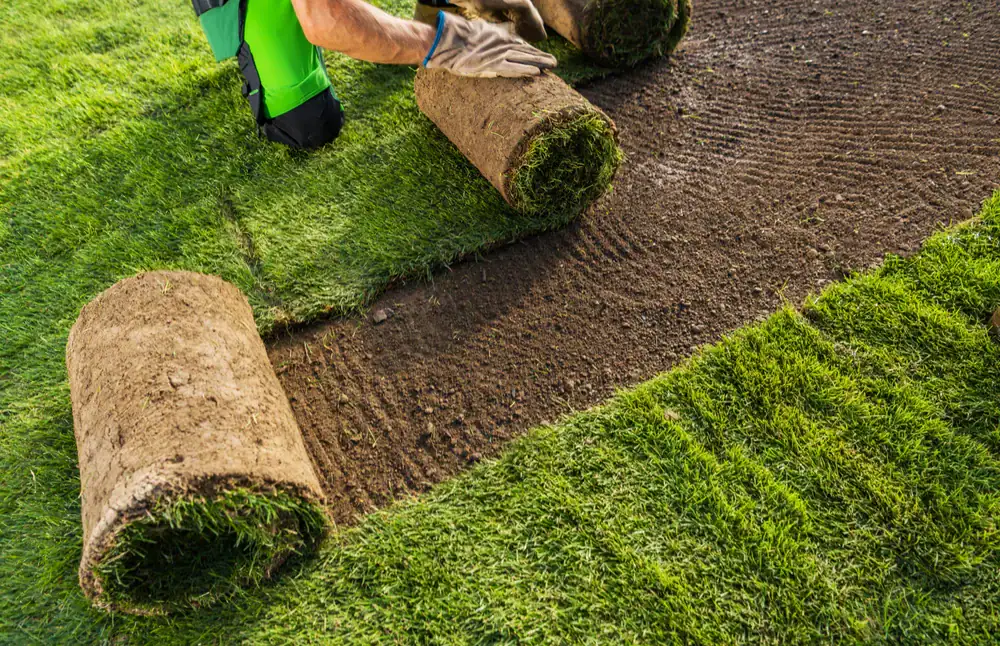
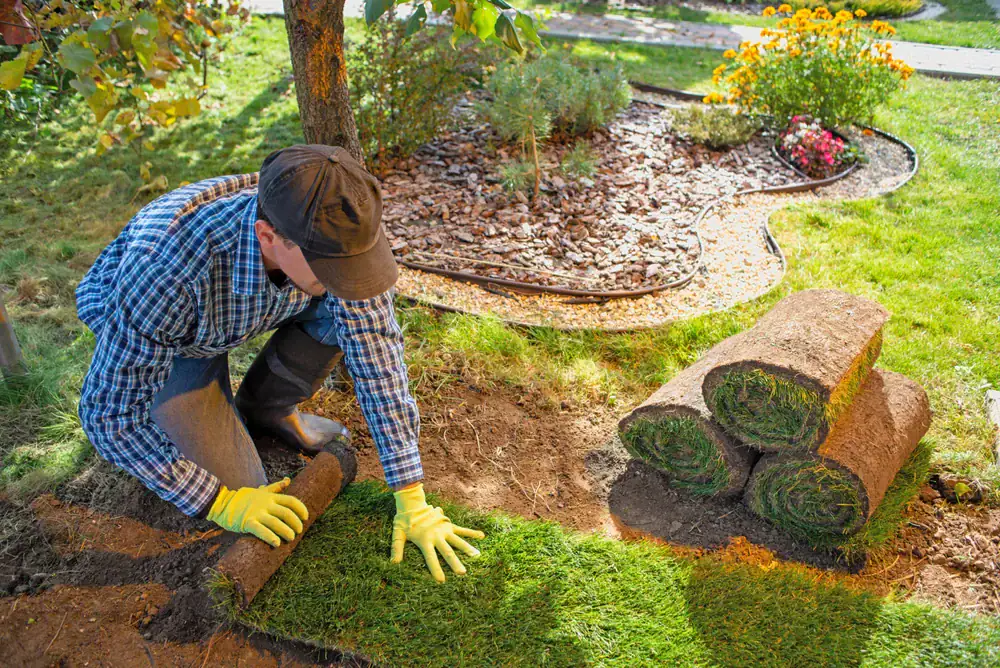
Then the sod goes down. It’s installed tight, staggered, and rolled to ensure good soil contact. The edges get secured. You’re walked through the watering schedule and what to expect in the first few weeks. We clean up the site, and you’ve got a lawn that’s ready to establish.
Ready to get started?
A complete front yard lawn installation in north Ballston Spa covers more than just laying sod. You’re getting site evaluation, excavation, grading, soil prep, sod installation, and cleanup. Everything needed to go from bare ground to established lawn.
The excavation and grading work is where the value really shows. North Ballston Spa sits on varied terrain with sandy soil that drains fast in some areas and holds water in others. Proper grading accounts for that. We direct water away from foundations, patios, and driveways. Low areas get filled and compacted correctly. High spots get leveled without creating new problems.
Soil preparation includes testing what’s there and amending if needed. Compacted clay gets broken up. Sandy areas might need organic matter added. The goal is giving roots the best chance to establish quickly and deeply.
Sod selection matters too. The right variety for sun exposure, foot traffic, and maintenance level makes a difference in how the lawn performs long-term. And because we’re a family business with excavation equipment already on site, projects move faster than coordinating multiple contractors. You’re not waiting weeks between phases—you’re watching the whole job come together in days, not months.
Professional lawn installation in north Ballston Spa typically runs between $2 and $8 per square foot, depending on site conditions and what prep work is needed. A 5,000 square foot lawn usually falls in the $10,000 to $40,000 range when you factor in excavation, grading, soil prep, and sod installation.
The wide range comes down to what you’re starting with. A relatively flat yard with decent soil and good drainage sits at the lower end. A sloped property with drainage issues, compacted soil, or significant grading needs pushes costs higher. But that upfront investment prevents the expensive fixes later—regrading to correct water problems, replacing dead patches, or tearing everything out to start over.
You’ll get a clear estimate after the site visit. No hidden fees, no surprise charges when the job’s halfway done. Just an honest assessment of what the property needs and what it’ll cost to do it right.
Spring and early fall are ideal for sod installation in north Ballston Spa. Late April through early June gives you moderate temperatures and typically reliable rainfall, which helps new sod establish without constant watering. September through mid-October works well too—the soil is still warm enough for root growth, but the intense summer heat is gone.
Summer installations are possible but require more intensive watering and monitoring. The sod can establish, but you’re fighting heat stress and higher water bills. Winter is off the table—frozen ground makes installation impossible and sod won’t root in cold soil.
That said, site prep work can happen almost any time the ground isn’t frozen. If you’re planning a spring installation, getting the excavation and grading done in late winter means everything’s ready when conditions are right for sod. Our equipment can work in conditions where landscaping crews typically won’t, which gives you more flexibility in timing.
New sod typically takes two to three weeks to root into the soil below, and six to eight weeks to fully establish in north Ballston Spa’s climate. You’ll see the roots starting to anchor within the first week if watering is consistent, but full establishment takes longer.
During the first two weeks, the sod needs daily watering—sometimes twice a day if it’s hot and dry. You’re keeping it moist but not waterlogged. After roots start penetrating the soil below, you can back off to every other day, then gradually transition to a normal lawn watering schedule.
The real test is the tug test around week three. If you can gently pull up a corner and feel resistance from roots growing into the soil, it’s anchoring properly. By week six to eight, the lawn should handle normal foot traffic and regular mowing. The key is following the watering schedule closely in those first few weeks—that’s when most establishment problems happen, and it’s almost always from inconsistent watering, not bad sod.
Yes, the existing lawn and vegetation need to come out before new sod goes down. Laying sod over old grass creates multiple problems—the new sod sits too high, roots can’t reach the soil below, and the decomposing grass underneath creates uneven settling and soft spots.
Proper removal means stripping away the old lawn, roots and all. This typically involves excavation equipment to scrape off the top layer cleanly and efficiently. It’s not a rototiller job—you want the old material gone, not just chopped up and mixed in.
Once the old lawn is removed, we grade the ground to the right level. This is when drainage issues get corrected and the base gets prepared properly. The new sod then sits at the correct height relative to sidewalks, driveways, and foundation edges. It sounds like extra work, but it’s the difference between a lawn that establishes correctly and one that struggles from day one because it’s fighting what’s underneath.
Yes, flower bed installation in north Ballston Spa and tree planting service can happen as part of the same project. It actually makes sense to do it all together—the excavation equipment is already on site, the grading work accounts for all the landscaping elements at once, and you’re not tearing up a new lawn later to add beds or trees.
We position and excavate flower beds before the lawn goes in. The edges get defined, soil gets amended for plantings, and everything is integrated into the overall grading plan. Trees get planted with proper spacing from the house and other structures, and their watering needs get factored into the irrigation planning.
Doing everything in one phase means the whole property comes together at once. You’re not living with a partially finished yard for months while waiting to schedule the next contractor. The equipment moves from excavation to grading to final installation without gaps. And because Josh is on site through the whole process, changes or adjustments happen in real time, not through phone tag with multiple companies.
New sod needs consistent watering for the first six weeks, then transitions to normal lawn maintenance. For the first two weeks, water daily—enough to keep the sod moist but not creating puddles. You’re looking at roughly one inch of water per week, split into daily applications.
Weeks three through six, you can reduce frequency but increase depth. Water every other day, encouraging roots to grow deeper into the soil. By week six, transition to a typical lawn schedule—one to two inches of water per week, applied in one or two deep waterings rather than frequent shallow ones.
Mowing starts once the sod is rooted enough that it doesn’t lift when you walk on it, usually around week three. Keep the mower blade high for the first few cuts—you want to remove no more than one-third of the grass height. Fertilization typically waits until after the first mowing, and you’ll want to use a starter fertilizer formulated for new lawns. After establishment, maintenance is standard—regular mowing, occasional fertilization, and deep watering during dry spells. The difference is you’re maintaining a healthy lawn, not constantly fighting problems that started with poor installation.
Other Services we provide in North Ballston Spa