
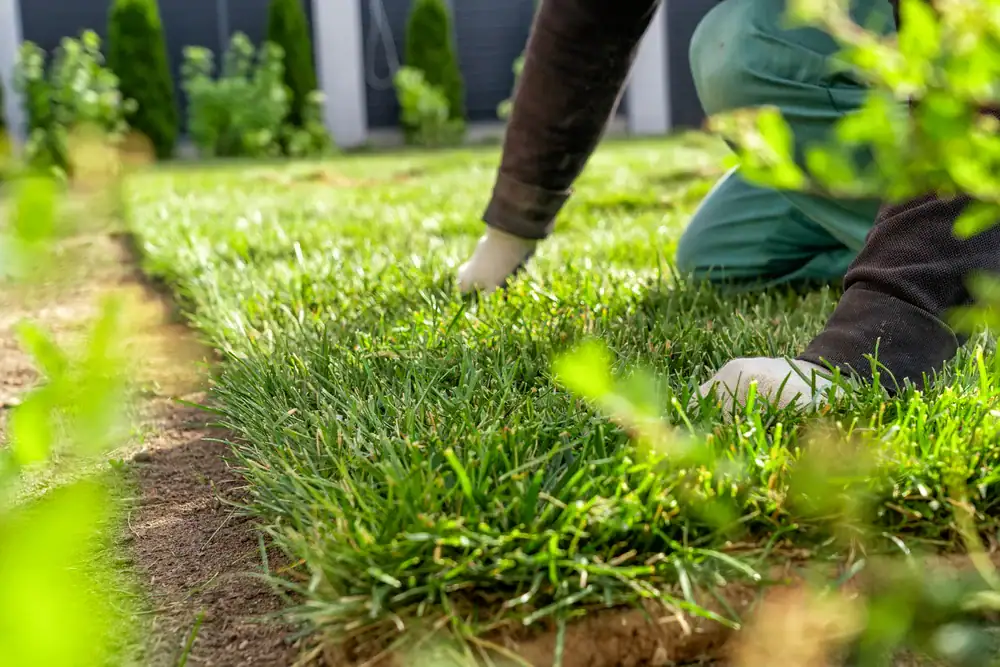
You’re not just getting grass rolled out. You’re getting a lawn that holds up because the groundwork was done right.
That means soil tested and amended before anything gets laid down. It means grading that prevents water from pooling near your foundation or washing out in the first heavy rain. It means erosion control that actually works because the roots are dense and the ground was prepped to support them.
Most homeowners in Clifton Knolls-Mill Creek don’t realize how much the site preparation matters until they see bare spots six months later. By then, you’re either living with it or paying someone else to fix it. We handle the prep work the same way we handle excavation jobs—with equipment that gets the grade right and experience that catches drainage problems before they become your problem.
The result is a lawn that doesn’t need constant patching. One that stays green without you dumping water on it every other day. One that actually adds to your property value instead of becoming another thing you have to explain away when it’s time to sell.
Emerson Excavating and Trucking started as a logging operation. We moved into full-time excavation in 2020, and we’ve been doing site prep, grading, and ground work across Saratoga, Warren, and Washington counties ever since.
Josh runs the jobs. He’s on-site for almost every project because quality control isn’t something you delegate when your name is on the truck. When you call, you’re talking to someone who’s actually going to show up and do the work—not a salesperson who disappears after the contract is signed.
We’re not the cheapest option in Clifton Knolls-Mill Creek, and we’re not trying to be. You’re paying for equipment that’s maintained, a crew that knows how to read a site, and a family business that plans to be here long after your lawn is established. If that matters to you, we should talk.
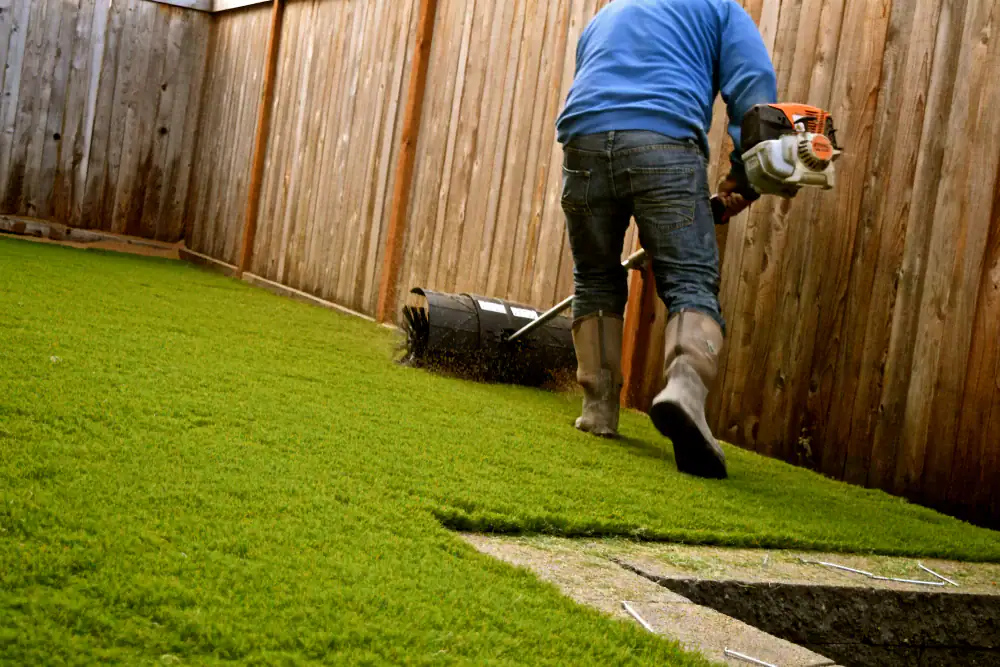
First, we test your soil. Not a guess based on what we see—actual lab analysis that tells us pH, nutrient levels, and what amendments you need. Most lawn failures in this area come down to soil that was never right to begin with.
Then we prep the site. That means grading for proper drainage, removing debris, and making sure the base is compacted enough to support sod without settling. If there are low spots or areas where water tends to sit, we fix that now—not after the grass is down and it’s too late.
Once the ground is ready, we lay the sod. We’re sourcing varieties that actually work in this climate—usually a mix of Kentucky bluegrass and fine fescue that can handle our winters and doesn’t need babysitting all summer. The sod gets laid tight, staggered, and rolled so the roots make contact with the soil immediately.
After installation, we walk you through the watering schedule. New sod needs consistent moisture for the first two weeks, but not so much that you’re creating mud. Get that part right and the roots establish fast. Get it wrong and you’re dealing with brown patches by week three.
Ready to get started?
Site preparation is the foundation. We’re grading to make sure water moves away from structures, not toward them. We’re removing rocks, roots, and anything else that’ll cause problems later. If your soil needs amendments—lime to adjust pH, compost to improve texture—we handle that before the sod goes down.
The sod itself is fresh-cut and delivered same-day when possible. In Clifton Knolls-Mill Creek, we’re typically working with cool-season grasses that establish quickly in spring or fall. You’re getting dense, weed-free sod that’s been grown specifically for residential lawns—not athletic fields or commercial properties where the requirements are different.
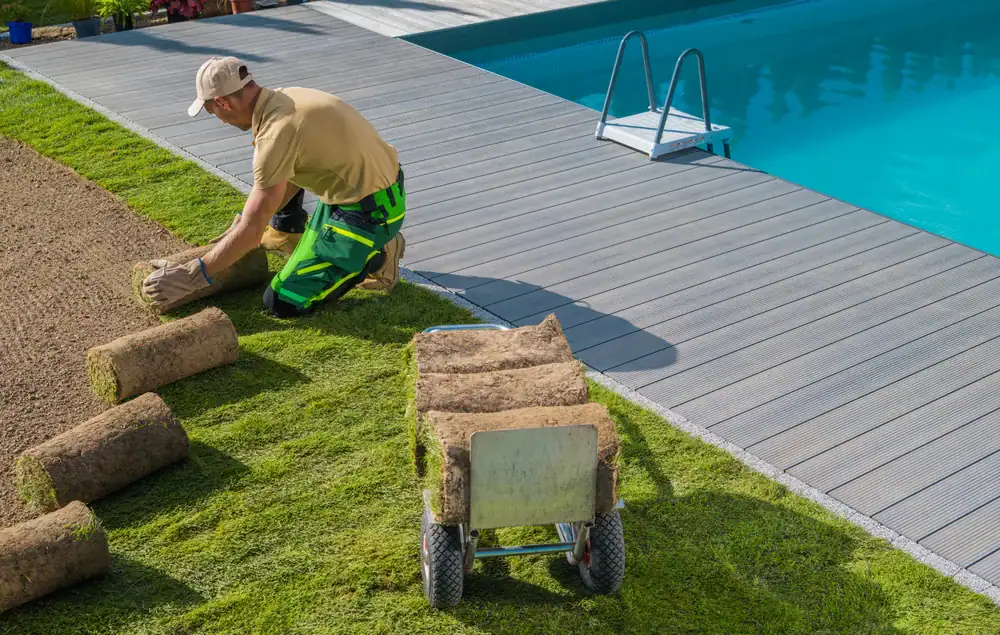
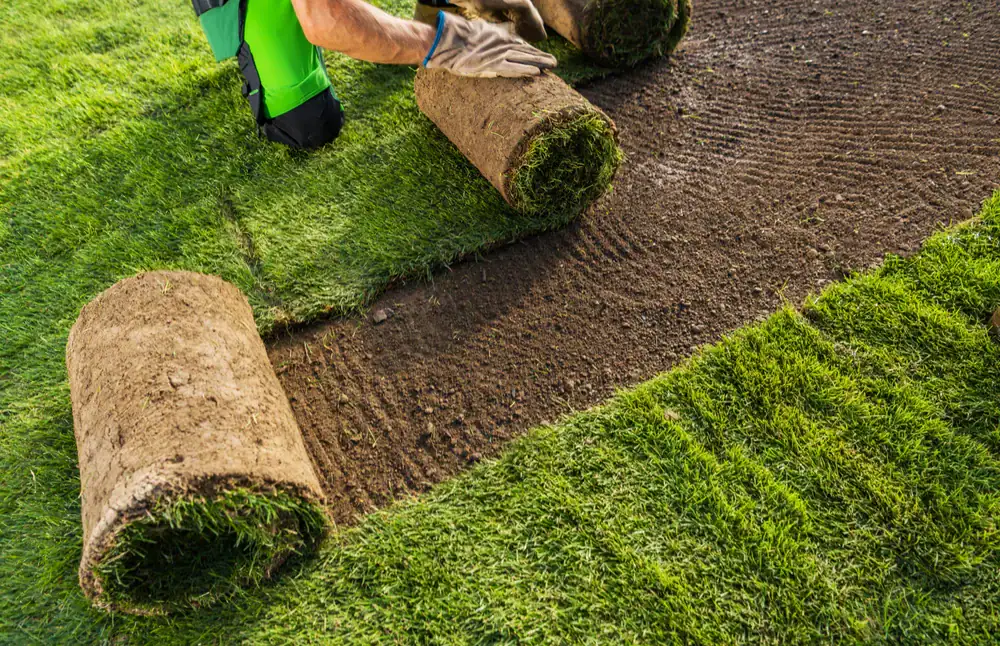
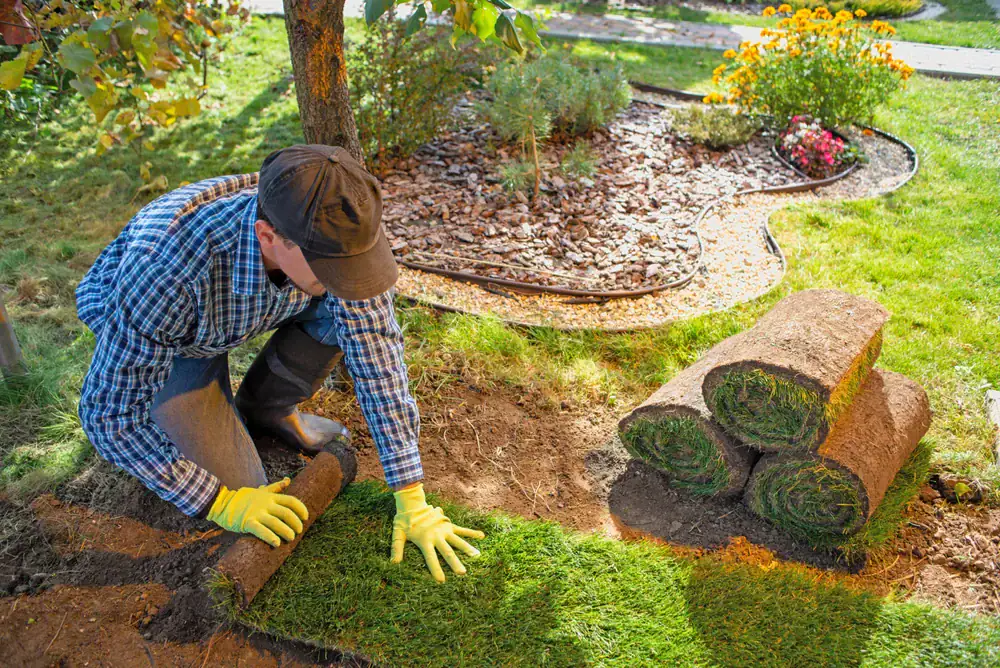
Installation includes proper layout and rolling. The edges get tucked tight so you’re not looking at gaps. The seams are staggered so the lawn doesn’t look like a checkerboard. Everything gets rolled to eliminate air pockets and ensure the roots are making contact with the soil underneath.
We also handle cleanup. The job isn’t done until the site is cleared, excess soil is hauled off, and your property looks finished. That’s part of the service, not an extra you negotiate after the fact.
You can walk on it lightly after about two weeks. Full root establishment takes four to six weeks depending on weather and how consistent you are with watering.
During the first two weeks, the sod needs water daily—sometimes twice a day if it’s hot and dry. You’re keeping the soil moist but not soaked. After that, you can back off to every other day, then transition to a normal watering schedule once the roots have grown into the soil below.
The biggest mistake people make is either overwatering to the point where the ground stays muddy, or underwatering because they assume sod is tougher than it is right after installation. Neither works. Stick to the schedule we give you and the lawn establishes without drama.
Sod costs more upfront—usually two to three times what you’d pay for seeding. But you’re also getting a finished lawn immediately instead of waiting three to four months for seed to fill in.
With seeding, you’re dealing with more watering, more weed competition, and more risk that birds or heavy rain wash out sections before the grass establishes. You’ll also need to stay off the lawn longer, which matters if you’ve got kids or dogs who aren’t going to respect caution tape for four months.
Sod gives you erosion control right away, which is a big deal if you’re on any kind of slope or dealing with drainage issues. It also means fewer weeds since the grass is already dense enough to block most weed seeds from getting sunlight. For most homeowners in Clifton Knolls-Mill Creek who want a lawn that’s usable this season, sod makes more sense.
Yes, but the site prep matters even more on a slope. We’re grading to manage water flow and using stakes or erosion netting if the incline is steep enough that the sod might shift before the roots take hold.
Slopes are actually one of the better applications for sod because the root system helps lock the soil in place immediately. With seed, you’d be dealing with washout every time it rains until the grass finally establishes—if it establishes at all on a steep grade.
We’ll also look at whether terracing or retaining walls make sense for particularly aggressive slopes. Sometimes the best long-term solution isn’t just laying sod on a hill—it’s reshaping the grade so the lawn is actually maintainable and water doesn’t become a constant problem.
Cool-season grasses handle our climate best. That usually means Kentucky bluegrass for durability and appearance, mixed with fine fescue for shade tolerance and lower maintenance needs.
Tall fescue is another option if you want something that’s more drought-resistant and doesn’t need as much water once it’s established. It’s not quite as fine-textured as bluegrass, but it holds up better in high-traffic areas and doesn’t go dormant as quickly in summer heat.
We’re sourcing sod based on where the lawn is going and how you’re planning to use it. A front yard that’s mostly for appearance can handle a bluegrass blend that looks great but needs more care. A backyard where kids are playing and dogs are running needs something tougher. We’ll walk through the options based on your property and what makes sense for how you actually live.
Not much. We handle the site preparation as part of the job—that’s the grading, soil testing, debris removal, and amendments.
If you’ve got sprinklers or drainage lines, it helps to know where they are before we start moving dirt. Same with property lines if we’re working near the edges of your lot. Anything underground that we should know about before we bring equipment in is worth mentioning upfront.
Beyond that, just make sure we have access. If there are gates we need to get through or areas where we’ll need to haul material in and out, clear a path. The easier it is for us to get equipment where it needs to go, the faster the job gets done and the less we’re tearing up parts of your property that weren’t part of the plan.
Wait until the grass is about three to four inches tall, which is usually around two to three weeks after installation. The roots need time to anchor before you’re running mower wheels over them.
When you do mow, keep the blade sharp and set it high—around three inches. Cutting too short stresses new grass and opens the door for weeds to move in. You’re also going to want to avoid mowing when the ground is wet, since the mower can pull up sod that hasn’t fully rooted yet.
After that first mowing, you can settle into a normal schedule. Just don’t scalp it. Taller grass develops deeper roots, stays greener during dry spells, and crowds out weeds better than grass that’s cut short. Most people mow too often and too low—then wonder why their lawn struggles.
Other Services we provide in Clifton Knolls-Mill Creek