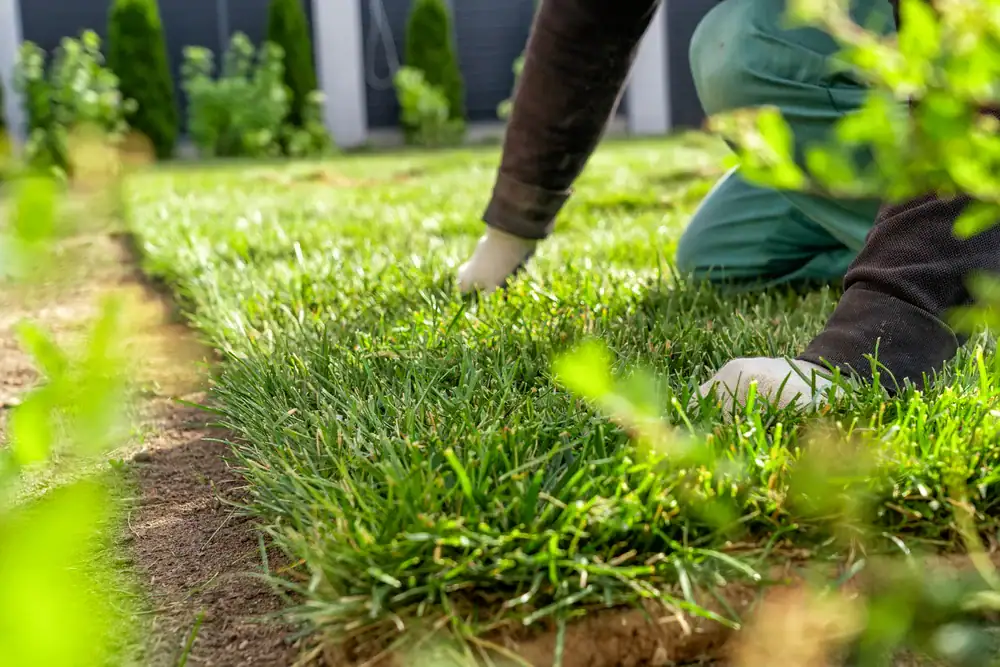
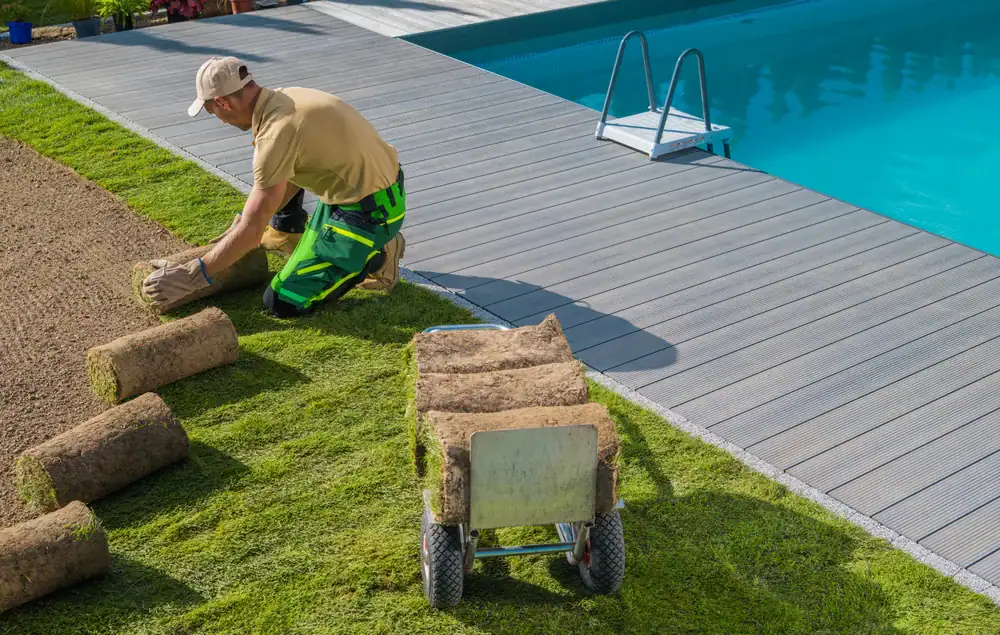
You’re looking at a yard that doesn’t turn patchy by July. That’s what happens when the soil gets prepped correctly before anything goes down.
Most new construction lawns fail because builders drop cheap seed on compacted clay and call it done. Heavy equipment packs the soil down during the build. Water can’t penetrate. Roots can’t establish. You end up with bare spots, erosion, and a mess that costs more to fix than it would’ve cost to do right the first time.
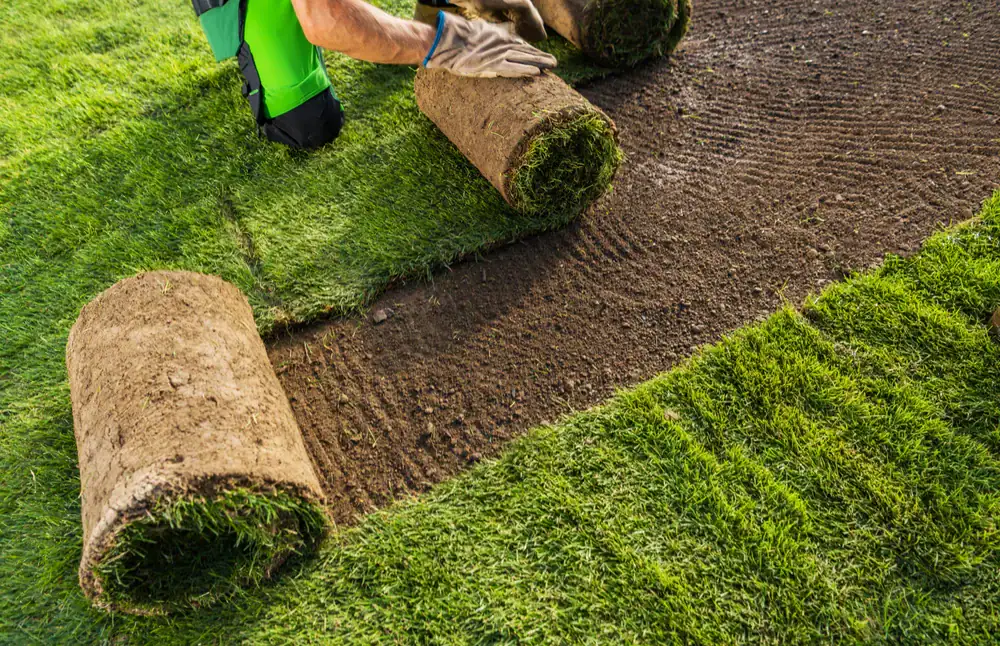
When we handle sod installation in Center White Creek, NY, the site gets graded properly. Compacted soil gets loosened. Drainage issues get addressed before they become your problem. Then the sod goes down on a surface that’s actually ready to support it. You’re not hoping it takes—you’re watching it establish in two to three weeks because the groundwork was there.
That’s the difference between a lawn and a liability.
We’ve been working land in Washington County since 1997. We moved into full-time excavation in 2020, and we’ve been handling everything from site prep to backyard lawn installation in Center White Creek, NY ever since.
This is a family operation. Josh is on almost every job. That’s not a marketing line—that’s how we make sure the work gets done the way we’d want it done on our own property.
We’re not the cheapest option in the area, and we’re fine with that. You’re paying for equipment we own, not rent. For experience with local soil conditions that most contractors learn the hard way on someone else’s dime. For a crew that shows up when we say we will and finishes the job without cutting corners to hit a number.
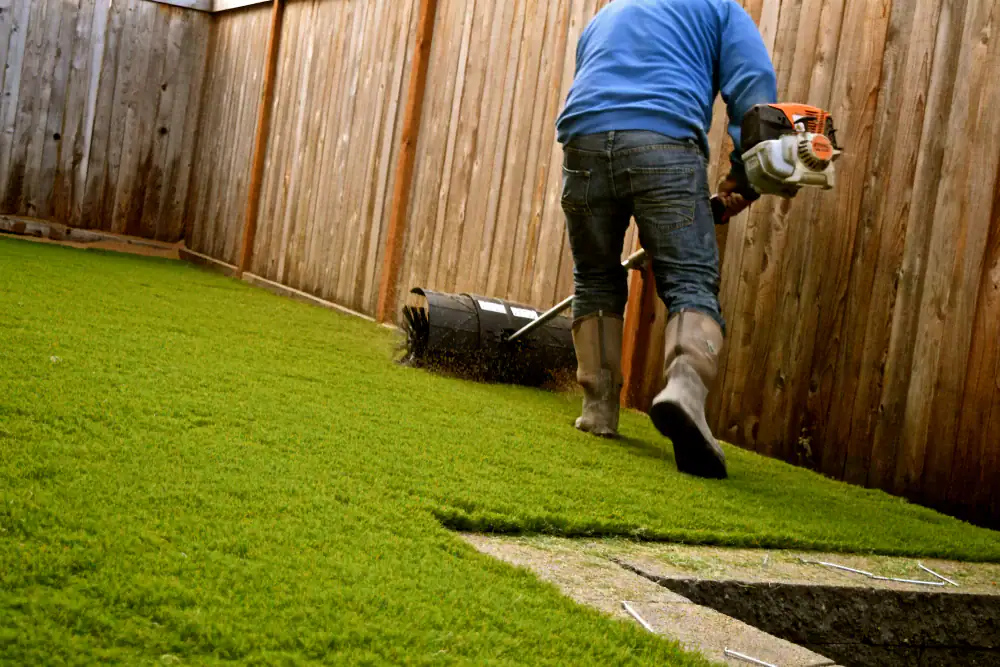
First, we walk the site with you. We’re looking at grade, drainage, soil composition, and any trouble spots that’ll cause problems later if they’re ignored now. If you’re dealing with new construction, we already know what we’re going to find—compacted clay, poor drainage, maybe some construction debris still buried under a thin layer of topsoil.
Next comes site preparation. This is where most companies cut corners and where most lawns fail. We break up compaction, establish proper grade so water moves away from your foundation, and bring in quality topsoil if what’s there isn’t going to support healthy growth. If you’re adding flower bed installation or tree planting service at the same time, we coordinate that work so everything’s staged correctly.
Then we install. For sod, that means laying it tight, staggered, and on the same day it’s delivered—not letting it sit on a pallet in your driveway while the roots dry out. For seeding, it means hydroseeding with the right seed blend for this climate and your sun exposure, not whatever’s cheap that week.
After installation, we walk you through what happens next. How much water it needs. When you can walk on it. What to watch for. You’re not guessing—you know exactly what to expect.
Ready to get started?
Site grading is part of the job, not an add-on. If water’s pooling near your foundation or running toward your house instead of away from it, that gets fixed before we talk about grass. You’re not paying separately for us to do the job correctly.
Soil preparation is included. That means breaking up compaction from construction equipment, amending soil that’s too heavy with clay, and making sure there’s enough quality topsoil to support root development. We’re not laying sod on hardpan and hoping for the best.
For front yard lawn installation in Center White Creek, NY, we’re also coordinating with any other site work you need done—new flower bed design, grading for drainage, even tree planting if you’re looking to add shade or privacy. Everything gets staged so one part of the job isn’t tearing up another part.
In this area, you’re working with soil that’s heavy in clay and a climate that swings from humid summers to frozen winters. The grass varieties we use are adapted to Northeast conditions—they handle temperature swings, they establish quickly in spring or fall, and they don’t require constant intervention to survive a normal year. That’s not luck. That’s using the right materials for the location.
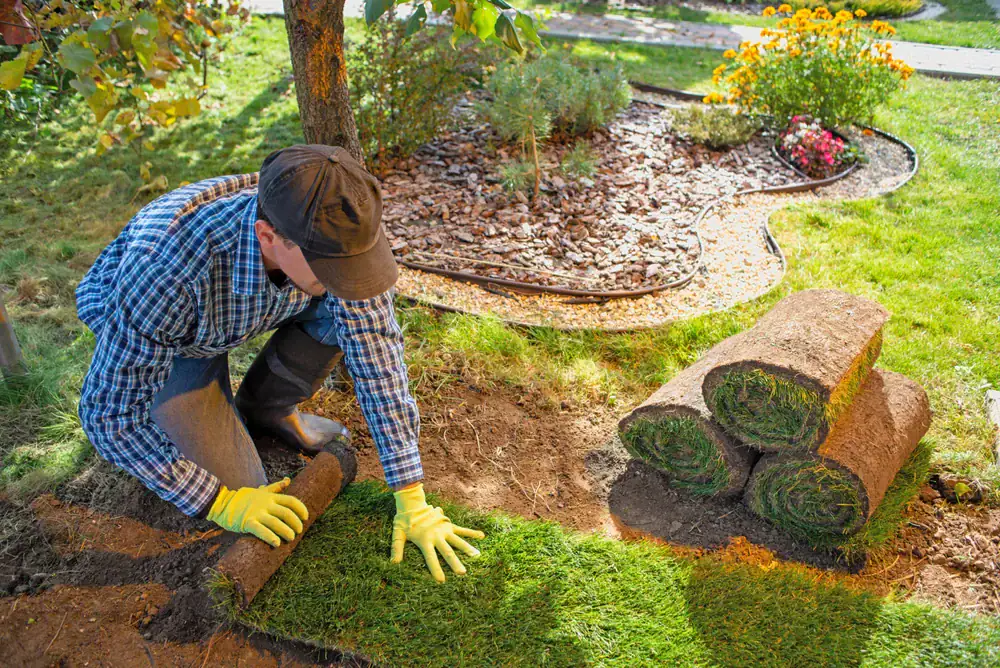
Early spring or early fall. Those are the windows when cool-season grasses establish fastest because soil temps are right and there’s usually enough rain that you’re not running sprinklers around the clock.
Spring installation means you’re getting ahead of summer heat. The grass has time to root before it has to survive July. Fall installation is even better in a lot of cases—cooler air, warm soil, less weed pressure. The grass focuses on root development instead of fighting heat stress.
Summer installations are possible, but they require more water, more attention, and more risk. If you’re building a house and the construction schedule doesn’t care about grass seasons, we can make it work. Just know it’s going to take more effort on your end to keep it alive until temperatures drop. Winter’s obviously off the table unless you’re okay waiting until spring for anything to happen.
Two to three weeks for roots to establish enough that the sod isn’t going to shift when you walk on it. Four to six weeks before it’s fully rooted and you can treat it like an established lawn.
The first two weeks are critical. You’re watering daily, sometimes twice a day if it’s warm and dry, to keep the roots from drying out while they’re growing down into the soil. You’re staying off it as much as possible. No mowing until it’s rooted—usually around the two-week mark depending on growth.
After that, you’re transitioning to deeper, less frequent watering to encourage the roots to grow down instead of staying shallow. By six weeks, if the prep work was done right and you kept up with watering, you’ve got a lawn that’s not going anywhere. If the prep work was skipped, you’ll know by now—sections will be dying, edges will be curling, and you’ll be looking at repairs.
Compacted soil and no real topsoil. Builders drop cheap seed or bargain sod on ground that’s been packed down by machinery for months. Roots can’t penetrate. Water runs off instead of soaking in. The grass struggles, thins out, and dies in patches.
Most new construction sites have six inches of decent soil at best, and that’s if you’re lucky. Under that, it’s clay that’s been compressed by excavators, dump trucks, and material deliveries. Builders aren’t grading for drainage or loosening compaction—they’re checking a box so they can hand you keys.
The other issue is timing. New construction schedules don’t care about grass seasons. You’re getting sod or seed dropped in late June because that’s when the house finished, and now you’re trying to establish a cool-season lawn in summer heat. It’s possible, but it takes constant watering and a lot of luck. Most homeowners don’t realize how much work it is until they’re a month in and the lawn’s already dying.
Sod is instant. Hydroseeding takes time. That’s the short version, but there’s more to consider depending on what you’re dealing with.
Sod gives you a finished lawn the day it’s installed. It’s already grown, already rooted in its own soil, and it’s providing immediate erosion control if you’re on a slope or dealing with drainage issues. It costs more upfront, but you’re not waiting months to use your yard. It’s the right call if you need results now or if you’re working with challenging soil or slopes where seed would wash away.
Hydroseeding is a mix of seed, mulch, and fertilizer sprayed onto prepared soil. It’s cheaper than sod, and it establishes faster than traditional seeding because the mulch holds moisture and protects the seed while it germinates. But you’re looking at weeks before you see real growth and months before it’s fully established. You’re also staying off it longer, watering more carefully, and hoping weather cooperates during germination. It works well for larger areas where budget matters and you’ve got time to wait.
Depends on what’s there now. If you’ve got six inches of quality topsoil that’s not compacted, you’re fine. If you’re looking at clay hardpan or construction fill with no organic matter, yes—you need real topsoil brought in.
We test this during the site visit. A shovel tells you most of what you need to know. If the blade bounces off compacted clay or if water’s sitting on the surface an hour after rain, that soil isn’t supporting a healthy lawn without serious amendment.
In most new construction sites around Center White Creek, NY, you’re dealing with subsoil that got exposed and compacted during the build. The “topsoil” that’s there is an inch or two of whatever got spread at the end to make it look finished. That’s not enough. Grass roots need four to six inches of loose, well-draining soil to establish properly. If that’s not there, we bring it in, grade it correctly, and then install. Skipping that step is why you see so many new lawns fail before the first year’s up.
Yes, but the approach changes depending on how steep it is. Moderate slopes are fine for sod—it provides instant erosion control while the roots establish. Steep slopes might need additional stabilization like erosion blankets or even terracing depending on the grade.
Hydroseeding works on slopes too, but there’s more risk of washout before the seed germinates if you get heavy rain. That’s why we usually recommend sod for anything with significant grade. It’s holding soil in place from day one instead of hoping seed stays put long enough to sprout.
The other consideration is drainage. Slopes can work in your favor if they’re moving water away from structures, but they can also concentrate flow and create erosion channels if the grading isn’t right. We’re looking at the whole site during planning—where water’s coming from, where it’s going, and whether the slope is helping or hurting. Sometimes the answer is adjusting grade before installation. Sometimes it’s adding drainage features. It depends on what we’re working with.
Other Services we provide in Center White Creek