You’re not just getting grass laid down. You’re getting a lawn that drains properly, grows evenly, and doesn’t turn into a muddy mess every time it rains.
That starts with site preparation—the part most sod installers skip. We grade your property so water flows away from your foundation, not toward it. We remove rocks, roots, and compacted soil that would choke out new grass. We bring in quality topsoil when needed and create the right slope so your lawn actually has a chance.
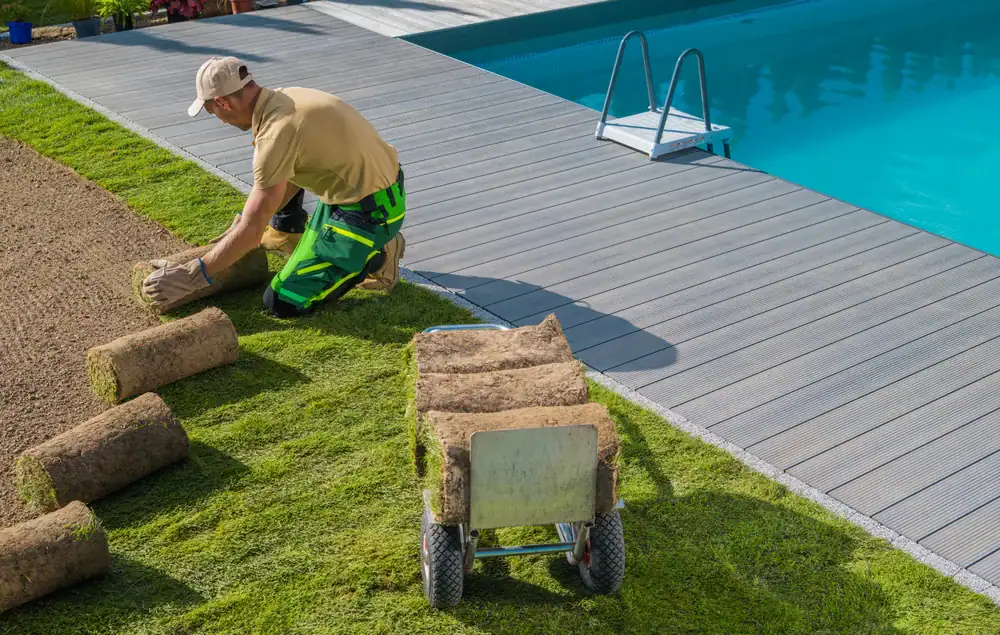
Then we install fresh sod the same day it’s cut. Not tomorrow. Not when it’s convenient. The same day—because sod that sits starts dying, and you shouldn’t pay for dead grass.
What you end up with is a backyard lawn installation or front yard lawn installation that looks finished immediately and stays that way. No patchy spots six weeks later. No standing water killing sections of turf. Just a lawn that works.
We’ve been working in the Burnt Hills area since 1997. What started as a logging operation became full-time excavation in 2020, and now it’s a family operation—Josh and his son run jobs together, and Josh is on-site for nearly every project.
That matters because lawn installation isn’t just about laying sod. It’s about understanding Burnt Hills soil, knowing how water moves through local properties, and preparing ground that won’t settle unevenly or flood your basement. We’ve worked across Saratoga County long enough to know what works here and what doesn’t.
You’re not getting a crew that disappears halfway through or a contractor who overpromises and underdelivers. You’re getting a local team that handles everything—excavation, grading, topsoil delivery, sod installation—and sticks around until the job’s actually finished.
First, we assess your property. That means looking at existing grade, drainage patterns, soil quality, and any problem areas where water pools or the ground’s too compacted. If you’re building a new home, this happens right after site prep and before final grading.
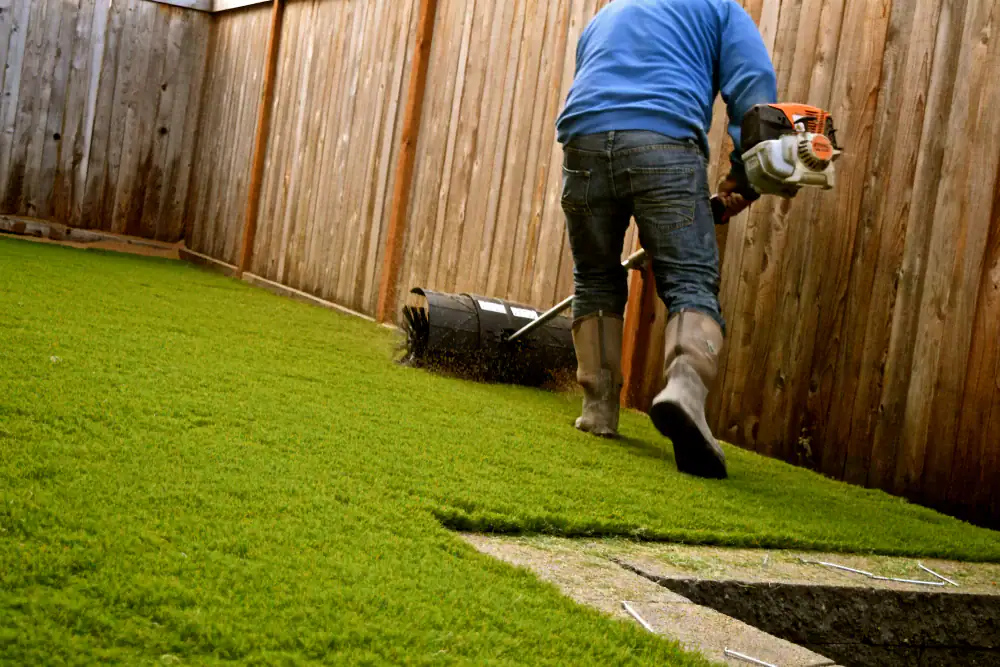
Next, we prepare the ground. We remove old sod, rocks, roots, and debris. We till compacted soil so roots can actually penetrate. If your topsoil’s thin or poor quality, we bring in what’s needed—usually 4 to 6 inches of good material. Then we grade everything to create a 1-2% slope away from your home so water drains correctly.
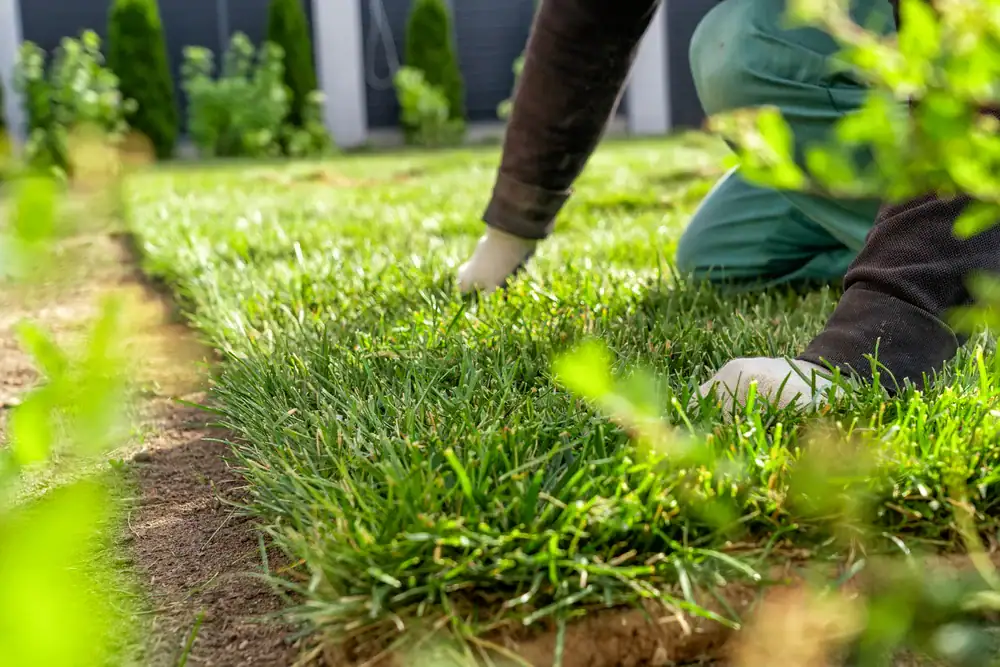
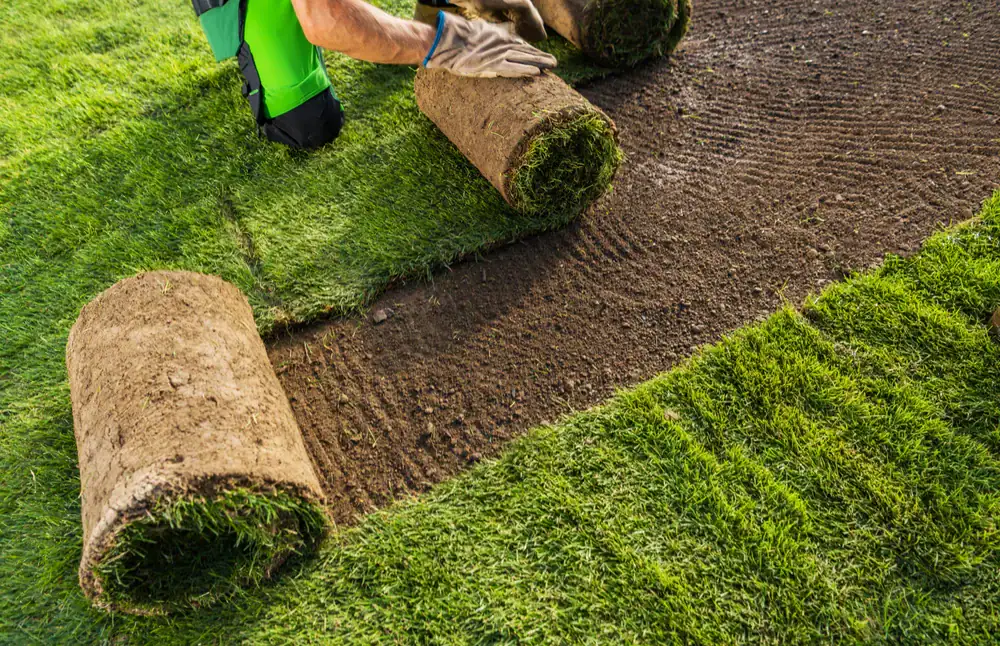
Once the ground’s ready, we install sod the same day it’s delivered. We lay it tight, stagger the seams, and make sure edges are flush. No gaps. No overlaps. We roll it to eliminate air pockets and ensure good soil contact.
Before we leave, we walk you through watering schedules and what to expect in the first few weeks. Then we clean up completely—equipment, excess soil, debris. The job’s not done until your property’s ready for you to use.
Ready to get started?
Site preparation is the foundation. That includes removing existing vegetation, tilling compacted areas, and grading to proper slope. If your property has drainage issues or uneven settling, we address that before any sod goes down.
Topsoil delivery and spreading comes next if needed. Burnt Hills properties often have rocky or clay-heavy soil that won’t support healthy grass. We bring in screened topsoil and spread it evenly to give your lawn the base it needs.
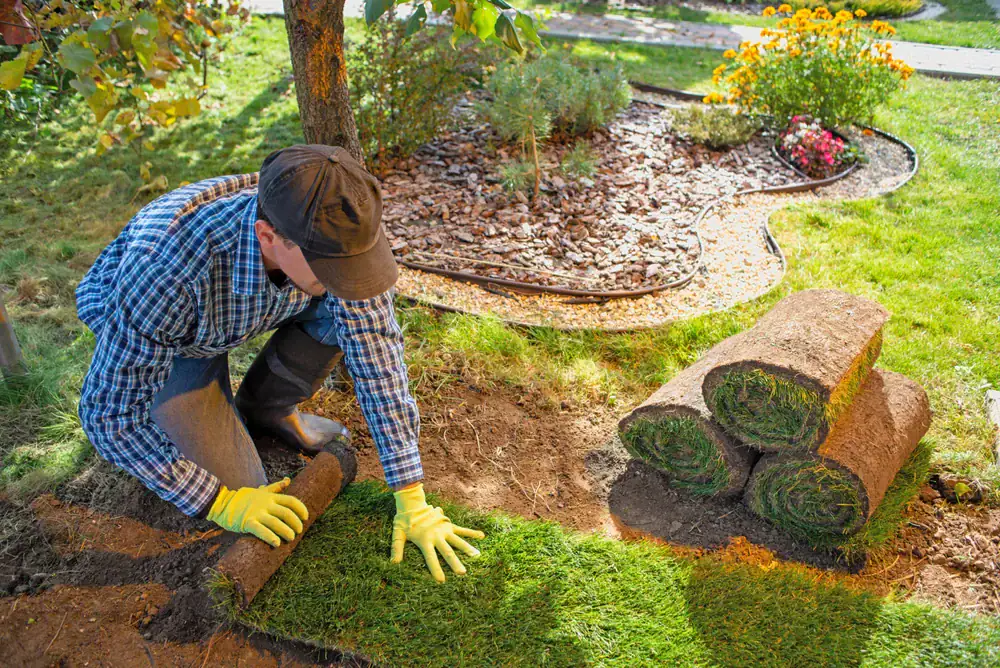
Sod installation happens the same day the sod’s cut—that’s critical. We source quality turf, lay it properly with tight seams, and roll it for good contact. Whether it’s a front yard lawn installation for curb appeal or a backyard lawn installation for kids and entertaining, the process is the same.
We also handle related work like flower bed installation and tree planting service if you’re looking to complete your landscape. New flower bed design can frame your lawn and add dimension to your property. All of it gets done with the same attention to drainage, soil quality, and long-term results.
And if you need material hauled in or debris hauled out, our trucking services handle that too. One contractor, one timeline, no coordination headaches.
Most homeowners in Burnt Hills pay between $1 and $6 per square foot for professional sod installation, depending on site conditions and prep work required. A typical 1,000-square-foot lawn runs between $1,000 and $3,000 installed.
But here’s what affects that price: if your ground needs significant grading to fix drainage, if we need to bring in topsoil because what’s there won’t support grass, or if access is difficult and requires extra equipment time. Properties with steep slopes, poor soil, or existing drainage problems cost more to prepare—but skipping that prep means your lawn fails within a year.
We give you a clear estimate upfront that includes site prep, materials, installation, and cleanup. No surprise charges. If we find something during the job that changes scope, we talk to you before proceeding. You’ll know what you’re paying for and why.
Sod roots into your soil within 10 to 14 days if it’s watered correctly and the ground was prepped right. You’ll be able to walk on it lightly after two weeks and mow it after three.
But establishment depends entirely on what’s underneath. Sod laid over compacted dirt without proper tilling won’t root well—it’ll just sit on top and eventually die in patches. That’s why site preparation matters more than the sod itself.
For the first two weeks, you need to water daily—sometimes twice a day in hot weather—to keep the sod and soil beneath it moist. After that, you transition to deeper, less frequent watering to encourage deep root growth. We’ll walk you through the schedule before we leave so you know exactly what to do.
No, and you shouldn’t let anyone tell you that’s a good idea. Laying new sod over old grass is one of the most common installation mistakes, and it fails almost every time.
Old grass creates a barrier that prevents new roots from reaching soil. It also holds moisture against the new sod, which promotes disease and rot. Within weeks, you’ll have dead patches, uneven growth, and a lawn that looks worse than what you started with.
The right way is to remove existing vegetation, till the soil to break up compaction, address any drainage or grade issues, add topsoil if needed, and then install fresh sod on properly prepared ground. It takes more time and costs more upfront, but it’s the only approach that actually works. Burnt Hills soil tends to be clay-heavy and compacted, so proper prep here isn’t optional—it’s the difference between a lawn that thrives and one that dies.
Spring and fall are ideal for sod installation in Burnt Hills, NY. Cooler temperatures and natural rainfall help new sod establish without as much supplemental watering, and grass grows actively during these seasons.
Spring installation—late April through early June—gives your lawn a full growing season to establish before winter. Fall installation—late August through October—takes advantage of warm soil and cooler air, which is actually the best combination for root development.
Summer installation works, but it requires more intensive watering and careful monitoring. Sod dries out faster in heat, and you’ll need to water multiple times daily for the first two weeks. Winter installation isn’t recommended in our area because frozen ground prevents root establishment. If you’re building a new home and your timeline lands in summer, we can make it work—but spring and fall are easier on the grass and on your water bill.
Yes, because they’re not separate from lawn installation—they’re the foundation of it. A lawn installed on improperly graded ground will fail. Water will pool, grass will drown, and you’ll end up with mud pits and dead zones.
We create a 1-2% slope away from your home’s foundation so water drains correctly. That prevents basement flooding, foundation damage, and standing water that kills turf. If your property has low spots where water collects, we fill and grade those areas before any sod goes down.
Burnt Hills properties often have natural drainage challenges due to soil composition and terrain. We’ve worked across Saratoga County long enough to recognize problem areas and fix them during site prep. That might mean regrading sections of your yard, installing swales to redirect water, or adjusting final elevations so everything flows correctly. It’s part of the job, not an extra—because a beautiful lawn on poorly graded ground is just a temporary lawn.
Yes. If you’re putting in a new lawn, it’s the right time to plan flower bed installation and tree planting service too. Everything gets coordinated so your entire landscape comes together at once.
New flower bed design should account for drainage, sun exposure, and how beds transition into lawn areas. We excavate beds to proper depth, install edging if you want it, and bring in quality soil amendments so plants actually thrive. Beds installed at the same time as your lawn mean no equipment driving over new sod later and no disruption to established turf.
Tree planting follows the same logic. We position trees based on mature size, root spread, and how they’ll affect lawn maintenance long-term. Planting happens before sod installation in most cases, so we’re not tearing up new grass to dig holes. If you’re building a new home in Burnt Hills and starting with bare ground, this is your chance to do everything right from the beginning—lawn, beds, trees, drainage—so you’re not redoing work in two years.
Other Services we provide in Burnt Hills