Poor site grading after land clearing leads to foundation settling, water pooling, and expensive repairs that could have been prevented.
Share:
Summary:
Most homeowners think the hard work is done once the trees are down and debris is cleared. The reality is that improper grading after land clearing creates problems that won’t show up until it’s too late to fix them easily.
Water doesn’t care about your construction timeline. When your site slopes toward your foundation instead of away from it, every rainstorm becomes a potential disaster. Poor drainage planning leads to soil saturation around your foundation, creating hydrostatic pressure that cracks walls and shifts your home’s structure.
Foundation settling happens gradually, but the damage is permanent. You’ll notice doors that won’t close properly, cracks in drywall, and windows that stick. By the time these symptoms appear, you’re looking at repair costs that can reach tens of thousands of dollars.
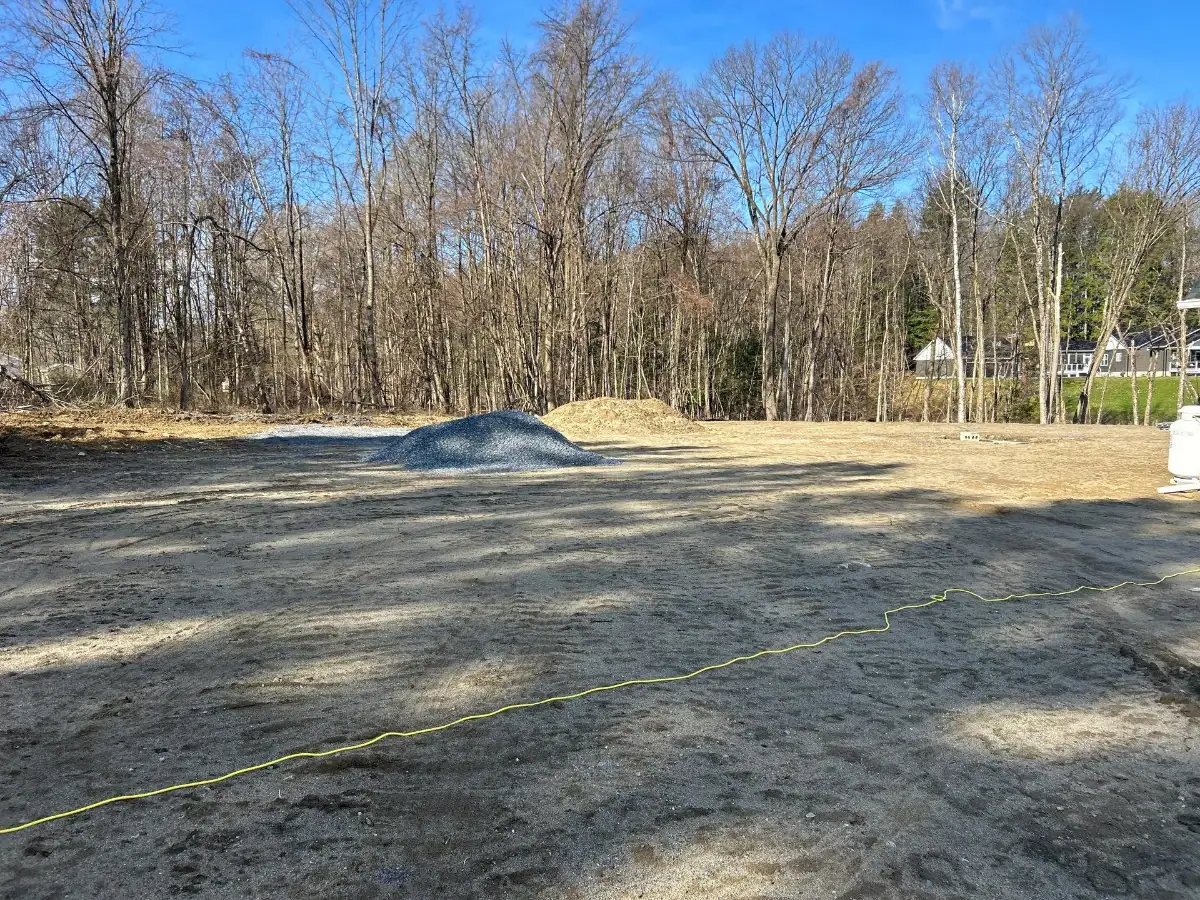
Water damage is responsible for more than 90% of foundation failures, and it all starts with how land clearing contractors handle site grading. When water pools around your foundation, the soil expands and contracts with seasonal changes, putting constant pressure on your basement walls.
Foundation cracks don’t happen overnight. The process starts with soil that stays too wet because water can’t drain away from your home. This saturated soil creates hydrostatic pressure against your foundation walls, forcing water through microscopic cracks that gradually expand into serious structural problems.
Basement flooding becomes a recurring nightmare when your site isn’t graded properly. Water that should flow away from your home instead collects in low spots around your foundation. During heavy rains or spring snowmelt, this water finds its way into your basement through foundation cracks, window wells, or any other vulnerable point.
The cost of fixing foundation problems after they develop is staggering. Foundation repair typically starts at $10,000 and can easily exceed $30,000 for serious structural damage. Basement waterproofing, mold remediation, and replacing damaged belongings add thousands more to the total cost. Compare that to the relatively small investment in proper grading during the site preparation phase.
Soil erosion around your foundation exposes the concrete or stone to freeze-thaw cycles that accelerate deterioration. When land clearing contractors don’t establish proper drainage patterns, running water carves channels that carry away the soil that should be supporting your foundation. This erosion undermines the stability of your entire home.
Standing water around your foundation creates a cascade of problems that compound over time. What starts as occasional puddles after rainstorms becomes permanent soil saturation that weakens everything it touches.
Mold growth thrives in the damp conditions created by poor drainage. Once mold establishes itself in your basement or crawl space, it spreads throughout your home’s ventilation system, creating health hazards for your family and dramatically reducing your property value. Professional mold remediation can cost $15,000 or more, and the health risks to your family are immeasurable.
Structural damage accelerates when water repeatedly freezes and thaws in foundation cracks. Each freeze-thaw cycle forces the cracks wider, allowing more water to penetrate deeper into your foundation. This process continues year after year, gradually compromising the structural integrity of your entire home.
Your home’s resale value plummets when potential buyers discover foundation problems or evidence of water damage. Even if you’ve made repairs, disclosure requirements mean you’ll need to reveal the history of water problems to potential buyers. Many buyers will walk away rather than risk inheriting someone else’s drainage problems.
Insurance claims for water damage often get denied when the problem stems from poor site grading or inadequate drainage. Insurance companies consider these issues to be preventable maintenance problems rather than covered perils. You’ll be paying for repairs out of your own pocket while your premiums increase due to previous claims.
Want live answers?
Connect with a Emerson Excavating and Trucking expert for fast, friendly support.
Proper site grading starts with understanding your local soil conditions and drainage patterns. Saratoga County’s clay soils and seasonal water table changes require specific approaches that many contractors from outside the area don’t understand.
The basic principle is simple: water must flow away from your foundation at all times. This means creating a slope of at least 6 inches over the first 10 feet around your home, with steeper grades often necessary depending on your lot’s natural drainage patterns.
Professional site grading goes beyond just pushing dirt around. It requires understanding how water moves across your property during different seasons, where it naturally wants to go, and how to work with those patterns rather than against them.
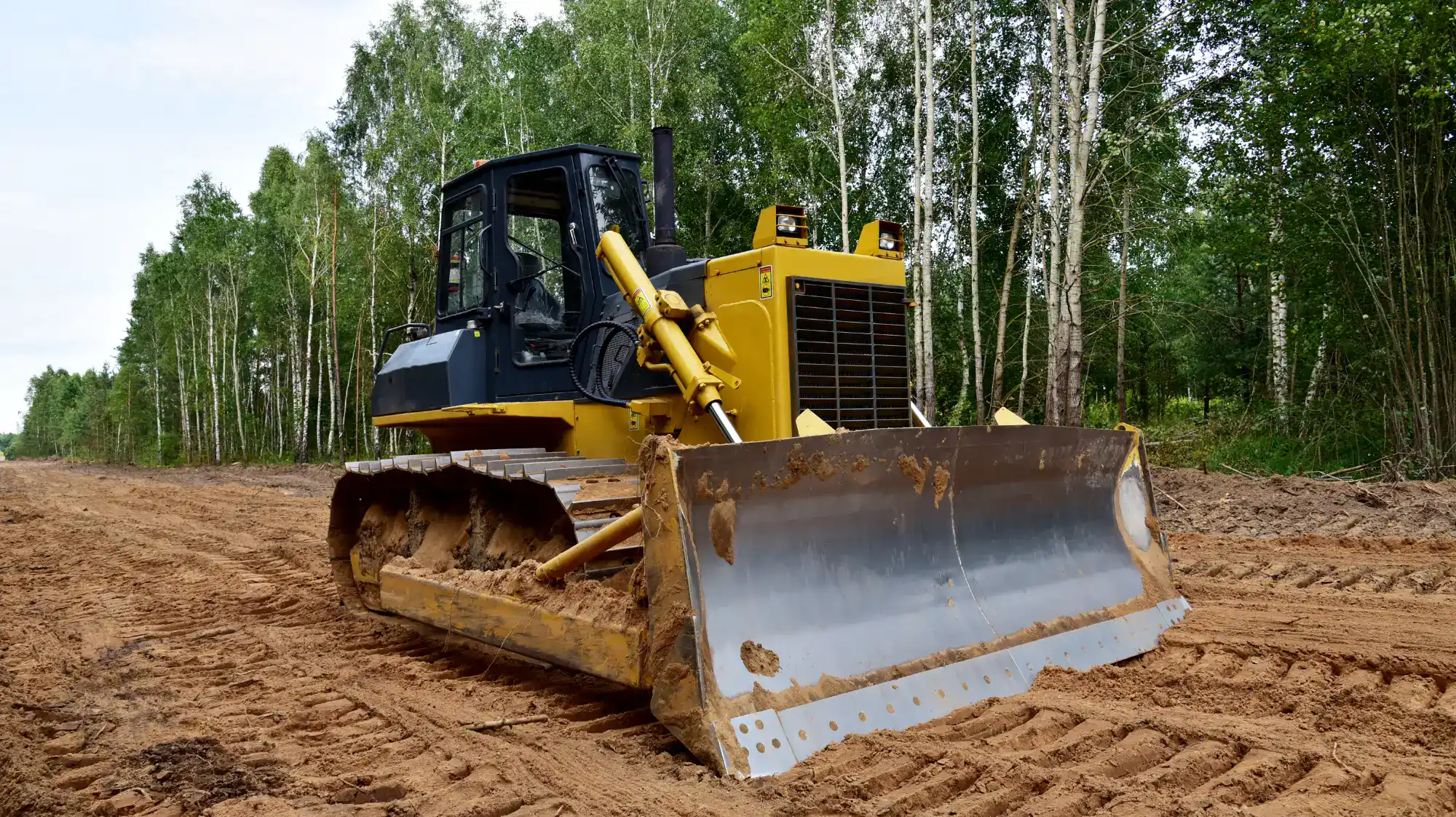
Effective drainage planning considers your entire property, not just the immediate area around your foundation. We evaluate how water flows onto your property from neighboring lots, where it naturally collects, and the best routes for directing it safely away from your home.
Surface drainage handles the majority of water through proper grading and strategically placed swales or berms. These features guide water around your home and toward natural drainage areas or storm water systems. When designed correctly, surface drainage prevents water from ever reaching your foundation.
Subsurface drainage becomes necessary when your lot’s natural topography or soil conditions make surface drainage insufficient. French drains, perimeter drains, and other underground systems collect and redirect water that would otherwise accumulate around your foundation. These systems require careful planning and professional installation to function properly.
Soil compaction plays a critical role in how water moves through your property. Properly compacted soil around your foundation prevents settling that can create low spots where water collects. However, over-compaction in other areas can create impermeable surfaces that increase runoff and erosion problems.
Grading for future landscaping ensures that your drainage plan continues working after you’ve completed your landscaping projects. Many homeowners unknowingly create drainage problems by adding flower beds, retaining walls, or other features that block the flow of water away from their foundation.
Saratoga County’s unique soil conditions and seasonal challenges require local knowledge that out-of-area contractors simply don’t possess. Clay soils that seem stable in summer can become waterlogged and unstable during spring thaw, creating conditions that can shift your foundation if not properly managed.
Local building codes and regulations in Saratoga County include specific requirements for site grading and drainage that vary by municipality. We’re familiar with local requirements and can navigate the permitting process efficiently, ensuring your project meets all regulatory standards without delays or costly revisions.
Seasonal timing affects every aspect of site preparation in upstate New York. The best time for grading work is typically late spring through early fall when soil conditions are most stable and predictable. We understand these timing considerations and can schedule work to avoid weather-related complications.
Our established relationships with local suppliers, inspectors, and utility companies streamline the site preparation process. We can coordinate utility markouts, arrange for necessary permits, and source appropriate materials without the delays that often plague contractors working outside their normal service area.
Understanding regional drainage patterns helps prevent problems that might not be obvious to contractors unfamiliar with the area. We know which areas are prone to seasonal flooding, where underground springs are likely to be encountered, and how to work with the natural water flow patterns that have developed over decades.
The foundation of your dream home—literally and figuratively—depends on getting site grading right the first time. Poor drainage planning and improper grading create problems that only get worse and more expensive to fix as time goes on.
Professional site preparation pays for itself by preventing the costly foundation repairs, water damage, and structural problems that plague homes built on improperly graded lots. The relatively small investment in quality site work protects the much larger investment you’re making in your new home.
When you’re ready to move forward with your building project, choose a land clearing contractor with local expertise and a proven track record of proper site preparation. At Emerson Excavating and Trucking, we combine decades of experience with the local knowledge needed to prepare your site correctly from the start.
Article details:
Share:
Continue learning: