Every successful build starts with proper excavation. Here's why cutting corners on site prep leads to foundation problems, drainage issues, and expensive repairs down the road.
Share:

Summary:
Most people don’t think much about excavation until something goes wrong. By then, the damage is done and the bills start piling up.
Poor excavation shows up in foundation cracks that spread across basement walls. It appears as water pooling against your house after every rainstorm. It reveals itself when floors start sloping or doors won’t close properly because the ground beneath has shifted.
These aren’t small inconveniences. Foundation repairs average thousands of dollars. Water damage leads to mold, rot, and structural problems that compromise your home’s safety and value. And fixing these issues often means tearing up landscaping, driveways, and other finished work just to access the problem.
Your foundation needs stable ground beneath it. When excavation contractors don’t dig to the right depth, remove unsuitable soil, or properly compact what remains, you’re building on ground that will shift.
Over-excavating means removing too much soil, which then gets backfilled with loose material that hasn’t had time to settle. Under-excavating leaves your foundation sitting on soil that can’t support the weight. Both create the same problem: ground that moves under your home’s weight, causing cracks, settling, and structural damage.
Soil conditions vary significantly across Saratoga County. Rocky terrain in some areas requires different excavation techniques than the clay-rich soil found elsewhere. Sandy soil drains quickly but may need additional compaction. Clay holds water and expands, requiring careful drainage planning.
Professional excavating contractors assess soil conditions before digging. They know how deep to excavate based on frost lines—typically four feet in upstate New York to prevent freeze-thaw cycles from shifting your foundation. They understand which soil can stay and which needs to be removed and replaced.
That assessment matters. Skipping soil testing or hiring someone without local experience means you’re guessing about what’s beneath your future home. And guessing leads to problems that surface after construction is complete, when fixing them costs significantly more.
Water is your foundation’s biggest enemy. Poor drainage planning during excavation creates problems that plague homeowners for years.
Proper grading slopes the ground away from your foundation at roughly 5% grade—enough to direct water away without causing erosion. When excavation contractors don’t establish this slope during site prep, water flows toward your house instead of away from it. That water pools against the foundation, creating hydrostatic pressure that forces moisture through any crack or opening.
The result? Wet basements, foundation cracks that worsen over time, and soil erosion that undermines your home’s structural support. In Saratoga County’s climate, where snow melt and spring rains dump significant water onto properties, drainage isn’t optional.
Excavation also determines where water goes once it leaves your foundation area. Without proper planning, runoff can wash away topsoil, flood low-lying areas of your property, or even create problems for neighboring properties. French drains, swales, and other drainage solutions need to be planned during excavation, not added as an afterthought when water problems appear.
Some excavation mistakes don’t show up immediately. You might not notice drainage issues until the first major rainstorm or spring thaw. By then, landscaping is complete, driveways are paved, and fixing the problem means tearing up finished work. Professional excavating services account for water flow from the start, establishing grades and drainage paths that protect your property long-term.
The water table also matters. In areas with high groundwater, excavation may encounter saturated soil that needs dewatering before construction can proceed. Ignoring water table issues leads to ongoing moisture problems, unstable soil, and foundations that never properly cure. Experienced contractors in Saratoga County understand local water table variations and plan accordingly.
Want live answers?
Connect with a Emerson Excavating and Trucking expert for fast, friendly support.
Excavation looks straightforward—dig a hole, remove dirt, level the ground. But professional excavation involves expertise that prevents the problems we’ve discussed.
We bring knowledge of local soil conditions, building codes, and proper techniques. We understand how Saratoga County’s geology affects excavation. We know which equipment works for different soil types and site conditions. We’ve seen what happens when excavation is done poorly, and we know how to avoid those mistakes.
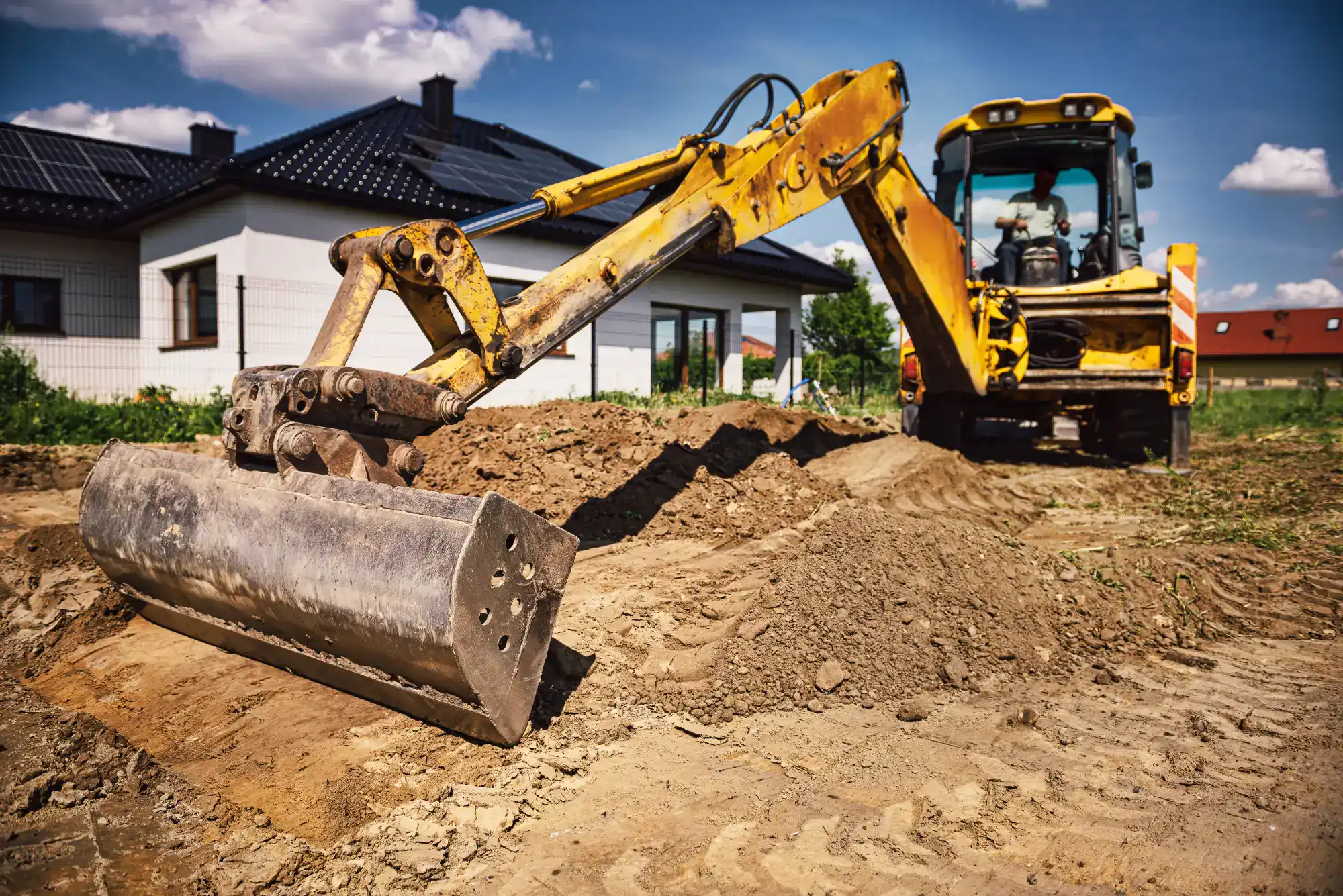
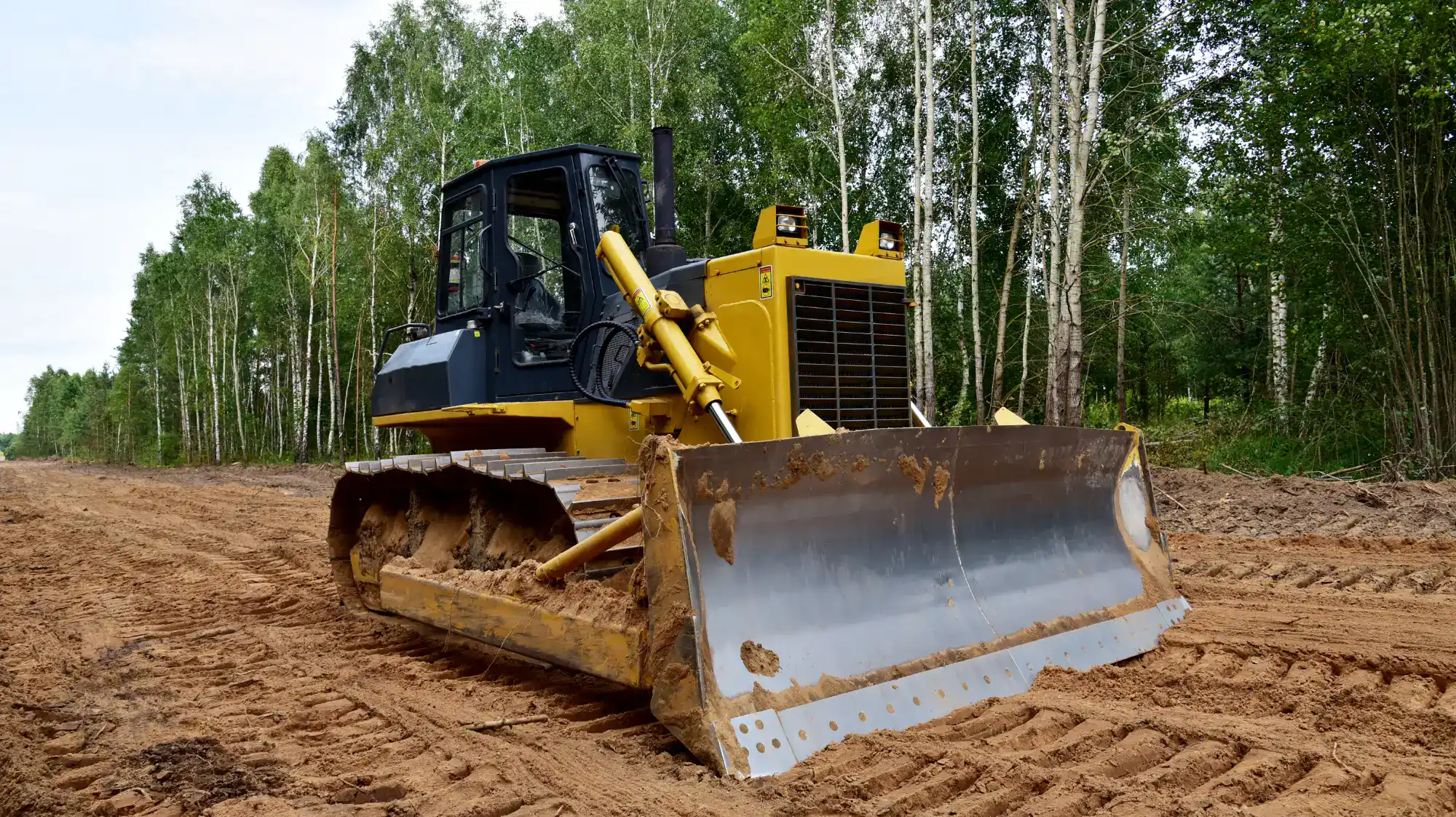
Professional equipment matters too. Well-maintained excavators, bulldozers, and compaction equipment complete work efficiently without breakdowns that delay your project. Proper compaction equipment ensures soil is compressed to the right density, creating a stable base that won’t settle after your home is built.
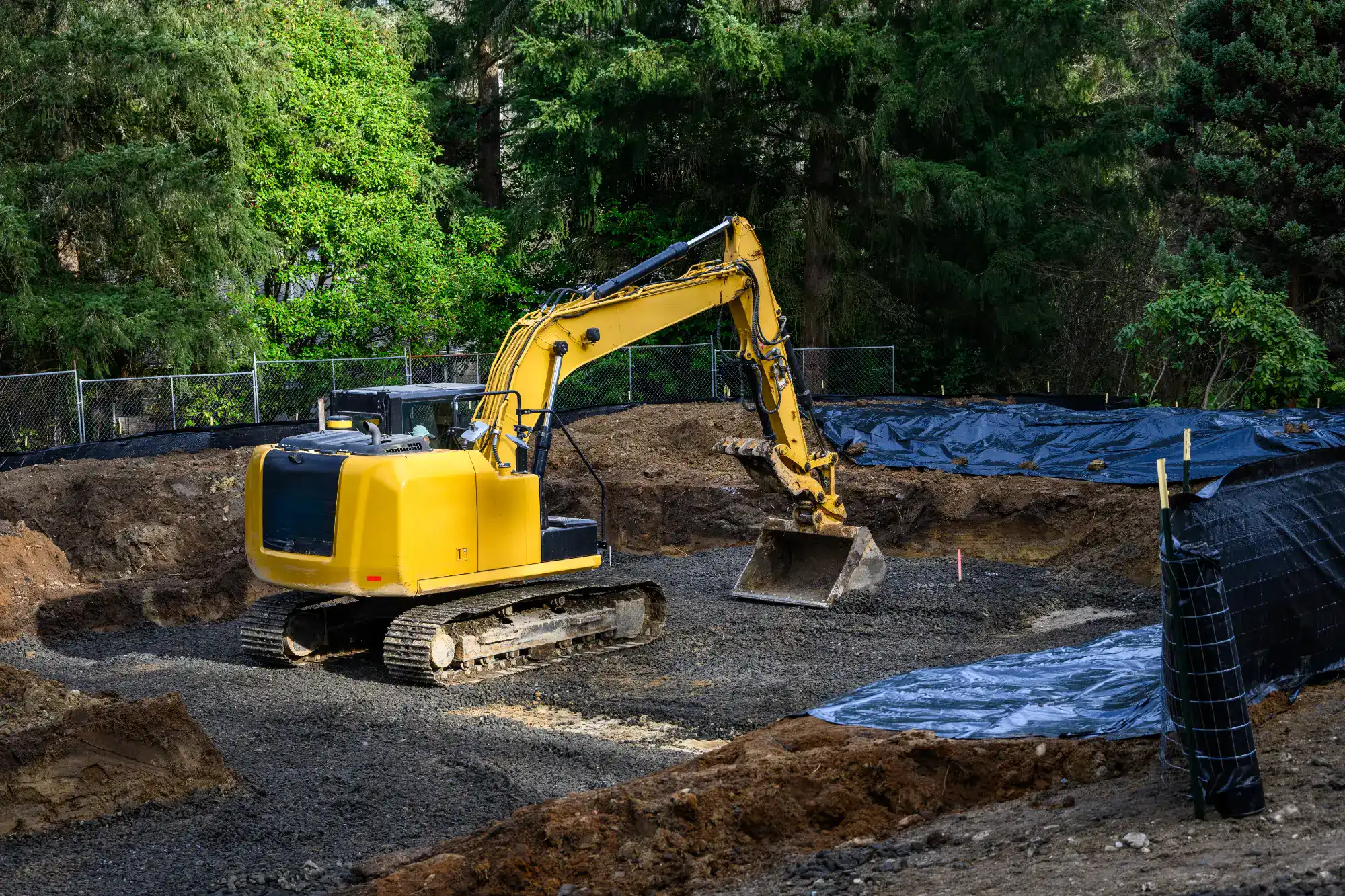
Professional excavation follows a sequence that ensures each step is completed correctly before moving to the next.
Site clearing comes first. Trees, rocks, debris, and vegetation are removed to create a clean workspace. This isn’t just about aesthetics—roots left in the ground decompose and create voids that cause settling. Large rocks can interfere with proper grading or damage equipment.
Surveying and marking establish exact boundaries and elevations. This determines where to excavate, how deep to dig, and what grades to establish for proper drainage. Utility location happens here too—calling 811 to mark underground gas, electric, water, and sewer lines prevents dangerous and expensive accidents.
Excavation itself requires precision. Foundation excavations must match specifications exactly. Too shallow and your foundation won’t be below the frost line. Too deep and you’re paying for unnecessary backfill and compaction work. The excavation needs level bottoms and properly sloped sides to prevent cave-ins during construction.
Grading establishes the slopes that direct water away from your foundation and across your property. This happens in stages—rough grading during excavation, then final grading after construction. Both stages matter. Rough grading sets overall drainage patterns. Final grading fine-tunes those patterns and prepares for landscaping.
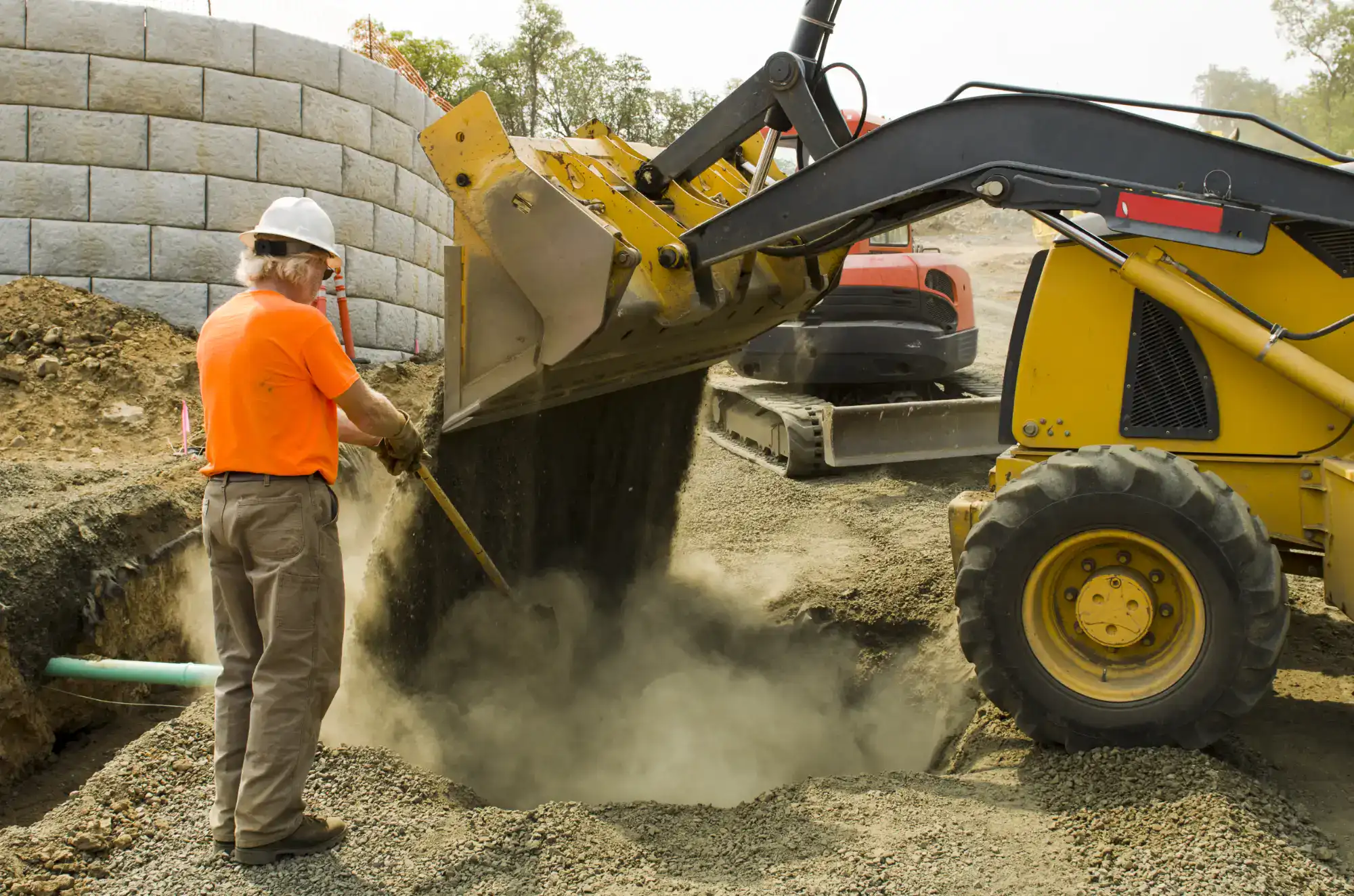
Soil compaction is often overlooked but critical. Backfill soil around foundations must be compacted in layers to prevent settling. Drive areas, walkways, and other surfaces need properly compacted bases. Without adequate compaction, you get settling that cracks driveways, shifts walkways, and creates low spots where water pools.
Erosion control protects the work that’s been completed. Silt fences, temporary vegetation, and other measures prevent rain from washing away graded slopes or depositing sediment where it doesn’t belong. This matters both during construction and after, protecting your investment and neighboring properties.
Not all excavating contractors bring the same level of expertise or care to your project. Knowing what to look for helps you avoid problems.
Experience with projects similar to yours matters most. Building a new home requires different excavation than installing a pool or adding a driveway. Ask about similar projects and how they handled challenges like difficult soil conditions or tight site access.
Local knowledge makes a difference in Saratoga County. Contractors familiar with local soil conditions, building codes, and seasonal considerations work more efficiently and avoid surprises. They know which areas have rocky soil, where water tables run high, and what drainage solutions work best for local conditions.
Owner involvement often indicates quality. When the business owner oversees work or stays involved in projects, you typically get better attention to detail and accountability. Large companies where you never meet the owner may treat your project as just another job number.
Equipment quality affects both timeline and results. Well-maintained professional equipment completes work efficiently without delays from breakdowns. Ask about the equipment that will be used and whether it’s owned or rented—owned equipment is usually better maintained.
Communication style matters for your peace of mind. You want a contractor who explains what they’re doing, why it matters, and what to expect. Someone who answers questions clearly and keeps you informed prevents misunderstandings and ensures you’re comfortable with the work being done.
Transparent pricing protects you from surprises. Detailed estimates should break down labor, equipment, materials, and disposal costs. They should also address what happens if unexpected conditions are encountered—rocky soil, high water table, or other issues that affect the scope of work.
Insurance and licensing aren’t negotiable. Excavation involves heavy equipment and significant risk. Proper insurance protects you if something goes wrong. Licensing ensures the contractor meets local requirements and follows proper procedures.
Excavation happens early in construction, but its impact lasts the life of your building. Proper site preparation prevents foundation problems, protects against water damage, and creates stable ground that supports everything built on top of it.
Cutting corners on excavation to save money upfront almost always costs more later. Foundation repairs, drainage corrections, and structural fixes run into thousands of dollars. Doing it right the first time protects your investment and gives you peace of mind.
If you’re planning a construction project in Saratoga County, NY, choosing an experienced excavating contractor sets your project up for success. We bring local expertise and a focus on quality work that protects your investment from the ground up.
Article details:
Share:
Continue learning: