Professional land clearing involves much more than removing trees - it's comprehensive site preparation for your construction project.
Share:
Summary:
When land clearing is done, teams remove any vegetation and obstructions on the land. This can include trees, plants, rocks, brush, stumps, and anything that gets in the way of the construction project. But professional contractors approach this systematically.
The first step in any land clearing project is conducting a thorough land survey. This involves assessing the terrain, evaluating the topography, soil composition, and existing vegetation, as well as identifying property boundaries to ensure land clearing is within legal limits. Next comes permit acquisition and utility marking before any actual clearing begins.
The process transforms your property into a clean, stable foundation ready for construction, landscaping, or development.
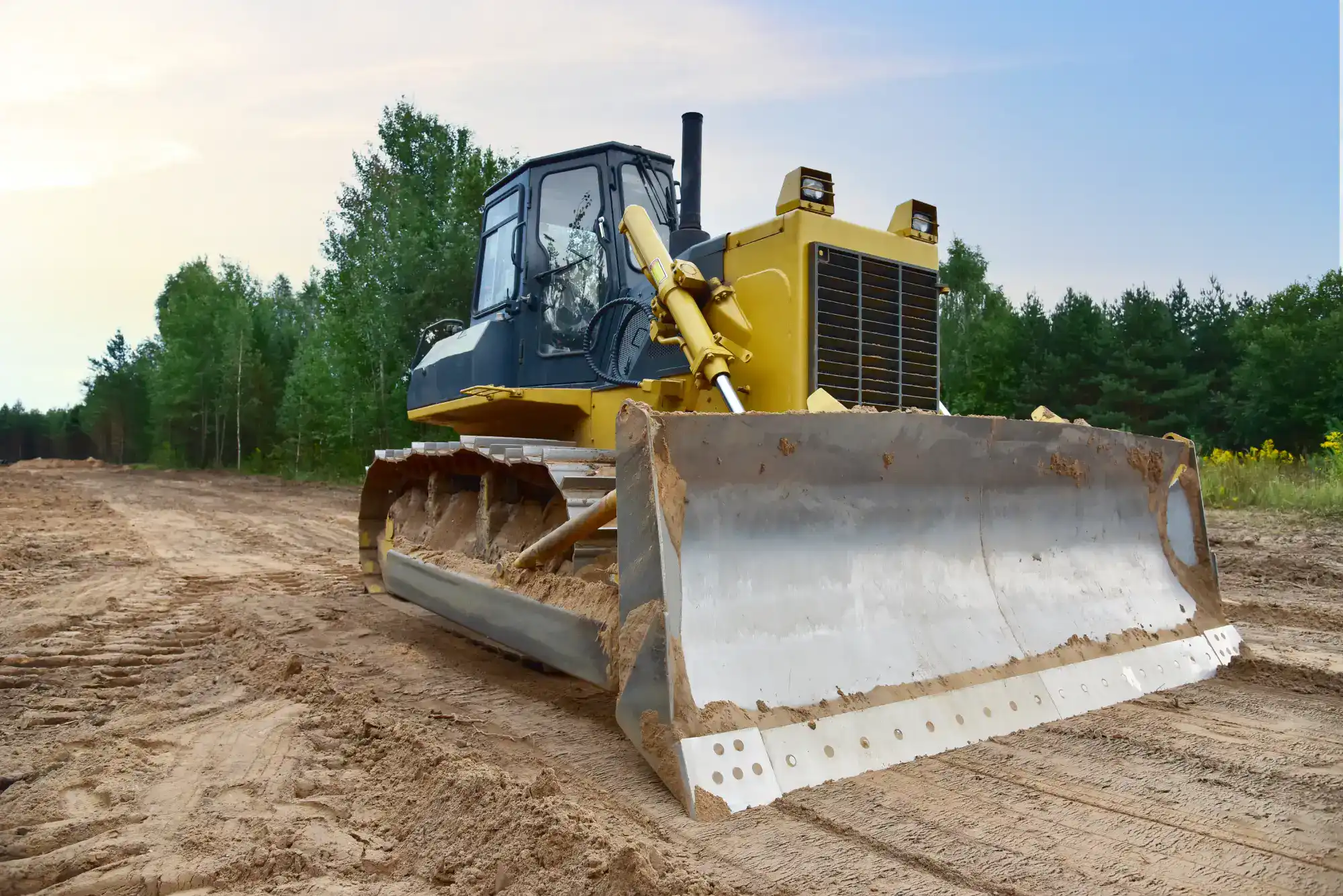
The initial assessment involves understanding the land’s topography, soil type, and any potential challenges that might arise during the clearing process. This stage sets the groundwork for the entire operation. Professional contractors evaluate multiple factors that affect your project’s timeline and cost.
We start with a site assessment to identify utilities, determine the best approach for your terrain, and plan the most efficient clearing strategy. This prevents problems before they start and gives you an accurate timeline. The assessment includes soil composition analysis, drainage pattern evaluation, and identification of any environmental considerations specific to your area.
Rocky soil is common in the area, requiring larger excavators with rock teeth for loose rock, and hydraulic hammers or controlled blasting for solid ledge. Understanding these local conditions makes the difference between realistic project timelines and costly surprises. As contractors familiar with Saratoga County, we know how seasonal water flow, soil composition changes, and root system complications can affect your timeline.
This planning phase also determines the best equipment for your specific terrain and vegetation type. Different sites require different approaches – what works for a lightly wooded residential lot won’t work for dense forest or steep terrain.
One of the primary tasks in land clearing is the removal of trees, shrubs, and other types of vegetation. This process may involve cutting, uprooting, or mulching, depending on the size and type of vegetation present. Selective brush removal may be considered to preserve certain trees or plants that add aesthetic value or ecological benefits.
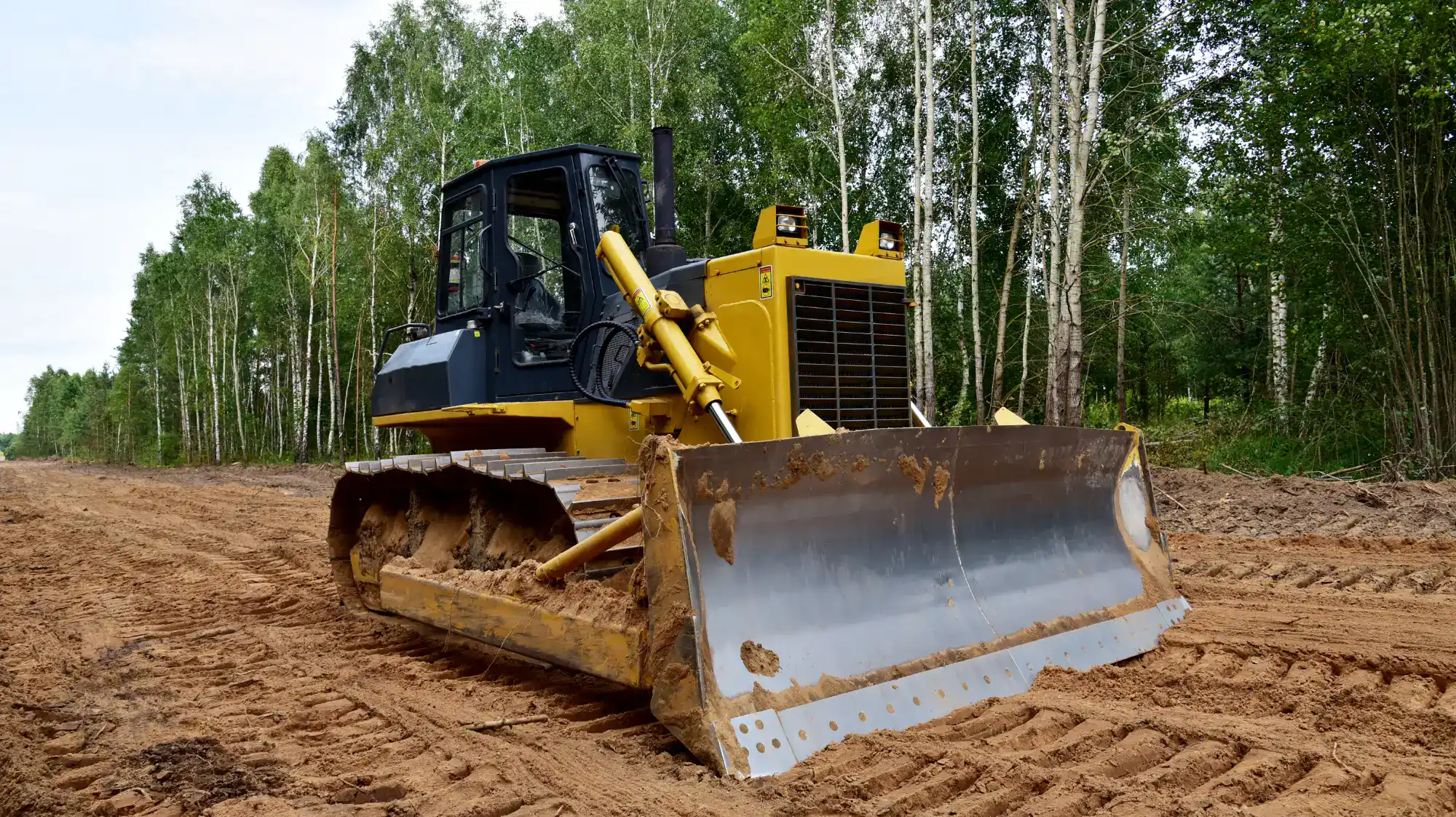
Professional contractors use different techniques based on your project goals. When we clear land, we use a bulldozer. This knocks over and uproots the underbrush and smaller trees with the root system, so the stump is removed. We then rake and gather the debris, and blade the area so it is nice and smooth. This approach prevents regrowth and creates a cleaner final result.
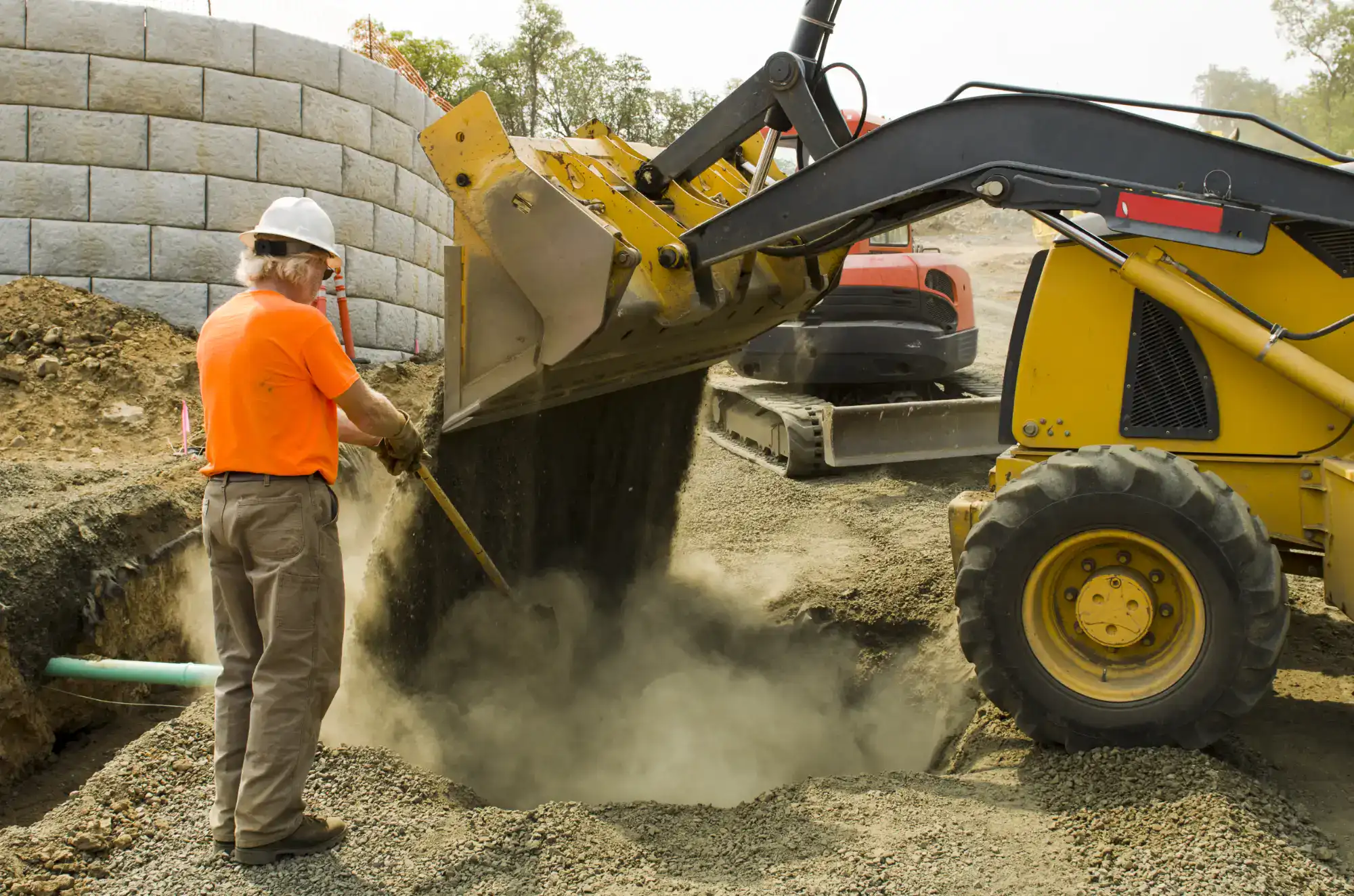
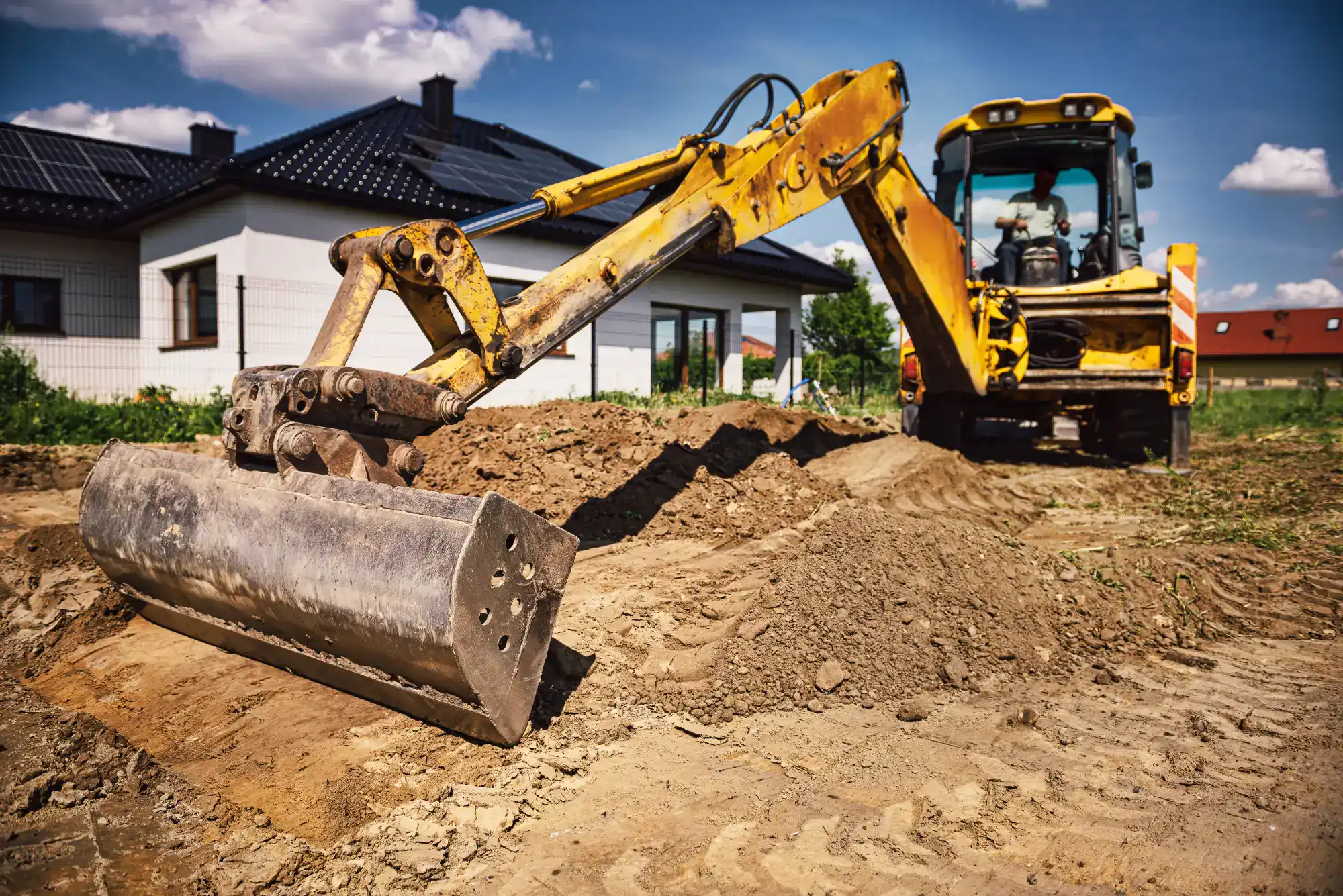
Stump grinding: Using a machine with rotating blades to grind down tree stumps and large roots below ground level. Excavation: Digging out the roots and stumps with heavy machinery such as excavators. The choice between grinding and complete removal depends on your future construction plans.
Where a house foundation will be poured, it is necessary to remove the stumps and root ball. You don’t want organics from rotting roots or wood grinds under the foundation. They can deteriorate and become voids over time. This can lead to an un-level foundation, or even a sinkhole. Professional contractors understand these long-term implications and plan accordingly.
For areas away from construction zones, contractors might recommend stump grinding rather than complete removal to preserve surrounding root systems and reduce project costs.
Want live answers?
Connect with a Emerson Excavating and Trucking expert for fast, friendly support.
Grading and leveling are essential components of land clearing. Grading involves reshaping the land to achieve the desired slope, contour, and drainage patterns. This ensures proper water runoff, prevents erosion, and creates a stable foundation for construction.
That means proper slope management for drainage, soil preparation that supports construction loads, and careful attention to existing infrastructure. Professional contractors understand that grading isn’t just about creating a level surface – it’s about engineering proper water flow and soil stability.
Proper grading prevents the foundation and drainage problems that show up months after construction begins.
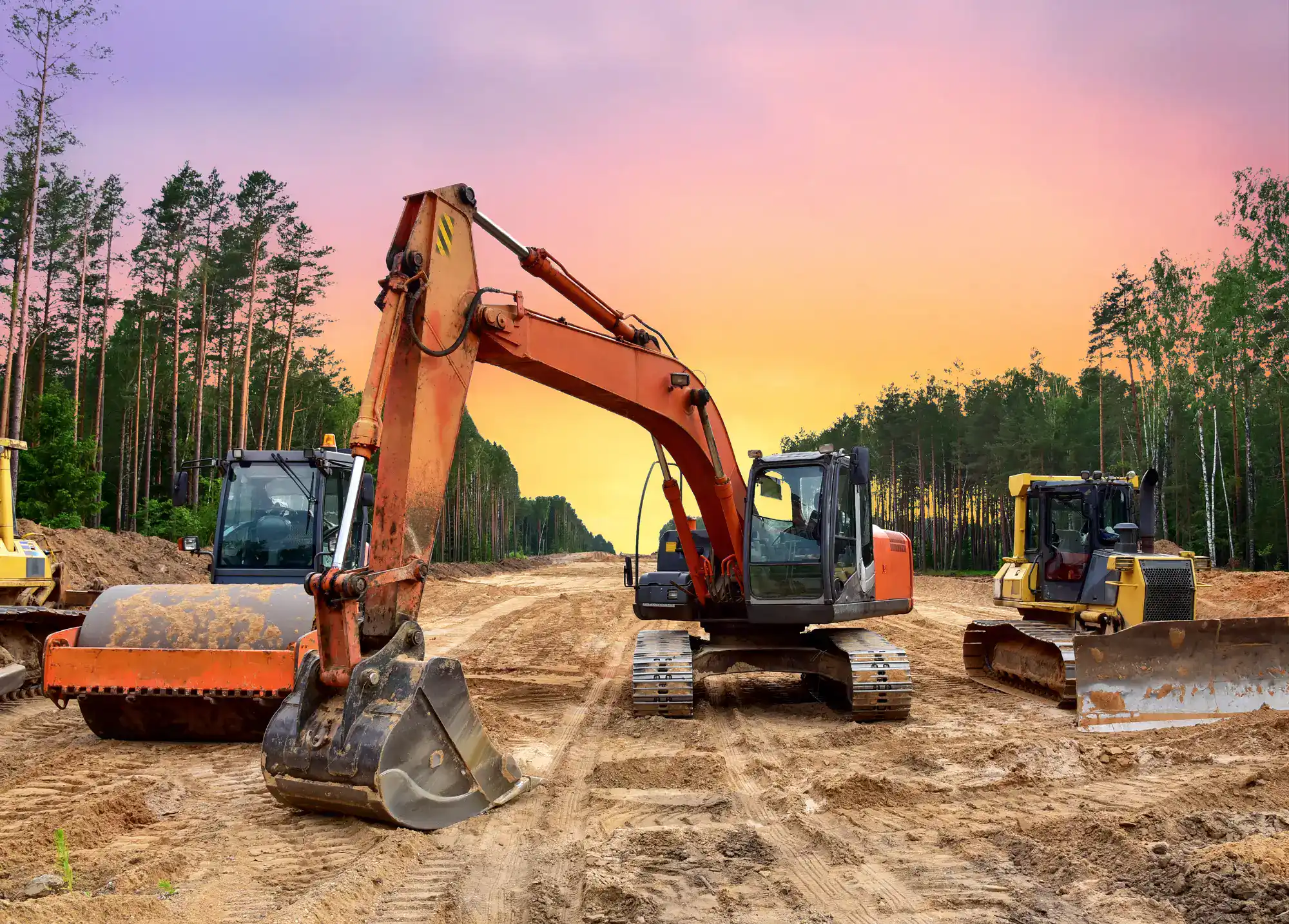
A well-graded site is essential for proper drainage and provides the ideal base for your construction project. Our team creates the precise slopes and elevations your project demands, ensuring that water flows away from your structure and toward designated drainage areas. This prevents potential water damage and foundation issues.
Water management is critical in Saratoga County’s climate. Every project includes careful assessment of soil conditions and terrain challenges specific to the Saratoga area. Our local experience means we anticipate issues like seasonal water flow, soil composition changes, and root system complications that can affect your timeline. We plan for spring snowmelt, summer storms, and fall drainage patterns.
When a commercial site is built, the County and State require the site to be graded so the water flows to a detention pond. The outside edges of the property are a step higher and the detention pond area is lower. Even residential projects benefit from proper drainage planning to prevent basement flooding, foundation settling, and erosion issues.
Professional contractors create drainage solutions that work with your property’s natural water flow rather than fighting against it. This includes planning for surface runoff, subsurface drainage, and integration with existing municipal drainage systems. The result is a site that stays stable and dry regardless of weather conditions.
Debris Disposal: Removing all waste materials to leave your site clear and ready for the next steps. Professional land clearing contractors handle all aspects of debris management, from sorting recyclable materials to proper disposal of waste.
Debris Disposal – Hauling away cleared materials or processing them for reuse (mulching, chipping, etc.). Many contractors can convert cleared vegetation into useful mulch or wood chips, reducing disposal costs and providing materials for your landscaping projects.
We ensure any debris that can’t be recycled is carefully disposed of in accordance with local regulations and environmental guidelines. Our disposal methods are designed to minimize the impact on local ecosystems and maintain the integrity of your cleared land. This includes following Saratoga County’s specific requirements for organic waste disposal and recycling.
After the land has been properly excavated, we will also manage the removal of any trash or debris that is on the property. Nothing will be left behind, with the exception of any topsoil which will be left for seedbeds or sod installation. The land will be clean, level and ready for your next project. Professional cleanup ensures your site is ready for the next phase of construction without delays or additional costs.
The cleanup process also includes final site inspection to ensure all debris is removed, grades are correct, and the site meets specifications for your construction project.
Finding the right land clearing contractor in Saratoga County means getting someone who understands local soil conditions, drainage patterns, and municipal requirements. The difference between basic tree removal and professional land clearing shows up months later in your project’s success.
The difference shows up months later when your foundation stays level, water drains properly, and you’re not dealing with problems that cheaper clearing jobs create. Professional contractors like us at Emerson Excavating and Trucking bring local expertise, proper equipment, and comprehensive service that protects your investment.
Look for contractors who handle permits, understand local regulations, and approach your project with long-term thinking. Your land clearing contractor sets the foundation for everything that follows – choose one who gets it right the first time.
Article details:
Share:
Continue learning: