Understanding residential versus commercial land clearing differences helps property owners choose the right approach, equipment, and contractor for their specific project needs.
Share:
Summary:
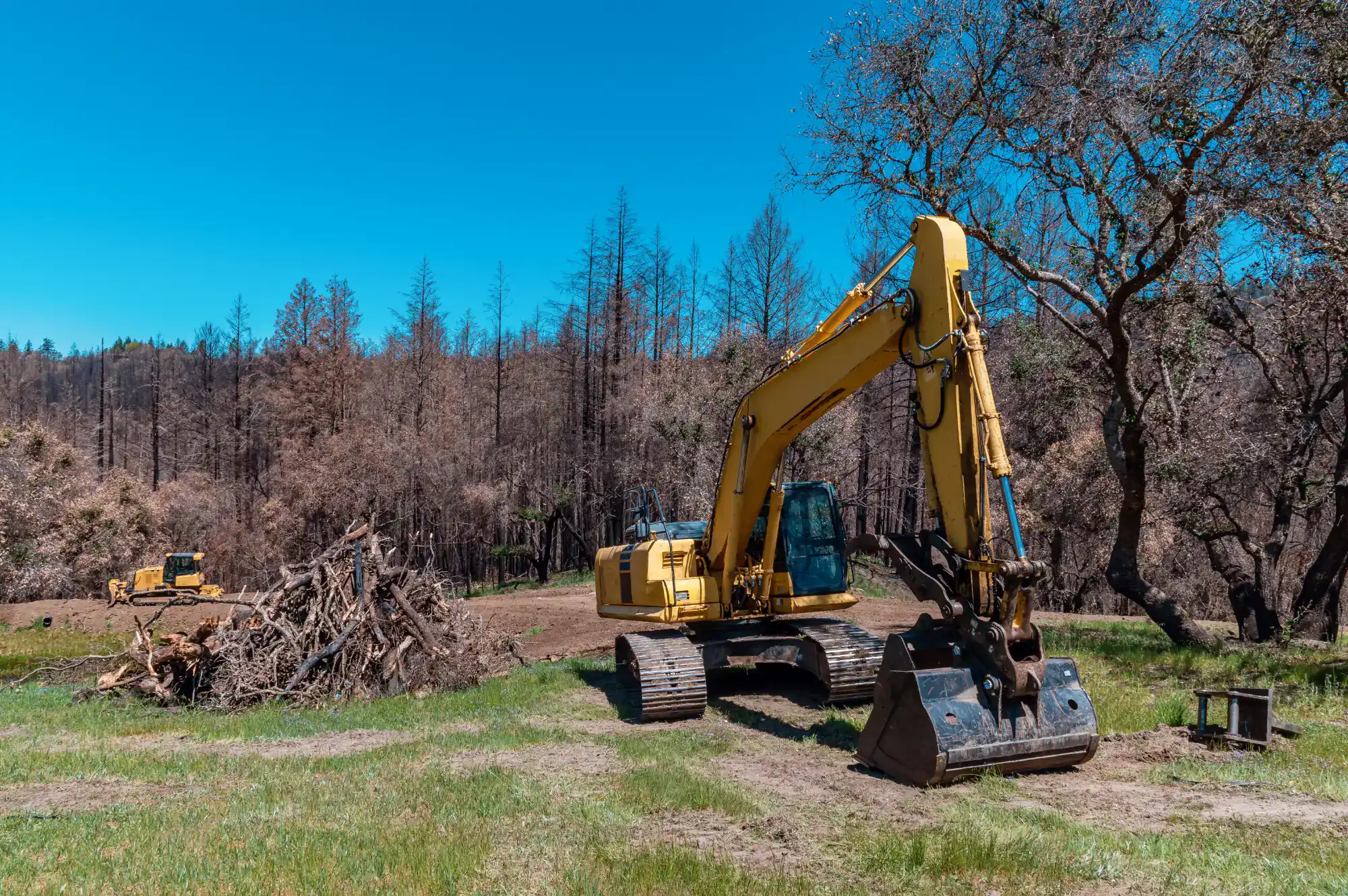
Residential clearing prepares smaller lots for homes, driveways, or landscaping while preserving as much vegetation as possible. The focus centers on creating space for your custom home while maintaining the property’s natural appeal and protecting mature trees that enhance your future landscape.
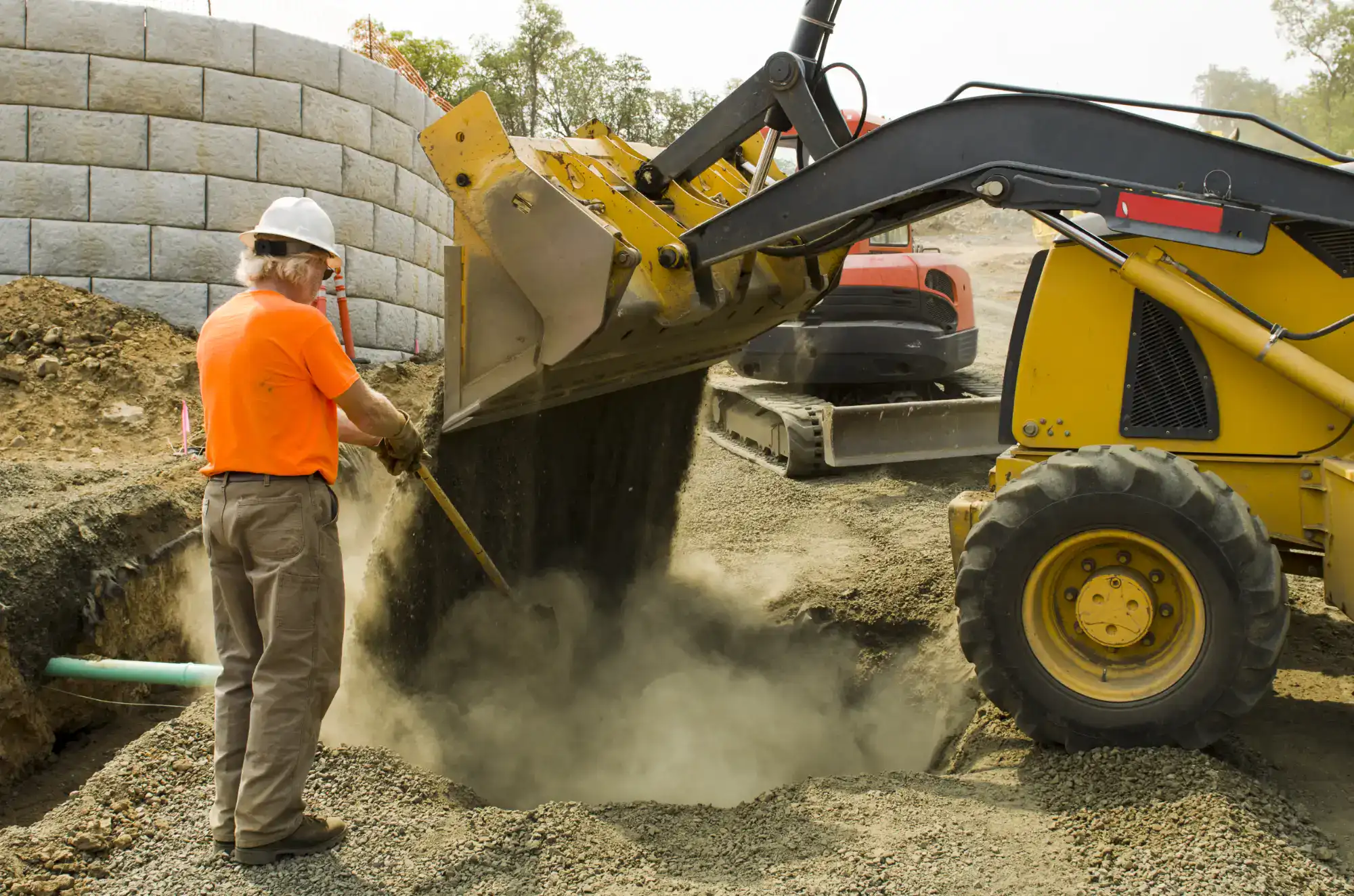
This process typically includes removing trees, brush, stumps, and rocks to prepare the ground for building, with most residential projects using light-to-medium equipment and often completed quickly depending on site size and complexity. Most residential projects are completed within a few days to a week.
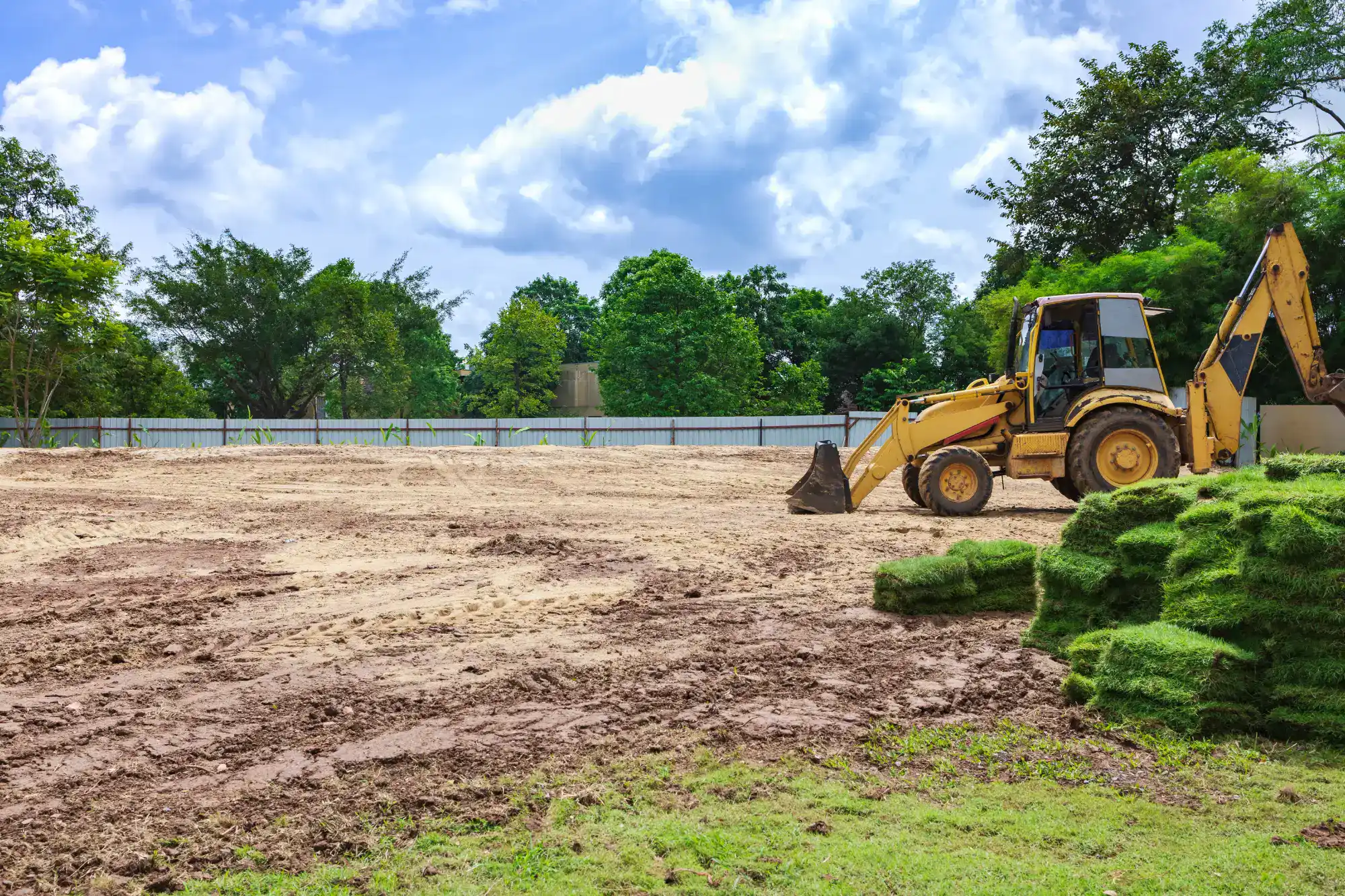
We work with residential properties typically under five acres, focusing on precision over speed. Costs are typically lower for lightly wooded lots, averaging $1,200 to $2,000 per acre. The equipment we use includes smaller excavators, skid steers, and specialized attachments that can navigate tight spaces without damaging nearby structures or utilities.
Your residential land clearing project involves careful planning around existing features you want to preserve. This includes keeping the best trees to surround your house, not next to where they can fall on your house, and getting the right amount of space and foliage to meet your needs, since you’re only given one opportunity to keep nice mature trees.
Our process typically starts with brush removal and selective tree clearing. We evaluate your property, identify utilities, create a clearing plan that works, use licensed crews to clear vegetation and grade land to exact specifications, then complete debris removal with final grading checks. This methodical approach protects your investment and ensures your home site is properly prepared for construction.
Site access considerations matter significantly for residential projects. Properties with direct road access and flat entry points cost less to clear than remote locations requiring special access routes, with limited access potentially requiring us to use smaller equipment or make multiple trips. We need to coordinate with neighbors, protect landscaping, and work within tighter space constraints than commercial projects typically require.
For a lightly wooded lot, the process may take 1–3 days, while heavily wooded areas or larger acreages could take up to a week or more, with accessibility playing a critical role since difficult-to-reach properties require additional time and equipment. Weather conditions and seasonal factors also impact your timeline significantly.
The type and density of vegetation on your land significantly impacts clearing costs, with a property having sparse grass and small bushes requiring minimal effort compared to densely wooded land with mature trees. You can expect to pay $3,300 to $5,600 per cleared acre if you have a heavily wooded property, while land with fewer trees costs an average of $580 to $2,100, making clearing a lot with fewer trees 3 to 6 times cheaper.
We provide detailed estimates covering tree removal, stump grinding, debris disposal, and final grading. Additional costs include tree size and quantity factors, with large trees requiring specialized equipment and more time, root removal requirements adding $150-400 per stump, and debris disposal methods significantly affecting final costs. Understanding these variables helps you budget accurately and avoid surprises during your project.
The permitting process for residential land clearing varies by municipality within Saratoga County. Most excavation projects require a building permit, with the permit process typically taking 2-4 weeks for approval, and we’re familiar with local requirements to help avoid delays by knowing what inspectors look for. We handle this process and ensure compliance with local regulations.
Want live answers?
Connect with a Emerson Excavating and Trucking expert for fast, friendly support.
Commercial clearing removes larger areas for developments like shopping centers, roads, or industrial sites—often requiring grading and utility preparation. Unlike residential land clearing, commercial projects typically involve larger areas and require heavy machinery capable of handling more complex challenges.
Land clearing for commercial purposes is pretty straightforward, with usually no decisions to make whether to leave brush or trees on the property, though you can often leave trees along property edges if you’re not utilizing every bit of real estate. The focus shifts from preservation to complete site preparation for development.
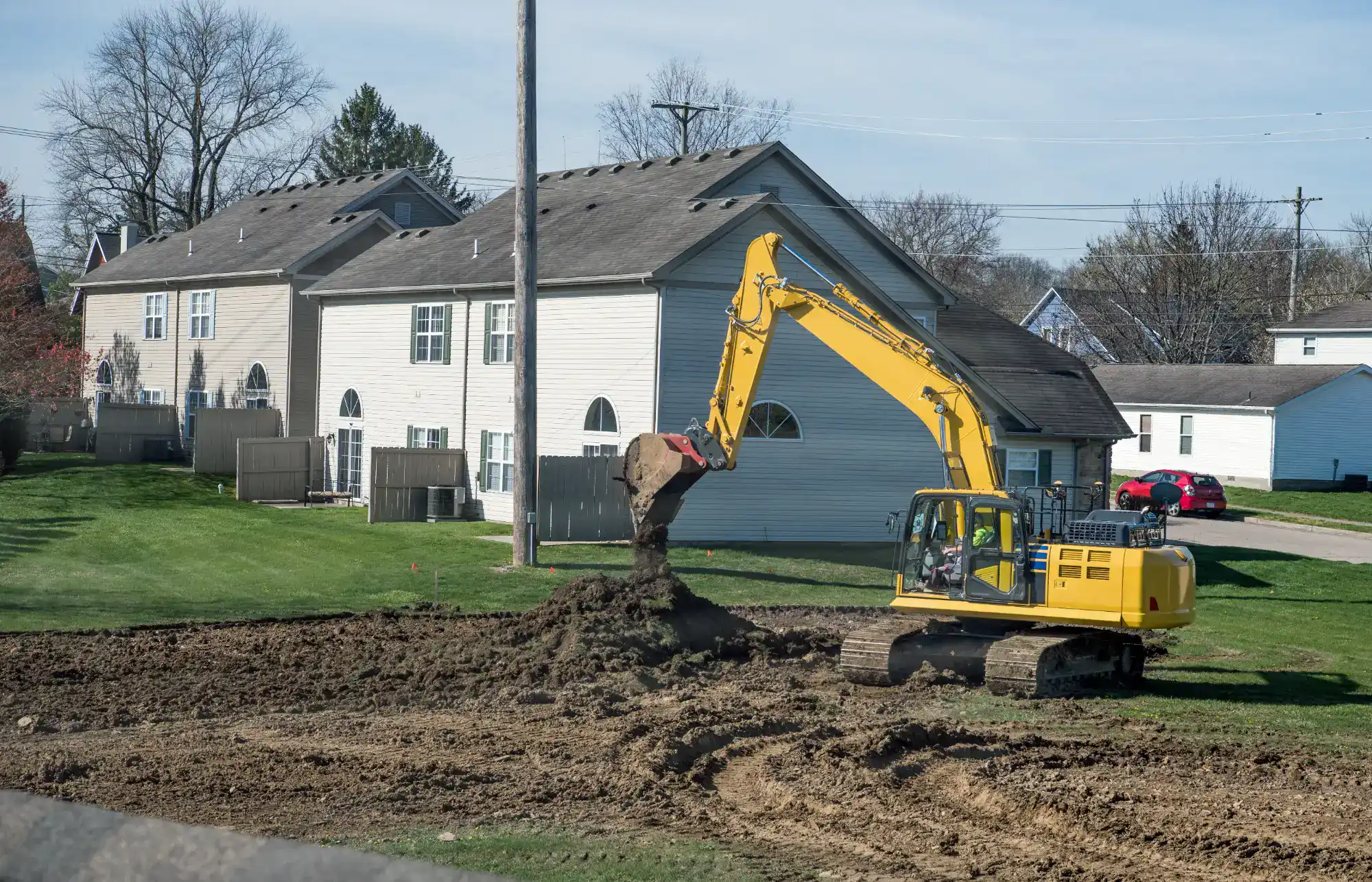
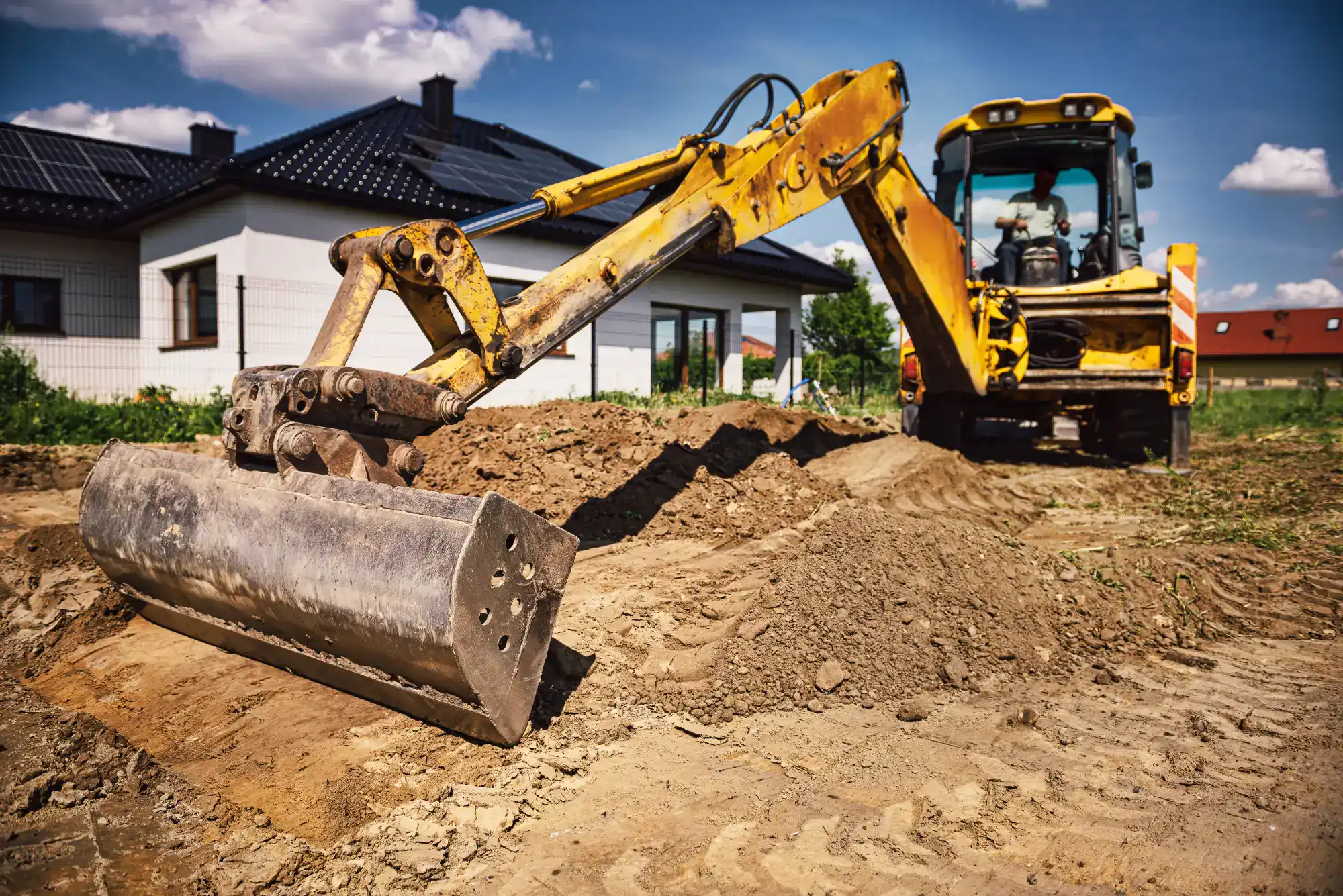
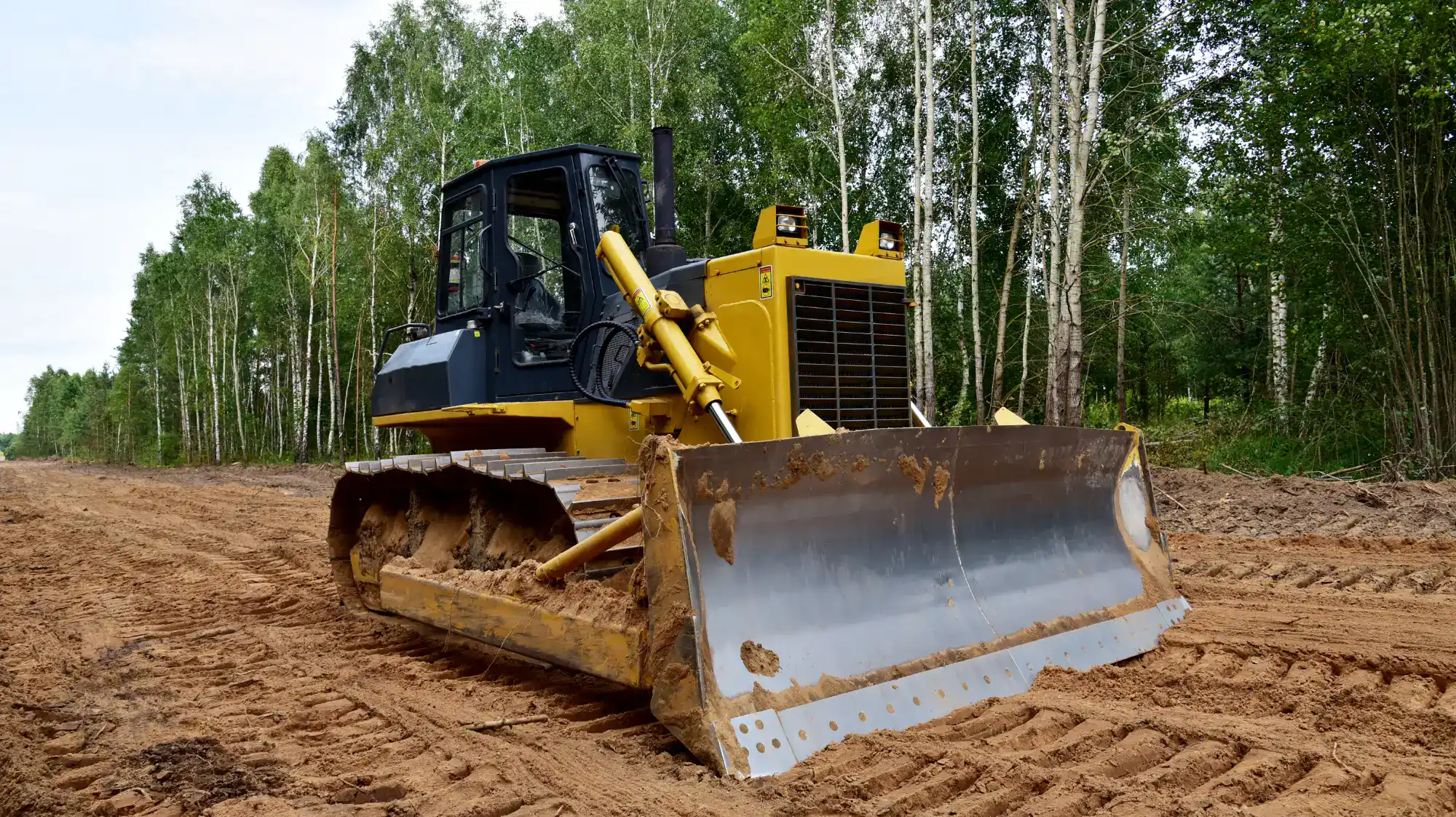
The most common and efficient method for commercial sites uses mechanical clearing with bulldozers, excavators, backhoes, and mulchers to clear quickly and level land, though it’s fast, fuel, labor, and equipment rental drive up the price. Professional land clearing services require advanced equipment specifically designed for the task, from bulldozers and excavators to stump grinders and mulchers, with each machine serving a specific purpose and heavy machinery operated by skilled professionals ensuring efficient completion.
We must coordinate with multiple stakeholders throughout commercial projects. Larger sites mean coordinating with multiple contractors, managing environmental considerations, meeting stricter timelines, and working with general contractors to ensure site preparation stays on schedule and meets exact specifications. This coordination becomes critical when dealing with utility companies, environmental consultants, and municipal inspectors.
When a commercial site is built, county and state require the site to be graded so water flows to a detention pond, with outside edges of the property being a step higher and the detention pond area lower, and with all dirt elevations being changed, it kills the opportunity for leaving trees within the property. This regulatory requirement fundamentally changes the approach compared to residential projects.
The debris management process differs significantly for commercial projects. Trees are knocked over with stumps intact, timber is merchandised, debris is raked and piled, then the property is bladed to a smooth surface, with debris disposal options including loading into roll-off containers (typically the most expensive option) for smaller jobs or grinding and hauling chips for larger projects. We must plan for substantial debris volumes and disposal logistics.
Commercial land clearing involves larger-scale projects or sites in heavily forested areas that can cost upwards of $5,000 per acre, with most commercial land-clearing projects being larger in scale than residential ones, meaning overall spending could fall into tens or hundreds of thousands. Most commercial-scale projects cost $2,000 to $5,000 per acre depending on terrain and scope, with additional costs for excavation, grading, hauling, and permitting that must also be factored in.
Timeline planning becomes more complex for commercial projects due to scale and regulatory requirements. Commercial land clearing typically involves larger-scale operations and more complex site requirements compared to residential clearing, often requiring handling more substantial debris, managing larger areas, and complying with stricter regulations and environmental considerations. Your project timeline must account for environmental assessments, permit approvals, and coordination with utility companies.
Additional commercial considerations include temporary road access costing $2,000-$15,000+ for large-scale sites to handle construction traffic, with working with a full-service contractor who can handle site clearing, grading, and excavation in one contract reducing costs and streamlining communication. Planning these elements early prevents delays and cost overruns during your commercial development project.
Environmental compliance adds complexity to commercial land clearing projects. Most land-clearing projects begin with thorough site assessment of existing vegetation, wildlife, and water resources above and under the soil, with managers working with environmental specialists to determine ecological impact before moving forward, and most states and municipalities heavily regulating land clearing. We navigate these requirements while maintaining project schedules.
Understanding whether your project requires residential or commercial land clearing determines your contractor selection, equipment needs, and budget planning. Residential and commercial land clearing aren’t the same, and knowing the difference can save time and money, with the right equipment, permits, and expertise for every scale of land clearing.
Real land clearing starts with understanding your property’s unique characteristics, with every property in Saratoga, Washington, and Warren Counties having unique challenges from rocky terrain to wetland considerations. Whether you’re building a custom home or developing commercial property, partnering with experienced contractors like us at Emerson Excavating and Trucking ensures your project starts with proper site preparation that protects your investment for years to come.
Article details:
Share:
Continue learning: