Thinking about building a new home or adding a driveway? Residential excavation is where it all starts—and getting it right the first time matters more than you think.
Share:
Summary:
Residential excavating services cover any project that requires moving earth to prepare your property for construction or improvement. That includes digging foundations for new homes, grading driveways, trenching for utility lines, clearing land, and installing septic systems.
It’s not just about operating heavy machinery. Excavation contractors need to understand soil conditions, drainage patterns, local building codes, and how to avoid damaging underground utilities. In Saratoga County, NY, soil types can vary significantly from one property to another, which means experience with local conditions makes a real difference.
Most residential projects start with a site assessment. We evaluate your land, identify potential challenges like rock ledges or high water tables, and create a plan that keeps your project on schedule and within budget.
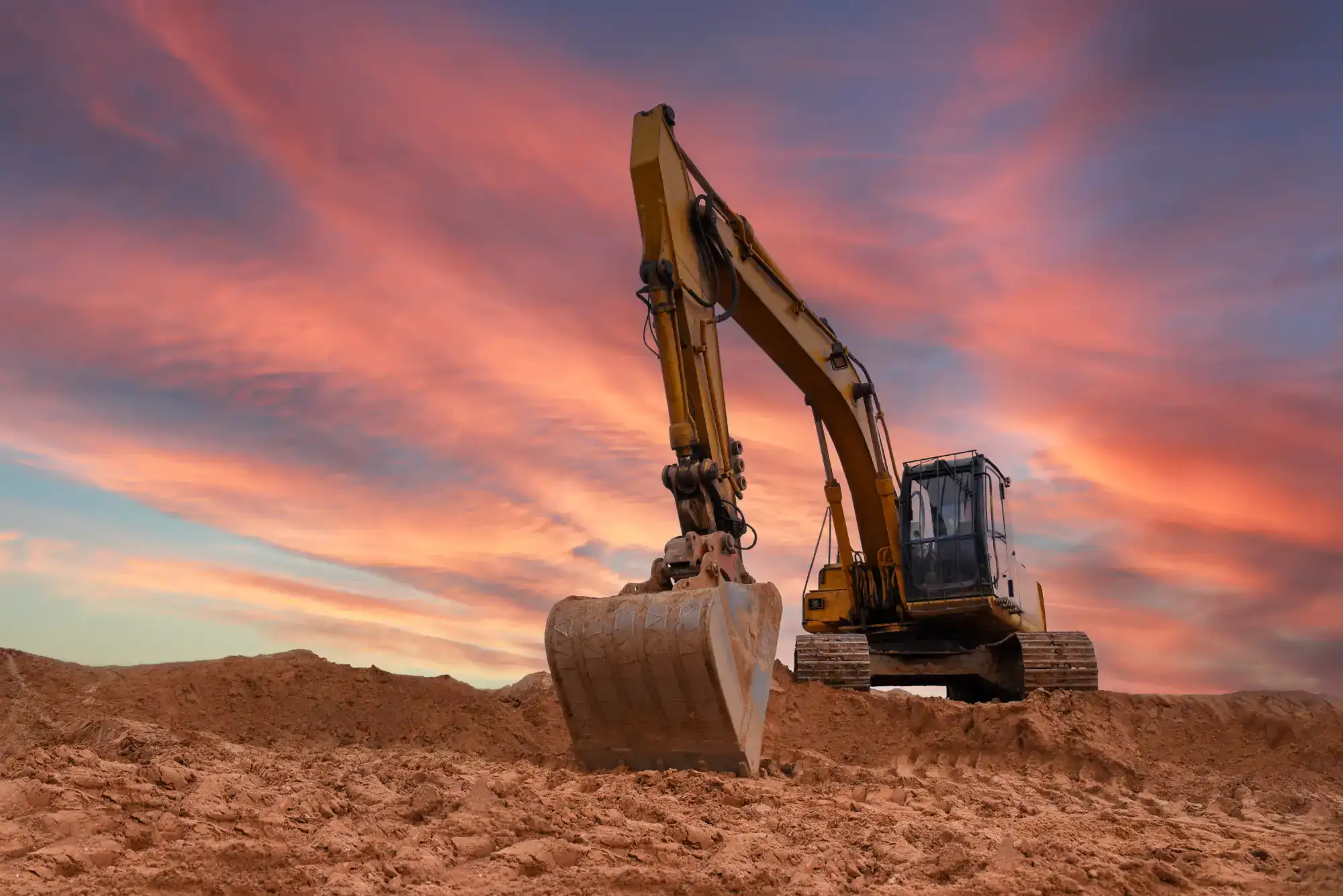
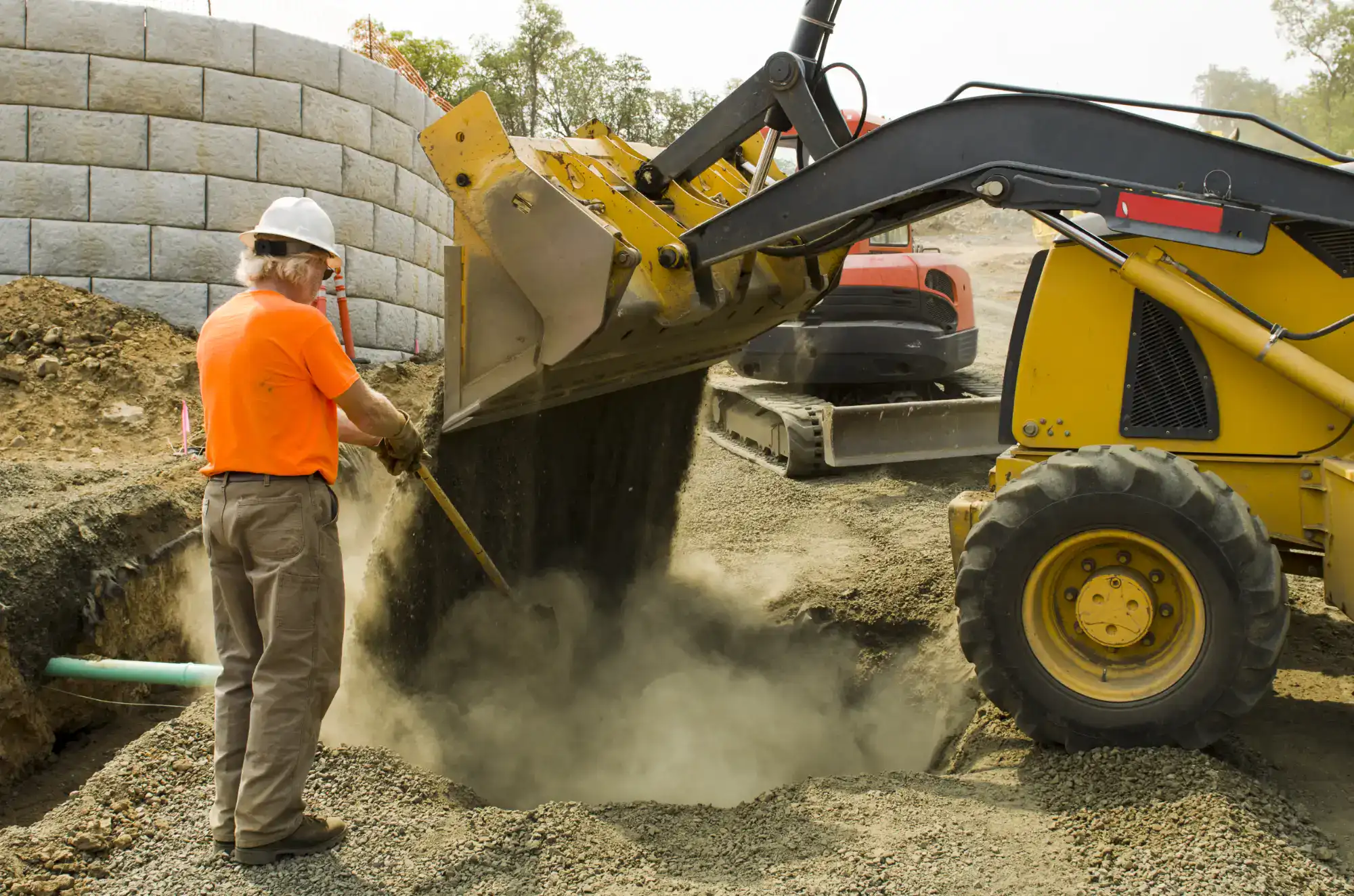
Foundation excavation is one of the most critical steps in building a new home. This is where we dig to the exact depth and dimensions your foundation requires, ensuring the ground is level, stable, and properly compacted.
If the excavation isn’t done correctly, you’ll deal with problems for years. Water can pool around your foundation, causing cracks and leaks. Soil that isn’t compacted properly leads to settling, which creates uneven floors and structural issues. Rushing through this step or cutting corners might save a few days upfront, but it costs far more in repairs later.
The process starts with clearing the site of trees, brush, and topsoil. Topsoil contains organic material that holds moisture and doesn’t compact well, so it needs to be removed before digging begins. Once the site is cleared, we excavate to the required depth—typically below the frost line in New York to prevent freeze-thaw damage.
Proper grading is essential at this stage. The land around your foundation should slope away from the house to direct water away from the structure. Without this, rainwater and snowmelt can seep into your basement or crawl space, creating moisture problems and potential mold growth.
Soil compaction is another critical step. After excavation, we use specialized equipment to compact the soil at the bottom of the excavation. This creates a stable base that won’t shift or settle over time. Some contractors skip this step to save time, but it’s one of those details that separates quality work from shortcuts.
In Saratoga County, we also need to account for local building codes and permit requirements. We handle the permit process and ensure all work meets code, so you don’t run into issues during inspections.
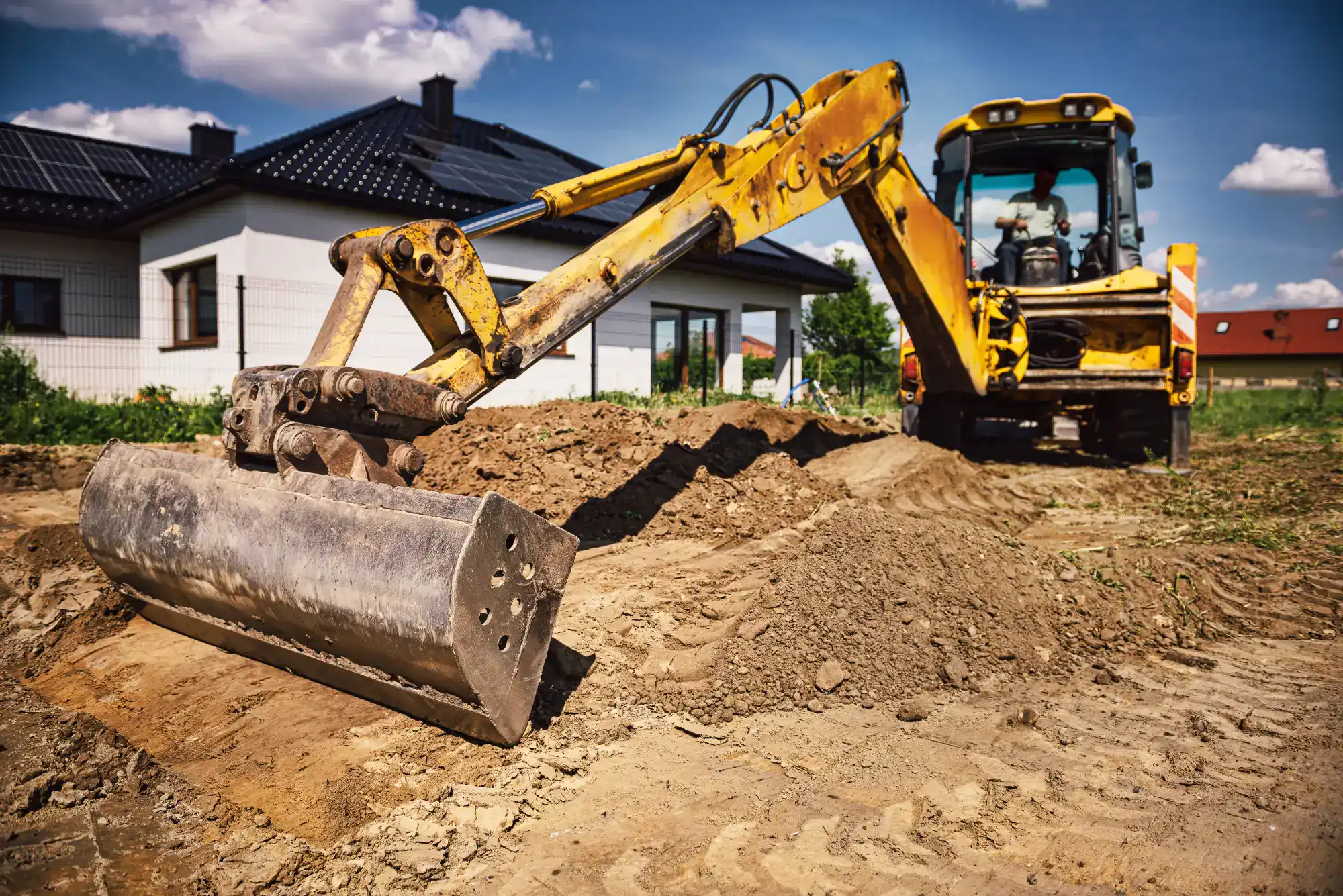
Driveway excavation involves more than just digging a path from the road to your garage. It requires removing the existing topsoil, creating proper drainage, and building a stable base that can support the weight of vehicles for years to come.
The first step is stripping away the topsoil. Just like with foundation work, topsoil doesn’t provide the stability you need for a driveway. It holds moisture, shifts with temperature changes, and breaks down over time. Once the topsoil is removed, we grade the area to create a slight slope. This ensures water runs off the driveway instead of pooling on the surface or flowing toward your home.
Next comes the base layer. Depending on your soil conditions and the type of driveway surface you’re installing—gravel, asphalt, or concrete—we may add a layer of crushed stone or other aggregate material. This base is compacted to create a solid foundation that distributes weight evenly and prevents cracking or sinking.
Drainage is often overlooked but absolutely critical. Without proper drainage, water can undermine your driveway, causing sections to sink or wash away. In areas with heavy snowfall like Saratoga County, poor drainage can also lead to ice buildup in winter, creating safety hazards.
The length of the project depends on the size of your driveway and site conditions. Most residential driveway excavations take a few days to a week, assuming no unexpected issues like hitting rock or dealing with high groundwater levels.
If you’re planning to pave your driveway, timing matters. We typically recommend letting the base settle for a week or two after excavation and compaction before adding asphalt or concrete. This allows any remaining moisture to evaporate and ensures the base is fully stable.
Choosing the right excavating contractor for driveway work means finding someone who understands local soil conditions and knows how to build a base that will last. Cutting corners on excavation might save money upfront, but you’ll pay for it later when your driveway cracks, sinks, or needs to be completely redone.
Want live answers?
Connect with a Emerson Excavating and Trucking expert for fast, friendly support.
Trenching services involve digging narrow channels to install or repair underground utilities like water lines, sewer pipes, electrical conduits, and drainage systems. It’s precise work that requires careful planning to avoid damaging existing utilities and ensure proper depth and slope.
Before any trenching begins, we contact local utility providers to mark existing lines. Hitting a gas line, electrical cable, or water main isn’t just expensive—it’s dangerous. In New York, calling 811 before you dig is required by law, and we always follow this protocol.
Drainage trenching is one of the most common requests from homeowners. If water pools in your yard, flows toward your foundation, or creates muddy areas that never seem to dry out, you likely need a drainage solution. This might involve installing French drains, catch basins, or grading the land to redirect water flow.
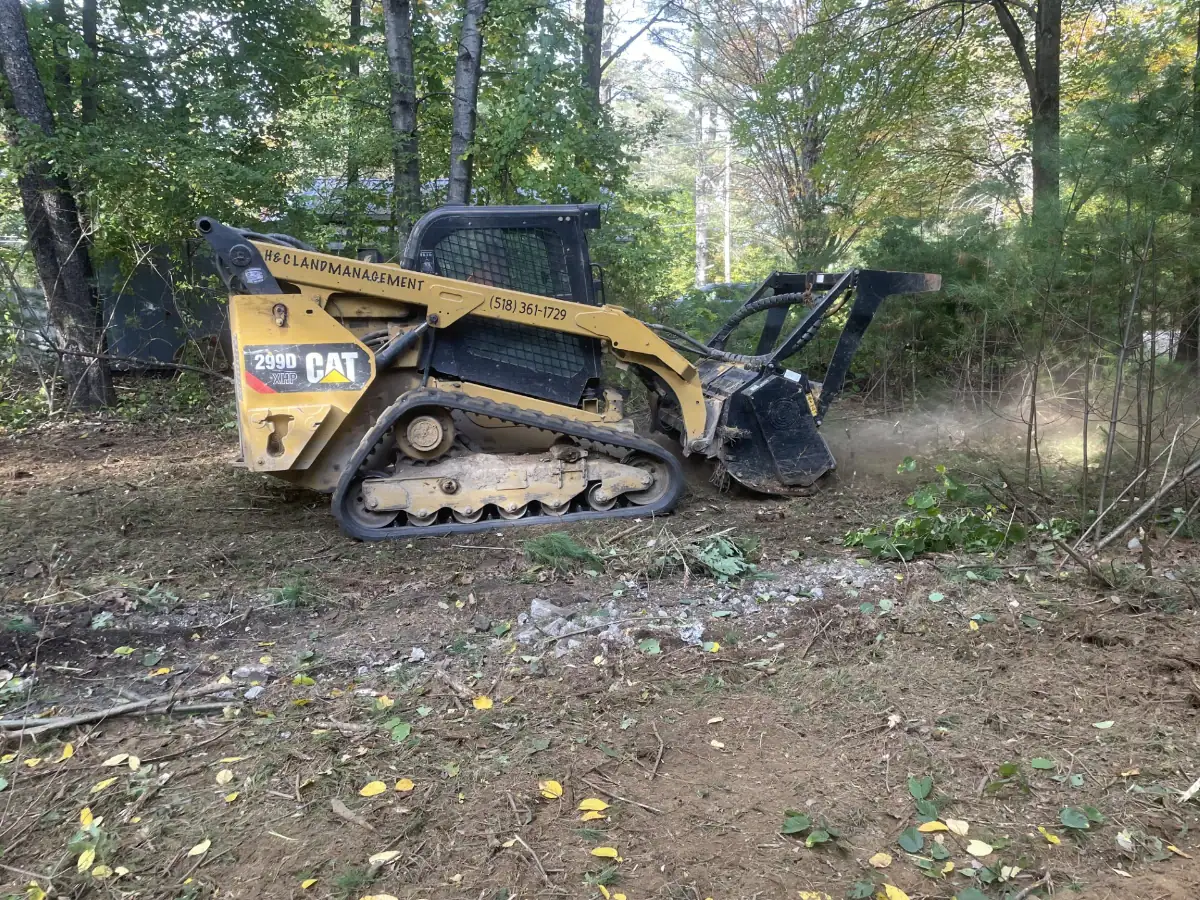
If your property isn’t connected to municipal sewer lines, you’ll need a septic system—and that requires excavation. Septic installation involves digging a large area for the tank and trenching for the drain field, where wastewater is filtered through the soil.
Septic systems are heavily regulated in New York. The design must be approved by the local health department, and installation must meet specific depth, spacing, and soil requirements. We’re familiar with these regulations and handle the permitting process for you.
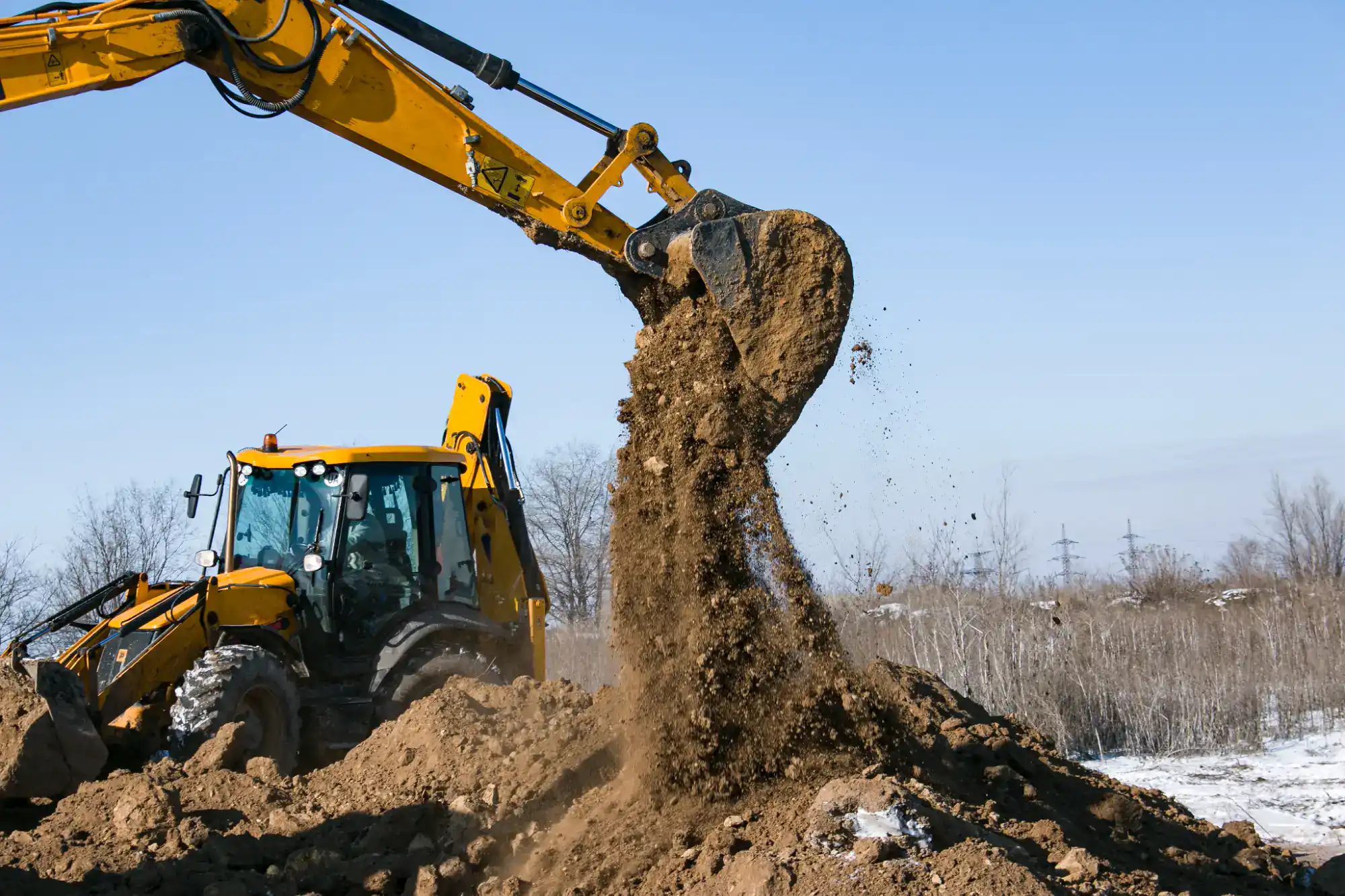
The excavation process starts with locating the best spot for your septic tank and drain field. This depends on soil conditions, the slope of your land, proximity to water sources, and setback requirements from your home and property lines. Once the location is determined, we excavate the area for the tank and dig trenches for the drain field lines.
Soil conditions play a huge role in septic system design. Sandy soil drains quickly but may not filter wastewater effectively. Clay soil holds water and drains slowly, which can cause backups. We test the soil and work with the septic designer to ensure the system functions properly.
After the tank and lines are installed, the excavation is backfilled and graded. We compact the soil carefully to prevent settling, which could damage the tank or pipes. The final grade should direct surface water away from the septic area to prevent oversaturation of the drain field.
Septic system excavation typically takes several days, depending on the size of the system and site conditions. Rocky soil or high water tables can add time and cost to the project. We identify these issues during the initial site assessment and give you a realistic timeline and budget.
If you’re replacing an old septic system, we also excavate and remove the old tank. This adds another step to the process but is required by most local health departments to prevent future issues.
Choosing the right excavating contractor can make or break your project. The cheapest bid isn’t always the best value, especially when poor excavation leads to expensive repairs down the road. Here’s what to look for when you’re comparing contractors in Saratoga County, NY.
Start with licensing and insurance. Any reputable excavating contractor should be properly licensed and carry both general liability insurance and workers’ compensation coverage. Don’t just take their word for it—ask to see proof of insurance and verify it’s current. If something goes wrong on your property, you want to know you’re protected.
Experience matters, especially with residential work. Ask how long the contractor has been in business and whether they’ve handled projects similar to yours. Foundation excavation requires different expertise than septic installation or driveway grading. You want someone who’s done your type of project multiple times and knows how to handle the challenges that come up.
Local knowledge is another big factor. Soil conditions, building codes, and permit requirements vary by location. A contractor who’s worked extensively in Saratoga County will understand local regulations and know what to expect from the soil in your area. They’ll also have relationships with local inspectors and utility providers, which can smooth out the permitting and coordination process.
Communication is critical. You want a contractor who explains the process clearly, provides a detailed written estimate, and keeps you updated throughout the project. Red flags include vague estimates, reluctance to put anything in writing, or contractors who are hard to reach once you’ve signed a contract.
Ask about equipment and crew. Does the contractor own their equipment, or do they rent it for each job? Owned equipment is usually better maintained and more readily available. How many projects are they juggling at once? You don’t want your excavation delayed because the crew is bouncing between multiple job sites.
Get references and check them. Ask for contact information for recent customers who had similar projects. Call them and ask about their experience. Was the work completed on time and on budget? Did the contractor communicate well? Would they hire them again?
Finally, trust your gut. If something feels off during your initial conversations, that’s worth paying attention to. You’re going to be working with this contractor for days or weeks, and you need someone you can trust to do quality work and stand behind it if issues arise.
Residential excavating services are the foundation of almost every home construction or improvement project. Whether you’re building a new home, installing a driveway, or fixing drainage issues, the quality of the excavation work determines how well everything else holds up over time.
The key is finding an excavating contractor who understands local conditions, communicates clearly, and does the job right the first time. That means proper site preparation, attention to drainage and compaction, and following all local codes and regulations.
If you’re planning a project in Saratoga County and need excavation work you can count on, we bring local expertise and a commitment to quality that homeowners trust. Reach out to discuss your project and get a clear plan for moving forward.
Article details:
Share:
Continue learning: