Discover professional land grading services that solve drainage problems and create stable, usable property throughout Saratoga County, NY.
Share:

Summary:
Land grading isn’t just about moving dirt around—it’s about understanding how water moves across your property and creating the right slopes to direct it where you want it to go. Our professional grading services start with assessing your site’s drainage patterns, soil conditions, and specific needs.
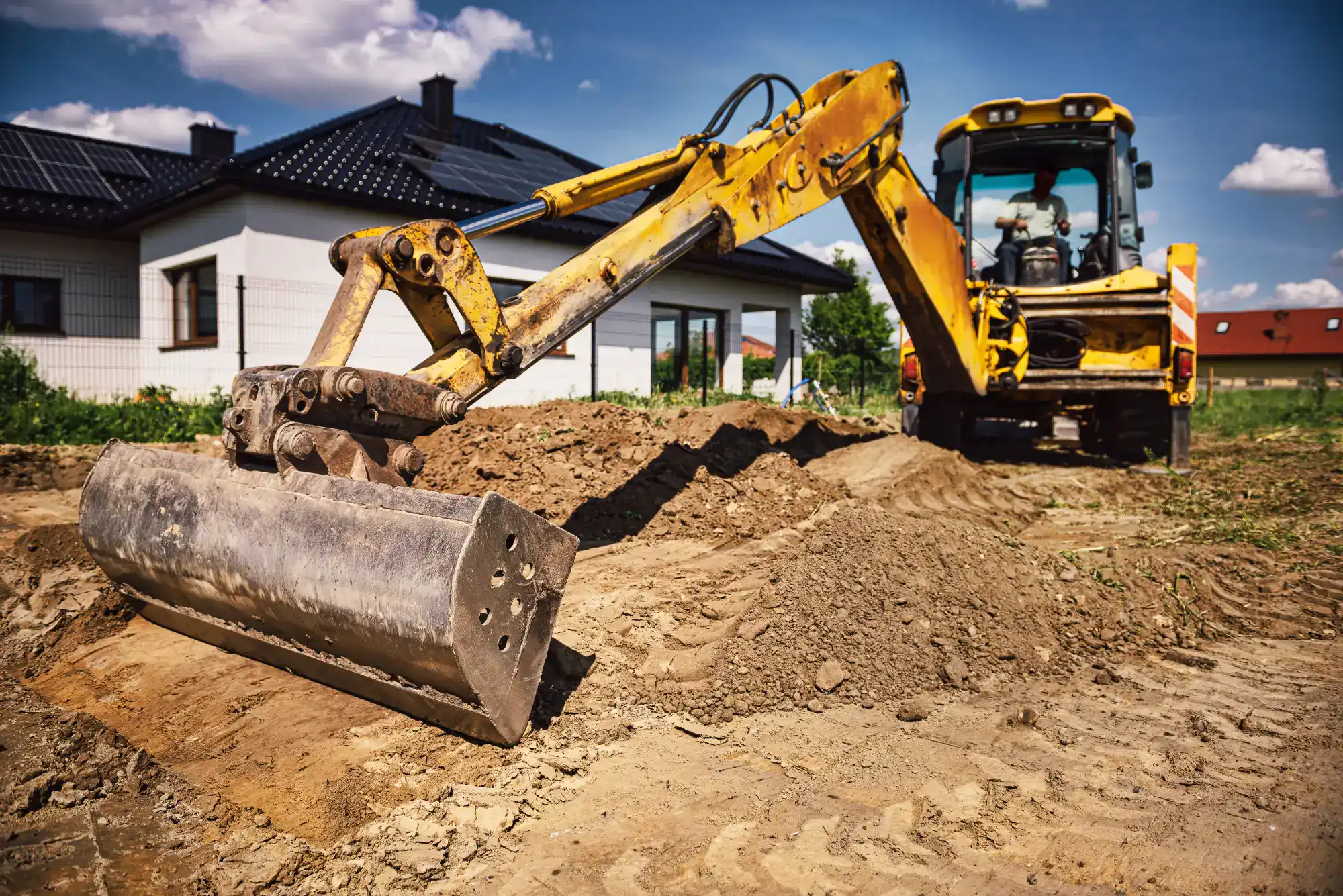
The work involves precise slope calculations, proper soil compaction, and creating drainage paths that direct water away from structures toward appropriate outlets. We use modern excavators and grading tools to achieve the exact slopes and compaction needed for lasting results.
Every project is different, but the goal remains the same: eliminate water problems and create stable, usable property that works the way you need it to.
Saratoga’s soil conditions vary significantly across the area, from clay-heavy soils to sandy areas and everything in between. Each soil type requires different approaches for proper grading and compaction, and clay soils present particular challenges that inexperienced contractors often underestimate.
Clay soils need careful moisture management and may require additional drainage considerations. When clay gets wet, it expands, and when it dries out, it contracts—this constant movement can cause serious problems if not handled correctly during grading. The key is working with clay’s behavior rather than against it.
We assess soil conditions early in the planning process and adjust our methods accordingly. Our local experience matters because we’re familiar with Saratoga County soil patterns and can anticipate what your specific site will require for successful grading work.
Sandy soils present different challenges—they drain well but need proper compaction techniques to prevent settling. Mixed soils require a balanced approach that accounts for how different soil types will behave over time.
The bottom line is that proper grading starts with understanding what you’re working with. We know how local soils behave and can create grading solutions that last, while contractors without this experience often end up creating bigger problems than they solve.
Most property owners think grading is simple—just move some dirt and make it level. But proper grading requires understanding soil types, drainage patterns, and how water behaves in different weather conditions. Without this knowledge, DIY attempts often make drainage problems worse instead of better.
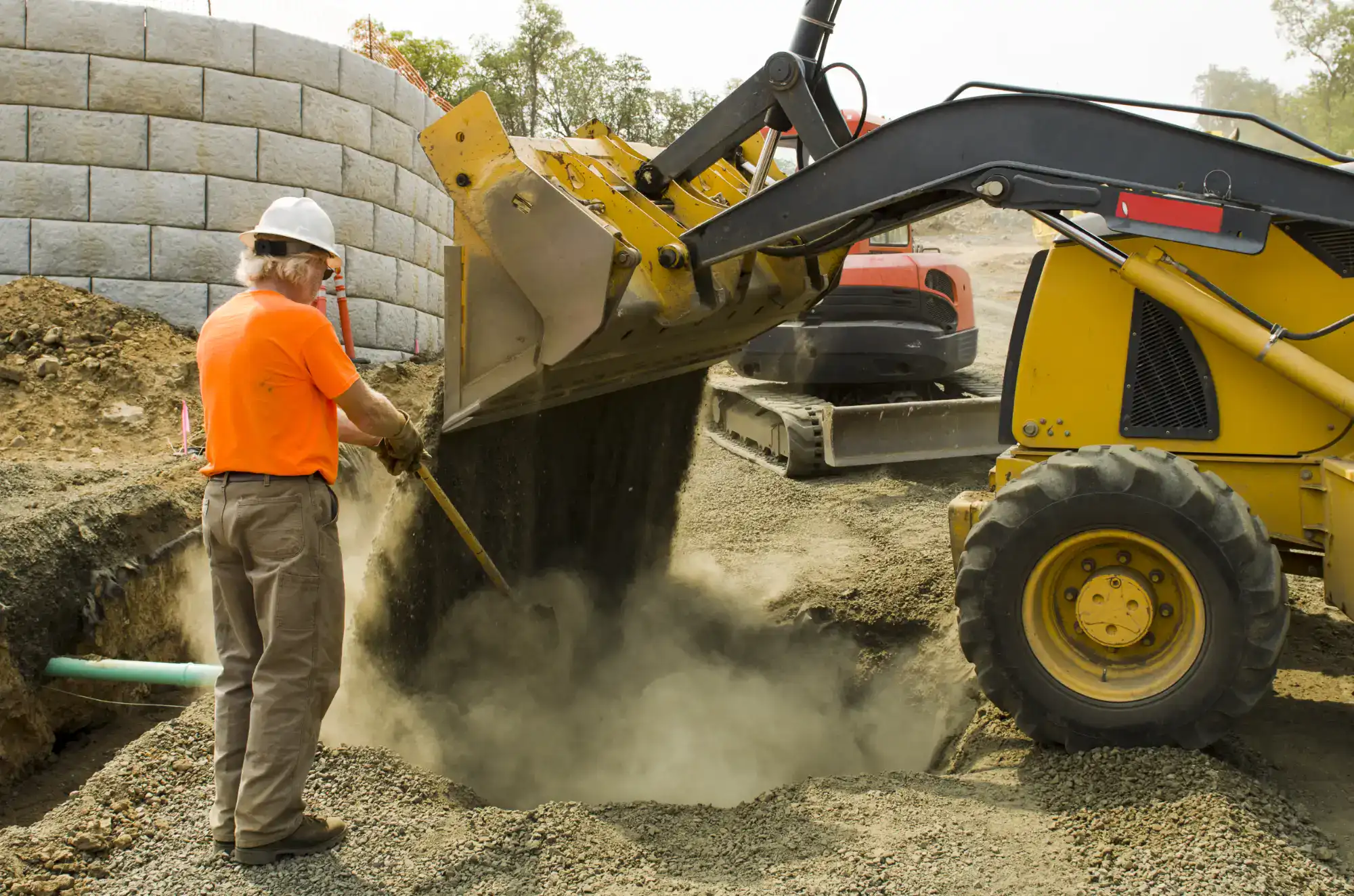
The biggest issue is equipment. Achieving proper compaction and precise slopes requires specialized machinery that most homeowners don’t have access to. Hand tools and small equipment simply can’t create the compaction needed for stable, long-lasting grades.
Then there’s the matter of knowing where water should go. Creating slopes that look right isn’t the same as creating slopes that work right. Water needs to flow away from structures and toward appropriate drainage areas, but it also needs to flow at the right speed—too fast and you get erosion, too slow and you get standing water.
We have the equipment to achieve proper compaction and the experience to create slopes that actually solve drainage problems. We understand local requirements and can handle permit processes that DIY projects often overlook.
The cost of fixing failed DIY grading usually exceeds the cost of hiring professionals from the start. When you factor in the time, frustration, and potential damage to your property, professional grading is often the more economical choice.
Want live answers?
Connect with a Emerson Excavating and Trucking expert for fast, friendly support.
New construction projects require precise site preparation that goes beyond basic grading. The land must be prepared to support structures, handle drainage, and meet local building requirements. This is where experience with local conditions becomes critical.
Our site preparation involves evaluating existing drainage patterns, soil composition, and any challenges that could affect construction. Proper planning prevents problems later and ensures your project stays on schedule.
Foundation grading creates the exact elevations needed for stable construction. This precision work determines how well your building will handle water runoff and soil settlement over time.
Most construction projects require both rough grading and finish grading, and understanding the difference helps you know what to expect from us during your project.
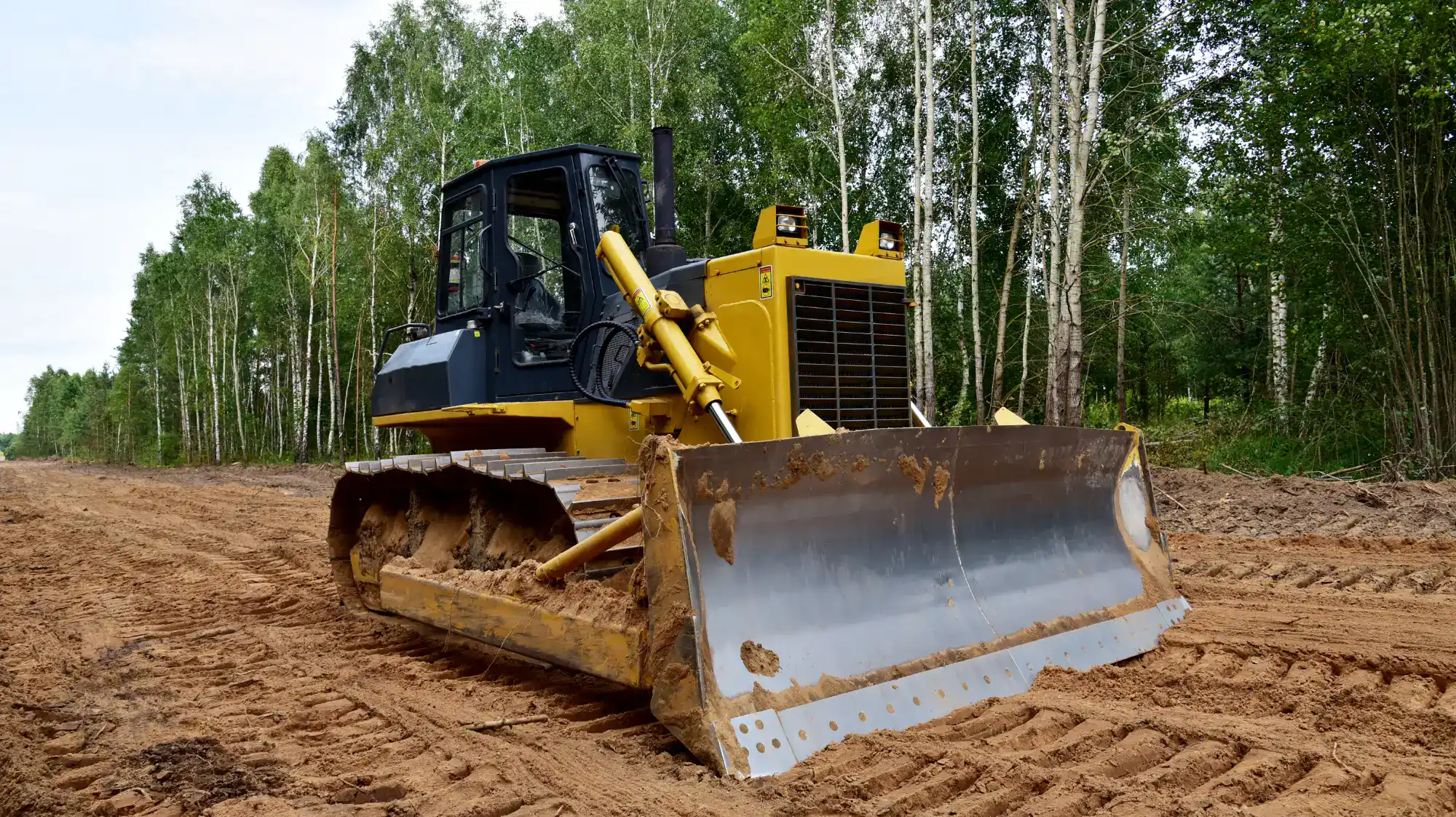
Rough grading establishes the basic elevations and drainage patterns for your site. This is the heavy work that moves larger amounts of material and creates the overall shape of your lot. Rough grading gets your property to approximate final elevations and establishes major drainage flows.
Finish grading is the precision work that creates the exact elevations needed for foundations, driveways, and final landscaping. This phase fine-tunes the slopes and ensures everything meets specifications for your specific project.
The timing of these phases matters. Rough grading typically happens early in the construction process, often before utilities are installed. Finish grading happens later, after major construction is complete but before final landscaping.
Weather affects both phases, but finish grading is particularly sensitive to soil conditions. We coordinate timing to ensure soil conditions are right for each phase of work.
Most residential projects take one to three days for grading work, depending on lot size and complexity. Simple lots with good access might be completed in a day, while sites with challenging drainage or access issues could take longer.
Proper drainage is built into every grading plan we create from the start. The goal is to analyze how water naturally flows across your site and work with those patterns rather than against them.
Effective drainage means creating grades that direct water away from foundations and toward appropriate drainage areas. This involves understanding seasonal water patterns that are common in the Saratoga area and planning for heavy rainfall events.
If your site has specific drainage challenges, we may recommend additional solutions like drainage tiles, retention areas, or specialized drainage systems. The key is addressing drainage during the grading phase rather than trying to fix problems after construction is complete.
Successful water management also considers how your grading affects neighboring properties. We ensure that drainage solutions don’t create problems for adjacent landowners while solving issues on your property.
Modern grading techniques can incorporate sustainable drainage practices that handle runoff effectively while protecting local water quality. This approach often satisfies environmental requirements while providing superior long-term performance.
The investment in proper drainage during grading pays dividends for years. Properties with effective drainage systems have fewer maintenance issues, better landscaping success, and higher property values than those with drainage problems.
Professional land grading solves drainage problems, creates stable building sites, and prevents the costly repairs that come from improper site preparation. The key is working with contractors who understand local soil conditions and have the equipment to do the job right.
Quality grading work pays for itself through fewer problems, better property performance, and higher property values. Whether you’re building new or fixing existing drainage issues, the right grading contractor makes all the difference.
When you’re ready for reliable site preparation that actually works, we bring the local expertise and modern equipment needed to create the stable, well-drained property you need.
Article details:
Share:
Continue learning: