Professional land clearing for challenging Saratoga County terrain, from rocky ledge to clay soils, with equipment and expertise for safe, effective results.
Share:
Summary:
Saratoga County’s soil composition varies dramatically across the region. You’ll find sandy areas near the Hudson River, clay-heavy zones throughout the interior, and rocky ledge that can appear anywhere without warning.
Each soil type creates different challenges for land clearing. Clay holds water and becomes sticky when wet, making excavation difficult and creating potential drainage nightmares. Rocky soil requires specialized equipment and techniques that most contractors don’t have readily available.
The key is working with contractors who understand these local conditions and have the equipment to handle them efficiently. Experience with Saratoga County terrain makes the difference between realistic project timelines and costly surprises that blow your budget.
Rocky soil in Saratoga County isn’t just “hard dirt”—it ranges from loose rock that can be moved with the right attachments to solid ledge that requires hydraulic hammers or controlled blasting. Understanding the difference is crucial for both timeline and budget planning.
Loose rock and small boulders can often be handled with larger excavators equipped with rock teeth. These specialized bucket attachments grab and break apart rock more effectively than standard buckets. For properties with scattered rocks, this approach keeps the project moving without major delays.
Solid ledge presents a different challenge entirely. When excavators hit bedrock that won’t break with standard equipment, contractors need hydraulic hammers—essentially giant jackhammers mounted on excavator arms. These tools can break through solid rock, but the process is slower and more expensive than standard clearing.
The most challenging situations require controlled blasting, which involves permits, specialized contractors, and careful coordination with neighbors. While this sounds dramatic, it’s sometimes the most cost-effective approach for large areas of solid rock.
We evaluate rock conditions during the initial site visit. We can often tell you whether you’re dealing with loose rock or solid ledge, which directly affects your project timeline and cost. Contractors who guess wrong end up with equipment that can’t handle the job, creating delays and additional expenses.
Clay soil creates unique challenges that inexperienced contractors often underestimate. When dry, clay can be almost as hard as concrete. When wet, it becomes sticky and nearly impossible to work with, clogging equipment and creating muddy conditions that bring work to a halt.
Timing becomes critical with clay soil projects. We monitor weather conditions and plan clay excavation during optimal moisture conditions—not too wet, not too dry. We also understand that clay soil requires different compaction techniques than sandy or loamy soil.
The bigger issue with clay soil is long-term drainage. Clay doesn’t drain well naturally, which means water tends to pool and create problems for foundations, driveways, and landscaping. Professional land clearing for clay soil includes drainage planning from the beginning, not as an afterthought.
Proper clay soil management often requires importing different soil types for specific applications. You might need sandy soil for drainage areas, loamy soil for landscaping, and properly prepared clay for structural support. Contractors who understand soil science can create a site preparation plan that addresses these needs upfront.
Clay soil also expands and contracts with moisture changes, which can affect foundations and other structures if not properly managed. Professional site preparation takes these characteristics into account, ensuring proper grading and drainage that prevent future problems.
Want live answers?
Connect with a Emerson Excavating and Trucking expert for fast, friendly support.
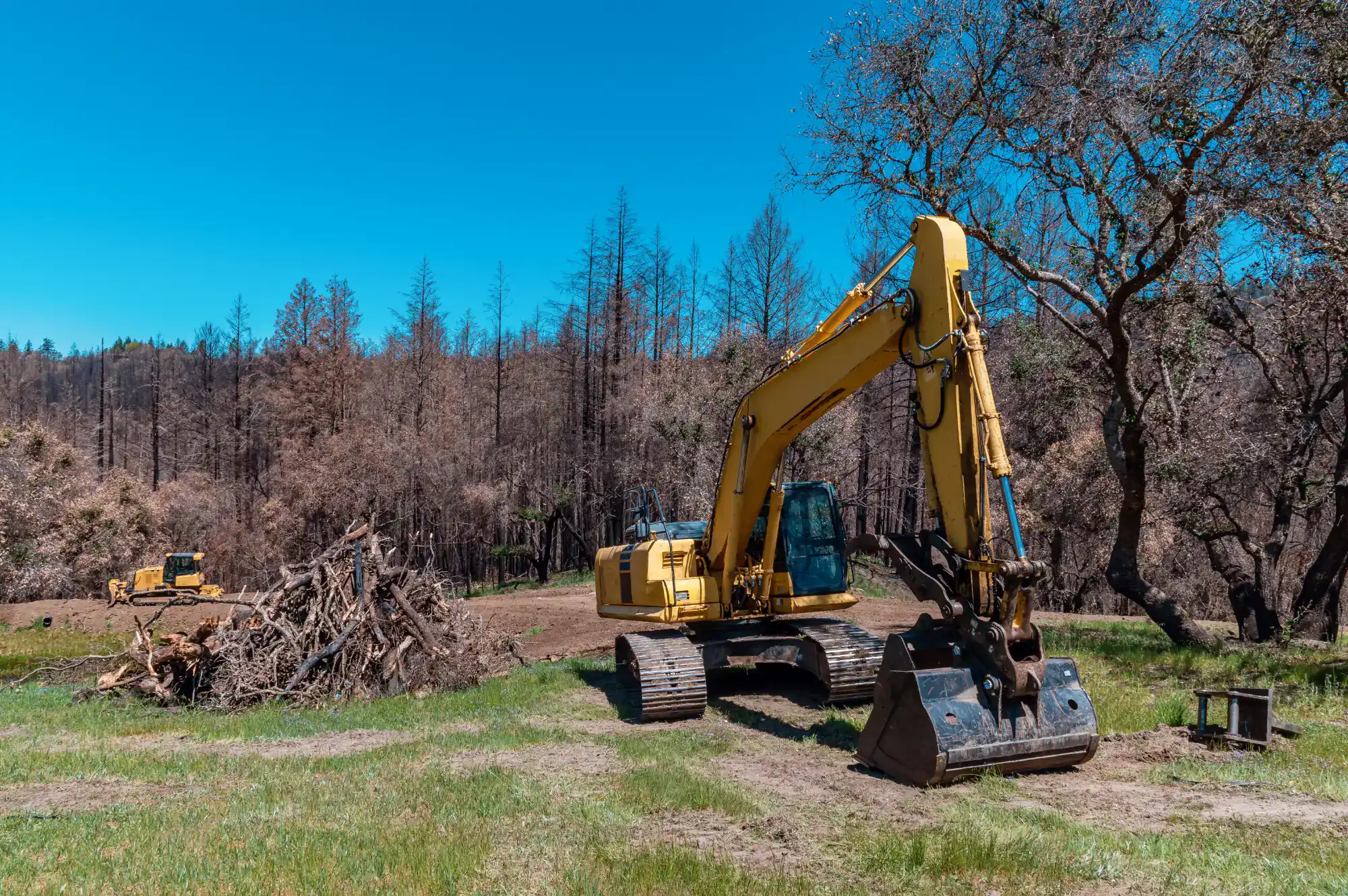
The right equipment makes all the difference when clearing rocky or clay soils in Saratoga County. Standard excavation equipment that works fine for easy terrain often can’t handle the specialized demands of challenging soil conditions.
Modern excavation fleets include multiple machine sizes and specialized attachments for different soil types. Larger excavators provide the power needed for rocky terrain, while smaller machines offer precision for finish work and areas with limited access.
GPS guidance technology eliminates guesswork and ensures accurate grading even in challenging conditions. This technology is particularly valuable when working around existing utilities or creating precise drainage slopes in clay soil areas.
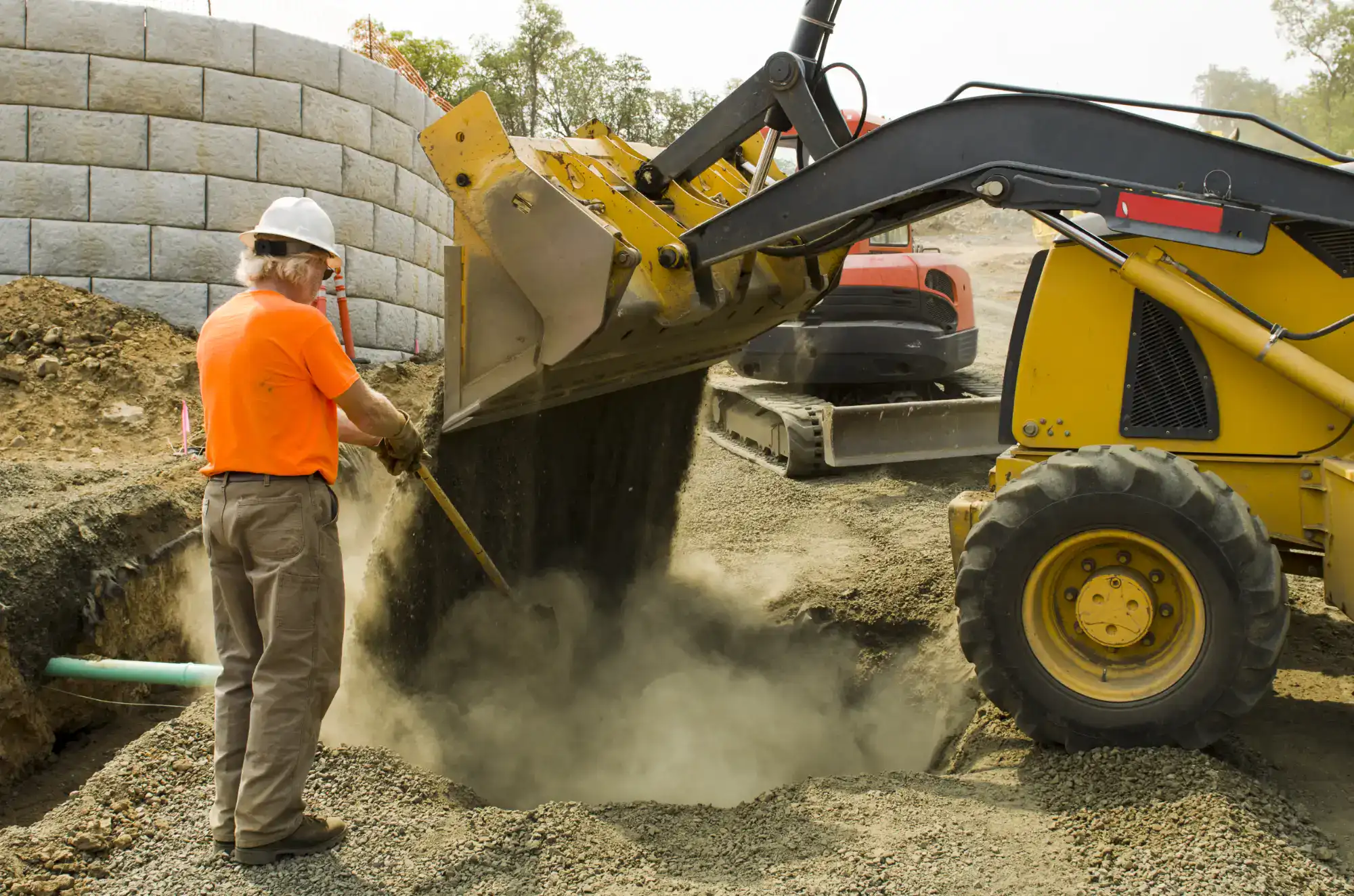
Rock teeth attachments transform standard excavator buckets into rock-breaking tools. These reinforced teeth can grab and break apart loose rock, small boulders, and compacted soil that would damage standard bucket teeth. For properties with scattered rocks, this equipment keeps the project moving efficiently.
Hydraulic hammers mount directly onto excavator arms, providing controlled breaking power for solid rock and extremely compacted clay. These tools can break through ledge rock that would stop standard equipment, but they require experienced operators who understand proper techniques and safety procedures.
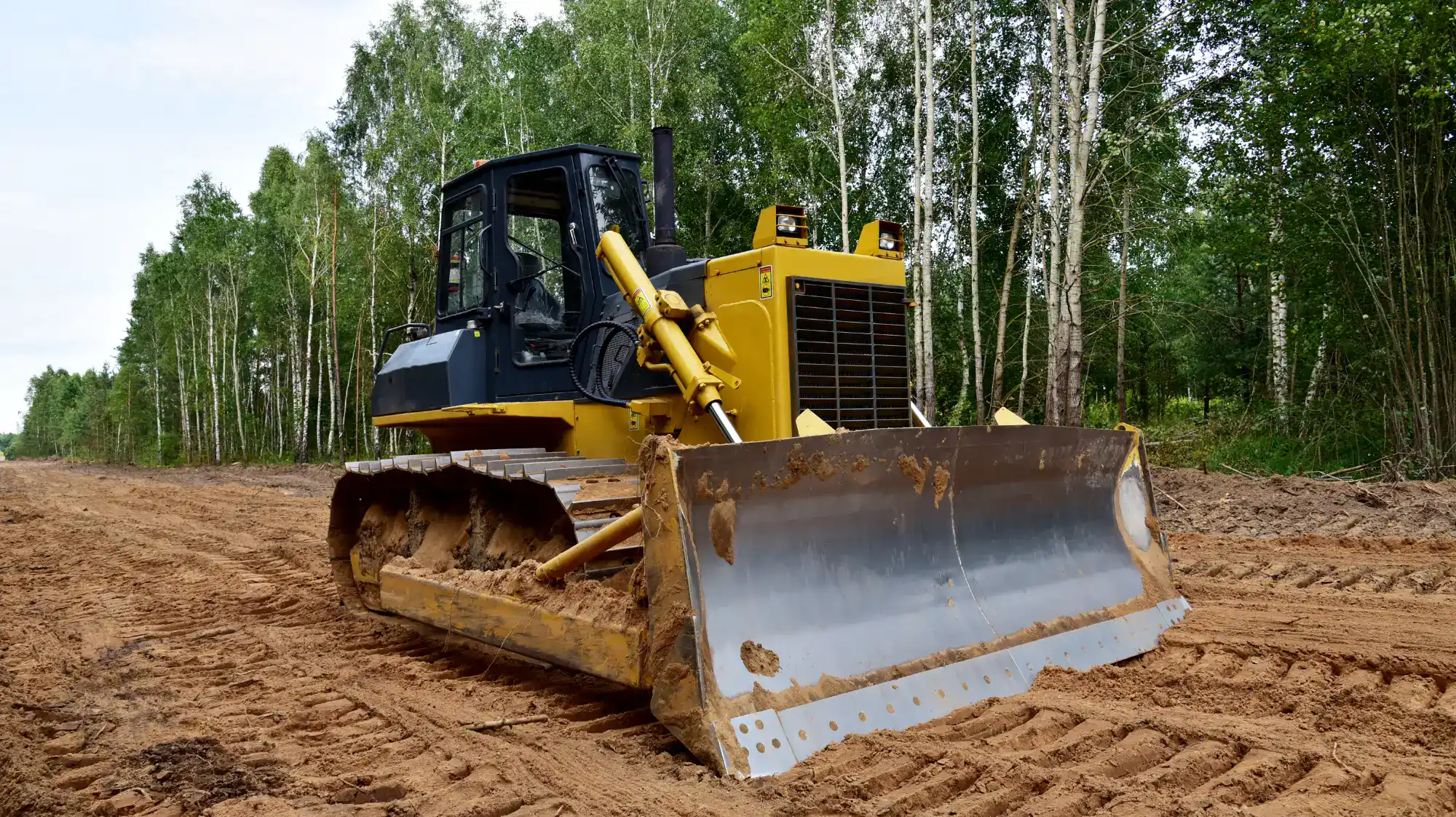
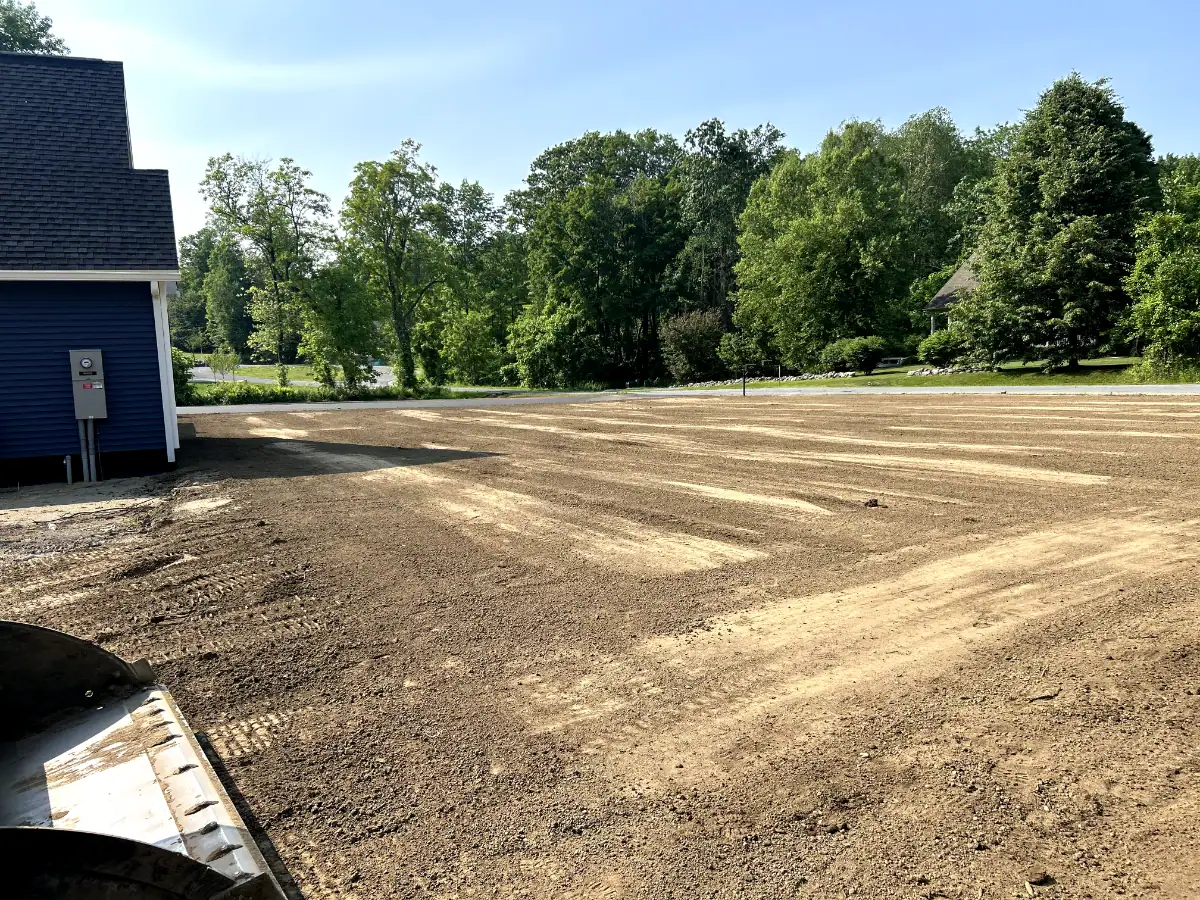
Specialized grading attachments create smooth, precise surfaces even in challenging soil conditions. These tools are particularly important for clay soil projects, where proper grading prevents future drainage problems. The attachments can also break up compacted clay and prepare it for proper compaction at the correct moisture content.
Compaction equipment designed for specific soil types ensures proper foundation support. Clay soil requires different compaction techniques than rocky or sandy soil. We match our compaction methods to soil conditions, creating stable building surfaces that support construction loads properly.
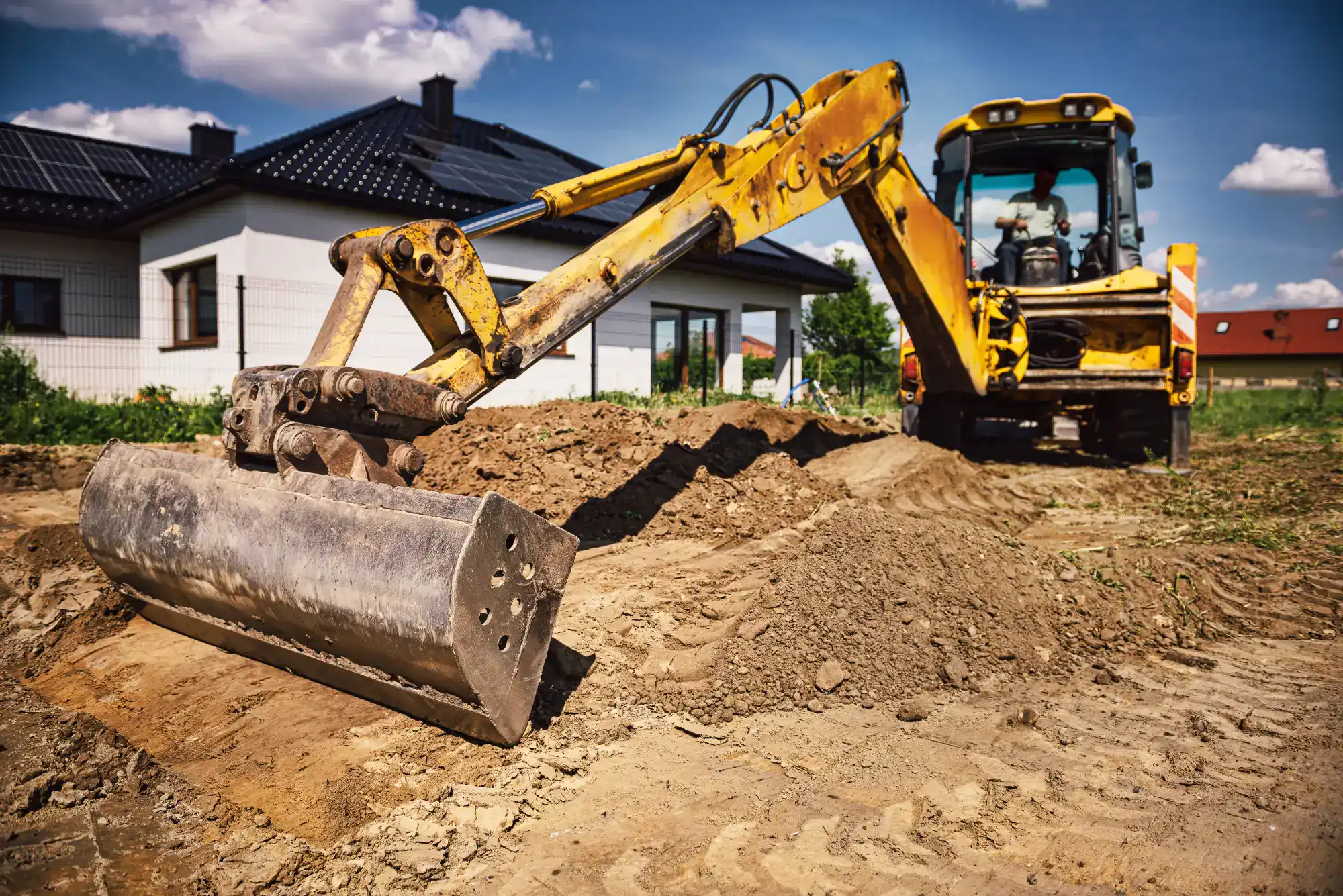
Drainage installation equipment becomes crucial for clay soil projects. This includes trenching attachments for drainage pipes, specialized backfill techniques, and equipment for installing drainage stone and fabric. Proper drainage installation during the clearing phase prevents expensive problems later.
Working with rocky and clay soils requires additional safety measures beyond standard land clearing protocols. Rocky terrain creates hazards from flying debris when breaking rock, while clay soil can create unstable working conditions when wet.
We establish safety zones around hydraulic hammer operations and ensure proper protective equipment for all workers. We also understand how weather conditions affect safety—particularly important with clay soil that becomes hazardous when wet.
Environmental protection takes on added importance with challenging terrain. Rocky areas often have unique drainage patterns that need preservation, while clay soil areas may require special erosion control measures during and after clearing.
Utility protection becomes more complex in rocky terrain where standard locating methods may not work effectively. We use multiple locating techniques and maintain larger safety margins around marked utilities when working in challenging soil conditions.
Proper debris management is crucial for both rocky and clay soil projects. Rock debris can often be reused for drainage applications or road base, while clay soil may need special handling depending on its composition and intended use. We plan debris management as part of the overall project strategy.
Seasonal timing affects both safety and environmental impact. Clay soil projects work best during specific moisture conditions, while rocky terrain clearing can often continue through various weather conditions. Understanding these timing considerations helps prevent delays and environmental damage.
Successfully clearing rocky or clay soils requires more than just showing up with a bulldozer. You need contractors who understand local soil conditions, have the right equipment for challenging terrain, and can adapt their methods to handle whatever your property presents.
Professional land clearing protects your investment by creating proper drainage, preventing future foundation problems, and ensuring your construction project starts on solid ground. The difference between rushed clearing and professional site preparation often shows up months later in the form of expensive repairs.
When you’re ready to move forward with your land clearing project in Saratoga County, choose contractors with proven experience handling challenging terrain. We bring decades of local expertise and the specialized equipment needed to handle rocky ledge, clay soils, and everything in between.
Article details:
Share:
Continue learning: