Foundation problems don't announce themselves—they develop slowly until your basement becomes a water-logged nightmare requiring expensive emergency repairs.
Share:
Summary:
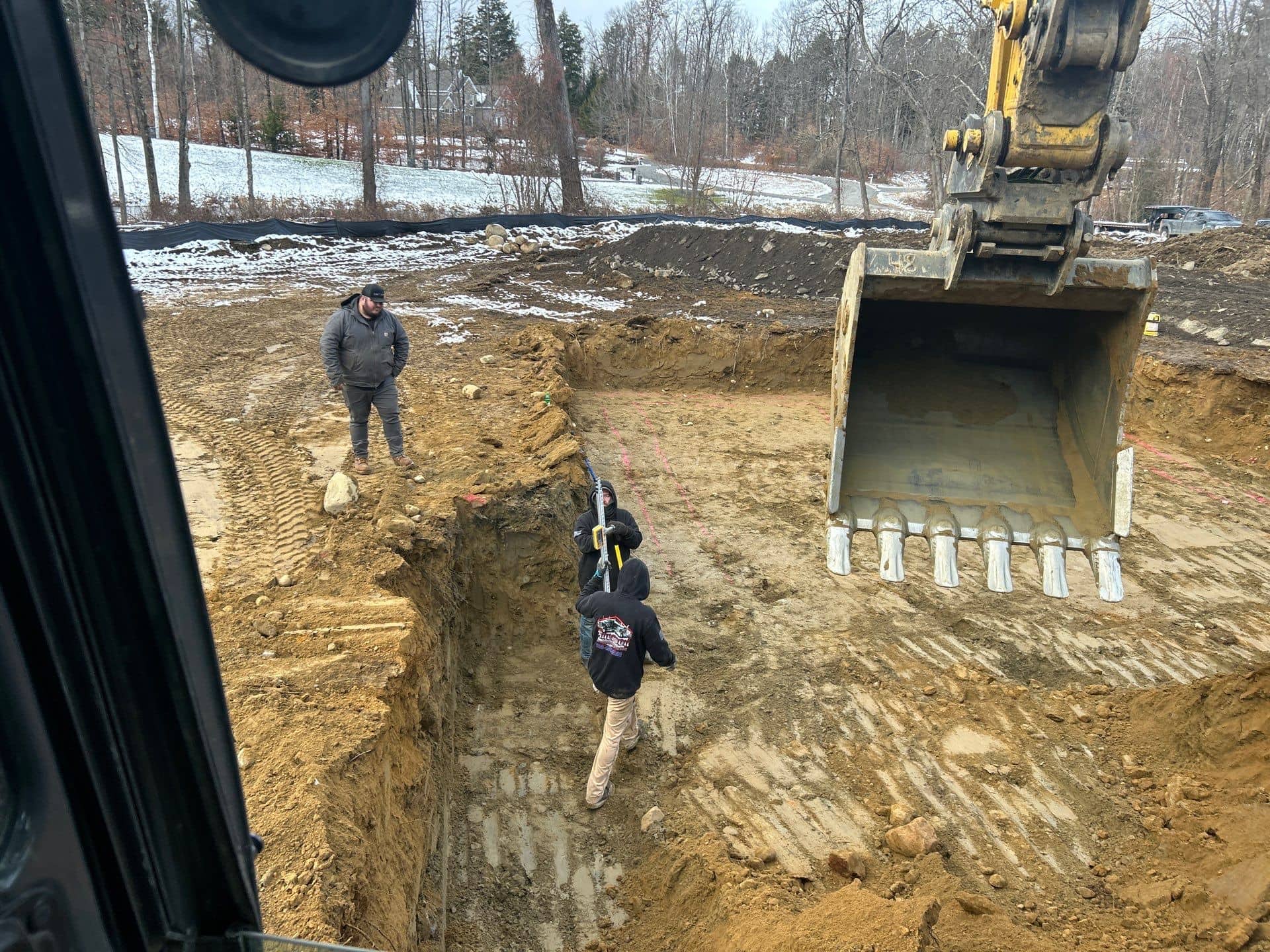
Most foundation disasters don’t happen overnight. They’re the result of shortcuts taken during the initial excavation and site preparation phase. When contractors rush through the excavation process or don’t properly account for local soil conditions, they’re essentially setting up your foundation for failure.
Proper preparation of a work site is the first step to guaranteeing that your project runs smoothly. By understanding and properly preparing the land that your building will sit on, you’ll be able to better prepare the foundation and structural supports of the building. This isn’t just construction theory—it’s the difference between a foundation that lasts decades and one that fails within years.
The excavation phase determines everything that follows. Poor grading can lead to water pooling around your foundation, inadequate drainage systems, and soil erosion that undermines your home’s structural integrity.
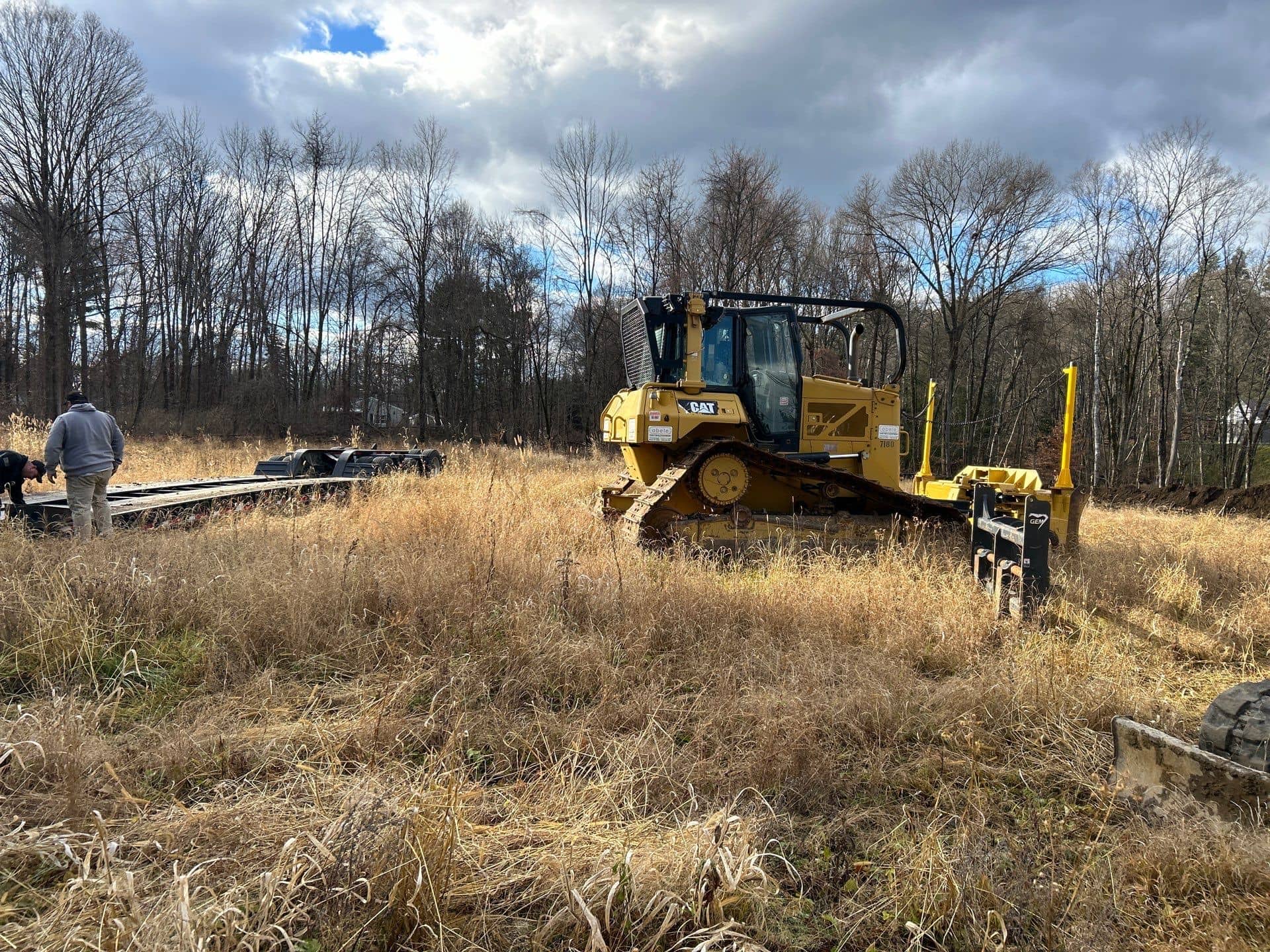
Living in Saratoga County means your foundation faces a unique challenge that many excavating contractors don’t fully understand. Spring in upstate New York is unpredictable, with below-freezing temperatures one day and warm sunny days the next. This creates a brutal freeze-thaw cycle that can destroy improperly excavated foundations.
Here’s what happens to your foundation during these temperature swings. When water melts, it can pool and go into the porous surface of the concrete walls and floors of your foundation. With a colder day, that same water will freeze and expand in those gaps. When this happens over and over again in a short period of time, small cracks can start to develop.
The problem compounds quickly. Small cracks over time grow into larger cracks, leaving space for water to navigate into places that can damage the foundation and bring moisture into your basement. What started as hairline cracks become major structural issues requiring extensive excavation and repair work.
Professional excavating contractors who understand local conditions know exactly how deep to dig for frost protection. When you pour concrete in Albany NY, you better be below the frost line. When the winters go through what’s called the thaw-freeze cycle, anything four feet and up to the ground will freeze and then when warmer thaw, this is the cycle that causes your newly built house to “settle”.
This is why choosing an excavating contractor with local expertise matters. We understand that proper excavation in Saratoga County isn’t just about digging—it’s about creating a foundation system that can withstand our specific climate challenges.
Wet basements are a constant source of worry for homeowners. And a flooded basement is a downright nightmare. Have you experienced pooling water on the basement floor or cracks in your foundation that appear to let water in? If so, you’re likely dealing with the aftermath of poor excavation work.
The financial impact goes far beyond just cleaning up water. A wet basement wastes valuable living space, damages building materials and stored possessions, pollutes the indoor air, and risks the health of those living in the home. You’re looking at potential mold remediation, structural repairs, and significant decreases in property value.
On average, Saratoga Springs homeowners spend about $3,169 on foundation repair. But that’s just the beginning. Ignoring water damage can lead to long-term consequences for your basement. Prolonged moisture exposure can deteriorate your home’s foundation and lead to costly repairs.
The connection between poor excavation and water problems is direct. When excavating contractors don’t properly address drainage during site preparation, water has nowhere to go except against your foundation. Your basement is not a dam. But when water pushes against your foundation, it is treating your home as if it is a dam. The pressure this water is exerting is called hydrostatic pressure—and it will damage your foundation.
This is exactly why proper excavation includes comprehensive drainage planning. It’s much cheaper to install proper drainage during the initial excavation phase than to retrofit it after water problems develop.
Want live answers?
Connect with a Emerson Excavating and Trucking expert for fast, friendly support.
Your foundation gives you warning signs before it fails completely. The key is recognizing these indicators before they become major structural problems requiring extensive excavation and repair work.
To effectively spot signs of water damage, start by looking for visible moisture. This could be water pooling under your home, especially in basements or crawl spaces. Check for damp spots on walls or floors, which may indicate seepage.
But there are subtler signs that suggest excavation problems are developing. You might notice doors that stick, windows that won’t open properly, or small cracks appearing in interior walls. These seemingly minor issues often indicate that your foundation is shifting due to poor drainage or inadequate excavation work.
The most obvious signs include cracks in foundation walls, but understanding what these cracks mean can help you determine whether you need an excavating contractor or just a simple repair.

Not all foundation cracks are created equal, and understanding the difference can save you thousands in unnecessary repairs. Cracks in your foundation can be a red flag for water damage. As water infiltrates the soil around your home, it can exert pressure on the foundation walls, causing them to crack.
Hydrostatic pressure creates long horizontal cracks in basement walls. Sometimes, you will see a zig-zag type of crack in a wall that is made of concrete block instead of (or in addition to) the horizontal crack. These specific crack patterns tell a story about what’s happening underground.
When you see horizontal cracks or walls that appear to be bowing inward, you’re not looking at a simple crack repair job. Hydrostatic pressure has created a long horizontal crack in the foundation, and now the wall is bowing inward. This indicates that water is building up around your foundation because the original excavation didn’t include proper drainage solutions.
Unfortunately, ignoring problems with your foundation like cracks and leaks can lead to dangerous structural damage in your home. Over time, wet and cracked basement walls can warp and even fail, placing you, your family, and your home at risk.
The solution often requires excavation work around the foundation to install proper drainage systems, waterproofing, and sometimes even underpinning to restore structural integrity. This is why working with an excavating contractor who understands foundation systems is crucial—we can address both the immediate problem and the underlying excavation issues that caused it.
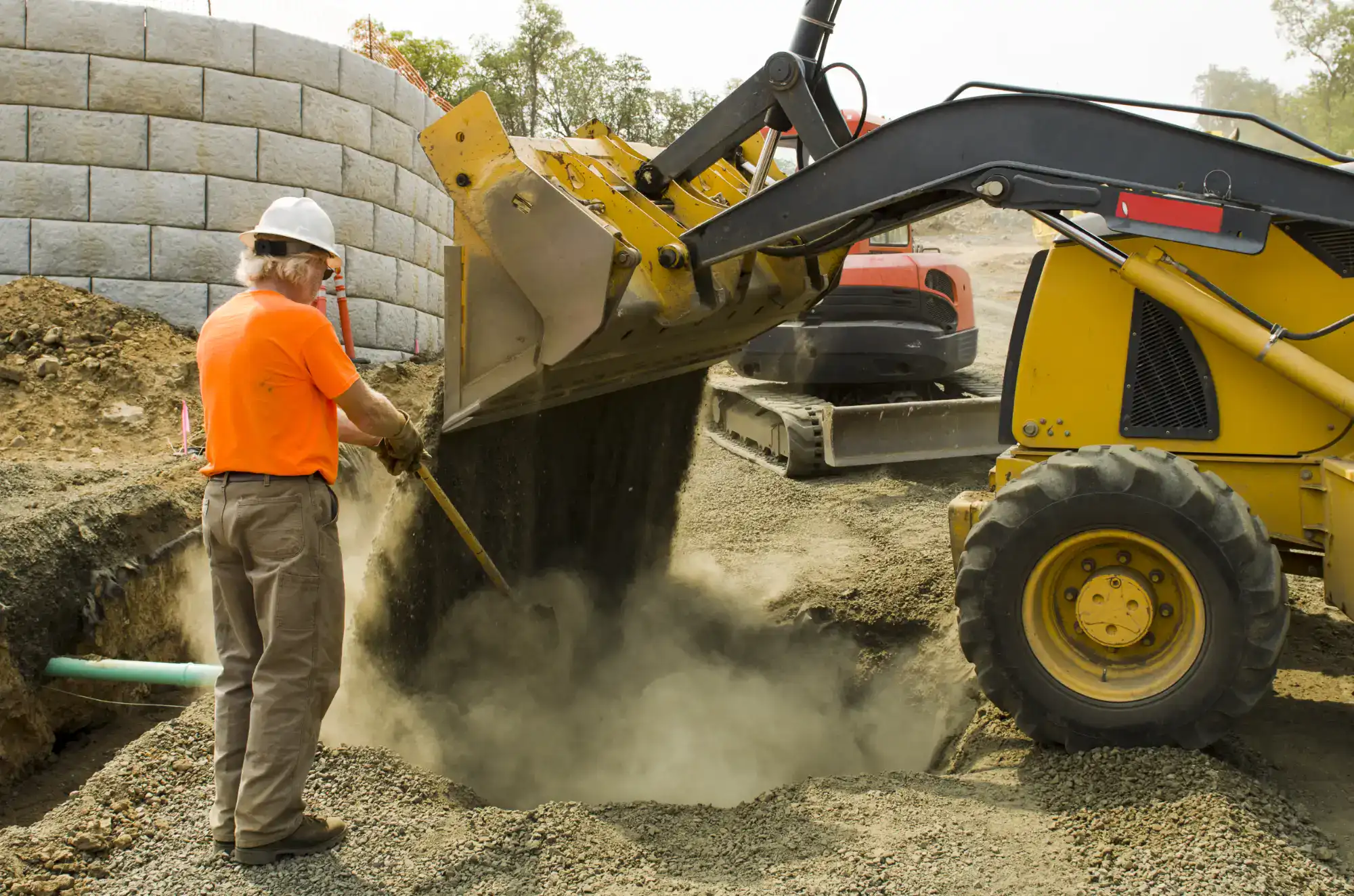
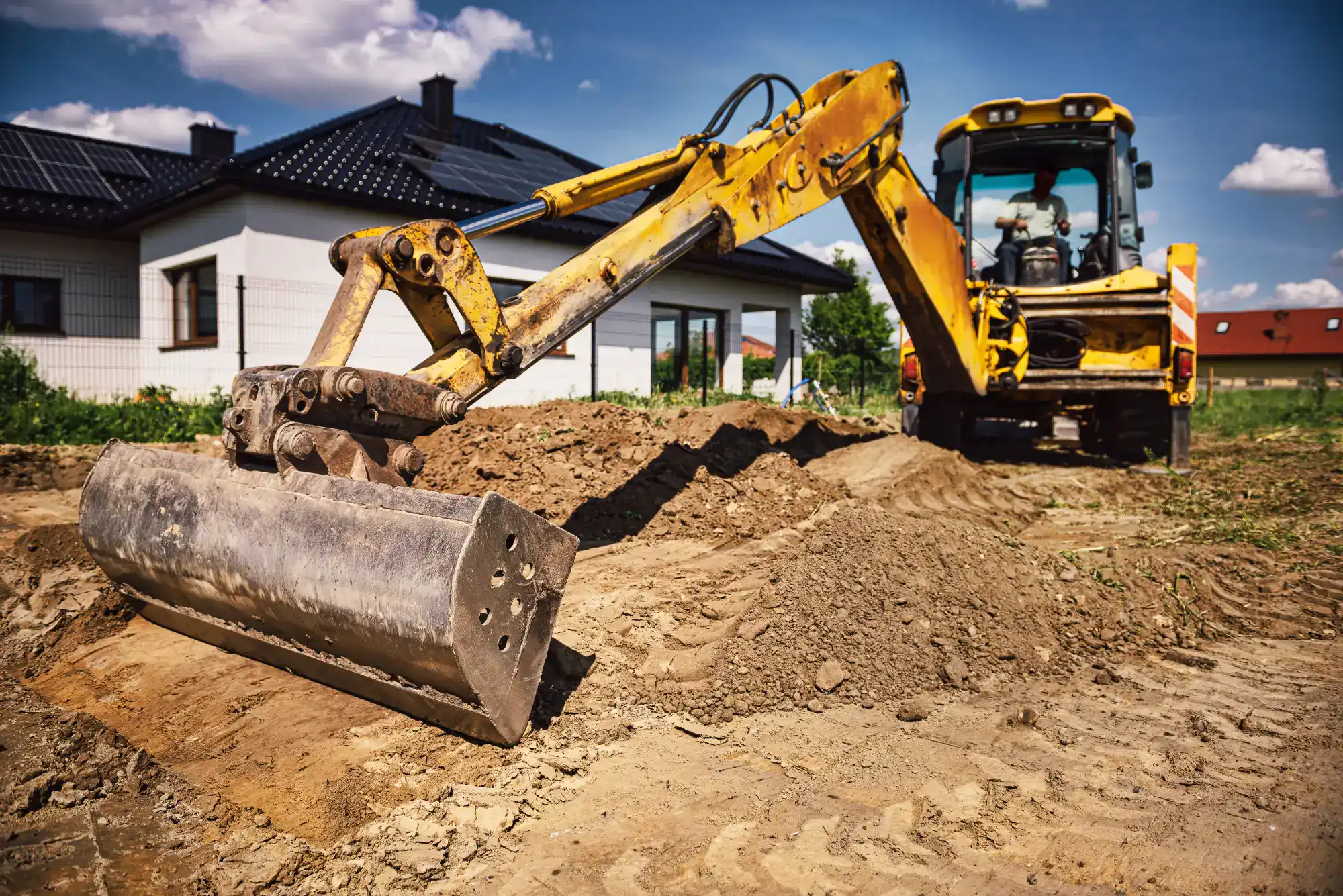
Professional excavation goes far beyond just digging holes. It’s about understanding soil conditions, drainage patterns, and how to prepare a site that will protect your foundation for decades. It’s beneficial to have a soil test conducted to inform the foundation design. Homeowners should also discuss their budget, timeline, and any concerns with the construction company beforehand to ensure clear communication throughout the project.
The difference between amateur and professional excavation work becomes apparent years later. When the foundation of your large exterior project requires a professional excavation contractor that has the equipment and experience to get the job done right the first time, you need experienced professionals. Unlike other excavation businesses, we have our own equipment—and that means we have the resources and expertise you need to manage jobs big and small.
This same principle applies to any excavating contractor you choose. Professional excavating contractors understand the importance of proper backfilling, compaction, and grading. These seemingly minor details make the difference between a foundation that lasts and one that fails.
We know how to work with local soil conditions, how to handle groundwater issues, and how to create drainage systems that actually work. The work starts with a site inspection of your property and identifying any flaws or potential problems related to the flow of water. If needed, our professionals can excavate for ponds, or dig trenches to assist with the flow of water around the property to avoid damage to the structures themselves.
This comprehensive approach to excavation is what separates foundation protection from foundation disaster. When you invest in professional excavation work, you’re not just fixing today’s problems—you’re preventing tomorrow’s catastrophes.
Your foundation is literally the base of your most valuable investment. Identifying the signs of water damage to your foundation is essential for maintaining the structural integrity of your home. If you notice any of the above-mentioned signs, it’s crucial to consult with a professional foundation contractor to assess the extent of the damage and determine the appropriate course of action. Remember, early detection and timely repairs can save you from costly and extensive repairs in the long run.
The reality is that foundation problems in Saratoga County aren’t a matter of if, but when—unless you take proactive steps to protect your investment. Proper excavation and drainage work during construction or renovation can prevent the majority of foundation issues that plague homeowners in our region.
Whether you’re dealing with existing foundation problems or planning new construction, working with experienced excavating contractors who understand local conditions is essential. Don’t let your foundation become another casualty of poor excavation practices. Contact Emerson Excavating and Trucking to discuss how proper excavation can protect your foundation and your investment for years to come.
Article details:
Share:
Continue learning: