Expert land clearing services for new home construction and development projects throughout Saratoga County and surrounding areas.
Share:
Summary:
Land clearing isn’t just about pushing over trees and calling it done. Real land clearing involves understanding what your property needs to support whatever you’re building on it.
Every property in Saratoga, Washington, and Warren Counties has unique challenges. Rocky terrain near the foothills. Clay soil that holds water. Areas where drainage requires extra attention. We evaluate these conditions before moving any dirt.
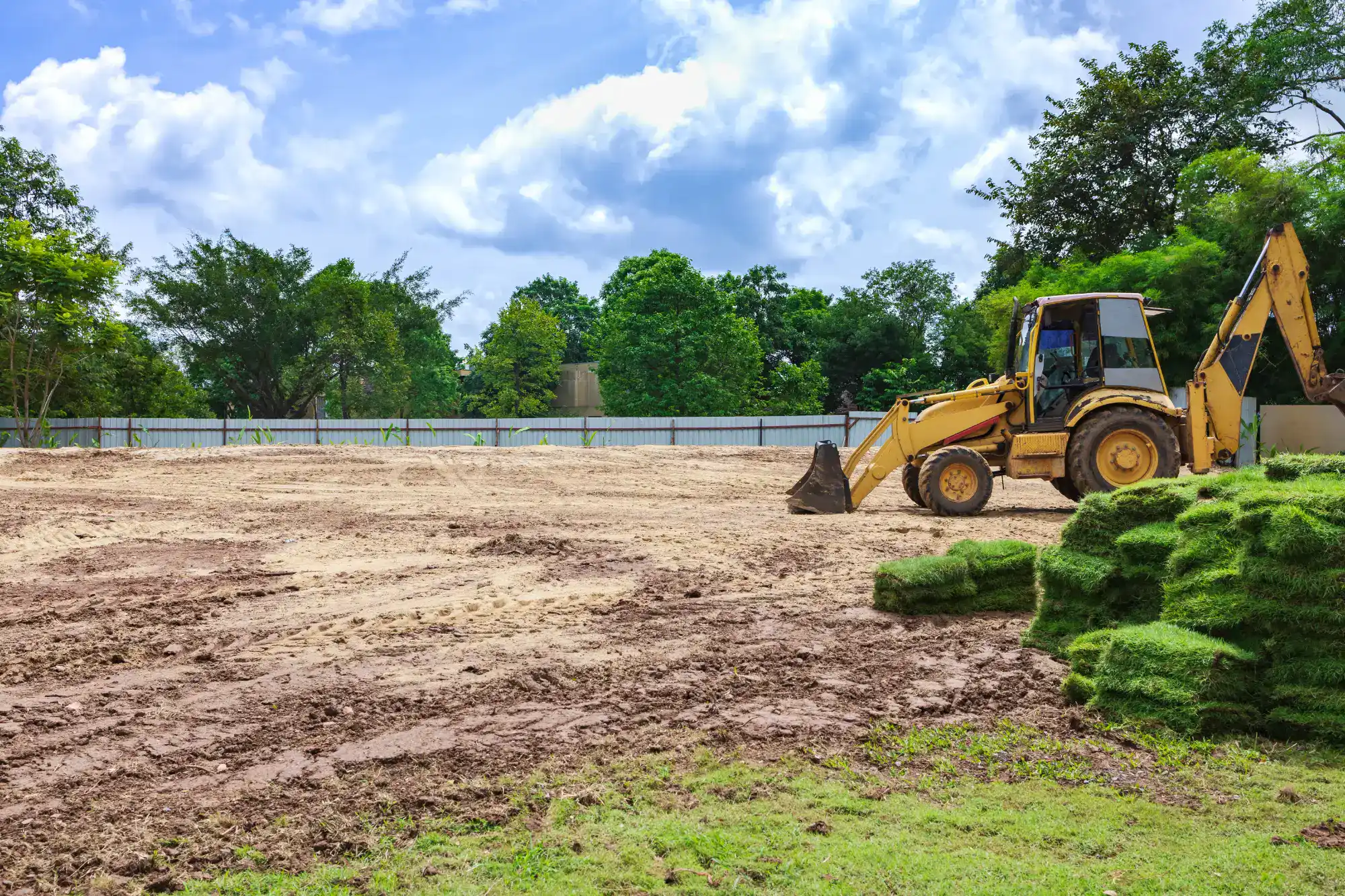
The process starts with walking your property to identify what stays, what goes, and potential issues before we start. Then we handle the complete clearing process from vegetation removal through final grading, so your construction team starts with a properly prepared foundation.
Think of clearing as making your lot empty. Site preparation makes it construction-ready. There’s a big difference, and it shows up months later when your foundation stays level and water drains properly.
Proper slope management ensures water moves away from your building areas. Soil preparation creates stable ground that supports construction loads without settling. Careful attention to existing utilities prevent the kind of damage that stops projects cold and costs thousands to repair.
We approach every project thinking about the final result. That means understanding how your specific soil type behaves, where water naturally wants to flow, and how to prepare the ground so it supports your building plans for decades.
The difference between basic clearing and proper site preparation becomes obvious when other contractors show up. They can start work immediately instead of dealing with problems that should have been addressed during the initial clearing phase.
Most residential projects are completed within a few days to a week, depending on size and conditions. We provide realistic timelines upfront and stick to them because we understand how clearing delays affect every other part of your construction schedule.
Saratoga County soil isn’t uniform. We know the rocky patches near the foothills, the clay that holds water, and the areas where you need extra attention to drainage. This local knowledge matters when you’re trusting someone with ground that’s important to you.
Clay soils common in parts of our area require different grading approaches than sandy or rocky ground. Water moves differently through each soil type, which affects how we slope your building areas and where we direct runoff.
Rocky terrain presents its own challenges. Sometimes we can work around large rocks and incorporate them into your final grade. Other times they need removal to create level building areas. We evaluate these conditions during our initial site visit and explain your options.
Wetland considerations affect many properties in our three-county area. We’re familiar with local regulations and can guide you through environmental requirements that might affect your clearing timeline.
Seasonal factors also play a role. Spring clearing often reveals drainage patterns that weren’t obvious during drier months. Fall clearing needs to account for how spring runoff will behave. We factor these considerations into our planning so your site performs well year-round.
The goal is creating a site that supports your building plans while working with natural water flow patterns. Fight against natural drainage and you’ll deal with problems later. Work with it and your property performs better long-term.
Want live answers?
Connect with a Emerson Excavating and Trucking expert for fast, friendly support.
New home construction requires more than land clearing. You need complete site preparation that coordinates with your building timeline and supports your foundation requirements.
We handle everything from initial tree removal through final grading. Foundation excavation, utility trenching, driveway preparation, and septic system installation. No subcontractors, no coordination headaches for you.
Our equipment is sized right for your job. Not too big that it damages areas you want to preserve. Not too small that the work takes longer than necessary. Just right for efficient clearing that protects your property while meeting your timeline.
Your foundation is only as good as the ground it sits on. That’s why foundation excavation requires understanding both your building plans and local soil conditions.
We work from your foundation plans to create excavation that matches your exact specifications. Proper depth, correct dimensions, and slopes that direct water away from your foundation walls. The goal is creating conditions that support your foundation for decades.
Soil compaction around foundation areas needs careful attention. Too much compaction and you risk damaging underground utilities. Too little and you get settling that affects your foundation later. We use the right equipment and techniques to achieve proper compaction without creating problems.
Backfill material matters too. We can often use material from your excavation for backfill, which saves on material costs. When imported material is needed, we source appropriate fill that compacts well and drains properly.
Grading around your foundation creates the first line of defense against water problems. We establish proper slopes during excavation so final grading naturally directs water away from your building. This prevents the basement water issues that plague homes where this step was done incorrectly.
Foundation excavation timing coordinates with your construction schedule. We complete excavation when your foundation contractor is ready to start, so you’re not dealing with an open hole that creates safety concerns or fills with water during weather delays.
Septic system installation requires understanding both your household needs and local soil conditions. We handle complete septic installation from excavation through final inspection, coordinating with local health departments to ensure compliance.
Soil testing determines what type of septic system works best for your property. Sandy soils drain differently than clay, which affects system design and installation requirements. We work with septic designers to create systems that function properly for your specific conditions.
Utility trenching for water, electric, and gas lines requires careful planning. Lines need proper depth for frost protection, appropriate separation distances, and routes that don’t interfere with your landscaping plans or future property improvements.
We mark all existing utilities before starting any excavation work. This prevents the expensive damage and delays that happen when underground lines get hit. Utility companies require advance notice for marking, which we coordinate as part of our project planning.
Driveway preparation involves more than just clearing a path. Proper base preparation, drainage considerations, and grades that work for both daily use and emergency vehicle access. We prepare driveways that perform well long-term, not just look good initially.
Access planning considers both construction needs and long-term use. Construction vehicles need different access than daily traffic. We plan routes that minimize damage to areas you want to preserve while providing the access your contractors need to complete their work efficiently.
The difference between basic clearing and professional site preparation shows up in every phase of your construction project. Proper drainage prevents foundation problems. Correct grading eliminates settling issues. Protected utilities avoid expensive delays.
You get one chance to prepare your site correctly. Choose contractors who understand what happens after the trees come down and who have the local knowledge to handle Saratoga County’s unique soil and drainage challenges.
We’ve been preparing construction sites since 1997. We’re the family business where the owner is present on almost every job, ensuring your land clearing project gets the attention it deserves and sets your construction project up for success.
Article details:
Share:
Continue learning: