Landscape Design Saratoga County NY

Outdoor Spaces That Actually Increase Property Value

Professional landscape design with stone installation and custom flower beds built to last through upstate New York winters. Every project gets owner oversight to ensure your investment pays off.

How We Build Different

Owner On Every Job

Josh oversees almost every project personally. That means quality checks happen in real time, not after problems show up.

Excavation Background Matters

We’ve prepped sites since 1997. That foundation knowledge means your stone beds drain right and settle properly from day one.

Transparent Pricing Always

Clear estimates before work begins. No hidden fees, no surprise charges. You know exactly what you’re paying for upfront.

Professional Landscape Design Services

More Than Pretty—Built to Perform

Landscape design isn’t just about picking plants and placing stones. It’s about understanding how water moves across your property, where soil settles, and what actually survives a Saratoga County winter. We integrate stone elements and custom garden beds with proper site grading and drainage—because a beautiful yard that floods every spring isn’t beautiful for long. Your property should look intentional. Clean lines between lawn and beds. Stone edging that keeps mulch where it belongs. Flower beds with enough depth to support healthy root systems. These details separate professional installations from weekend projects that need redoing in two years. We’ve been working with land since 1997. That experience shows up in how we prep the ground before the first stone goes down.

Landscape Design Benefits Saratoga County

What You Actually Get

Professional landscape design delivers measurable returns—from property value increases to time you stop spending on yard maintenance every weekend.

Your home value increases by 10 to 20 percent with well-designed landscaping that includes mature plants and sophisticated layout.
Grass stops creeping into your flower beds because stone edging creates an actual barrier, not just a visual suggestion.
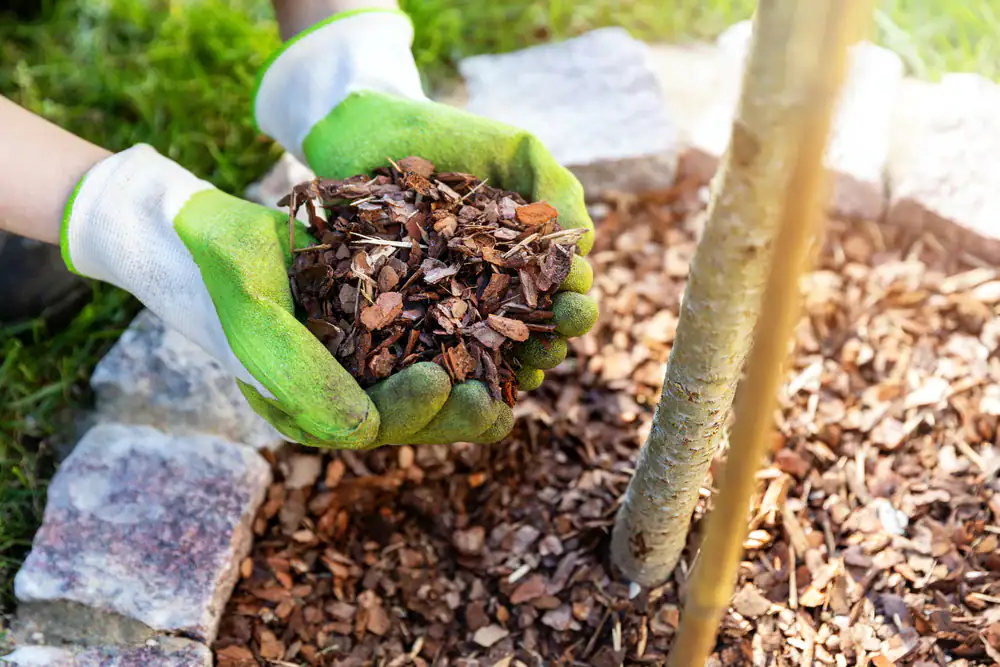
Mulch stays in the beds even after heavy rain, so you’re not raking it off your lawn every storm.
Mowing becomes faster and cleaner with defined edges that eliminate the need for constant string trimming along bed lines.
Drainage issues get solved during installation because we understand how to grade and direct water away from problem areas.
Your outdoor space becomes usable living area with thoughtful hardscaping that extends where you can entertain and relax.
A bold white number "1" is centered on a solid black circular background, ideal for representing top-rated NY excavating contractors Saratoga County.

Share project details

Call us or get a free online quote to help us identify your project needs.

A bold white number 2 is centered inside a solid black circle on a plain background, reminiscent of the strong branding often used by leading excavating contractors in Saratoga County, NY.

We'll follow up

If you requested an online quote, you can expect a callback within 24-48 hours of your request.

A bold white number 3 centered inside a solid black circle on a plain background, perfect for representing top excavating contractors Saratoga County, NY.

The floor is yours

Connect with an expert and share all project specifics.

A bold white number 4 centered on a solid black circular background, representing top-rated excavating contractors in Saratoga County, NY.

Plan your project

Like what you hear? We'll provide next steps and expert guidance.
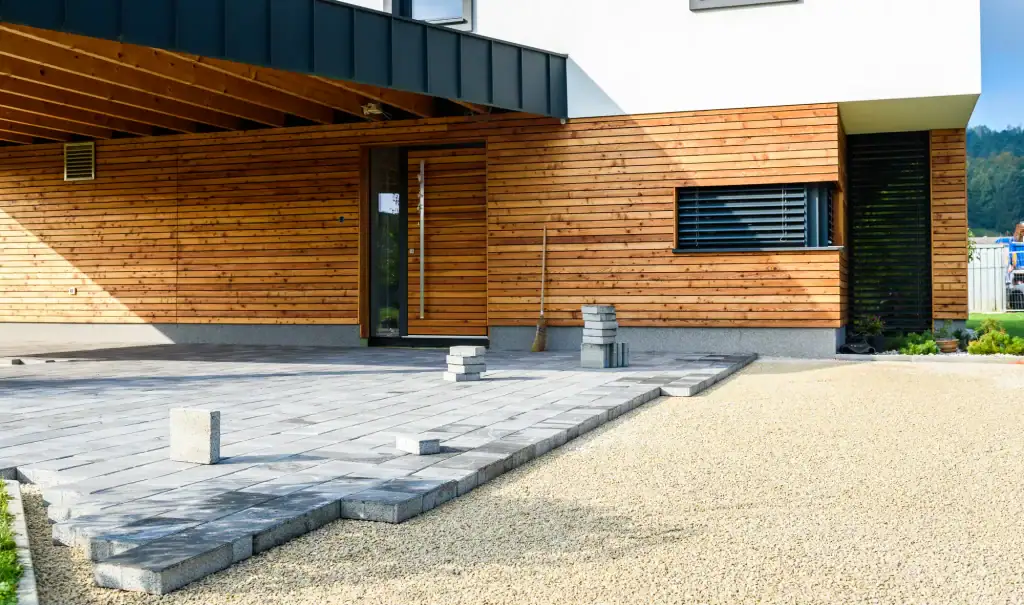
The exterior of a modern home featuring wooden slat siding and a deep carport is shown, with a partially completed grey paver driveway extending onto a bed of light gravel.

Stone Installation & Hardscaping

Stone Work That Holds Up

Stone bed installation and flower bed borders need proper foundation work. Not just trenching to the right depth—though that matters. It’s about compacting base material, accounting for drainage, and selecting stone that can handle freeze-thaw cycles without cracking or shifting. We see plenty of stone edging jobs that look great in July and terrible by March. Plastic edging pops out of frozen ground. Improperly set stone shifts when soil settles. Beds without adequate depth can’t support healthy plant growth. Our excavation background means we prep sites correctly before installation begins. The base gets compacted. Grades get checked. Drainage patterns get considered. That’s the difference between stone work that lasts decades and stone work that needs fixing in three years. Natural stone, when installed right, complements any property style—from historic homes in Saratoga Springs to new construction in Warren County. It’s not about following trends. It’s about creating definition and structure that improves how your entire property reads from the street.

Custom Flower Bed Design

Beds Built for Growth

Flower bed installation starts with understanding what you’re trying to grow and where water naturally flows on your property. Beds placed in low spots without drainage solutions become swamps. Shallow beds dry out too fast in summer heat. Beds without proper edging turn into maintenance headaches. We design flower beds with adequate soil depth for root development. Stone borders that contain mulch and block grass runners. Layouts that account for mature plant size so beds don’t look overcrowded in two seasons or sparse at installation. The goal is outdoor spaces that look intentional and require reasonable maintenance—not constant intervention. That means selecting bed locations that make sense for sun exposure and water access. Using stone elements that create visual interest while serving functional purposes. Building beds that can handle seasonal changes without falling apart. Your landscape should improve your property value and your quality of life. Both matter. Professional design delivers both when executed with attention to site conditions and long-term performance.

Landscape Design Process

From Site Visit to Finished Install

01

Property Assessment

We walk your property to understand drainage patterns, sun exposure, soil conditions, and how you want to use the space.

02

Design & Estimate

You get a clear plan with material specifications and transparent pricing. No hidden fees or surprise charges after work begins.

03

Installation & Oversight

Josh oversees installation to ensure proper grading, stone placement, and bed preparation. Quality checks happen during the work, not after.

Frequently Asked Questions

Explore our FAQ section to quickly find helpful information about our services, pricing, scheduling, and more.

How much does professional landscape design actually increase property value?
Research consistently shows that well-designed landscaping increases home value by 10 to 20 percent. For a $300,000 home, that’s $30,000 to $60,000 in added value. The key factors are design sophistication—meaning thoughtful layout with curves and focal points, not just foundation plantings—and plant maturity. Stone elements like edging, walkways, and flower bed borders also contribute because they signal professional installation and low future maintenance. The return on investment typically ranges from 100 to 200 percent for quality landscape work. That said, poor landscaping can actually decrease property value by up to 10 percent, which is why proper installation matters. Buyers notice when beds drain poorly, when stone work has shifted, or when the layout looks haphazard. Professional design avoids those value killers.
Dry-stacked stone means placing stones directly against each other in a trench without mortar or adhesive. It’s more cost-effective and easier to adjust if ground settles, which happens frequently in areas with freeze-thaw cycles like Saratoga County. The downside is stones can shift and grass can penetrate between gaps. Mortared stone uses cement mixture to bond stones together, creating a solid barrier that completely prevents grass encroachment. It requires a concrete base to prevent cracking when ground shifts, which adds cost but provides long-term stability. For walls over 12 inches high, mortared installation with proper concrete footing is recommended. For single-row edging, dry-stacking often performs well if installed with proper base preparation. The choice depends on your budget, desired permanence, and how much grass pressure the border will face. We’ll walk you through both options based on your specific site conditions.
Most perennials and shrubs need at least 12 to 18 inches of quality soil depth for healthy root development. Shallow beds—6 inches or less—dry out too quickly in summer and limit root growth, which stunts plants and increases maintenance. Trees and larger shrubs need even more depth, often 24 inches or more. Beyond depth, soil quality matters tremendously. We typically use a combination of topsoil and compost to create nutrient-rich environments that support growth. Drainage is equally critical—even deep beds fail if water pools and drowns roots. That’s why we assess your property’s natural drainage patterns before designing bed locations. Beds in low spots need drainage solutions built in. Sloped areas might need retaining elements to prevent soil erosion. The goal is creating beds that support plant health with reasonable watering and feeding, not constant intervention to keep struggling plants alive in poorly designed spaces.
Stone edging significantly reduces grass encroachment, but effectiveness depends on installation depth and method. Grass spreads through underground runners called rhizomes that typically grow 3 to 4 inches below the soil surface. To truly block grass, stone edging needs to extend at least 4 to 6 inches deep—preferably deeper. Single-row stone placed in a shallow trench will slow grass but won’t stop determined runners completely. Mortared stone on a concrete base creates an impenetrable barrier, which is why it’s preferred for beds where grass pressure is high. Even with proper installation, some maintenance is needed. Grass seeds can blow into beds and germinate on top of mulch. But you’ll eliminate the constant battle of grass creeping in from the sides, which is where most encroachment happens. The time savings on edging and trimming alone makes proper stone installation worthwhile. You’ll spend weekends enjoying your yard instead of fighting grass invasions.
Drainage is addressed during site assessment before any installation begins. We look at how water currently moves across your property—where it pools, which direction it flows, and where it exits. Stone beds and hardscaping can alter these patterns, so we plan accordingly. For flower beds, we ensure they’re not placed in natural low spots unless we build in drainage solutions like French drains or dry wells. Mortared stone walls need weeping holes to let water escape from beds rather than building pressure behind the wall. Hardscaping like patios and walkways requires proper base preparation with compacted gravel and sand layers that allow water to percolate through rather than pooling on the surface. We also ensure proper slope—typically 2 percent grade—to direct water away from foundations and toward appropriate drainage areas. Our excavation background means we understand soil composition and water movement at a level most landscapers don’t. That knowledge prevents the drainage disasters we see from installations done without site work expertise.
Natural stone like granite, bluestone, and limestone performs well in freeze-thaw cycles common to Saratoga, Warren, and Washington Counties. These materials are dense enough to resist water absorption that causes cracking when moisture freezes and expands. Manufactured concrete stone can also work if it’s rated for freeze-thaw durability—check specifications before purchasing. Avoid porous stone that absorbs water readily, as it will crack and deteriorate within a few winters. For edging, chopped stone provides uniform sizes that stack well and create clean lines. Natural boulders offer a more rustic aesthetic and are virtually indestructible but can be harder to work with for formal designs. The key is proper installation regardless of material choice. Even the most durable stone will fail if it’s not set on an adequate base or if drainage isn’t addressed. We source materials locally when possible, which reduces costs and ensures stones are already proven in our climate. Regional stone suppliers understand what performs in upstate New York conditions better than big-box stores carrying materials meant for different climates.