
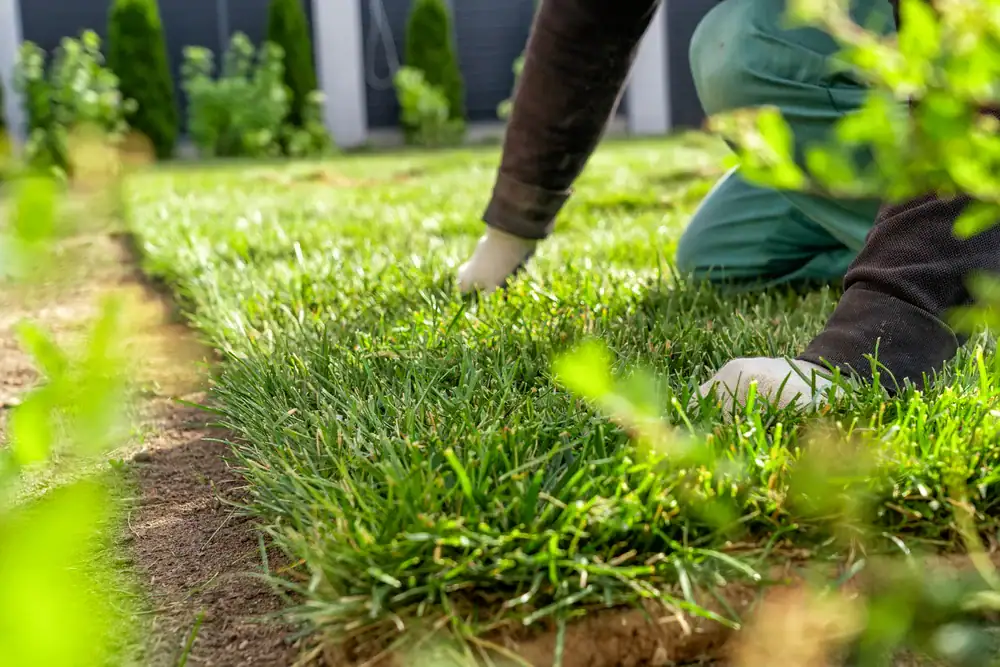
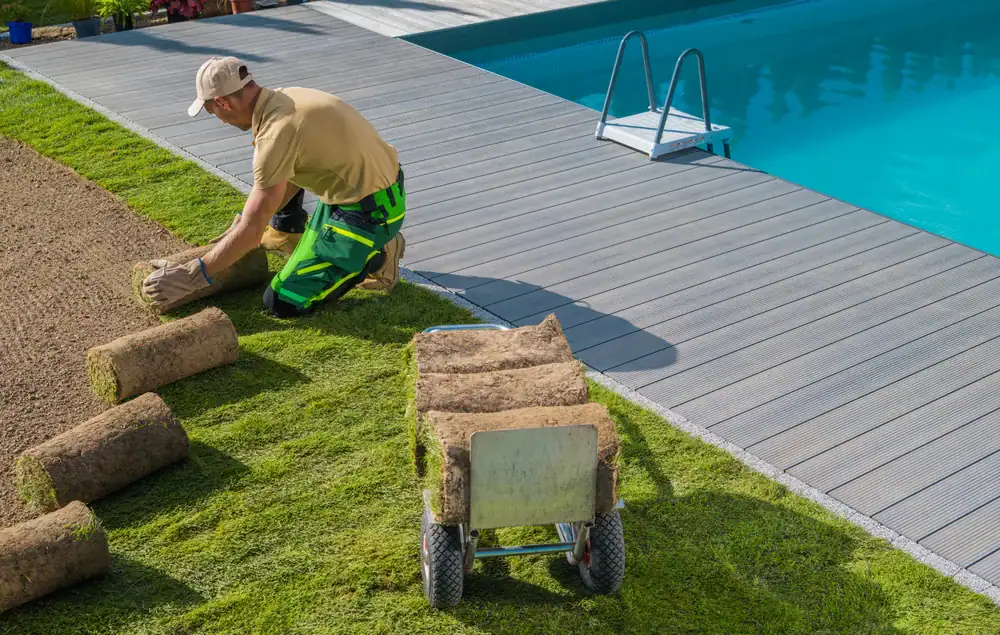
You’re not just getting grass rolled out. You’re getting proper site preparation, grading that prevents water pooling in your backyard, and soil work that actually supports healthy root growth in Saratoga’s clay-heavy ground.
Most DIY lawn projects fail because the prep work gets skipped. You end up with uneven ground, drainage problems, or sod that dies off in patches by mid-summer. Professional lawn installation in Saratoga means the site gets cleared, graded, and prepped correctly before any sod goes down.
The result is a lawn that looks good immediately and stays that way. No mud pits after spring rain. No dead zones by July. Just a yard you can actually use without wondering if you should have hired someone from the start.
We started as a logging operation and moved into full-time excavation and site work in 2020. That means we understand land—how it drains, how it settles, what it needs before you can build or plant on it.
Josh is on almost every job. Not because we’re small and stretched thin, but because quality control matters when you’re working with someone’s property. You’re not getting a rotating crew that doesn’t know your yard or your timeline.
We work across Saratoga County with homeowners who are building new homes, fixing up older properties, or just tired of looking at a yard that never came together right. If you need a lawn that works with Saratoga’s soil and weather, not against it, we can handle that.
First, we assess your site. That means looking at drainage, soil quality, grading issues, and any areas that need fill or leveling before sod can go down. If your yard slopes toward your foundation or holds water in low spots, we fix that first.
Next comes site prep. We clear out old grass, weeds, rocks, and debris. Then we grade the area so water moves away from your home and doesn’t pool anywhere in your yard. If your soil needs amendment or additional topsoil, we bring that in and spread it evenly.
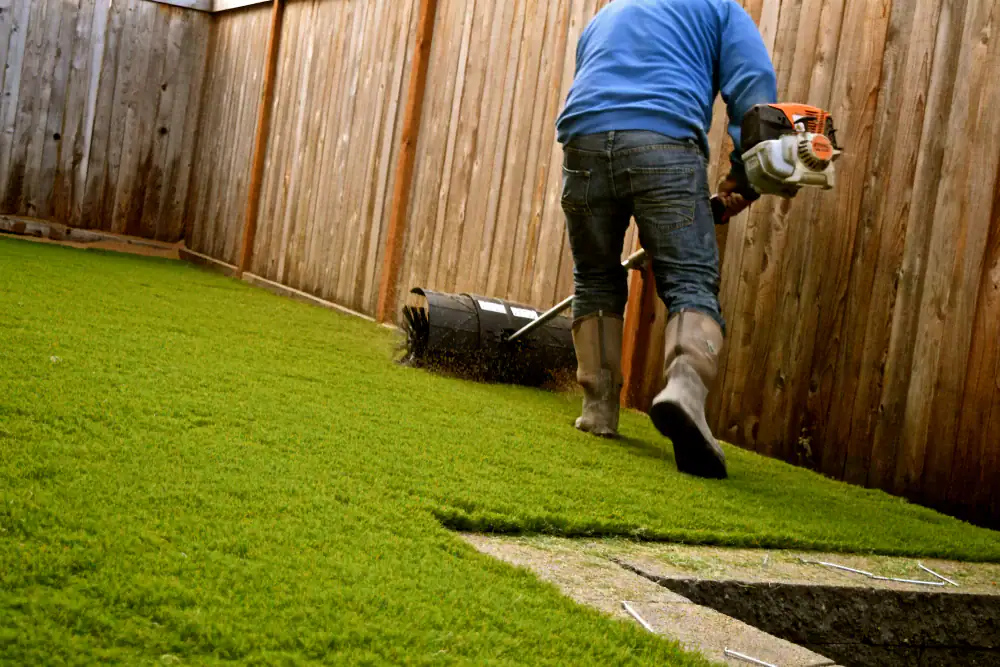
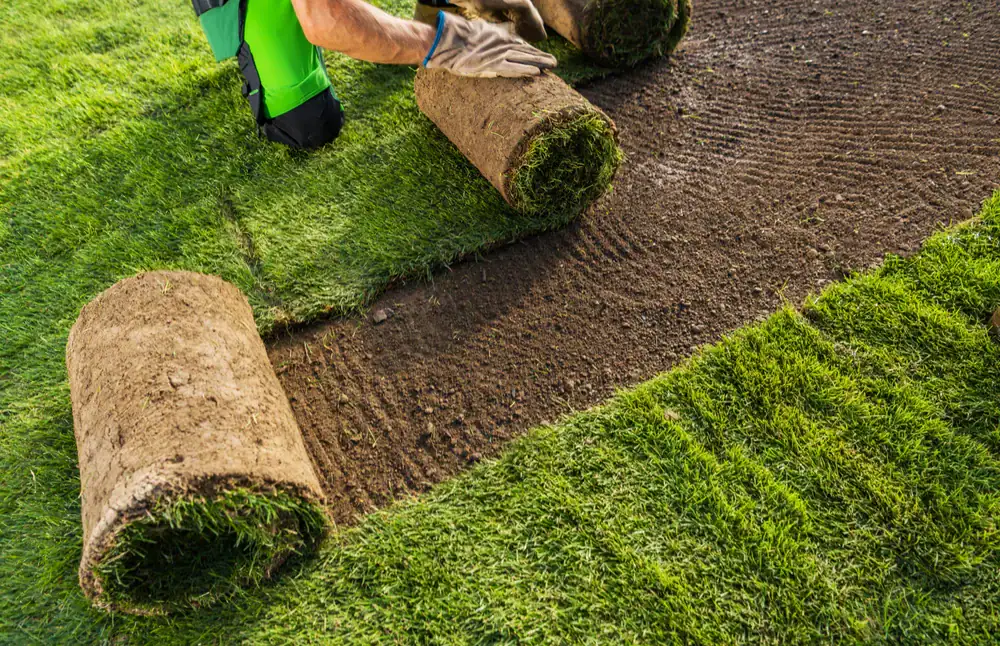
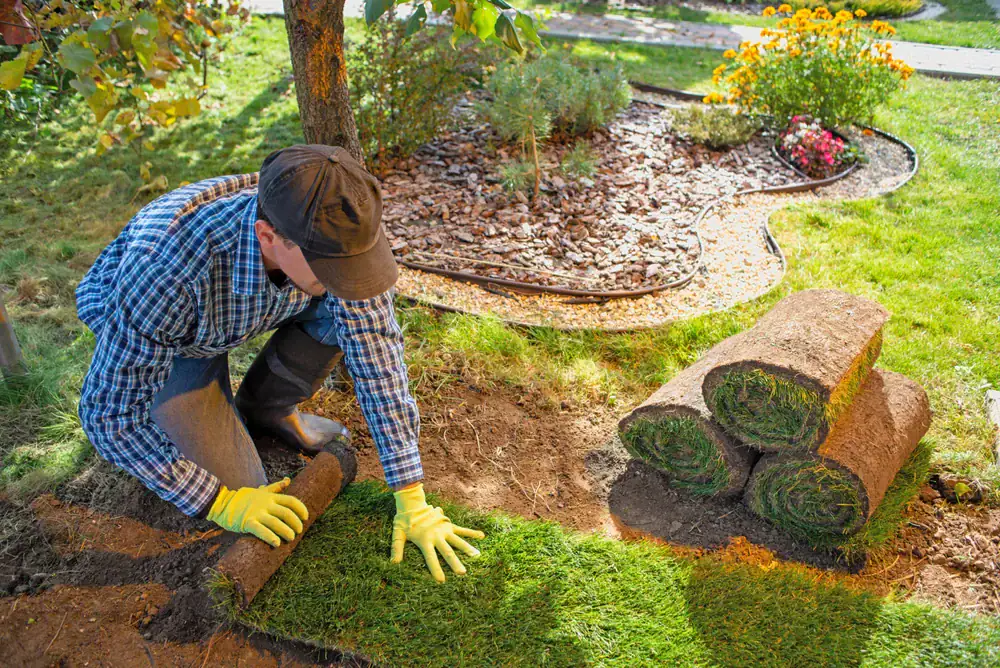
Once the ground is prepped and leveled, we install the sod. It gets laid tight, staggered, and rolled to ensure good contact with the soil underneath. After installation, we walk you through watering schedules and what to expect in the first few weeks as the roots establish.
You’ll have a lawn you can walk on within a couple of weeks and a yard that’s fully established within a month or two, depending on the season. That’s the difference between sod installation in Saratoga and seeding—you’re not waiting until next year to see results.
Ready to get started?
Every lawn installation in Saratoga starts with site evaluation and grading. We’re looking at how your property drains, where water collects, and what needs to be adjusted before any grass goes down. If you’re building a new home, this is the stage where we make sure your yard doesn’t become a swamp every spring.
We handle all the excavation and grading work in-house. That means if your backyard needs fill, leveling, or regrading to fix drainage problems, we’re equipped to do it. We’re not calling in another contractor or adding weeks to your timeline.
Sod installation itself is straightforward once the prep is done right. We source quality sod, install it properly, and make sure it’s getting the root contact it needs to establish quickly. For front yard lawn installation in Saratoga, we also coordinate timing around your landscaping plans if you’re adding flower beds, trees, or hardscaping.
Saratoga’s soil tends to be heavy and clay-rich in many areas, which means drainage and soil prep aren’t optional—they’re the difference between a lawn that thrives and one that struggles. We’ve worked across Saratoga County long enough to know what works here and what doesn’t.
Site prep and grading usually take one to three days depending on the size of your yard and how much work the ground needs. If we’re just leveling and laying sod on a relatively flat, clear lot, that’s faster. If we’re regrading a sloped backyard or fixing drainage issues, it takes longer.
Sod installation itself happens in a day for most residential properties. Once it’s down, you’ll need to water it consistently for the first two weeks while the roots establish. You can walk on it lightly after about two weeks and mow it after three.
The full project from start to finish—including prep, installation, and initial establishment—typically spans two to four weeks. Weather and soil conditions can shift that timeline slightly, but we’ll give you a clear estimate upfront based on your specific property.
Sod gives you an instant lawn. It’s already grown, so you’re laying down mature grass that just needs to root into your soil. Seeding means you’re starting from scratch—spreading seed, waiting for germination, dealing with bare spots, and keeping birds and erosion from washing it away.
With sod installation in Saratoga, you’re looking at a usable lawn in two to three weeks. With seeding, you’re waiting months, and even then, results can be uneven. Seeding also requires more intensive watering, more weed control, and more patience.
Sod costs more upfront, but it saves time and eliminates the risk of a failed seeding job. If you’re moving into a new home or need your yard ready for an event or the summer season, sod is the only option that makes sense. Seeding works if you have time to wait and don’t mind the maintenance involved in getting it to fill in.
Fall is actually one of the best times for sod installation in Saratoga. The soil is still warm, which helps roots establish quickly, but the air is cooler, so the grass isn’t stressed by heat. You also get more consistent rainfall in the fall, which reduces how much you need to water.
Spring works well too, especially early spring before temperatures spike. Summer installation is possible but requires more attention to watering and can be harder on the sod if we hit a hot, dry stretch in July or August.
Winter installation isn’t ideal because the ground can freeze before roots establish, but late fall is fine as long as we’re not pushing up against frozen ground. If you’re planning a lawn installation project, fall and spring are your best windows. We’ll walk you through timing based on your schedule and what makes sense for your property.
Yes. Grading and drainage work are part of the site prep process, and they’re not optional if you want a lawn that lasts. If your yard slopes toward your house, holds water in low spots, or has uneven areas that will cause problems later, we fix that before any sod goes down.
We’ve been doing excavation and site work in Saratoga County since the late ’90s, so grading is something we handle in-house with our own equipment. We’re not subbing that out or treating it as an add-on. It’s part of the job.
Most properties need at least some grading work, especially new construction sites where the builder rough-graded but didn’t finish the yard. If you’re dealing with clay-heavy soil or drainage issues, we’ll bring in fill or adjust the grade to make sure water moves away from your foundation and doesn’t pool anywhere in your lawn.
Cost depends on the size of your yard, how much site prep is needed, and whether we’re dealing with grading or drainage issues. A straightforward sod installation on a prepped, level lot costs less than a project that requires excavation, regrading, or significant fill work.
For a typical residential front yard lawn installation in Saratoga, you’re looking at a few thousand dollars. Larger backyards or properties that need more prep work will cost more. We give clear, upfront estimates with no hidden fees, so you’ll know what the project costs before we start.
If you’re comparing quotes, make sure you’re comparing the same scope of work. A low bid that skips grading or soil prep might save money upfront, but it’ll cost you later when the lawn doesn’t establish or drainage problems show up. We price projects based on doing the work right the first time, not based on being the cheapest option.
Watering is the most important thing in the first two weeks. You’ll need to water the sod daily—sometimes twice a day if it’s hot—to keep it moist while the roots grow into the soil below. We’ll give you a specific watering schedule based on the time of year and your property.
After the first two weeks, you can start reducing watering frequency as the roots establish. You’ll know it’s rooting when you can gently tug on the sod and it resists. At that point, you’re transitioning to a normal lawn watering routine.
Mowing happens around week three, but only once the grass has grown a bit and the roots are established. Keep foot traffic light for the first couple of weeks so the sod has time to settle and root properly. After that, it’s just regular lawn maintenance—mowing, occasional fertilizing, and watering during dry spells. We’ll walk you through all of this after installation so you’re not guessing.
Other Services we provide in Saratoga