Most lawn problems start before the first seed hits dirt. Poor grading means water pools by your foundation. Compacted soil means grass struggles no matter how much you water it. Rushing site prep means you’re fixing drainage issues for years.
Professional lawn installation in Glens Falls North means the ground gets prepped correctly from the start. We grade for proper drainage, remove debris that’ll kill root systems, and prep soil so grass actually takes hold. Whether it’s sod installation for your backyard or seeding your front yard, the work starts below the surface.
You’re not just getting grass. You’re getting a yard that doesn’t turn into a mud pit every spring, doesn’t develop low spots that collect standing water, and doesn’t require a total redo in two years because someone skipped the prep work.
Emerson Excavating and Trucking started as a logging operation in 1997 and moved into full-time excavation in 2020. When my son joined in 2022, we became a father-son operation that’s built on showing up, doing the work right, and being there when you need us.
I’m on almost every job. Not because I don’t trust the crew, but because I want to see the site myself, catch problems early, and make sure your yard is set up the way it should be. We’re not the cheapest option in Glens Falls North, and we’re not trying to be. You’re paying for equipment that’s maintained, experience with local soil conditions, and a team that’ll be around when you need work done next year.
We handle new home site prep, backyard lawn installation, front yard grading, and everything that goes into making sure your property drains correctly and looks the way you want it to.
First, we walk the site with you. We look at drainage patterns, existing grade, soil conditions, and what you’re trying to accomplish. If there are obvious problems—standing water, compacted construction debris, poor slope—we talk through how to fix them before anything gets planted.
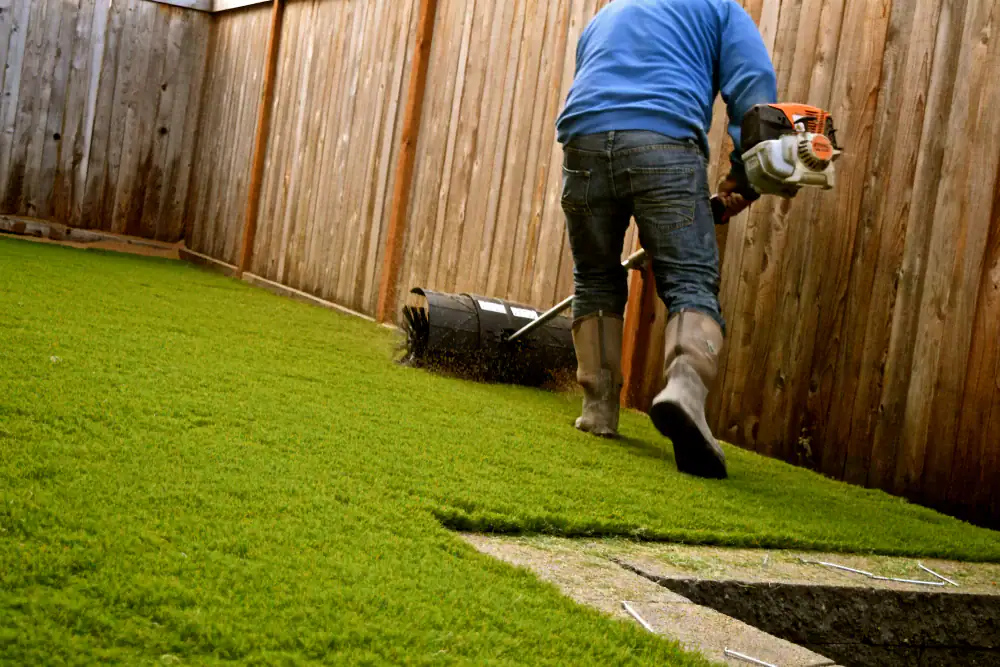
Next, we prep the ground. That means grading to the right slope so water moves away from your foundation, removing rocks and debris that’ll interfere with root growth, and loosening compacted soil if heavy equipment has been on-site. We use GPS technology on larger projects to hit grades within a fraction of an inch, which matters when you’re trying to control where water goes.
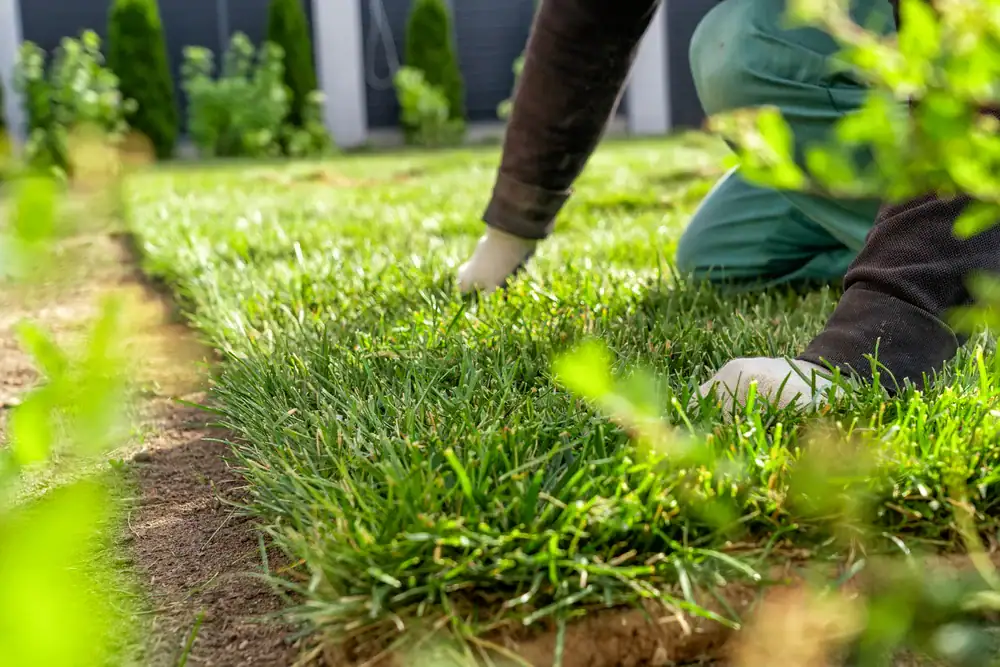
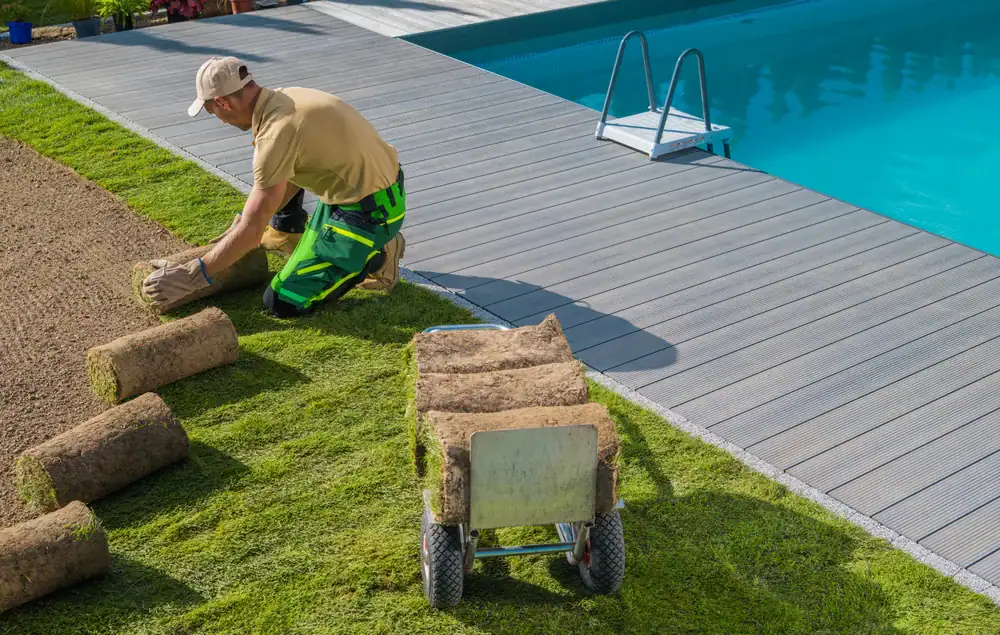
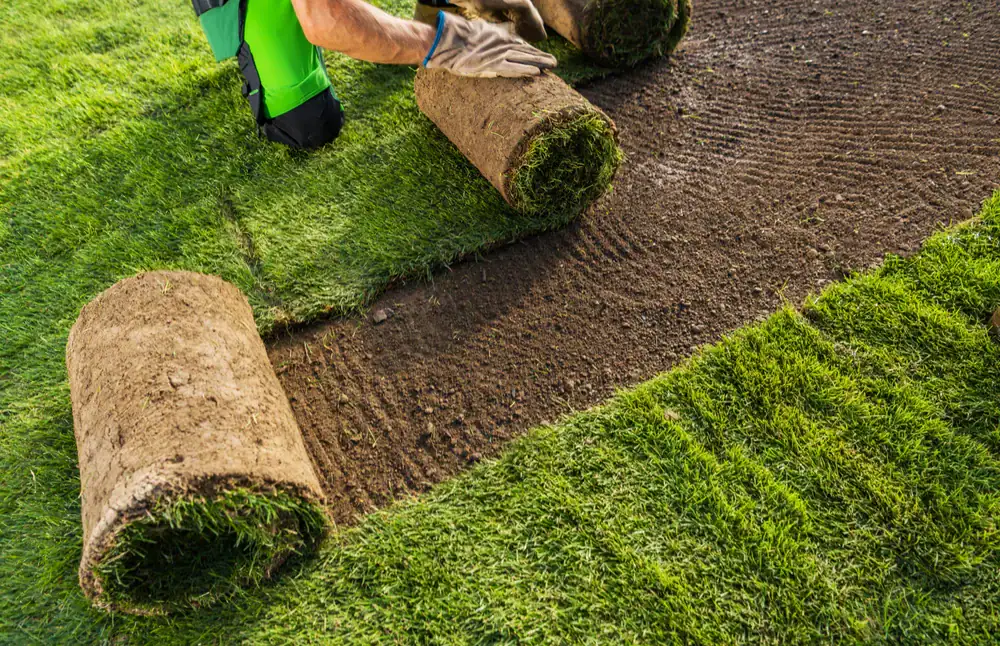
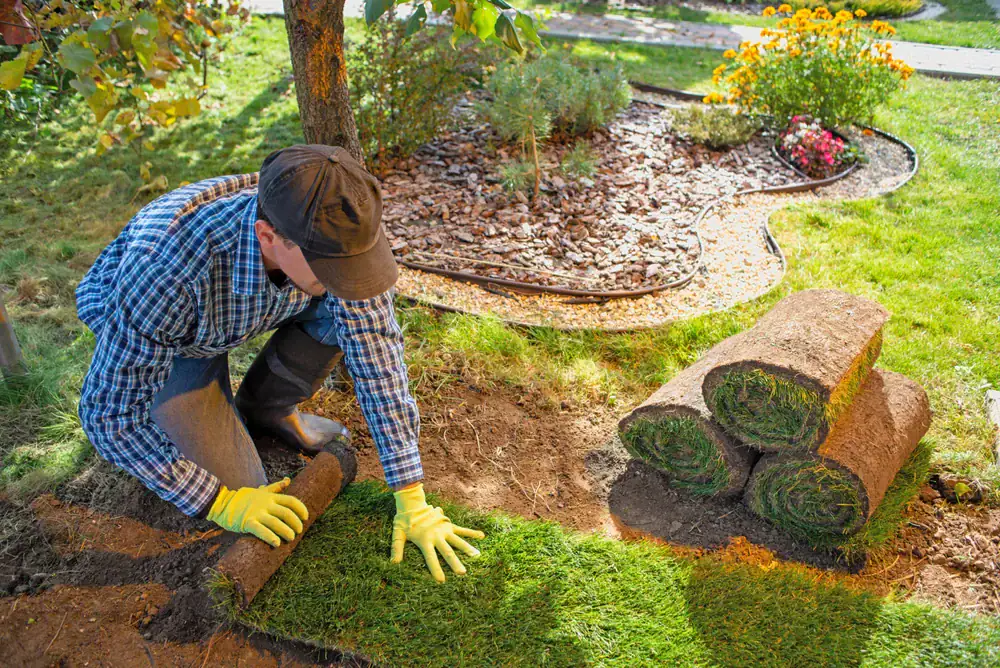
Then comes installation. For sod installation in Glens Falls North, we lay it in staggered rows, tight to avoid gaps, and make sure edges are tucked and rolled so roots establish quickly. For seeding, we choose grass types that handle our winters—usually Kentucky bluegrass blends or tall fescue—and time it so germination happens before weather turns.
Finally, we walk you through maintenance. Sod needs daily watering for the first two weeks. Seed needs consistent moisture until it’s established. We’ll tell you what to watch for and when to back off so you’re not guessing.
Ready to get started?
Site grading is the foundation. We adjust slope to move water away from structures, eliminate low spots where water collects, and create a surface that’s smooth enough for even grass growth. In Glens Falls North, that often means dealing with heavy clay soil and planning for wet springs that can turn poorly graded yards into swamps.
Soil prep comes next. We remove construction debris, break up compacted areas, and add topsoil if what’s there won’t support healthy growth. Local soil tends to be dense and clay-heavy, so loosening it and improving drainage is critical before anything gets planted.
For sod installation, we source quality turf that’s cut fresh and installed quickly so it doesn’t dry out. Sod gives you an instant lawn and costs about a quarter of what traditional seeding methods run while establishing much faster. For seeding projects, we use cold-tolerant grass blends that survive Glens Falls North winters and handle the temperature swings we get in spring and fall.
We also handle tree planting service and new flower bed design if you’re looking to add landscaping elements beyond grass. The key is planning everything together so grading, drainage, and plantings all work as a system instead of fighting each other.
Sod installation in Glens Falls North typically runs between $1.30 and $1.80 per square foot depending on yard size, access, and how much prep work is needed. A 2,000-square-foot lawn usually falls in the $2,600 to $3,600 range, though that can shift if there’s significant grading or soil work required before installation.
The cost includes site prep, delivery, installation, and initial rolling to ensure good soil contact. It doesn’t include ongoing maintenance or irrigation setup unless that’s part of the scope. Larger projects often cost less per square foot because equipment is already on-site and material delivery is more efficient.
Sod costs more upfront than seeding, but it establishes faster, handles erosion better, and gives you a finished lawn in weeks instead of months. If you’re working around a timeline—like needing the yard done before a septic system goes in or before winter hits—sod is usually the better option even with the higher initial cost.
Late summer through early fall is ideal for lawn installation in Glens Falls North. Soil is still warm enough for root growth, but air temperatures are cooler and rainfall is more consistent. Grass establishes quickly without the heat stress that comes with summer installations, and it has time to develop a strong root system before winter.
Spring is the second-best window, usually late April through May once the ground thaws and dries out enough to work. The challenge with spring is unpredictable weather—wet conditions can delay grading and installation, and late frosts can stress new grass. If you’re seeding in spring, you’re also competing with weeds that germinate aggressively in warmer soil.
Summer installations are possible, especially with sod, but they require more intensive watering and monitoring. Grass struggles in heat, and if we hit a dry stretch, new lawns can fail quickly without constant moisture. Winter is off the table—frozen ground makes grading impossible, and grass won’t germinate or establish until soil warms up in spring.
Sod establishes in about two to three weeks if it’s watered correctly. You’ll need to water daily for the first two weeks—enough to keep soil moist but not soaked—and then taper off as roots grow into the ground below. You can walk on it lightly after a week, but avoid heavy traffic until roots are firmly anchored.
Seeded lawns take longer. Germination happens in seven to fourteen days depending on grass type and weather, but it takes six to eight weeks before the lawn is thick enough to handle regular use. During that time, you’re watering frequently to keep the top inch of soil moist, and you’re staying off it as much as possible so seedlings aren’t damaged.
Establishment also depends on timing. Lawns installed in fall establish faster because conditions are better for root growth. Spring installations work, but they face more stress from heat and weeds. If site prep wasn’t done right—compacted soil, poor drainage, inadequate topsoil—establishment takes longer no matter when you install, and the lawn may struggle long-term.
Yes, in most cases. Old grass, weeds, and existing vegetation compete with new growth and create an uneven surface that causes problems with mowing and drainage. We typically strip the top layer, grade the soil underneath, and then install fresh sod or seed on clean ground.
If the existing lawn is thin or patchy but the soil underneath is in decent shape, we might till it under and amend the soil instead of stripping everything. That works if there’s no major grading needed and the base is relatively level. But if you’re dealing with compacted soil, poor drainage, or a yard full of weeds, stripping and starting fresh is the better move.
Leaving old grass under new sod is a common shortcut that causes problems later. The layer of dead vegetation creates a barrier that prevents roots from reaching soil below, which means your new lawn never fully establishes. It also holds moisture unevenly, leading to soft spots, fungus, and turf that lifts or dies in patches. Doing it right the first time costs more upfront but saves you from redoing the whole project in a year or two.
Kentucky bluegrass blends and tall fescue are the most reliable options for Glens Falls North. Kentucky bluegrass handles cold well, recovers quickly from damage, and creates a dense, attractive lawn. It needs consistent moisture and doesn’t love extreme heat, but it thrives in our climate if the soil drains properly.
Tall fescue is tougher and more drought-tolerant once established. It has deeper roots than bluegrass, handles heat better, and requires less maintenance overall. The trade-off is that it doesn’t self-repair as aggressively, so damaged areas need reseeding rather than filling in on their own.
Most professional lawn installations in Glens Falls North use a blend of both. You get the cold tolerance and density of bluegrass combined with the durability and low maintenance of fescue. The mix performs well through wet springs, hot summers, and cold winters without requiring constant intervention. If your yard has shaded areas, we might add some fine fescue to the blend since it tolerates lower light better than bluegrass or tall fescue alone.
Yes, but it requires more prep work to prevent erosion and ensure even coverage. On slopes, water runs off quickly, which means grass struggles to establish because soil dries out faster and seeds or sod can wash away before roots take hold. We grade to soften steep areas where possible, install erosion control measures like silt fencing or straw blankets, and use sod instead of seed on anything with significant pitch.
Sod works better on slopes because it’s already rooted and holds soil in place immediately. Seeding a slope is possible, but it needs hydroseeding or a tackifier to keep seed in place, plus more intensive watering since moisture doesn’t soak in as effectively. Even with sod, sloped lawns need careful watering—enough to establish roots but not so much that water runs off and creates channels.
If the slope is severe enough that mowing becomes dangerous or grass won’t establish no matter what we do, we’ll recommend alternatives like terracing, retaining walls, or switching to groundcover plants that handle slopes better than turf. The goal is a yard that’s functional and safe, not just green.
Other Services we provide in Glens Falls North