
Your new construction site probably looks like a mess right now. Heavy equipment left the ground compacted, water pools where it shouldn’t, and what’s left of the topsoil won’t grow much of anything.
Professional lawn installation in East Whitehall fixes all of that before a single seed goes down. You get proper grading that slopes water away from your foundation—not toward it. You get real topsoil, not construction fill, with the depth and quality grass roots actually need.
The result is a lawn that establishes fast, drains correctly, and doesn’t turn into a mud pit every spring. No standing water. No foundation issues down the road. Just a yard that looks finished and performs like it should.
This matters because most lawn failures start with bad prep work. Throwing sod or seed on compacted soil doesn’t fix drainage problems or create the root zone grass needs to survive. You end up redoing it in two years, spending twice as much, and dealing with erosion or water damage in between.
When site preparation and lawn installation happen together, you avoid those problems entirely. The work gets done in the right order, by people who understand how soil, water, and equipment interact on a construction site.
We started as a logging operation and moved into full-time excavation work in 2020. Josh runs the business with his son, and he’s on almost every job—not because he doesn’t trust the crew, but because quality matters more than volume.
Most of the lawn installation work we do in East Whitehall is tied to new home construction. That means we’re already on-site handling septic systems, driveways, and site prep. By the time you’re ready for a lawn, we’ve already graded your property, managed your drainage, and know exactly what your soil needs.
We’re not a landscaping company that rents an excavator when we need one. We’re excavation contractors who understand that a good lawn starts below the surface—and we have the equipment and experience to get that part right.
First, we handle the grading. Water needs to move away from your house, not toward it, and that requires more than just eyeballing the slope. We use equipment to establish proper drainage across your entire yard—front, back, and sides.
Next comes soil testing and restoration. Construction sites in East Whitehall typically lose most of their topsoil during excavation, and what’s left is compacted from equipment traffic. We bring in quality topsoil—usually four to six inches—and make sure it’s spread evenly and graded correctly.
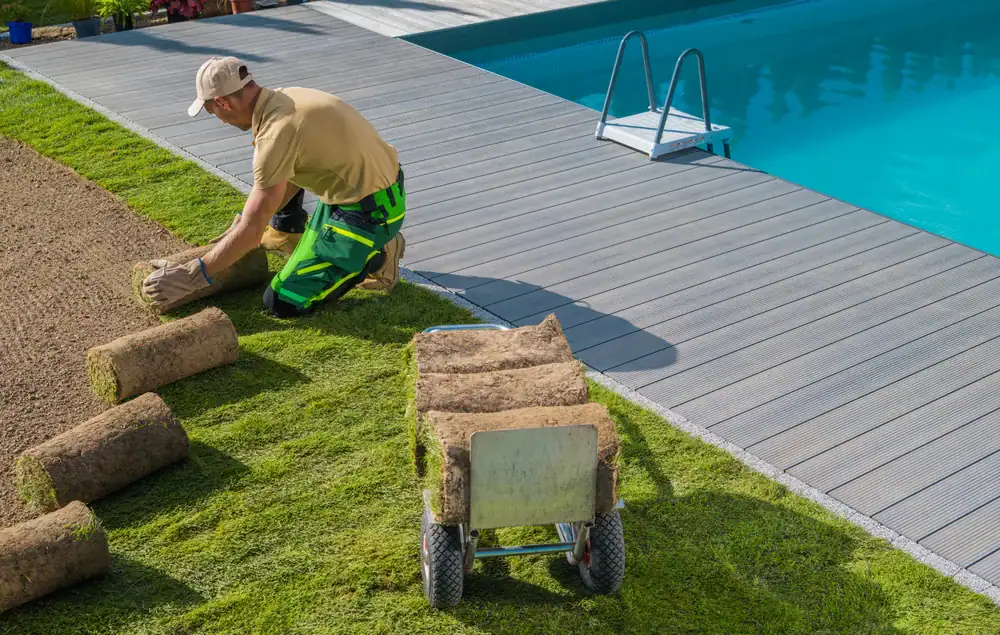
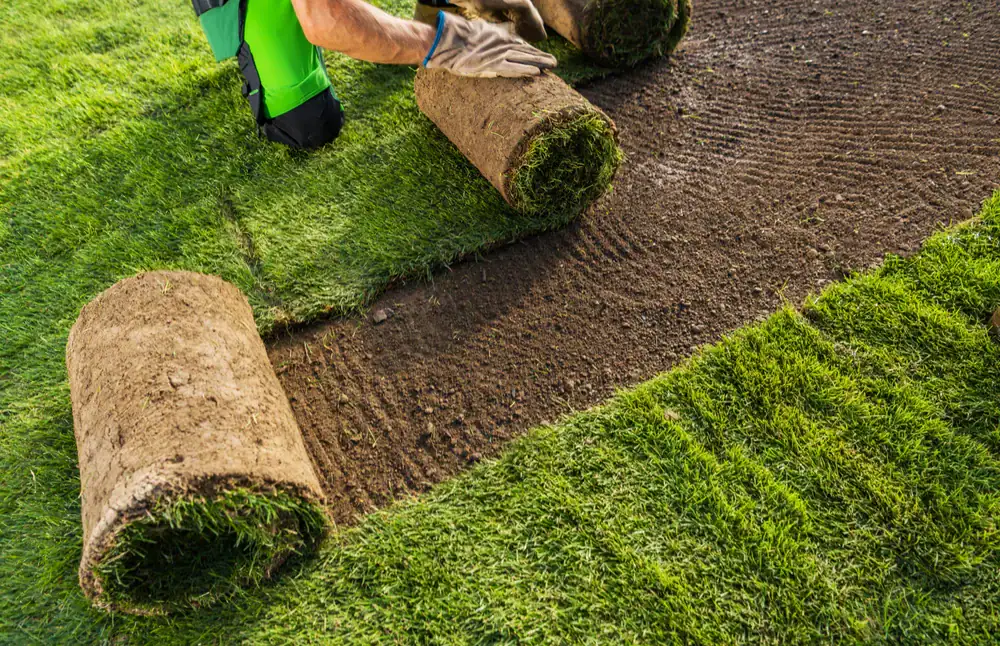
If you’re installing sod, it goes down once the soil is prepped and settled. Sod gives you an instant lawn, but it still needs a solid base to root into. If you’re seeding, timing matters more—early fall works best for cool-season grasses in this area, but we can work with your construction schedule either way.
Finally, we walk the site with you and make sure everything drains correctly, looks level, and matches what you expected. Most lawn problems show up in the first heavy rain, so we make sure the grading works before we’re done.
The whole process usually takes a few days depending on yard size and how much prep work is needed. If we’re already handling other site work for your new build, lawn installation just becomes the last step in a project we’ve been managing from the start.
Ready to get started?
Site preparation is the foundation of everything. That includes removing construction debris, breaking up compacted soil, and establishing the rough grade. If your yard has drainage issues or areas where water collects, we fix that first—not after the grass is already in.
Topsoil installation comes next. We’re bringing in real topsoil, not fill dirt or whatever’s cheap that week. The depth depends on what’s already there, but most new construction sites in East Whitehall need at least four inches to give grass a fighting chance.
For backyard lawn installation or front yard lawn installation, we adjust grading to match how you’ll actually use the space. A flat backyard works better for kids or pets. A front yard needs to look good from the street and drain toward the road or side yard—not into your basement.
Sod installation in East Whitehall runs about $1.65 per square foot installed, which includes materials, labor, and prep work on level ground. If your site needs major grading or drainage correction, that adds to the cost—but it also prevents expensive problems later.
We also handle flower bed installation and tree planting service if you want to finish the landscaping in one shot. New flower bed design works best when it’s planned during grading, so water doesn’t wash out your beds every time it rains.
The goal is a yard that’s finished, functional, and built to last—not something that looks good for six months and then falls apart.
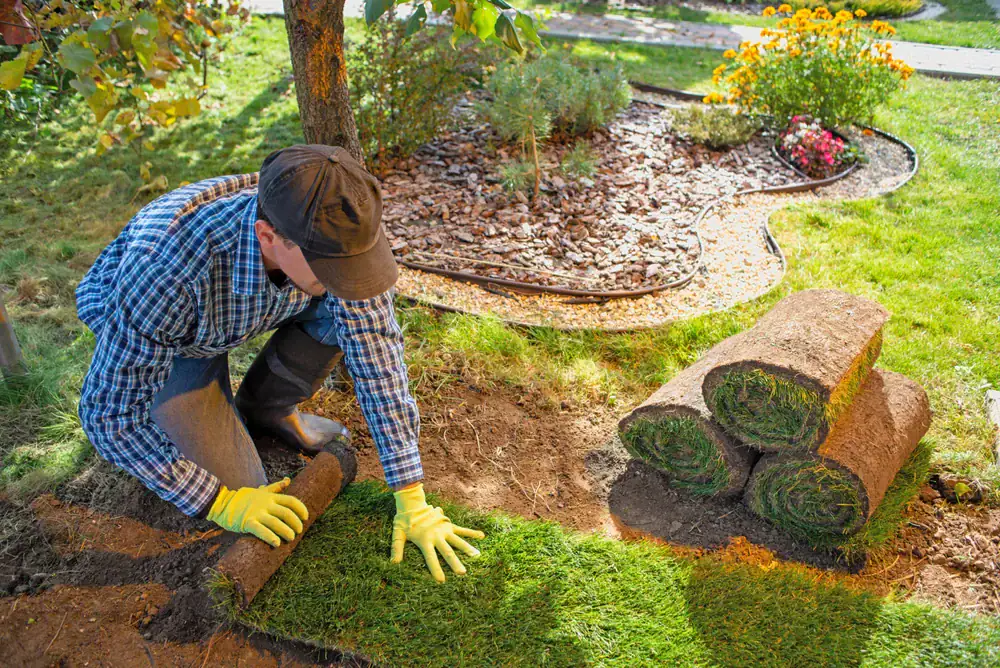
Most new construction lawn installation projects in East Whitehall run between $8,000 and $15,000 depending on lot size, soil conditions, and how much site prep is needed. That’s for a full job—grading, topsoil, and either sod or seed.
Sod installation costs about $1.65 per square foot installed, so a 2,000-square-foot yard runs around $3,300 just for the sod and installation. But that assumes your soil is already prepped, graded, and ready to go. Most construction sites aren’t.
Site preparation adds another $1 to $2 per square foot depending on how compacted the soil is, whether you need drainage correction, and how much grading work is required. If your lot is sloped or has major drainage issues, expect to be on the higher end of that range.
The reason professional lawn installation costs what it does is because the prep work requires commercial equipment and experience. You can’t fix severe compaction or grade a yard properly with a rake and a rented tiller. Skipping that step just means you’ll redo the lawn in two years when it fails.
Sod gives you an instant lawn. It’s already grown, so you’re laying down mature grass that roots into your soil within a couple of weeks. Seeding takes longer—usually several months—but costs less upfront.
The real difference is timing and risk. Sod works almost any time of year as long as the ground isn’t frozen. Seeding needs to happen at the right time—early fall is best for cool-season grasses in East Whitehall—or you’ll spend all summer watering and babysitting it.
For new construction homes, sod makes more sense if you’re moving in soon and want a finished yard. Seeding works if you have time to wait and don’t mind managing irrigation through the establishment period. Either way, the site prep is the same. You still need proper grading, quality topsoil, and good drainage.
One thing to know: sod isn’t a shortcut around bad soil. If you lay sod on compacted dirt or poor drainage, it’ll struggle just like seed would. The grass might look good for a few weeks, but it won’t root properly, and you’ll end up with dead spots by the end of the first summer.
Drainage starts with grading. Your yard needs to slope away from your foundation—at least two percent grade for the first ten feet. That’s not something you can eyeball. It requires equipment and experience to get the slope right across the entire property.
If water pools in low spots or runs toward your house, we regrade those areas before any topsoil or grass goes down. Sometimes that means moving soil from high areas to fill in low ones. Other times it means bringing in additional fill to build up the grade where it’s needed.
For more serious drainage issues—like a yard that’s naturally sloped toward the house or areas where water has nowhere to go—we may need to install drainage solutions like French drains or redirect runoff to a better outlet. That adds cost, but it’s a lot cheaper than fixing foundation damage or dealing with a flooded basement.
The key is addressing drainage during site prep, not after the lawn is installed. Once grass is down, fixing drainage means tearing everything up and starting over. Do it right the first time and you won’t have water problems later.
Construction destroys topsoil. Heavy equipment compacts the ground, excavation removes the organic layer, and what’s left is usually subsoil or fill dirt that won’t grow much of anything. You’ll also find construction debris, rocks, and compacted tire tracks across the entire lot.
Compacted soil is the bigger problem. When soil gets compressed by machinery, it loses the air pockets roots need to grow. Water can’t penetrate, so it runs off instead of soaking in. Grass seed won’t germinate well, and sod won’t root properly.
In East Whitehall, most construction sites also lose nutrients during the building process. Topsoil gets stripped and stockpiled—or just hauled away—and the exposed subsoil doesn’t have the organic matter or structure grass needs. That’s why bringing in quality topsoil is part of every lawn installation we do.
You can’t fix construction soil by tilling it or adding some compost. The compaction goes too deep, and the soil quality isn’t there. You need to bring in new topsoil, grade it correctly, and give grass a proper base to establish in. Anything less is just setting yourself up for a failed lawn.
Early fall is the best time for seeding cool-season grasses in East Whitehall. The soil is still warm, rainfall is more consistent, and grass has time to establish before winter. Spring is the second-best option, but you’re competing with weeds and dealing with less predictable weather.
For sod installation, timing is more flexible. You can lay sod any time the ground isn’t frozen, though late spring through early fall works best. Sod establishes faster than seed, so you’re not as dependent on hitting a narrow planting window.
The challenge with new construction is that your building schedule rarely lines up with ideal planting times. If your house is finished in July, you’re not waiting until September to install a lawn. That’s where sod makes more sense—you can get it down and established even if the timing isn’t perfect.
If you are seeding outside the optimal window, expect to do more watering and management to keep the grass alive. It’s doable, but it takes more effort and there’s more risk of failure. Sod reduces that risk because the grass is already mature when it goes down.
You can install a lawn yourself if your site is already graded, the soil is in decent shape, and you don’t have drainage issues. Rent a tiller, spread some seed or lay sod, and see what happens. For a small, flat yard with good soil, DIY can work.
For new construction sites in East Whitehall, DIY rarely works out. The soil is compacted, drainage is usually wrong, and you don’t have the equipment to fix either problem. A rented tiller won’t break up severe compaction, and you can’t regrade a yard with a shovel and a rake.
Professional lawn installation costs more upfront, but it also prevents the problems that make you redo the lawn in two years. Proper grading protects your foundation. Quality topsoil gives grass what it needs to establish. And experienced contractors know how to handle the drainage, compaction, and soil issues that come with every construction site.
The other factor is time. Prepping a construction site for lawn installation takes days, not hours. If you’re working full-time and trying to move into a new house, spending your weekends fighting compacted soil and bad drainage isn’t how you want to spend your time. Hire it out, get it done right, and move on with your life.
Other Services we provide in East Whitehall