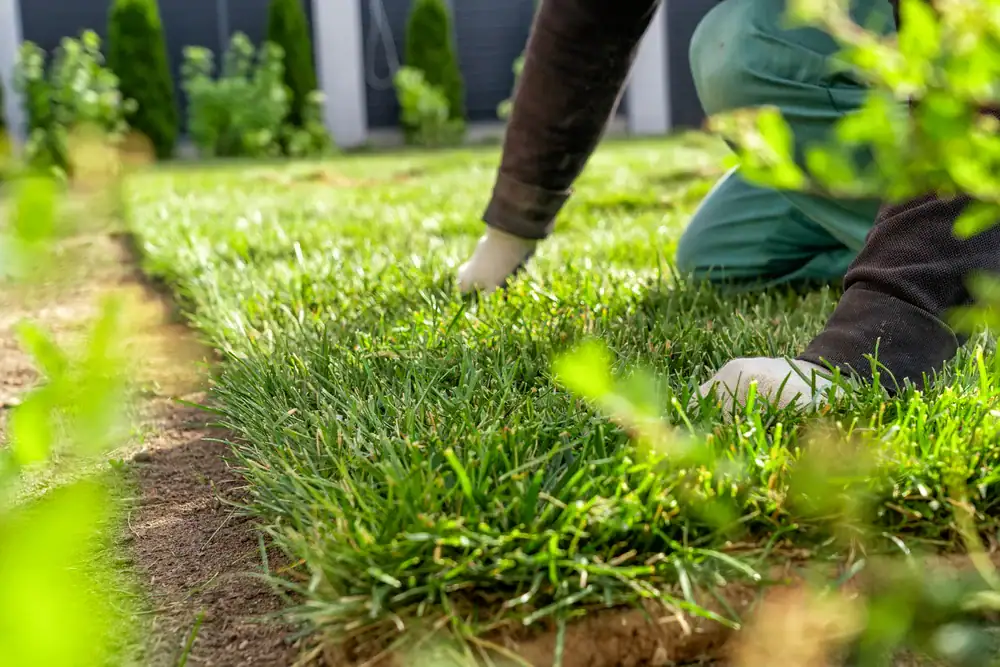
You’ve probably seen it. Sod laid over compacted dirt, no tilling, no soil work. Three weeks later it’s patchy, brown in spots, or just sitting there refusing to root.
That’s what happens when site prep gets skipped. The grass might look fine for a few days, but without proper excavation and soil preparation, you’re basically hoping it works out. And hope isn’t a strategy when you’re spending thousands on a lawn.
When the ground is prepared correctly—tilled, graded, amended—the sod roots faster, drains better, and doesn’t turn into a maintenance nightmare. You get a backyard lawn installation in Country Knolls, NY that actually establishes in two to three weeks instead of two months. Less water. Fewer dead spots. No do-overs.
That’s the difference between laying grass and installing a lawn. One looks good for a week. The other lasts.
We started as a logging operation in 1997. We’ve been full-time excavation since 2020, and Josh is on almost every job with his son, who joined as a partner in 2022.
We’re not a lawn company that rents equipment for the weekend. We own excavators, grading equipment, and trucks. We prep sites for new home construction, install septics, build driveways—and when someone in Country Knolls, NY needs a front yard lawn installation or sod work done right, we handle that too.
The soil conditions here matter. The drainage matters. The grade matters. We’ve worked enough properties in Saratoga and Washington Counties to know what holds up and what doesn’t.
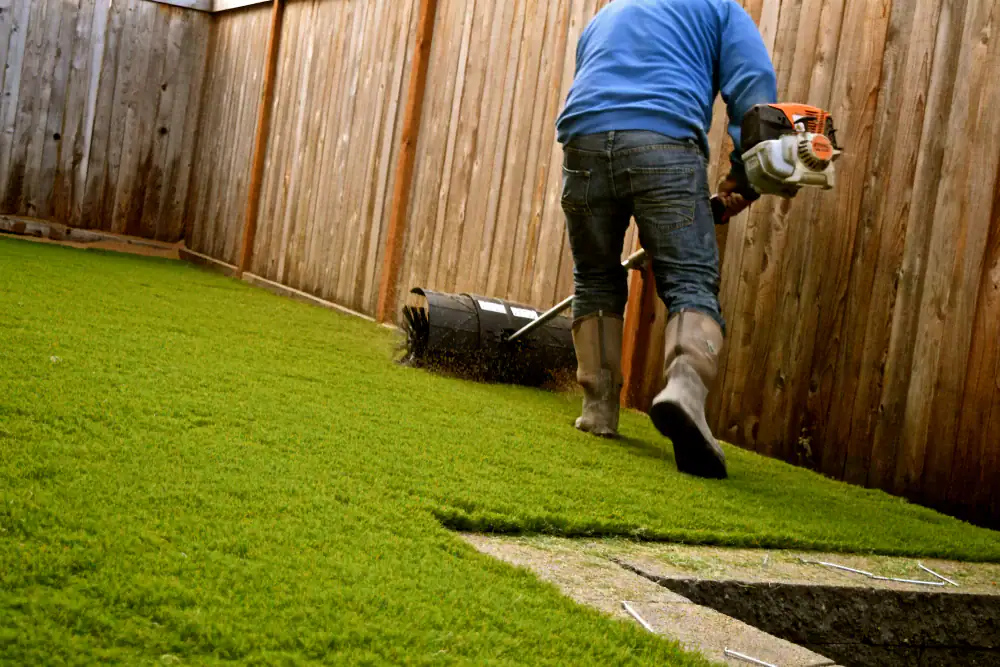
First, we look at the site. If there’s old grass, debris, or uneven ground, that gets cleared. You can’t install over a mess and expect it to work.
Next is grading and tilling. We loosen compacted soil, remove rocks, and make sure water drains where it should. If the soil needs amendments, we add them. This is the part most contractors skip because it takes time and equipment.
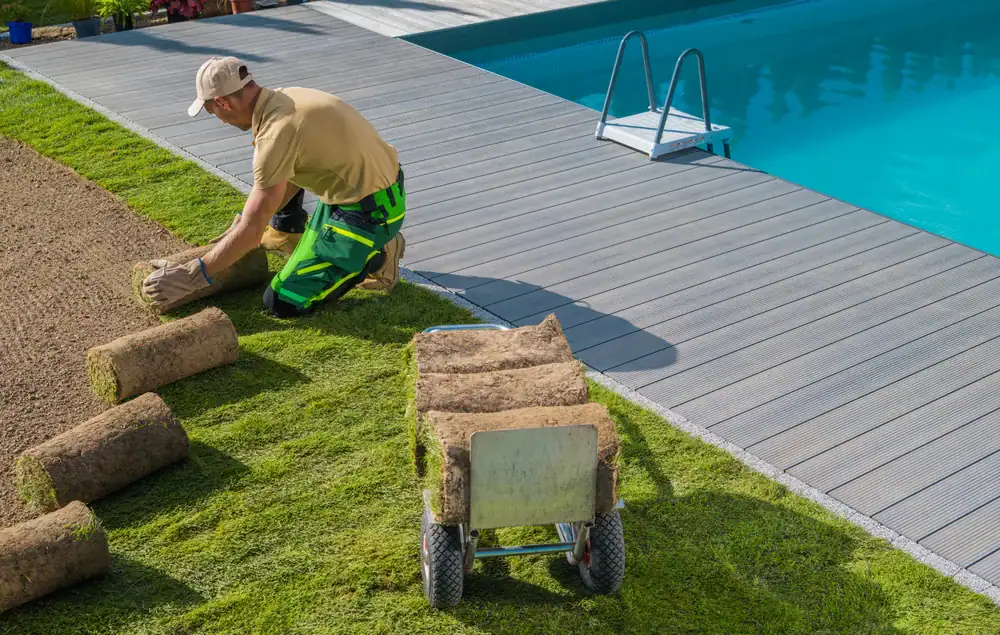
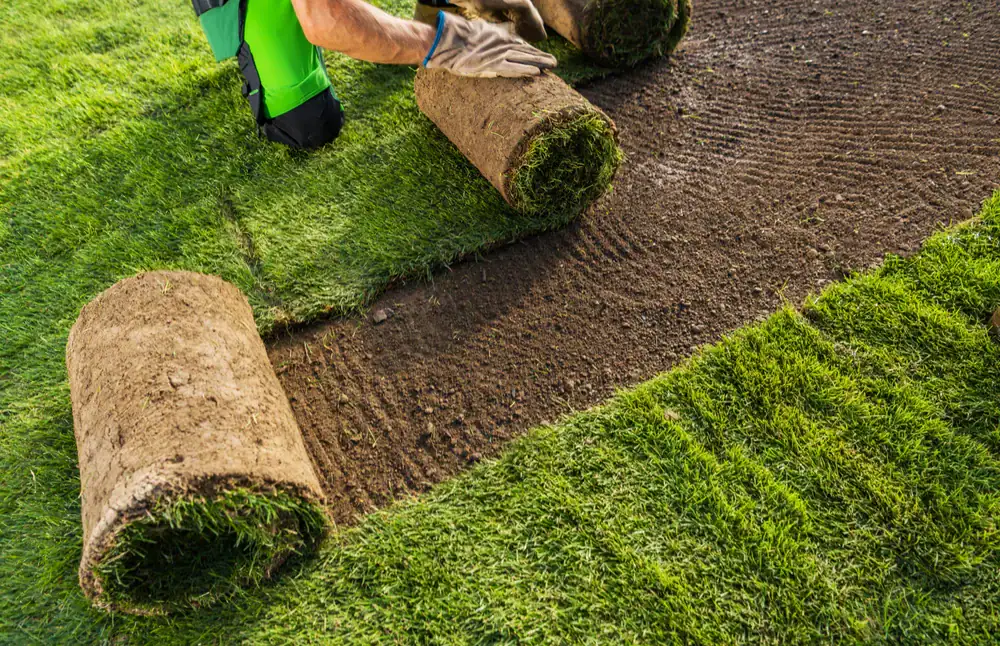
Then the sod goes down. We cut it to fit, stagger the seams, and make sure it’s tight to the soil—no air gaps. Once it’s laid, we roll it to ensure contact with the ground. That’s what helps it root fast.
After that, it’s on you to water it correctly for the first two weeks. We’ll walk you through that before we leave. Most sod failures happen because of improper watering, not bad installation. But if the ground wasn’t prepped right to begin with, no amount of watering will fix it.
Ready to get started?
Site clearing and debris removal. Old sod, rocks, roots—whatever’s in the way gets pulled out before we start.
Grading and soil prep using excavation equipment. We’re not raking dirt by hand. We use machinery to get the grade right and the soil loose enough for roots to grow.
Soil amendments if needed. If your soil is mostly clay or sand, we’ll tell you. Sometimes it needs compost or topsoil mixed in.
Sod installation with proper seam work and rolling. The grass gets laid tight, edges trimmed, and rolled so it makes full contact with the soil.
In Country Knolls, NY, most properties are larger single-family homes with established landscaping. If you’re adding a new flower bed design in Country Knolls, NY or need tree planting service in Country Knolls, NY alongside the lawn work, we can coordinate that too. It’s easier to do it all at once than to dig up a fresh lawn later.
We also handle flower bed installation in Country Knolls, NY if you’re redoing landscape areas or adding new garden zones. Same equipment, same crew, same attention to drainage and soil quality.
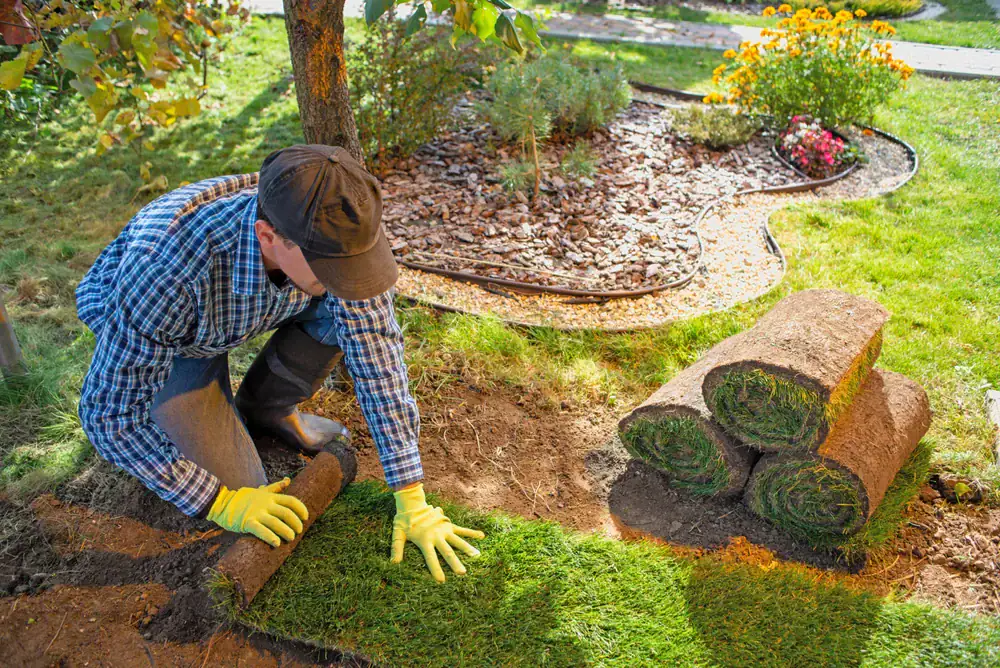
If the ground was prepped correctly and you’re watering it right, sod typically roots in two to three weeks. You’ll know it’s rooted when you can’t easily pull up a corner of the grass.
The timeline depends on soil contact and moisture. If the sod is sitting on compacted dirt or there are air pockets underneath, it takes longer—or doesn’t root at all. That’s why site prep matters more than the sod itself.
You should be able to mow after about two weeks, but go easy the first time. If the grass is getting too long before that, you probably waited too long to install or the contractor told you not to mow for six weeks (which is wrong). Sod doesn’t need to be babied that long if it was installed properly.
Sod gives you an instant lawn. Seeding takes months and requires more maintenance during establishment. That’s the short version.
Sod costs more upfront—usually $310 to $820 per 1,000 square feet compared to around $75 for seed. But it roots faster, resists erosion immediately, and doesn’t give weeds a chance to move in while the grass is growing. If you have slopes, kids, or pets, sod makes more sense.
Seeding works if you have time, a flat yard, and you’re okay with watering and protecting the area for months. It’s cheaper, but it’s not faster or easier. And if it fails, you’re starting over. With sod, you know what you’re getting the day it goes down.
You can install sod in summer, but it’s harder on the grass and requires more water. Spring and fall are better because temperatures are cooler and there’s usually more rain.
Summer installations need consistent watering—sometimes twice a day for the first week—and you’re more likely to deal with fungus or disease if the sod sits wet in the heat. It’s not impossible, but it’s riskier.
If you’re set on getting it done in summer, just know you’ll need to stay on top of watering and watch for brown spots. We’ll tell you if the timing is going to cause problems. Sometimes waiting a few weeks makes the difference between a lawn that establishes fast and one that struggles.
It depends on what’s already there. If your soil is mostly clay, heavily compacted, or less than a few inches deep, then yes—you’ll probably need topsoil or compost added.
Good sod needs at least four to six inches of loose, quality soil to root into. If you’re installing over construction fill or hardpan, the grass won’t establish no matter how much you water it. We’ll look at the soil during the site visit and tell you what’s needed.
Adding topsoil isn’t about upselling. It’s about giving the grass a chance to survive. If the soil is already decent and we can till it properly, you might not need anything added. But if it’s bad, we’re not going to lay sod over it and pretend it’ll work.
It depends on the size of the area, the condition of the existing ground, and whether you need grading or soil work. Sod itself runs $310 to $820 per 1,000 square feet, but that doesn’t include site prep, delivery, or installation labor.
If we’re clearing old grass, regrading for drainage, or adding topsoil, that adds to the cost. But those things also determine whether your lawn actually works or fails in six months.
We’ll give you a clear number after we see the property. No surprises, no “depends on what we find” after we start. You’ll know what it costs and what’s included before we touch the ground.
If sod doesn’t take, it’s usually because of watering issues or poor soil contact—not the sod itself. But we’ll walk you through the watering schedule before we leave so you know exactly what to do.
If there’s a problem with how it was installed, we’ll come back and look at it. But most failures happen because someone watered it once a day instead of keeping it consistently moist, or they let it dry out completely in the first week.
Sod is pretty forgiving if the ground was prepped right and it gets enough water. It’s not fragile. But it’s also not indestructible, and the first two weeks matter. After that, it’s established and you’re just maintaining it like any other lawn.
Other Services we provide in Country Knolls