
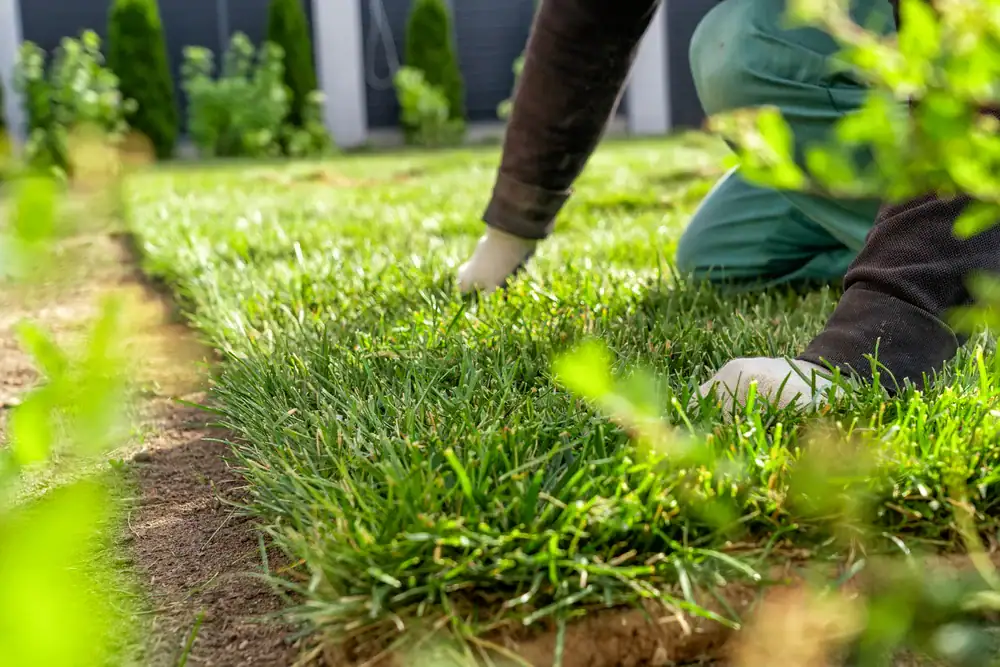
Most lawn failures start before the first blade of grass goes in. The soil’s compacted from construction equipment. Water pools near the foundation because nobody graded it right. Debris is buried six inches down, waiting to create dead spots.
You’re looking at a lawn that either works from the start or becomes a problem you’re fixing for years. The difference is in the prep work—how the soil is loosened, graded, and amended before anything green touches it.
When a lawn is installed correctly in Brant Lake, you get immediate curb appeal that holds up through Adirondack winters. The grass establishes fast because the roots can actually penetrate. Water drains where it should. And you’re not reseeding bare patches every spring because the foundation was never there to begin with.
We started as a logging operation in 1997 and moved into full-time excavation in 2020. Josh runs the business with his son, and he’s on almost every job to make sure the work gets done right.
We know Brant Lake soil. We know how bedrock sits close to the surface in spots and what that means for grading and drainage. We’ve prepped sites for new construction across Warren, Washington, and Saratoga Counties, and we understand what it takes to set up a lawn that doesn’t fail after the first heavy rain.
You’re not getting a crew that shows up once and disappears. You’re working with people who’ve been doing this locally for decades and plan to keep doing it.
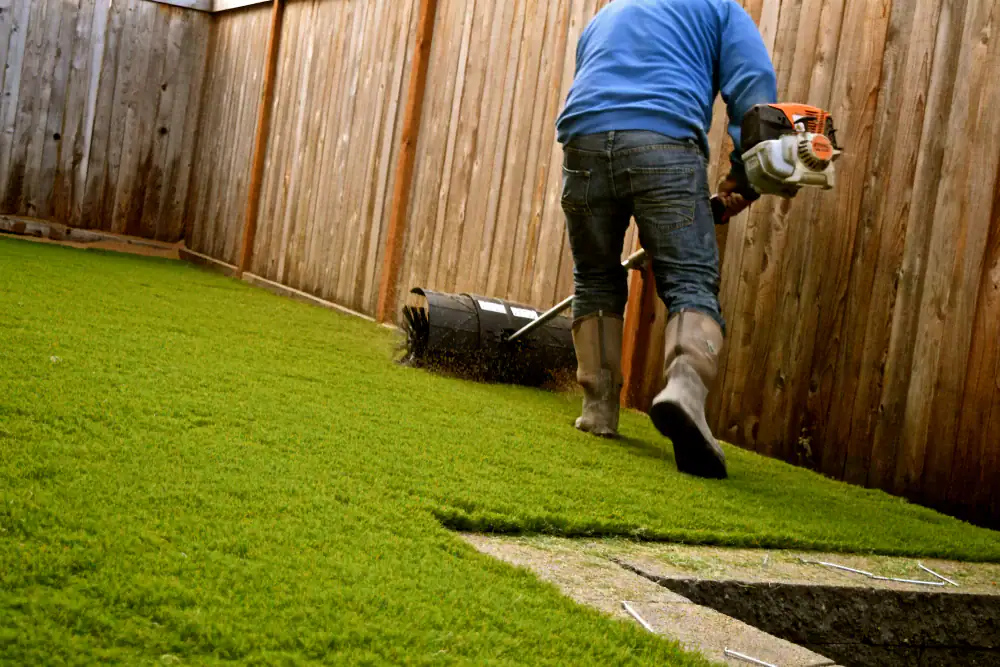
First, we assess the site. If you just finished construction, the soil is likely compacted and needs loosening. We remove any construction debris—roots, rocks, leftover materials that’ll cause problems later.
Next comes grading. We make sure water flows away from your foundation and that there are no low spots where water will pool. This step matters more than most people realize, especially in areas with heavy spring runoff.
Then we prep the topsoil. Depending on what’s there, we may need to bring in quality topsoil and amend it so grass roots can establish quickly. We level and rake it smooth.
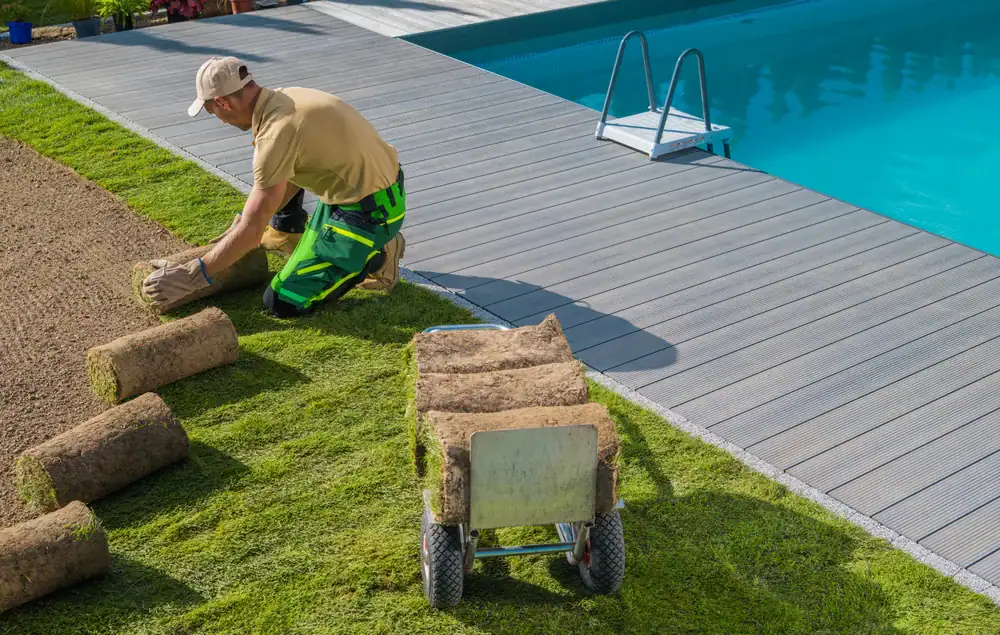
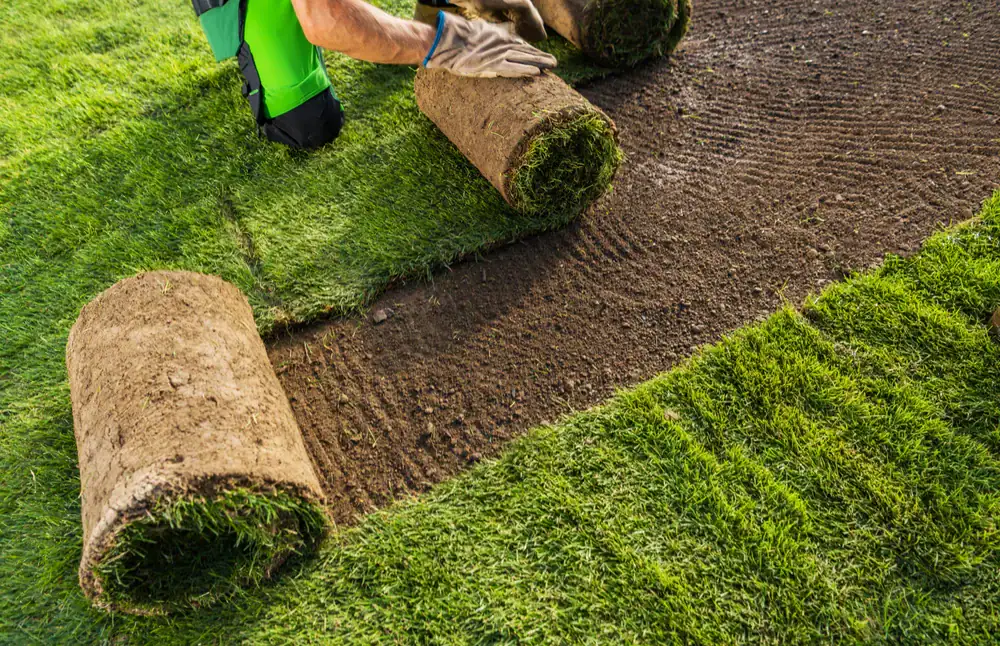
Finally, we install the sod or oversee seeding, depending on what makes sense for your timeline and budget. Sod gives you an instant lawn. Seeding takes longer but costs less. Either way, the prep work is the same—and it’s what determines whether your lawn thrives or struggles.
Ready to get started?
A professional lawn installation in Brant Lake isn’t just laying sod and calling it done. It’s site evaluation, debris removal, soil loosening, grading for drainage, topsoil amendment, and then either sod installation or seeding.
We handle the excavation side—the part most landscapers can’t do or don’t want to touch. That means if your yard needs serious grading work or if there’s ledge that needs addressing, we’ve got the equipment and experience to handle it.
Brant Lake properties often deal with rocky soil and drainage challenges that come with being in the Adirondacks. New construction sites especially need attention because builders rarely prep the soil properly. They’ll throw down cheap seed and move on, leaving you with a yard that won’t establish.
We also do flower bed installation, tree planting service, and front yard lawn installation as part of a complete site finish. If you’re building new or renovating an existing property, we can handle the full scope—from rough grading to the final green space.
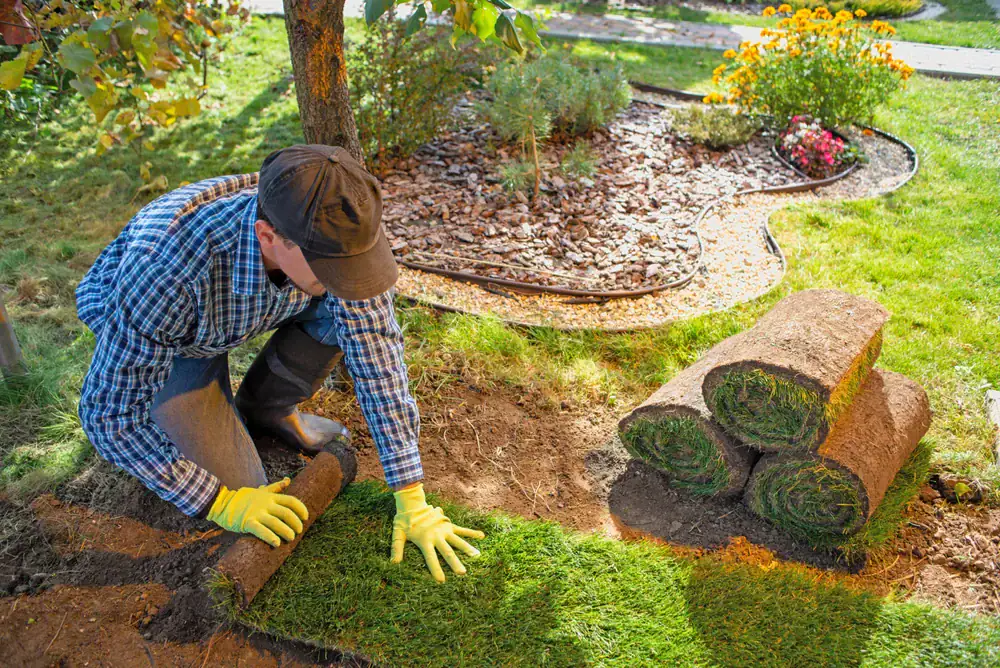
The actual sod installation usually takes one to two days depending on the size of your lawn. But that’s just the final step.
Site prep is where the time goes. If your soil is compacted from construction, we need to loosen it. If grading is off, we fix that first. If there’s debris or poor topsoil, we address it before any sod goes down.
For a typical residential lot in Brant Lake, you’re looking at three to five days total from start to finish. Larger properties or sites with drainage issues take longer. We’d rather take the extra time to do it right than rush a job that fails in six months.
Late spring and early fall are ideal for lawn installation in this area. The soil is workable, temperatures are moderate, and there’s usually enough rain to help new grass establish without constant watering.
Sod can go in almost any time the ground isn’t frozen, but it establishes best when it’s not fighting summer heat or winter cold. If you’re seeding instead of sodding, early fall is your best window—grass has time to root before winter, and you’re not competing with summer weeds.
We’ve done lawn installations throughout the season in Brant Lake, but if you have flexibility, aim for May or September. The grass will establish faster and require less maintenance from you.
It depends on what’s already there. If you’re working with soil that’s been compacted by construction equipment or if the existing topsoil is thin and rocky, then yes—you’ll need to bring in quality topsoil.
Most new construction sites in Brant Lake don’t have adequate topsoil after the building process. What’s left is often subsoil mixed with clay and rock, which won’t support healthy grass. We typically recommend at least four to six inches of good topsoil for a lawn that establishes well.
If your existing soil is decent but just needs loosening and amending, we can work with that. We’ll evaluate your site and tell you honestly what’s needed. No point in paying for topsoil if you don’t need it, but skipping it when you do will cost you more in the long run.
Sod gives you an instant lawn. You’ll have full green coverage within days, and it’s ready for light use in a few weeks. It’s more expensive upfront, but you skip the waiting period and the risk of erosion or weed competition that comes with seeding.
Seeding costs less and can actually produce a stronger root system over time, but it takes longer—you’re looking at several weeks before you see full coverage, and it requires more watering and care in those early stages. If you’re doing this in spring or fall and you’re patient, seeding can be a solid choice.
For most new construction projects in Brant Lake, sod makes sense. You get immediate erosion control, instant curb appeal, and you’re not waiting months to use your yard. If budget is tight and timing isn’t urgent, seeding works. We’ll walk you through both options based on your specific situation.
Drainage is the first thing we look at. If water doesn’t move away from your foundation and off your lawn properly, nothing else matters—you’ll have standing water, erosion, and grass that won’t survive.
We grade the soil so water flows away from the house and toward appropriate drainage areas. If there are low spots, we fill and level them. If the property has more serious drainage challenges, we may need to install drainage solutions before the lawn goes in.
Brant Lake properties often sit on terrain that makes drainage tricky. Between bedrock close to the surface and heavy spring runoff, you can’t just assume water will take care of itself. We’ve been doing excavation and site prep in this area long enough to know what works and what doesn’t. Proper grading is non-negotiable if you want a lawn that lasts.
If you went with sod, you’ll need to water it daily for the first two weeks—enough to keep the soil moist but not flooded. After that, you can back off to every other day, then transition to a normal watering schedule once the roots establish.
For seeded lawns, keep the soil consistently moist until the grass is about three inches tall. That usually means light watering twice a day in dry weather. Once it’s established, you can mow it and treat it like a normal lawn.
Either way, stay off the lawn as much as possible for the first few weeks. The roots need time to take hold. After that, regular mowing, occasional fertilizing, and proper watering will keep it healthy. We’ll give you specific instructions based on what we install and what time of year it is.
Other Services we provide in Brant Lake