
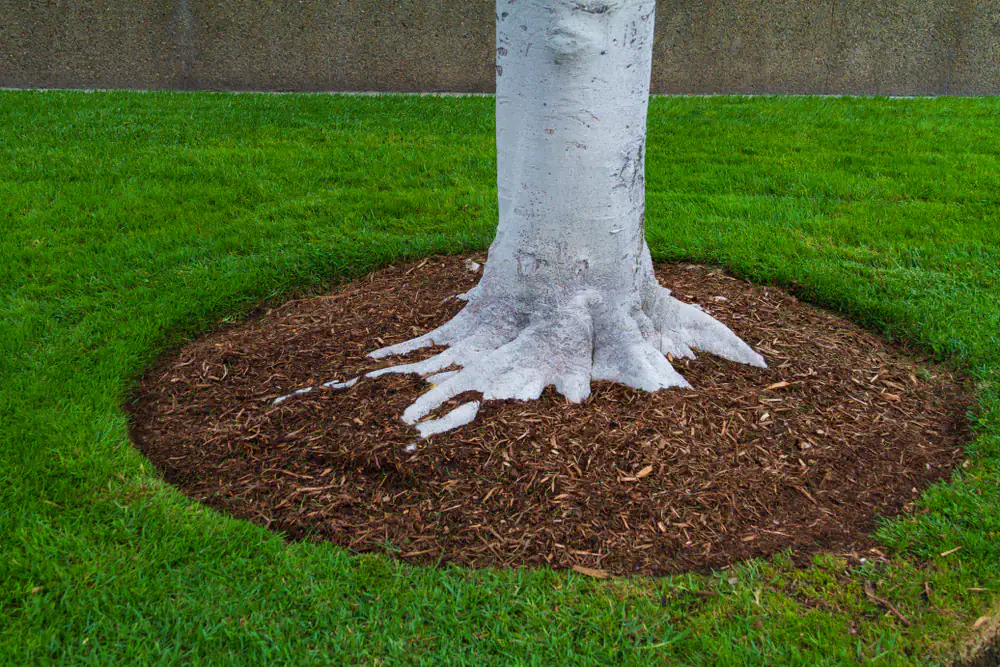
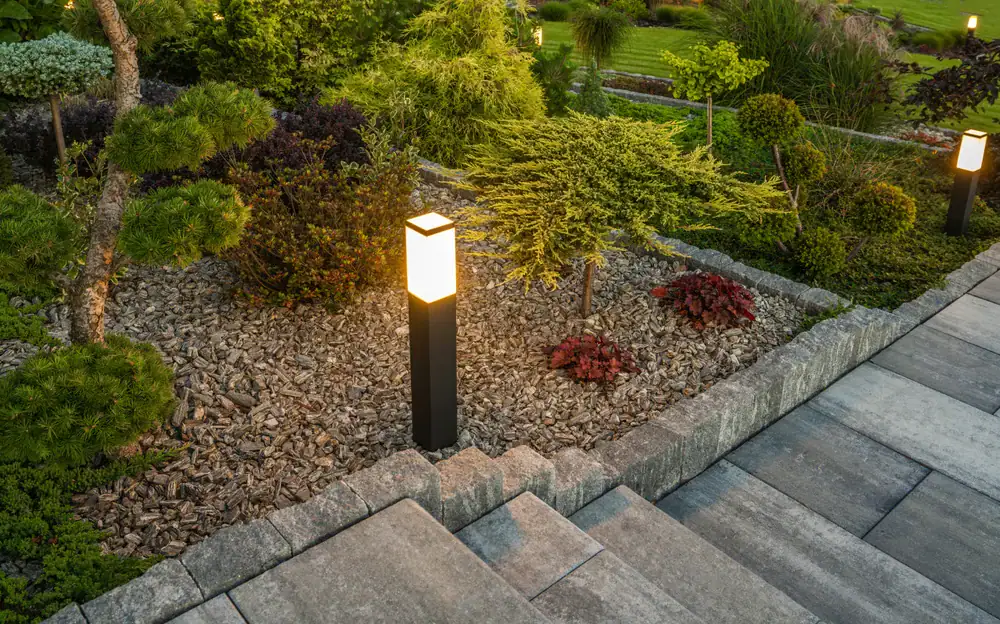
You’re not just covering dirt. Proper landscape mulching in Wilton, NY keeps moisture where your plants need it, cuts down on weeds that take over by mid-summer, and stops soil from washing away during those heavy spring rains we get here.
Fresh mulch changes how your property looks from the street. It’s the difference between a yard that looks maintained and one that looks forgotten. And in Wilton, where home values average $700,000, that curb appeal isn’t just aesthetic—it’s financial.
The right mulch installation also means you’re watering less, pulling fewer weeds, and dealing with less erosion around your foundation. It insulates plant roots when temperatures swing in spring and fall. As it breaks down, it improves your soil naturally without you doing anything extra.
We’ve been working in Saratoga County since 1997. We started in logging, moved into full-time excavation in 2020, and we’ve been on job sites throughout Wilton, NY ever since.
This is a family operation. Josh is on almost every job, which means you’re getting someone who actually cares whether your flower bed mulching looks right and drains properly. We’re not sending different crews every time or handing your property off to whoever shows up that day.
You’ll find us working on new construction sites, handling driveways and septic systems, and yes—doing the landscape mulching that ties everything together once the heavy work is done. We know Wilton’s soil conditions, drainage patterns, and what actually holds up through our seasons.
First, we come out and look at what you’re working with. That means checking your existing beds, looking at drainage, and figuring out if there’s old mulch that needs removing or if we’re starting fresh. We’re also looking at what’s nearby—sprinkler heads, downspouts, plants that need protecting.
Then we prep the site. If you’ve got landscape bed mulching that’s compacted or breaking down into sludge, we remove it. We edge the beds properly so mulch stays where it belongs. We make sure the grade is right so water moves away from your foundation, not toward it.
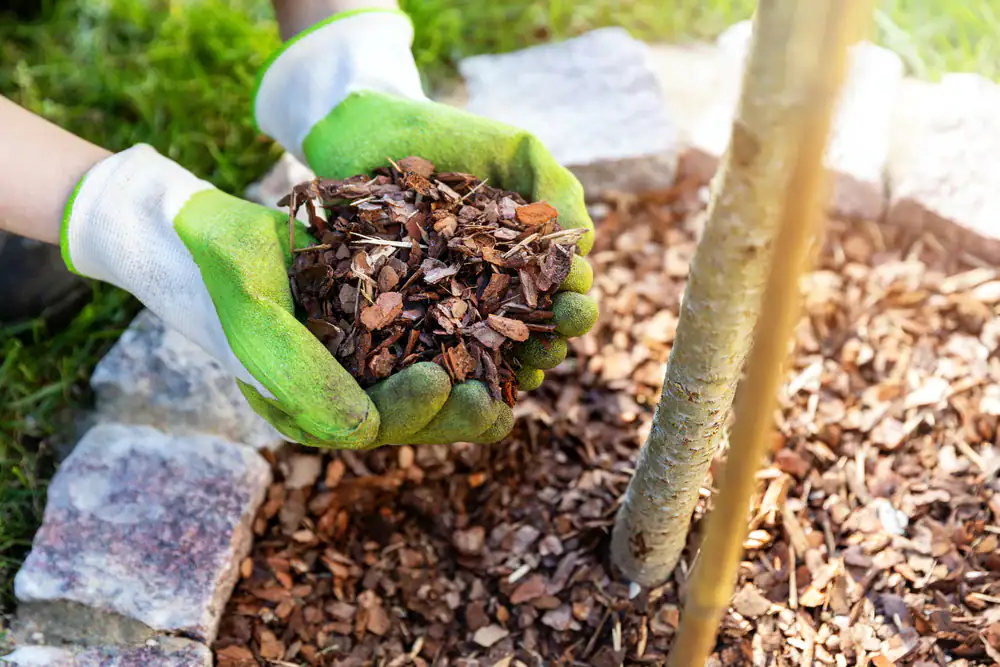
Finally, we install fresh mulch at the right depth—usually 2-3 inches for most applications. Too thin and you’re not getting the benefits. Too thick and you’re smothering roots and creating problems. We spread it evenly, pull it back from plant stems and tree trunks, and clean up when we’re done.
You get a property that looks sharp and beds that are actually set up to perform through the season.
Ready to get started?
Our mulching services in Wilton, NY cover the full scope—not just dumping material and calling it done. You’re getting old mulch removal if it’s compacted or decomposed past the point of usefulness. We’re edging beds so they have clean lines and proper borders. We’re checking grade and drainage because mulch can’t fix bad water flow.
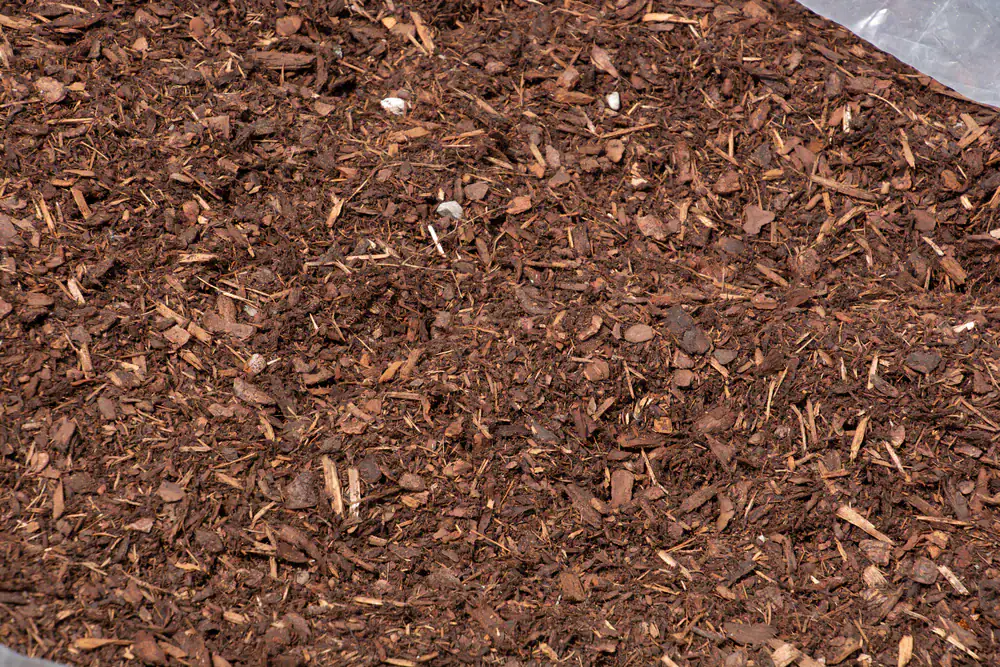
We bring the right type of mulch for your situation. Hardwood bark works for most landscape beds. Cedar lasts longer and repels insects if that’s what your garden mulching needs. We can source different colors if you’re matching existing work or have a specific look in mind.
In Wilton, where properties sit on everything from sandy soil to heavy clay, we’re also looking at how mulch interacts with what’s underneath. Some areas need better drainage before mulch goes down. Others need soil amendment. We handle that prep work so the mulch actually does its job instead of just sitting there looking good for a month.
This isn’t a one-size-fits-all situation. Your property gets what it needs based on conditions, not based on what’s easiest for us.
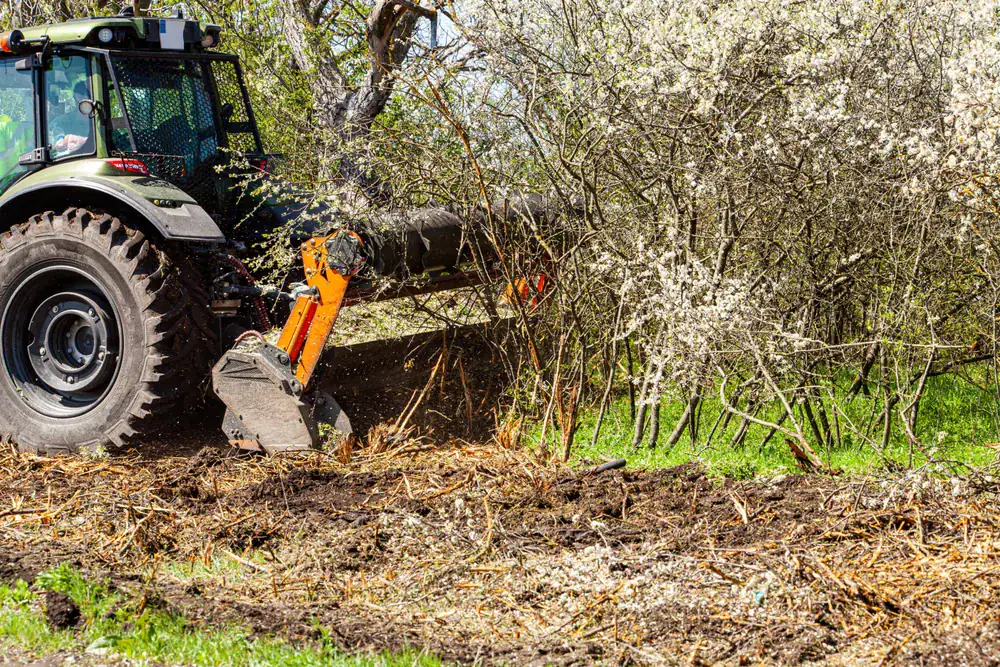
Most properties need fresh mulch installation every 1-2 years, but it depends on what type you’re using and how exposed your beds are. Hardwood mulch breaks down faster than cedar—that’s just decomposition doing what it’s supposed to do. If your beds get full sun and heavy rain, mulch degrades quicker than shaded areas.
You’ll know it’s time when the color fades to gray, the mulch layer gets thin (under 2 inches), or you’re seeing more weeds than you should. Some people top-dress annually with a fresh layer. Others do a full mulch removal and replacement every other year.
In Wilton, most homeowners refresh landscape mulching in late spring after cleanup or early fall before winter. Both work. Spring gives you that fresh look for the growing season. Fall protects roots heading into winter and means one less thing to handle when spring gets busy.
Hardwood bark mulch is the most common—it’s affordable, breaks down at a decent rate, and improves soil as it decomposes. You’ll replace it more often, but that decomposition is actually feeding your beds. It comes in different colors (natural, brown, black, red) depending on what look you want.
Cedar and cypress mulches last longer because they resist decomposition and naturally repel insects. They cost more upfront but you’re not replacing them as frequently. They’re a good choice for flower bed mulching where you want longevity and don’t want to disturb established plants every year.
Pine bark nuggets are another option—they’re larger, they don’t blow away as easily, and they’re good for slopes or areas with drainage concerns. They don’t mat down like shredded mulch can. Some people use stone or rubber mulch, but those don’t improve soil and can create heat issues around plants. For most garden mulching in Wilton, NY, you’re looking at hardwood or cedar depending on budget and how often you want to refresh.
Yes, and doing it right matters more than most people realize. The key is keeping mulch away from direct contact with plant stems and tree trunks. Mulch piled against bark creates moisture problems, invites insects, and can lead to rot. We pull it back a few inches to create a small gap.
For established flower beds, we’re careful around root zones and shallow-rooted plants. We don’t pile mulch so deep that we’re smothering roots or changing the grade around the plant base. Perennials, shrubs, and young trees all have different tolerances for how mulch should sit around them.
If you’ve got irrigation or lighting in your beds, we work around those systems without disturbing them. Same with edging, borders, or decorative elements you want to keep. The goal is to enhance what’s there, not create new problems. Proper landscape bed mulching means your plants perform better, not worse, after we’re done.
Sometimes yes, sometimes no—it depends on what condition the old layer is in. If your existing mulch has broken down into a thin, compacted mat or it’s turned into basically soil, removing it makes sense. Piling new mulch on top of that creates drainage issues and gets too deep for healthy root function.
If you’ve got 1-2 inches of older mulch that’s still intact but just faded, you can usually top-dress with fresh material. We’ll fluff up what’s there, add 1-2 inches of new mulch, and you’re good to go. This works for annual refreshing when the base layer is still functional.
Our mulch removal service in Wilton, NY handles the situations where old material needs to go—when it’s overly thick, when it’s matted and slimy, or when you’re changing mulch types entirely. We also remove it if there’s a weed seed bank built up in the old layer or if the grade has gotten messed up from years of adding on top. Starting fresh sometimes costs a bit more upfront but saves you problems down the line.
Two to three inches is the target for most landscape mulching applications. That’s deep enough to suppress weeds, conserve moisture, and insulate roots without creating problems. Go thinner and you’re not getting the full benefits—weeds push through, moisture evaporates faster, and you’ll see bare spots by mid-summer.
Go too deep and you’re asking for trouble. Mulch piled 4-5 inches deep holds too much moisture against plant crowns, encourages root rot, and can actually prevent water from reaching the soil underneath. It also creates habitat for voles and other pests you don’t want living in your flower beds.
Around trees, the same 2-3 inch depth applies, but the mulch ring should extend out to the drip line if possible—that’s where the feeder roots are. And again, keep it pulled back from the trunk itself. We see a lot of “mulch volcanoes” piled up around tree bases in Wilton, and they cause more damage than they prevent. Proper depth and proper placement both matter for garden mulching that actually works.
Late spring and early fall are both solid windows for mulching services in Wilton, NY. Spring installation—usually late April through May once the ground thaws and dries out—gives you fresh beds for the growing season. You’re mulching after spring cleanup, after pruning, and before summer heat sets in. It’s when most people think about their landscaping anyway.
Fall mulching—September through October—protects roots heading into winter and means you’re ahead of the game come spring. The mulch insulates against freeze-thaw cycles and keeps soil temperatures more stable. You’re also mulching when plants are going dormant, so there’s less risk of disturbing active growth.
Summer installation works too if your beds are looking rough or you’re dealing with erosion and weed issues that can’t wait. Winter is obviously off the table here in upstate New York. The ground is frozen, material is harder to source, and there’s no point mulching over snow. Most of our landscape bed mulching in Wilton happens May through October when conditions are right and the work actually makes sense.
Other Services we provide in Wilton