
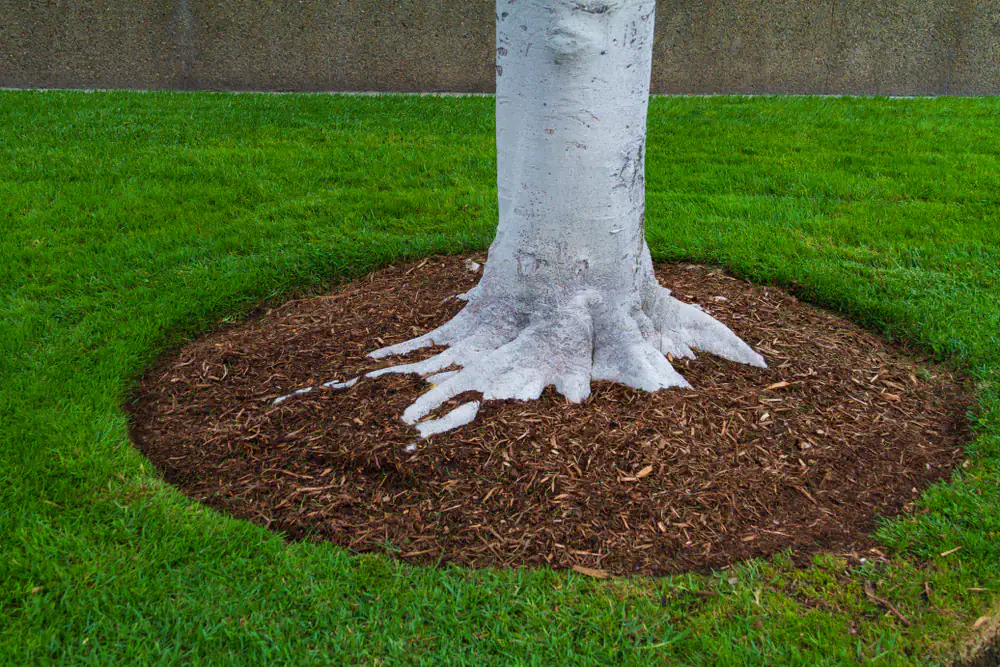
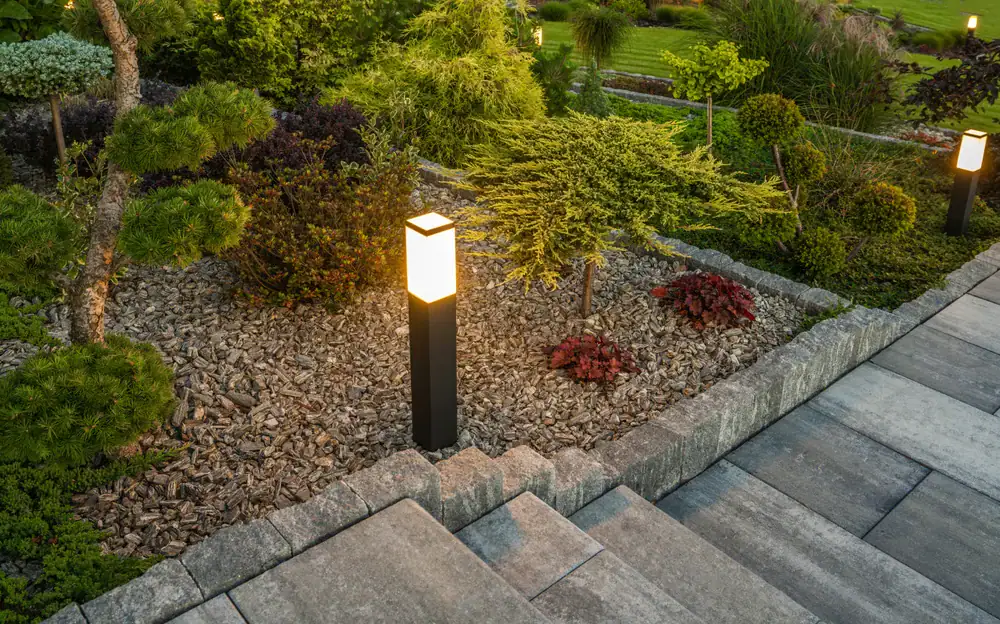
You’re not buying mulch for looks alone. You’re buying protection, moisture retention, and fewer weeds pulling your attention every weekend.
A proper layer of mulch keeps soil temperatures stable when summer heat hits hard or spring frosts linger longer than expected. It holds moisture in the ground so you’re not running sprinklers as often. And it stops most weeds before they even break through, which means less time bent over pulling them by hand.
When mulch is applied correctly at the right depth, it also prevents erosion during heavy rain and gradually improves your soil as it breaks down. That’s the difference between dumping bags around your beds and having someone who knows how to prep, apply, and finish the job so it actually works the way it’s supposed to.
We started as a logging operation in 1997 and moved into full-time excavation work in late 2020. Now it’s a family business with Josh and his son running jobs across Saratoga, Warren, and Washington Counties.
Josh is on almost every job. That’s not marketing talk—it’s how we run the business. When you call, you’re talking to someone who’s going to be there when the work happens, not a dispatcher passing notes to a crew that’s never met you.
Moreau sits right in the middle of our service area, and we’ve worked with enough homeowners here to know the soil, the terrain, and what it takes to prep a property correctly. Whether it’s mulch delivery for new landscape beds or a full mulch removal and refresh, we handle the material and the labor so you don’t have to make six trips to a garden center in your SUV.
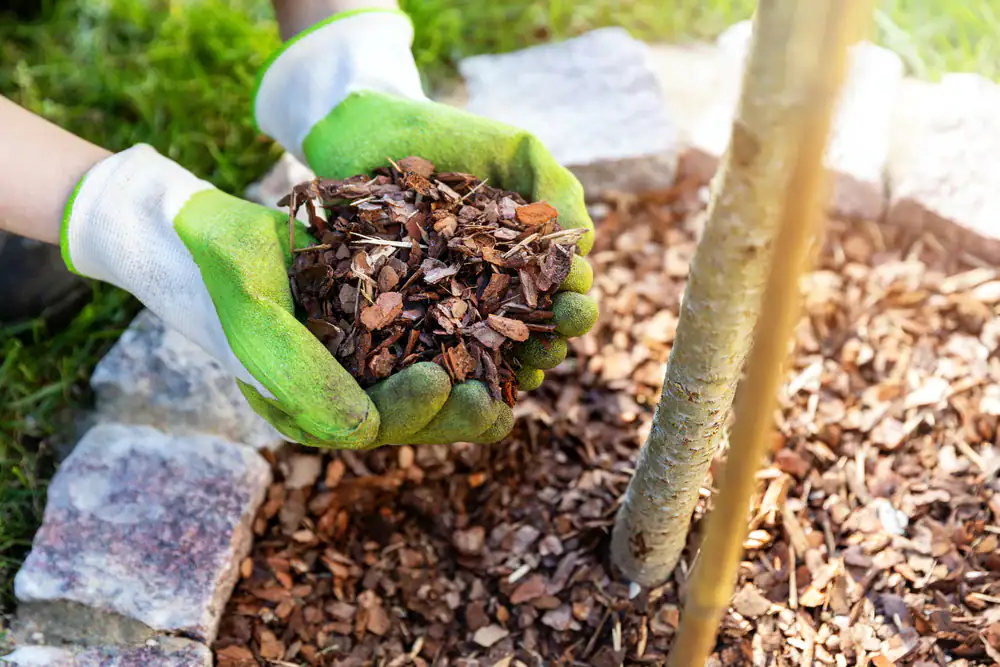
First, we talk through what you’re trying to accomplish. New beds around the house? Refreshing old mulch that’s broken down or washed away? Prepping for plantings? That conversation shapes how much material you’ll need and what type makes sense for your property.
If there’s old mulch that needs to come out, we remove it before bringing in the new layer. If the beds need edging or grading work, we take care of that too. Then we deliver the mulch and spread it to the right depth—usually two to four inches depending on the application.
We don’t pile it against tree trunks or plant stems, because that invites rot and pests. We don’t bury your beds under six inches of wood chips and call it done. We apply it correctly so it does what mulch is supposed to do: insulate, retain moisture, suppress weeds, and look clean without creating problems down the line.
Once it’s in place, you’re set. No cleanup on your end. No half-finished beds. Just mulch that’s doing its job from day one.
Ready to get started?
You get the mulch delivered, the labor to spread it, and the equipment to do it efficiently. We’re not handing you a pile in the driveway and wishing you luck. We’re handling the physical work so you don’t have to.
That includes mulch removal if your existing layer is compacted, broken down, or full of weeds. It includes edging and bed prep if the borders need redefining or the ground needs leveling. And it includes proper application at the right depth for the plants or trees you’re working around.
In Moreau, we see a lot of properties with mature trees, new construction sites, and established homes that just need seasonal refreshes. Mulch plays a different role depending on where you are in that cycle. For new builds, it’s about establishing beds and controlling erosion while landscaping takes root. For older properties, it’s about maintaining what’s already there and replacing material that’s lost its effectiveness.
We also deliver bulk loads, which keeps costs down compared to bagged mulch from a big box store. If you’re covering more than a few small beds, buying by the yard and having it installed makes more sense than loading your car ten times and spreading it yourself over a weekend.
It depends on the square footage of your beds and how deep you’re applying it. Most landscape bed mulching jobs need two to four inches of depth to be effective.
Here’s a rough guide: one cubic yard of mulch covers about 100 square feet at three inches deep. So if you’ve got 300 square feet of beds around your house, you’re looking at around three yards of material. If those beds haven’t been mulched in a few years, you might need more to account for settling and breakdown.
We measure your beds during the estimate so you’re not guessing. Ordering too little means bare spots and another delivery. Ordering too much means leftover piles you don’t need. We get it right the first time based on what’s actually there, not a number pulled from an online calculator.
Yes, it matters. Different mulch types break down at different rates, look different, and serve different purposes depending on where you’re using them.
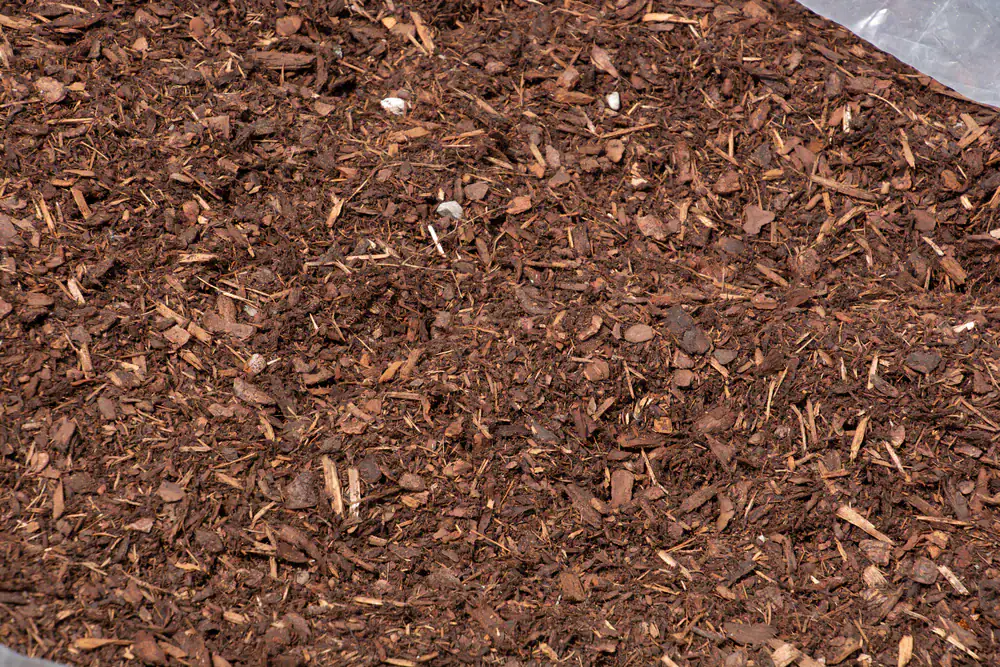
Hardwood mulch is common for general landscape beds. It breaks down slower than softwood and holds color longer. Colored mulch—usually dyed black, brown, or red—keeps its appearance for a full season or more, which is why a lot of homeowners prefer it for curb appeal. Cedar mulch repels insects naturally and smells better, but it costs more.
Fresh wood chips are fine for pathways or larger areas where you’re not worried about nitrogen depletion, but they’re not ideal for flower beds or vegetable gardens. As they decompose, they pull nitrogen from the soil, which can stunt plant growth unless you’re adding fertilizer to compensate. We’ll walk you through what makes sense for your property based on what you’re planting and how much maintenance you want to deal with.
Spring and fall are the two best windows. Spring mulching happens after the soil warms up but before summer heat sets in—usually late April through May around here. That timing gives you moisture retention and weed suppression right when plants are actively growing.
Fall mulching works well too, especially if you’re prepping beds for winter. Applying mulch in late September or October insulates roots before the ground freezes and prevents erosion from freeze-thaw cycles. Just don’t mulch when the ground is already frozen or soaking wet, because you’ll trap moisture in the wrong way and create more problems than you solve.
If your beds are in rough shape or you’re starting from scratch, spring is usually the better move. If you’re just refreshing what’s already there, fall works fine and sets you up for an easier spring.
It depends on the condition of what’s already there. If your existing mulch is thin, broken down, and mostly decomposed into the soil, you can add a fresh layer on top without any issues.
But if the old mulch is thick, compacted, or full of weeds, you’re better off removing it first. Piling new mulch on top of a bad base just creates a deeper problem. You’ll end up with too much material smothering plant roots, preventing water from reaching the soil, and giving weeds an even better place to grow.
We check the existing layer during the estimate and let you know whether removal makes sense. If it does, we handle that before bringing in new material. If it doesn’t, we skip that step and save you the cost. No point doing work that doesn’t need to be done.
Most mulch lasts one to three years depending on the type, weather exposure, and how much foot traffic or water flow it deals with. Hardwood and dyed mulch tend to hold up closer to two or three years. Pine bark and softer materials break down faster, usually within a year or two.
You’ll know it’s time to replace mulch when the color fades to gray, the layer thins out to less than two inches, or weeds start breaking through more often. At that point, the mulch isn’t doing its job anymore—it’s just sitting there looking worn out.
Some homeowners refresh their mulch every spring as part of regular property maintenance. Others wait until it’s visibly broken down. Either approach works. We’re not here to sell you mulch you don’t need, so if your beds still look good and the layer is holding up, we’ll tell you to wait another season.
We deliver and install, or we can drop off bulk loads if you’d rather spread it yourself. Most people go with full installation because the labor is the hard part, not the delivery.
If you’ve got a small area and you want to handle it on your own, we’ll bring the mulch and dump it wherever you need it on your property. If you’d rather not spend your weekend moving wheelbarrows back and forth, we’ll take care of the spreading, edging, and cleanup so it’s done correctly and you don’t have to touch it.
Either way, you’re getting bulk pricing on the material, which beats buying twenty-dollar bags from a store and loading them into your car one at a time. We work in Moreau regularly, so delivery and scheduling are straightforward. Just let us know what you’re working with and we’ll get it handled.
Other Services we provide in Moreau