Your landscape beds take a beating from Horicon’s weather. Summer heat dries out soil faster than you can water. Spring rains wash away topsoil on any slope. Winter frost heaves plants right out of the ground if roots aren’t insulated.
Proper mulch installation in Horicon, NY changes that. A correctly applied 2-4 inch layer cuts water evaporation by half, which means your plants stay hydrated longer and you’re not dragging hoses around every other day. That same layer blocks sunlight from hitting soil, so weed seeds never germinate in the first place.
The mulch also moderates soil temperature. Your plant roots stay cooler when it’s 85 degrees out and warmer when frost hits in October. That protection extends your growing season and reduces winter damage to perennials and shrubs.
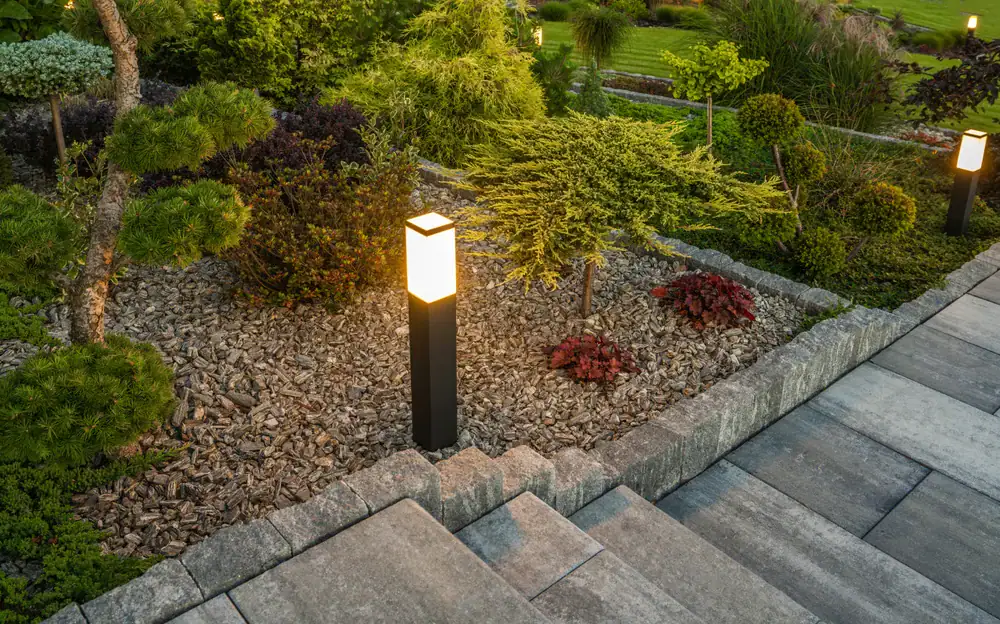
And here’s what matters if you’re looking at your property’s value: fresh mulch makes beds look intentional and maintained. It creates clean lines around your lawn and walkways. It signals that someone cares about this property, which matters whether you’re living here long-term or thinking about resale down the road.
We’ve been operating in the Horicon area since 1997. Josh runs the business with his son, who joined as a partner in 2022. Josh is on almost every job, which means you’re getting someone who’s been doing this work for over two decades, not a rotating crew that’s never seen your property before.
We’re not trying to be the cheapest option in Warren County. You’re paying for quality mulch materials, proper bed preparation, and installation that’s done at the right depth with even coverage. That’s how mulch actually performs the way it’s supposed to.
Horicon properties deal with specific challenges: sloped lots that erode easily, clay-heavy soil that doesn’t drain well, and a short growing season that makes every warm month count. We’ve worked on enough properties around here to know what those conditions require and how to set up your beds so they hold up through all four seasons.
We start with bed prep, which most people skip when they’re doing it themselves. That means pulling out old, decomposed mulch if it’s compacted or moldy. It means edging bed lines so they’re clean and defined. It means checking that your soil level is where it should be before we add anything new.
If you’ve got existing landscape fabric that’s torn or weeds poking through, we’ll address that before mulch goes down. Fabric only works if it’s intact and properly secured. Otherwise you’re just trapping problems under a fresh layer of mulch.
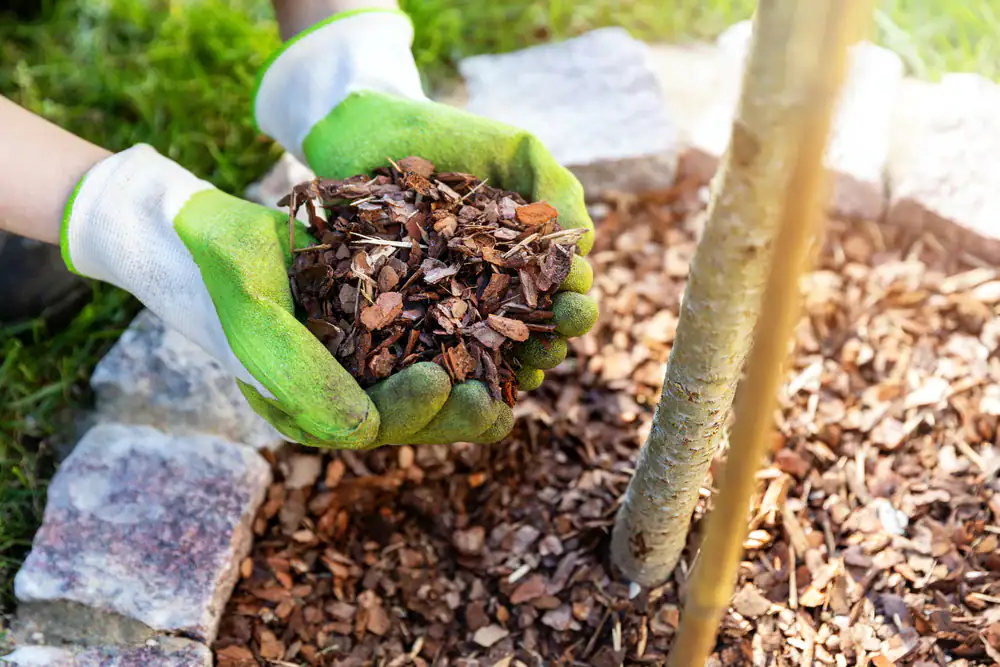
Then we bring in quality mulch material. We’re not using ground-up pallets or construction scraps. You’re getting clean, consistent mulch that’s actually going to break down into your soil over time and add organic matter, not junk.
We spread it evenly at 2-4 inches deep depending on what your beds need. That depth matters. Too thin and you’re not getting weed suppression or moisture retention. Too thick and you’re suffocating plant roots and creating drainage problems.
After installation, your beds should hold up for 12-18 months before they need a refresh. That timeline depends on your mulch type and how much direct sun your beds get, but you shouldn’t be re-mulching every single spring if it’s done right the first time.
Ready to get started?
Our mulching services in Horicon, NY cover everything from small flower bed mulching around your front walkway to full landscape bed mulching across your entire property. We handle residential properties of all sizes, and we’re set up to do larger jobs efficiently without cutting corners.
You’re getting bed preparation as part of the service. We’re not just dumping mulch on top of whatever’s already there. If your beds need edging redone or old material removed, that’s part of getting the job done right.
We also handle mulch removal service if you’ve got old mulch that’s broken down into muck or if previous layers were applied incorrectly. Sometimes the best move is to start fresh, especially if you’re dealing with weed problems or drainage issues that stem from years of improper mulching.
Horicon properties often have sloped areas where erosion is a real problem, especially with spring runoff from snowmelt. We pay attention to those spots and make sure mulch is applied in a way that’s going to stay put and actually prevent soil from washing away. That might mean adjusting depth in certain areas or adding extra edging to hold everything in place.
The goal is mulch that performs, not just mulch that looks good for two weeks. You should see fewer weeds, healthier plants, and beds that hold their shape through weather and seasons.
Most landscape beds in Horicon, NY need fresh mulch every 12-18 months if the original installation was done properly. That timeline shifts depending on a few factors: mulch type, sun exposure, and how much rainfall your beds get.
Organic mulches like shredded hardwood break down over time, which is actually beneficial because they’re adding nutrients back into your soil. But that decomposition means the layer gets thinner and less effective at blocking weeds and retaining moisture. If your beds get full sun most of the day, that breakdown happens faster.
You’ll know it’s time for new mulch when you start seeing more soil than mulch, when weeds are popping through easily, or when the color has faded to gray. If you’re having to pull weeds every week, your mulch layer is probably too thin to do its job. Don’t wait until beds look completely bare. A refresh while there’s still some mulch left is easier and less expensive than starting over from scratch.
The standard depth for mulch installation in Horicon, NY is 2-4 inches, but that’s not a one-size-fits-all number. It depends on what you’re mulching and what problems you’re trying to solve.
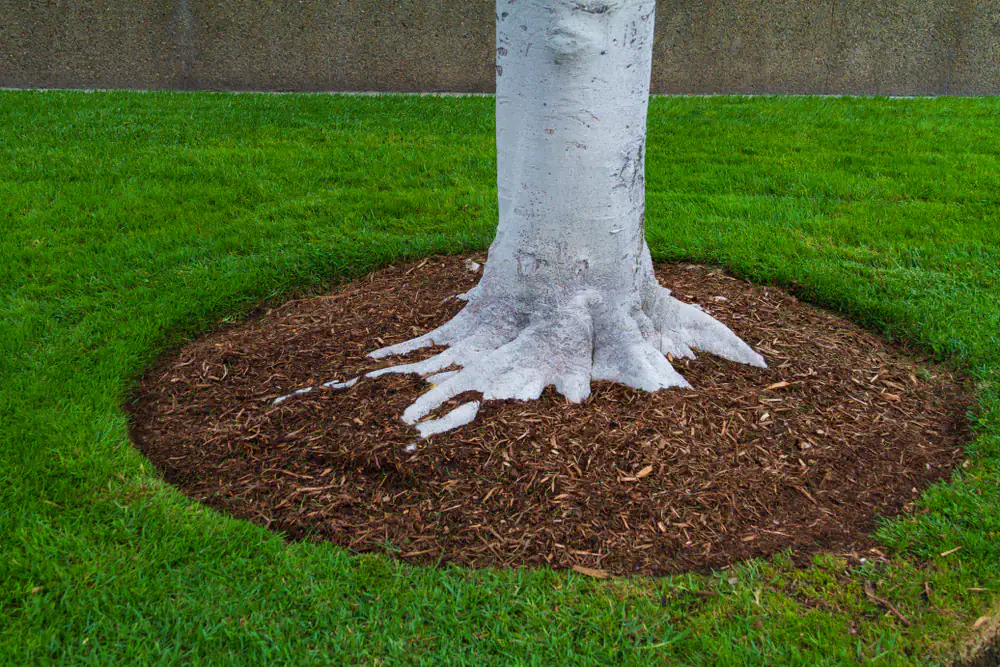
For most flower beds and around shrubs, 3 inches is the sweet spot. That’s thick enough to block weed seeds from getting sunlight and germinating, but not so thick that you’re burying plant crowns or creating drainage problems. If you’re mulching around trees, keep mulch a few inches away from the trunk. Piling it against bark traps moisture and invites rot and pests.
If you’ve got slopes or areas prone to erosion, you might go closer to 4 inches to help hold soil in place during heavy rain. But if you’re dealing with plants that prefer drier conditions or soil that doesn’t drain well, you’d stay closer to 2 inches to avoid waterlogging roots.
Here’s what happens when mulch is too deep: water can’t penetrate down to roots, oxygen can’t reach the soil, and you end up with shallow root systems that make plants weak and susceptible to drought. Over-mulching is one of the most common mistakes we see, and it causes more problems than it solves.
It depends on the condition of what’s already there. If your existing mulch has broken down into a thin layer that’s mostly decomposed into the soil, you can add new mulch on top without issue. That decomposed material is actually improving your soil structure.
But if you’ve got thick, compacted mulch that’s matted down or if the old layer has turned into a water-repellent mat, you need mulch removal service before adding anything new. Compacted mulch blocks water from reaching plant roots and creates an anaerobic environment where beneficial soil organisms can’t survive.
You should also remove old mulch if you’re seeing fungal growth, if it smells sour or rotten, or if it’s full of weed seeds. Adding fresh mulch on top of that just buries the problem temporarily. Within a few weeks, you’ll have weeds pushing through and the same issues you started with.
For most Horicon properties, a light removal or fluffing of the top layer every 2-3 years keeps beds healthy. Complete removal and replacement is usually only necessary if previous mulching was done incorrectly or if you’re changing bed layouts entirely. We assess what’s there and tell you honestly whether removal is necessary or if you’re fine to add a new layer.
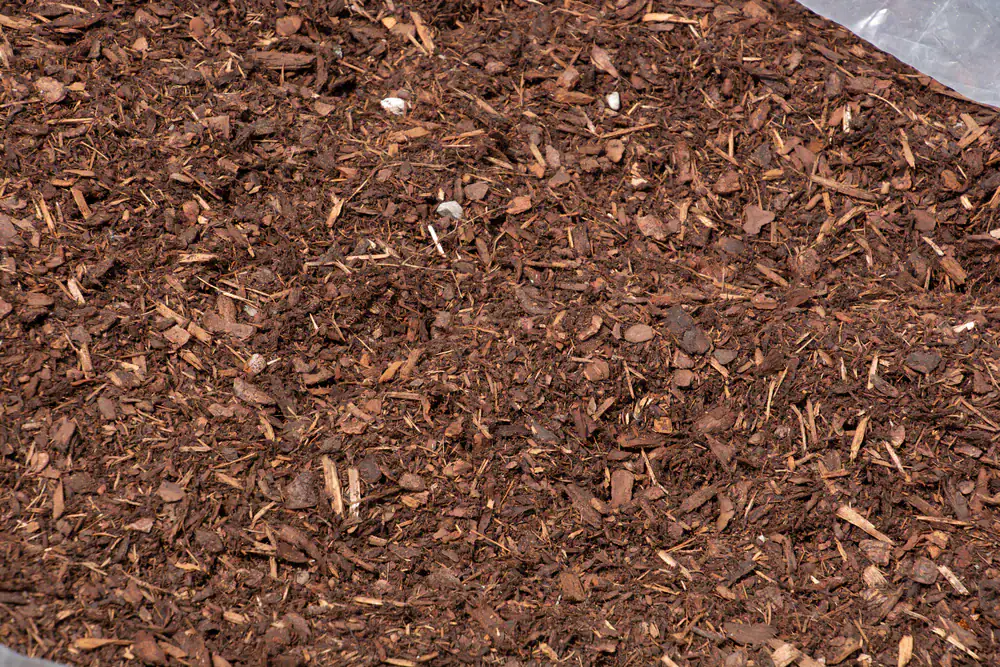
Shredded hardwood mulch performs well in Horicon, NY because it breaks down slowly, holds moisture effectively, and stays in place better than lighter materials. It handles our freeze-thaw cycles without breaking down too quickly, and it doesn’t blow away in wind like pine bark nuggets can.
Cedar and cypress mulches last longer before decomposing, which means you’re re-mulching less often. They also have natural oils that help repel insects. The tradeoff is they’re more expensive upfront and they don’t add as much organic matter back into your soil as they break down.
Avoid dyed mulches if you’re concerned about what’s going into your soil. Some dyed mulches are made from recycled wood that includes treated lumber or construction waste. The dye itself usually isn’t the problem, but the source material can be questionable. If you want color, natural hardwood starts out rich brown and fades gradually, which actually looks more natural than bright red mulch that screams “I just mulched.”
For vegetable gardens or around edibles, go with untreated, natural mulch or compost. You don’t want anything that might leach chemicals into soil where you’re growing food. Straw or shredded leaves work well in garden beds, though they break down faster and need replacing more frequently than wood mulch.
Yes, and the difference is significant. A properly installed 3-inch layer of mulch can cut soil water evaporation by up to 50%. That means the water you’re putting down, whether from rain or irrigation, stays in the root zone longer instead of evaporating into the air.
Here’s why that matters in Horicon: July and August can get dry, and if you’re on a well, you’re paying attention to water usage. Mulched beds need watering about half as often as bare soil beds. That’s fewer hours dragging hoses around, lower water bills if you’re on municipal water, and less stress on your plants during hot stretches.
Mulch also helps water penetrate more evenly. Bare soil, especially clay-heavy soil common around here, can form a crust that causes water to run off instead of soaking in. Mulch breaks up that crust effect and allows water to filter down gradually to roots.
The moisture retention benefit works both ways. In spring when we get heavy rains, mulch helps prevent waterlogging by improving drainage and allowing excess water to move through soil instead of pooling on the surface. Your plants get consistent moisture levels instead of swinging between soaked and bone-dry, which is what keeps them healthy and growing steadily through the season.
We handle both. Small flower bed mulching around a front entrance takes a few hours. Full landscape bed mulching across a multi-acre property takes longer and requires more material and equipment, but we’re set up for it.
Larger properties often have more complex needs: multiple bed areas with different sun exposures, slopes that need erosion control, established plantings that require careful work around root systems, and longer bed edges that need redefining. We’ve got the equipment to move material efficiently and the experience to handle those variables without damaging existing plants or irrigation systems.
If you’re maintaining a larger property in Horicon, NY and you’ve been doing mulching yourself or piecing it together over multiple weekends, there’s value in having it done in one shot by a crew that knows what they’re doing. Your beds end up uniform, the mulch depth is consistent across the property, and you’re not spending your weekends shoveling.
We also work with property managers and commercial properties that need regular landscape maintenance. If you’ve got a business location or rental properties in the area that need seasonal mulching, we can set up a schedule so it’s handled consistently without you having to coordinate it each time.
Other Services we provide in Horicon